The chemical interplay of h2so4 in glacial acetic acid represents a critical catalytic synergy used extensively in the food additive and pharmaceutical industries. By utilizing sulfuric acid as a catalyst within a concentrated acetic acid medium, manufacturers can facilitate complex esterification and acetylation reactions that would otherwise be sluggish or inefficient. Understanding the precise balance of this mixture is essential for ensuring product purity and reaction yield in high-grade chemical synthesis.
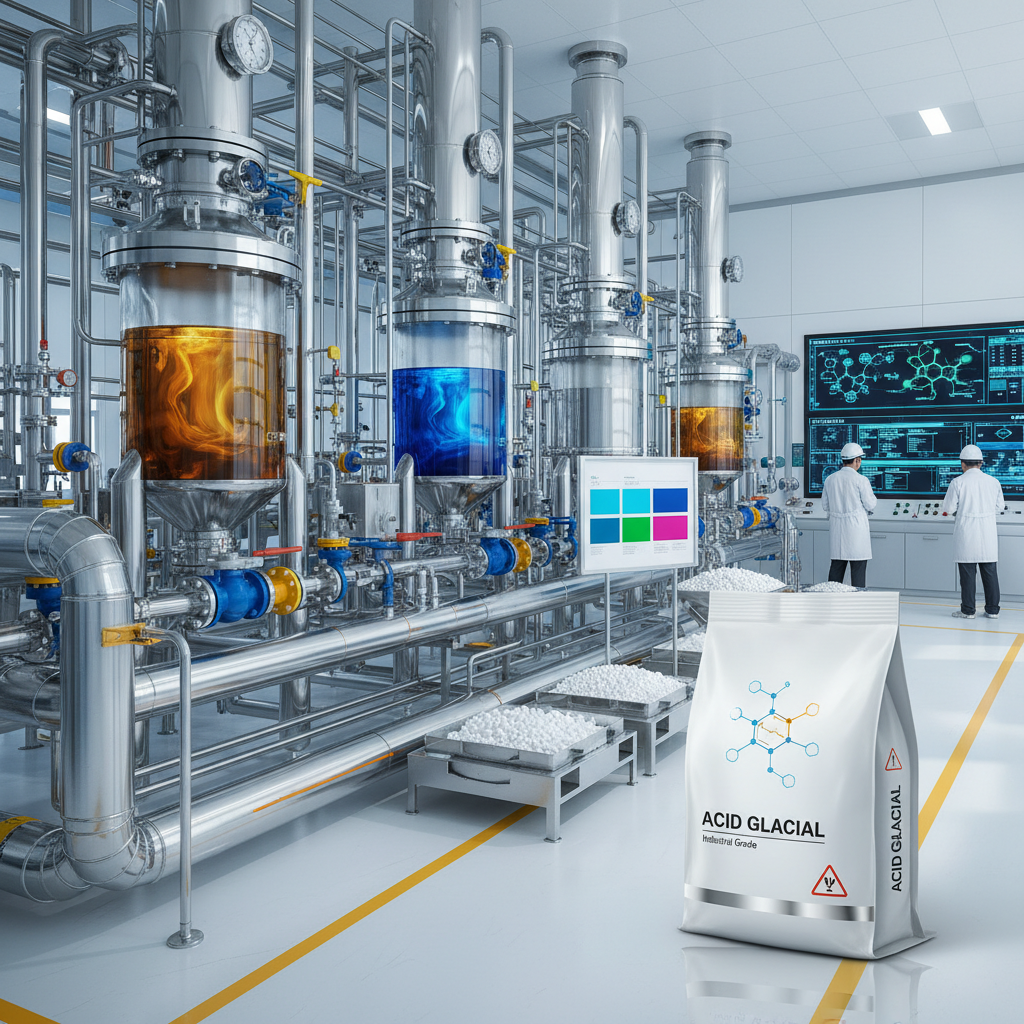
Globally, the demand for high-purity Food Grade Glacial Acetic Acid has surged, leading to a more sophisticated approach to using h2so4 in glacial acetic acid as a processing aid. From the production of food-grade preservatives to the synthesis of flavoring agents, the ability to control acidity and catalytic activity allows for the creation of additives that meet stringent international safety standards, including those set by the FCC and ISO.
For industry professionals, mastering the application of h2so4 in glacial acetic acid is not merely about chemical efficiency, but about optimizing the economic viability of production lines. Reducing waste, minimizing side reactions, and ensuring the stability of the final food additive are the primary benefits of a well-calibrated acid-catalyst system, making it a cornerstone of modern food chemistry.
Chemical Synergy of h2so4 in Glacial Acetic Acid
The integration of h2so4 in glacial acetic acid creates a potent environment for protonation. In this system, the sulfuric acid acts as a strong Brønsted acid, providing the necessary protons to activate the carbonyl group of the acetic acid, which significantly lowers the activation energy for subsequent nucleophilic attacks during acetylation processes.
This synergy is particularly vital when working with Food Grade Glacial Acetic Acid, as the absence of water (the "glacial" state) prevents the reverse hydrolysis reaction. By carefully managing the concentration of h2so4 in glacial acetic acid, chemists can drive the equilibrium toward the desired product, ensuring maximum conversion rates and reducing the need for intensive purification steps.
Industrial Relevance and Global Demand
On a global scale, the use of h2so4 in glacial acetic acid is a pillar of the specialty chemicals market. According to industrial trends observed in ISO-certified manufacturing plants, the efficiency of catalyst systems directly correlates with the purity of the final food additive. As the world moves toward cleaner labels, the precision provided by this specific acid combination helps in eliminating unwanted by-products.
The challenge facing many manufacturers today is the volatility of raw material costs and the strict environmental regulations regarding acid waste. The strategic use of h2so4 in glacial acetic acid allows for lower catalyst loadings while maintaining high throughput, addressing the dual need for economic scalability and ecological responsibility.
In regions like Southeast Asia and Europe, where the food manufacturing sector is heavily regulated, the adoption of standardized protocols for mixing h2so4 in glacial acetic acid has led to a significant decrease in batch failures. This standardization ensures that the resulting food-grade acetates maintain a consistent sensory profile and chemical stability.
Technical Definition and Molecular Mechanism
Technically, h2so4 in glacial acetic acid refers to a homogeneous catalytic system where concentrated sulfuric acid is dissolved in anhydrous acetic acid. This environment is designed to facilitate the transfer of protons to the acetic acid molecules, creating a more reactive electrophile.
The molecular mechanism of h2so4 in glacial acetic acid involves the formation of a complex that enhances the acidity of the medium. Because sulfuric acid is a dehydrating agent, it not only catalyzes the reaction but also helps in removing any trace amounts of water produced during esterification, which is critical for maintaining the "glacial" purity.
From a humanitarian and safety perspective, the precise control of h2so4 in glacial acetic acid ensures that the resulting food additives are free from toxic residues. By optimizing the catalyst-to-substrate ratio, the industry can produce essential nutrients and preservatives that support global food security and shelf-life extension.
Key Performance Factors for Catalytic Efficiency
To maximize the effectiveness of h2so4 in glacial acetic acid, several variables must be tightly controlled. The first is the molar ratio; an excess of sulfuric acid can lead to charring or unwanted sulfonated side-products, while too little will result in incomplete reactions. Temperature management is equally critical, as the exothermic nature of the mixing process requires staged addition to prevent thermal runaway.
Furthermore, the purity of the glacial acetic acid itself determines the stability of the catalyst. Impurities such as water can dilute the h2so4 in glacial acetic acid system, drastically reducing the reaction rate and complicating the downstream recovery of the final food additive product.
Comparative Efficiency of h2so4 in Glacial Acetic Acid Variants
Global Applications in Food Additive Manufacturing
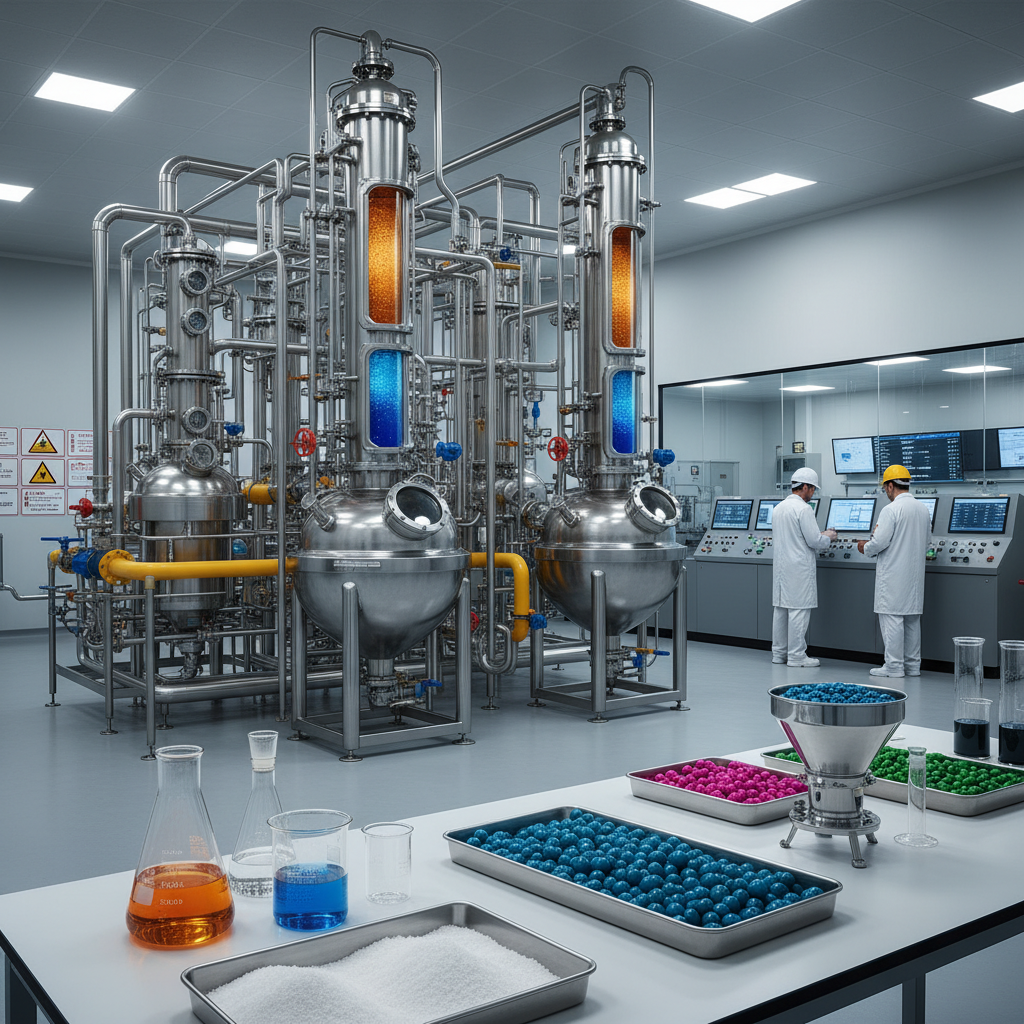
The most prominent application of h2so4 in glacial acetic acid is in the synthesis of food-grade esters. These compounds are used worldwide as flavor enhancers and preservatives. In large-scale industrial zones, such as those in the United States and China, this catalytic system is the standard for producing high-yield acetates that maintain strict organoleptic properties.
Beyond flavorings, h2so4 in glacial acetic acid is employed in the production of certain acidulants and pH regulators used in the beverage industry. In remote industrial zones where specialized equipment may be limited, the reliability and predictability of this acid-catalyst combination make it the preferred choice for local chemical manufacturers aiming for international export quality.
Long-Term Economic and Safety Advantages
From a financial perspective, utilizing h2so4 in glacial acetic acid offers significant cost-efficiency due to the high turnover rate of the reaction. By reducing the residence time in the reactor, companies can increase their annual production volume without investing in additional hardware, leading to a faster return on investment for manufacturing facilities.
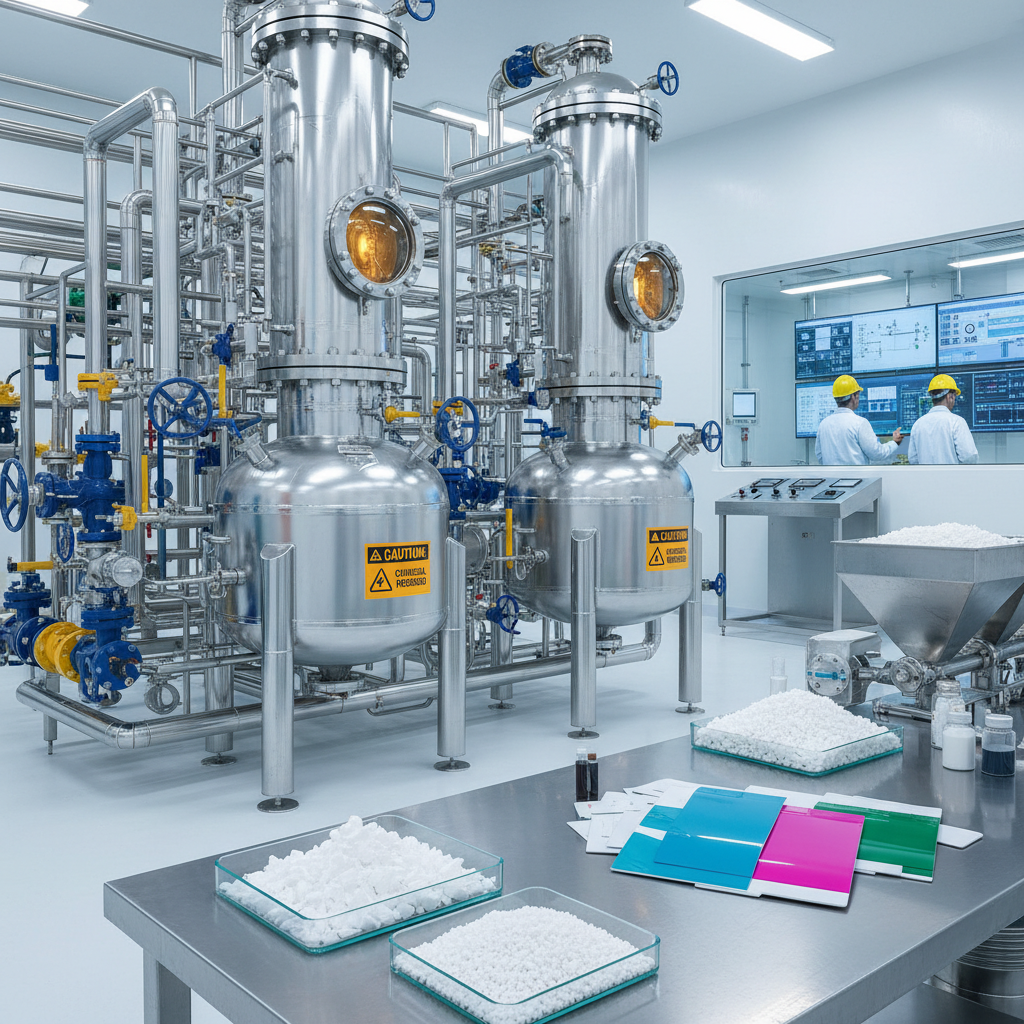
Safety and trust are also enhanced through the use of this established method. When h2so4 in glacial acetic acid is handled within closed-loop automated systems, the risk of operator exposure is minimized. This alignment with modern HSE (Health, Safety, and Environment) standards ensures that the production of food additives does not come at the cost of worker wellbeing.
Moreover, the long-term sustainability of this process is improved through catalyst recovery and neutralization techniques. By implementing efficient scrubbing and neutralization systems for the h2so4 in glacial acetic acid residues, manufacturers can reduce their environmental footprint, appealing to the growing market of eco-conscious food brands.
Future Innovations in Acid-Catalyzed Synthesis
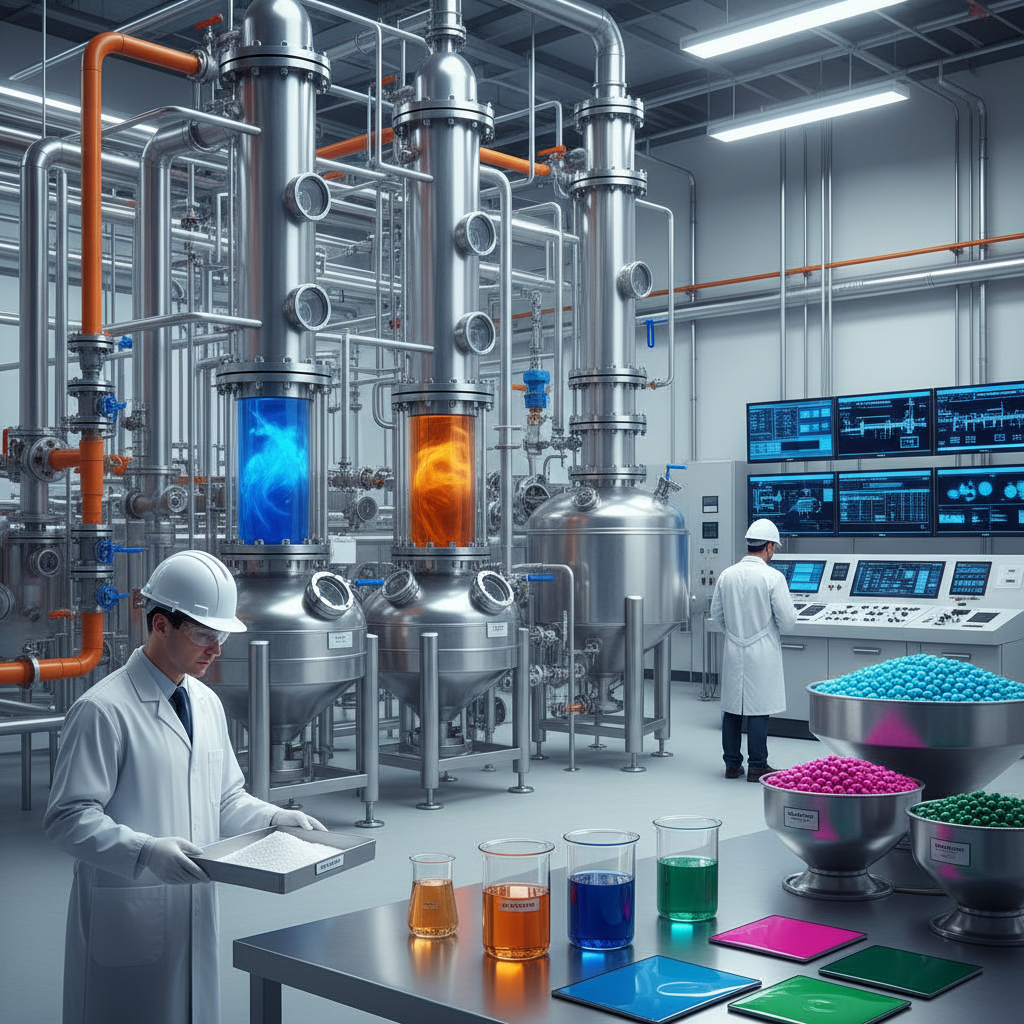
The future of h2so4 in glacial acetic acid is leaning toward the integration of digital transformation and AI-driven process control. Real-time sensors are now being deployed to monitor the concentration of the acid mixture, allowing for automatic adjustments that prevent over-catalysis and reduce the formation of impurities.
Additionally, there is a strong movement toward "Green Chemistry" where the traditional h2so4 in glacial acetic acid system is being augmented by solid-acid catalysts or ionic liquids to further minimize hazardous waste. However, the classic sulfuric acid system remains the benchmark for reliability and cost-effectiveness in the food additive sector.
As automation increases, the precision of delivering h2so4 in glacial acetic acid will allow for "micro-batch" production, enabling the synthesis of highly specialized, low-volume food additives for the nutraceutical industry without sacrificing quality or efficiency.
Comparative Analysis of h2so4 in Glacial Acetic Acid Process Variables
|
Parameter Dimension
|
Traditional Method
|
Optimized System
|
Impact on Final Product
|
| Catalyst Concentration |
Fixed Ratio |
Dynamic Adjustment |
Higher Purity |
| Temperature Control |
Manual Heating |
PID Controller |
Reduced Side-Reactions |
| Reaction Time |
12-24 Hours |
4-8 Hours |
Increased Throughput |
| Waste Generation |
High Sludge |
Recovered Acid |
Eco-Friendly Label |
| Yield Rate |
70% - 80% |
92% - 98% |
Lower Cost per Unit |
| Purification Steps |
Multiple Distillations |
Single-Stage Filtration |
Preserved Bioactivity |
FAQS
Acetic acid is a weak acid and often lacks the catalytic strength to drive esterification reactions to completion in a reasonable timeframe. Adding h2so4 in glacial acetic acid provides a strong proton source that activates the reactants, significantly increasing the reaction rate and ensuring a higher conversion yield of the final food-grade product.
Yes, provided that rigorous purification and neutralization steps are followed. In the manufacturing of food additives, h2so4 in glacial acetic acid is used as a processing aid. Once the reaction is complete, the catalyst is removed or neutralized, and the final product is tested to ensure no residual sulfuric acid remains, complying with FDA and EFSA standards.
Water is the enemy of this system. The presence of water in h2so4 in glacial acetic acid can trigger the reverse reaction (hydrolysis), leading to lower yields and the degradation of the desired ester. This is why "glacial" (anhydrous) acetic acid is mandatory to maintain the catalyst's efficiency and the product's purity.
Charring occurs due to the intense exothermic reaction when sulfuric acid is added. To prevent this, manufacturers use a controlled, slow addition process—often using a dosing pump—while keeping the solution under constant agitation and cooling. Proper temperature monitoring of h2so4 in glacial acetic acid is key to avoiding thermal decomposition.
While p-toluenesulfonic acid (pTSA) or ion-exchange resins can be used, h2so4 in glacial acetic acid remains the most cost-effective and widely available option. For most large-scale food additive plants, the superior activity and low cost of sulfuric acid make it the industry standard despite the need for careful handling.
The h2so4 in glacial acetic acid is typically removed via aqueous washing with a mild alkaline solution (like sodium bicarbonate) to neutralize the acid, followed by phase separation and vacuum distillation to isolate the pure food-grade additive.
Conclusion
The strategic application of h2so4 in glacial acetic acid serves as a cornerstone in the production of high-quality food additives and specialty chemicals. By balancing the potent catalytic power of sulfuric acid with the anhydrous environment of glacial acetic acid, manufacturers can achieve exceptional yields, ensure product purity, and maintain economic scalability. This chemical synergy not only optimizes production timelines but also upholds the stringent safety standards required for global food supply chains.
Looking forward, the industry will likely see a shift toward more automated, precision-controlled systems that further refine the use of h2so4 in glacial acetic acid to reduce waste and environmental impact. For companies seeking to enhance their production efficiency and product quality, investing in high-purity raw materials and optimized catalytic protocols is the most viable path to success. Visit our website for more professional insights and high-grade materials: www.ysxlglacialaceticacid.com




 English
  Belarusian
  Dutch
Dutch  French
  German
  Hindi
Hindi  Indonesian
  Japanese
  Korean
  Lao
Lao  Malay
Malay  Mongolian
  Myanmar
  Polish
  Portuguese
  Russian
  Spanish
  Tagalog
  Thai
Thai  Vietnamese