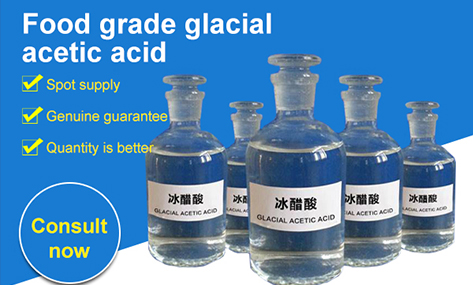
High Purity Edible Glacial Acetic Acid from welding rod company
Selecting a high-purity acidity regulator is a critical decision for food manufacturers aiming to maintain consistency in flavor and safety. Food-grade glacial acetic acid, characterized by its exceptional purity (≥ 99.8%), serves as a versatile compound seasoning and flavor enhancer across the global food industry. From the production of synthetic edible vinegar to the stabilization of condiments like mayonnaise and tomato sauce, the chemical properties of this substance—specifically its ability to form icy solids below 16.6 ℃—make it a unique asset for precision formulations. For procurement managers and food engineers, understanding the balance between molecular concentration and application-specific dilution is key to achieving the desired sensory profile in finished consumer goods.

Understanding the Chemical properties and Industrial Classification of Edible Acetic Acid
Edible acetic acid, specifically the glacial variety, is an organic compound and a typical fatty acid with the molecular formula CH3COOH. In the food additive industry, it is recognized as a specified acidity regulator, often listed under the E260 designation. The term "glacial" refers to its physical characteristic of freezing into an ice-like solid at temperatures below 16.6 ℃, a property that underscores its high purity levels. When maintained in a liquid state, it presents as a colorless liquid with a distinctive stimulating odor, reflecting its concentrated nature.
From a technical standpoint, the physical and chemical indicators are stringent. With a boiling point of 117.9 ℃ and a relative density of 1.0492, it provides a stable base for various industrial processes. The refractive index of 1.3716 allows quality control laboratories to verify purity and concentration rapidly. For manufacturers, this high content (≥ 99.8%) ensures that there are minimal impurities, which is essential for preventing off-flavors in sensitive products like baby food or high-end confectionery.

Diverse Application Scenarios in Food Processing and Flavor Enhancement
The utility of glacial acetic acid extends across multiple food categories due to its ability to act as both a sourness agent and a preservative. One of the most common applications is the production of edible vinegar. By diluting the concentrated acid with water to a concentration of approximately 4-5% and blending it with specific seasonings, manufacturers can produce a vinegar with a flavor profile remarkably similar to traditional brewed vinegar, but with greater batch-to-batch consistency.
Beyond vinegar production, it is indispensable in the following areas:
- Condiments and Sauces: Extensively used in tomato sauce, mayonnaise, and rice sugar sauce to balance sweetness and provide a sharp, clean acidity.
- Preservation: Essential for canned goods such as asparagus, sardines, and squid, where pH control is vital for microbial stability.
- Fermented Foods: Used in the preparation of kimchi and various types of pickles to maintain texture and acidity.
- Confectionery and Beverages: Diluted for use in soft drinks, candies, puddings, and gum sugar as a flavor modifier.
Strategic Procurement Considerations for Food Grade Chemical Additives
When sourcing edible ice acetic acid, procurement specialists must look beyond the price per ton and evaluate the total value chain. The primary concern is the purity level; any deviation from the ≥ 99.8% standard can introduce unwanted odors or affect the stability of the food emulsion, particularly in mayonnaise or cream-based sauces. Buyers should verify that the supplier adheres to food additive standards to ensure the product is safe for human consumption and meets the regulatory requirements of the target market.
Additionally, the handling and logistics of glacial acetic acid require specialized attention. Due to its corrosive nature in concentrated form and its tendency to solidify in cold climates, the choice of packaging and transport temperature is critical. Establishing a long-term relationship with a reliable manufacturer allows for more stable pricing and guaranteed lead times, reducing the risk of production halts in the food manufacturing plant. A supplier that values credit and abides by strict contracts is essential for maintaining a lean and efficient supply chain.
Technical Specifications and Application Suitability Matrix
| Parameter/Application | Technical Specification | Recommended Concentration | Primary Function |
|---|---|---|---|
| Purity Content | ≥ 99.8% | Pure Form | Acidity Regulation |
| Edible Vinegar | Glacial Grade | 4% - 5% | Flavor Base |
| Canned Goods | Food Grade | Application-dependent | pH Stabilization |
| Confectionery | E260 Standard | Diluted | Sourness Agent |
| Condiments | Colorless Liquid | Low to Medium | Flavor Enhancer |
Quality Control and Safety Standards in Acetic Acid Manufacturing
The manufacturing process of food-grade glacial acetic acid demands rigorous quality control to eliminate trace contaminants. The distinction between industrial-grade and food-grade acetic acid is paramount; the latter must undergo additional purification steps to ensure it is free from heavy metals and other harmful residues. This is especially critical for products destined for baby food or pharmaceutical-grade food additives, where the margin for error is zero.
Compliance with the E260 list of food additives is the gold standard for global trade. Manufacturers must implement strict monitoring of the boiling point (117.9 ℃) and melting point (16.6 ℃) to ensure the structural integrity of the chemical. By maintaining these precise physical and chemical indicators, the producer ensures that the final additive performs predictably when blended into complex food matrices, such as sugary products or sour cheese, where a slight shift in pH could alter the product's shelf life or taste.
Future Trends in Food Additives and Sustainable Sourcing
The food additive industry is moving toward greater transparency and higher purity standards. As consumer demand for "clean label" products grows, the role of precise acidity regulators like edible glacial acetic acid becomes more important. The ability to achieve a specific taste profile with minimal additives allows manufacturers to reduce the overall volume of chemicals used while maintaining the same sensory experience and safety profile.
Moreover, the industry is seeing a shift toward more integrated supply chain partnerships. Companies are no longer looking for mere vendors but for strategic partners who can offer technical support on dilution and blending. This collaborative approach helps in optimizing the use of the acid in complex recipes, such as those for cold drinks or baked goods, ensuring that the acidity is perfectly balanced to enhance flavor without overpowering the other ingredients. The future lies in the intersection of chemical purity and application expertise.
Frequently Asked Questions Regarding Edible Glacial Acetic Acid
What is the difference between edible acetic acid and industrial acetic acid?
Edible acetic acid is produced under stricter purity standards to ensure it is safe for human consumption, typically achieving a purity of ≥ 99.8% and complying with food additive lists like E260, whereas industrial grade may contain impurities unsuitable for food.
Why is it called "glacial" acetic acid?
It is called glacial because it forms an ice-like solid at temperatures below 16.6 ℃, which is a physical indicator of its high concentration and purity.
How should edible glacial acetic acid be diluted for vinegar production?
Typically, it should be diluted with water to a concentration of 4-5%, and then combined with various seasonings to create an edible vinegar with a flavor similar to brewed vinegar.
Can it be used in confectionery and baked goods?
Yes, it is used as a flavor enhancer and acid flavoring agent in candies, baked goods, pudding, and gum sugar, though it must be properly diluted first.
What are the main food applications for this product?
Common applications include tomato sauce, mayonnaise, kimchi, cheese, sugary foods, and canned products like asparagus, sardines, and squid.
What are the key technical indicators for quality verification?
Key indicators include a content of ≥ 99.8%, a melting point of 16.6 ℃, a boiling point of 117.9 ℃, and a relative density of 1.0492.
Technical References and Industry Standards
- FAO Food Safety and Quality Standards
- Codex Alimentarius International Food Standards
- European Food Safety Authority (EFSA) Guidelines
- US FDA Food Additives and Regulations
For enterprises seeking a reliable partner in the food additive sector, ensuring quality through a proven supplier is the first step toward product excellence. Whether you are formulating new condiments or optimizing existing canning processes, the right grade of acetic acid makes all the difference.
Industry Insights and Related Resources