
သတင်း
-
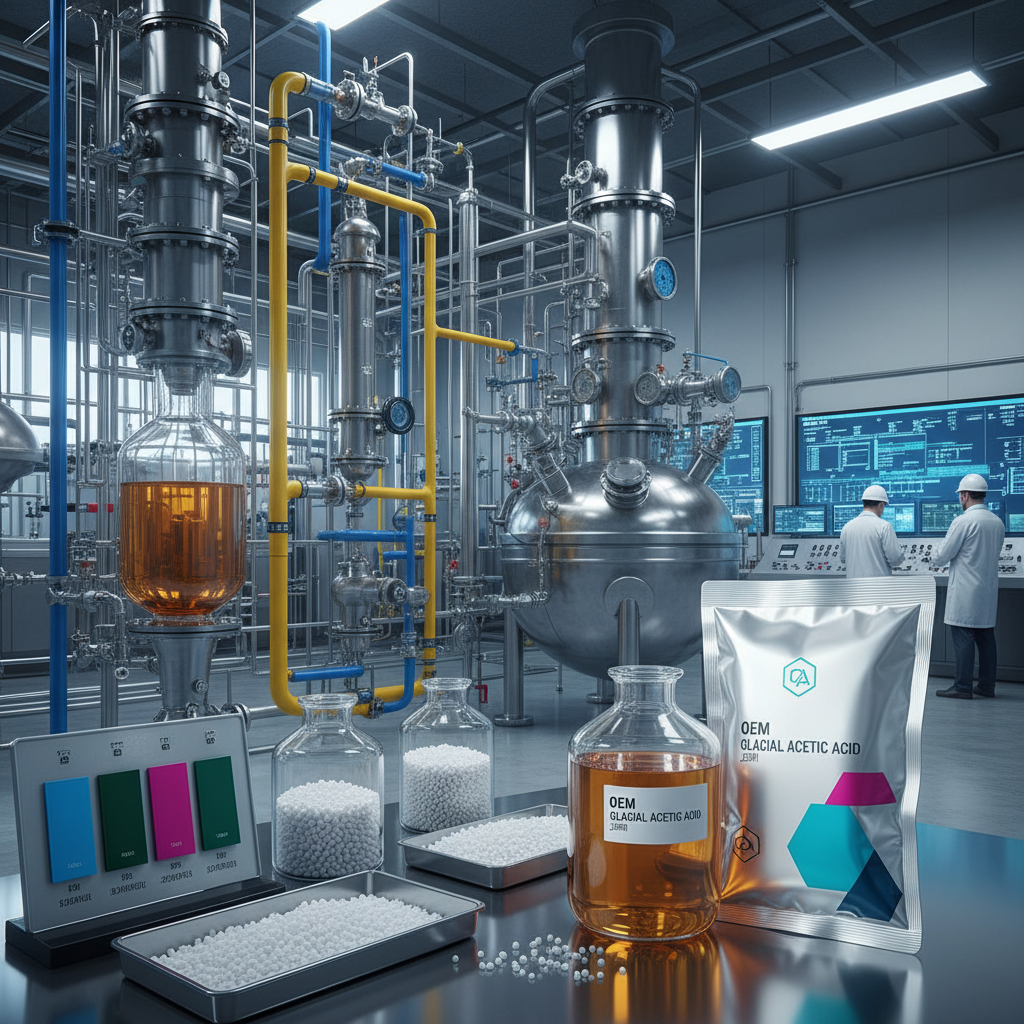 Glacial acetic acid, a highly concentrated form of acetic acid, is a crucial chemical compound used across various industries. This article delves into the world of OEM glacial acetic acid, exploring its properties, applications, quality considerations, and sourcing options. We'll focus on the benefits of Original Equipment Manufacturing (OEM) and how to choose a reliable supplier. Understanding the intricacies of glacial acetic acid is vital for industries ranging from pharmaceuticals to textiles. Glacial acetic acid is a colorless liquid with a pungent odor. Its name originates from the medieval practice of purifying acetic acid through slow freezing, which resulted in the formation of ice-like crystals – hence "glacial." It's a highly corrosive substance and must be handled with extreme care. Its chemical formula is CH₃COOH, and it's a versatile organic acid with numerous industrial applications. Purity is paramount, and typically glacial acetic acid boasts a concentration of 99% or higher. The applications of glacial acetic acid are incredibly diverse. In the pharmaceutical industry, it’s used in the production of various medicines and as a reagent in laboratory processes. The textile industry employs it for dyeing and finishing processes.ပိုပြီးဖတ်ပါ
 -
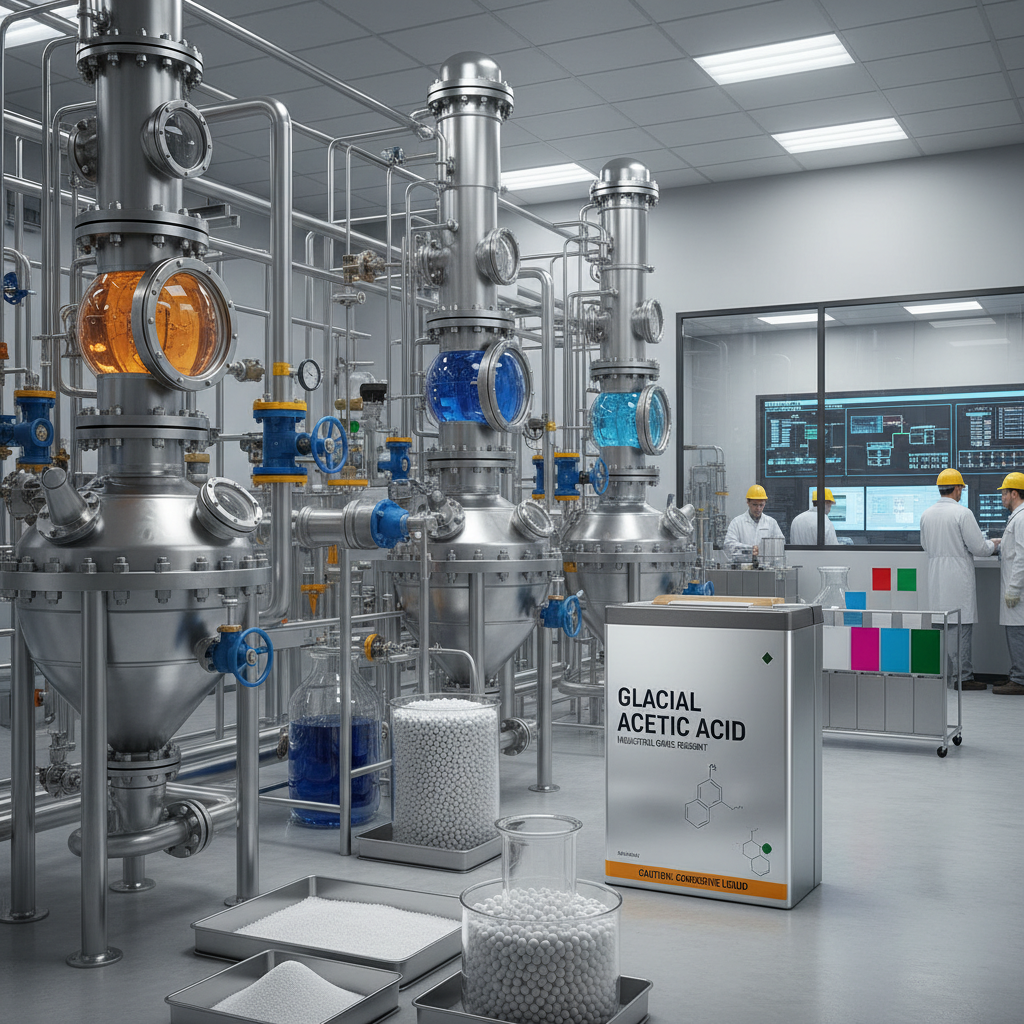 Glacial acetic acid is a crucial chemical compound utilized across a vast spectrum of industries, from pharmaceuticals and food processing to textiles and manufacturing. Understanding where to buy glacial acetic acid and ensuring its quality is paramount for successful operations. This article will provide an in-depth overview of this important chemical, its applications, purchasing considerations, and why YSXL Glacial Acetic Acid is a trusted supplier. Choosing a reliable source is key to maintaining product integrity and workplace safety. Glacial acetic acid, also known as concentrated acetic acid, is a colorless liquid with a pungent, vinegar-like odor. The term “glacial” originates from its historical purification method, where it would freeze into ice-like crystals during cooling. It's a highly concentrated solution of acetic acid (CH₃COOH), typically exceeding 99% purity. Its versatility stems from its properties as a strong organic acid, solvent, and reagent. Proper handling and storage are critical due to its corrosive nature.ပိုပြီးဖတ်ပါ
 -
Glacial acetic acid, a concentrated form of acetic acid, is a versatile chemical used across numerous industries, including pharmaceuticals, textiles, and food processing. However, its powerful properties also present significant hazards that require careful handling and strict safety protocols. Understanding these dangers is crucial for anyone working with this substance to prevent accidents and protect health. This article delves into the specific hazards associated with glacial acetic acid, detailing safety precautions and best practices for its use. Proper knowledge and adherence to safety guidelines are paramount when working with potentially corrosive chemicals like glacial acetic acid. The most prominent hazard of glacial acetic acid is its highly corrosive nature. Contact with skin can cause severe burns, ranging from redness and irritation to blistering and deep tissue damage. Eye contact is even more dangerous, potentially leading to permanent vision loss. Inhalation of acetic acid vapors can irritate the respiratory tract, causing coughing, shortness of breath, and pulmonary edema. The severity of the damage depends on the concentration of the acid, the duration of exposure, and the promptness of treatment. Always wear appropriate personal protective equipment (PPE) when handling glacial acetic acid, including gloves, safety goggles, and a respirator if ventilation is inadequate.ပိုပြီးဖတ်ပါ
-
Glacial acetic acid, a cornerstone chemical in numerous industrial processes, requires a firm grasp of its molecular structure for safe handling and effective application. This article delves into the structural formula of glacial acetic acid, its properties, applications, safety considerations, and sourcing from a reliable supplier like YSXL. Understanding this fundamental structure is critical for professionals working with this versatile compound. We'll explore how the arrangement of atoms dictates its behavior and its importance across various sectors. The structural formula of glacial acetic acid is CH₃COOH. This reveals a simple yet significant arrangement: two carbon atoms, one oxygen atom double-bonded to one of the carbons (forming a carboxyl group -COOH), three hydrogen atoms attached to the other carbon atom (forming a methyl group -CH₃), and one hydrogen atom bonded to the oxygen of the carboxyl group. This arrangement results in a polar molecule, giving glacial acetic acid its characteristic properties. The 'glacial' designation indicates a highly concentrated, nearly pure form of acetic acid, typically over 99% purity.ပိုပြီးဖတ်ပါ
-
Understanding the solubility of glacial acetic acid in water is crucial for various applications across industries, from chemical manufacturing to laboratory research. Glacial acetic acid, being a highly concentrated form of acetic acid, exhibits unique solubility characteristics. This article delves into the factors influencing this solubility, provides data on its behavior at different temperatures, and highlights its practical implications. We will explore how varying conditions affect its miscibility and what this means for its safe and effective use. Glacial acetic acid is a concentrated solution of acetic acid (CH₃COOH) containing a minimal amount of water. The term “glacial” originates from its early purification method, where it was cooled to induce crystallization, leaving behind a highly pure, ice-like solid. Typically, glacial acetic acid contains around 99.5-100% acetic acid. Its high acidity and strong odor make it a potent chemical reagent. It’s widely utilized as a solvent, reagent in organic synthesis, and as a precursor in the production of various acetate compounds.ပိုပြီးဖတ်ပါ
-
Glacial acetic acid, a highly concentrated form of acetic acid, is a crucial chemical compound with a vast range of applications across numerous industries. Renowned for its purity and strength, it serves as a key component in various manufacturing processes, laboratory procedures, and even the food industry. Understanding the properties and applications of glacial acetic acid is essential for professionals seeking optimized solutions in their respective fields. This article delves into the multifaceted uses of glacial acetic acid, highlighting its importance and providing insights into its diverse functionalities. Glacial acetic acid is a cornerstone in the chemical industry, serving as a vital reagent in the synthesis of numerous compounds. It's widely employed in the production of vinyl acetate monomer (VAM), a crucial building block for polymers used in paints, adhesives, and textiles. Furthermore, it’s integral to the manufacture of cellulose acetate, used in photographic film, cigarette filters, and textile fibers. The acid's strong acidic properties and solvent capabilities make it indispensable in various esterification, acetylation, and other chemical reactions.ပိုပြီးဖတ်ပါ
-
Glacial acetic acid, a highly concentrated form of acetic acid (typically 99% or greater), is a vital chemical in numerous industrial applications. Understanding its physical properties, including its theoretical freezing point, is crucial for safe handling, storage, and utilization. This article will delve into the factors influencing this point, its practical implications, and relevant considerations for those working with this chemical. Accurate knowledge of this property is key to preventing solidification issues and maintaining operational efficiency. Glacial refers to the fact that acetic acid crystallizes at a relatively high temperature for most acids – close to room temperature. This term originated historically when early purifications resulted in the acid solidifying, resembling a glacier. It's important to note that glacial acetic acid is not ice! It’s a corrosive liquid with a pungent odor and is widely used in the production of various compounds, including vinyl acetate monomer (VAM), acetic anhydride, and cellulose acetate. Furthermore, it functions as a solvent, a food preservative, and a key component in numerous chemical processes.ပိုပြီးဖတ်ပါ
-
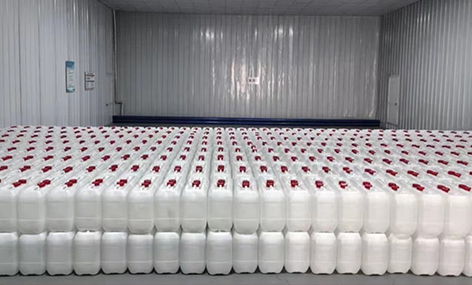 Discover high purity food-grade glacial acetic acid for safe culinary use. Trusted by Hebei Yishan Spices Co., Ltd. for versatile applications in vinegar production, flavor enhancement, and food preservation. Explore premium solutions: https://www.ysxlglacialaceticacid.com/food-grade-glacial-acetic-acid.htmlပိုပြီးဖတ်ပါ
 -
Glacial acetic acid, a highly concentrated form of acetic acid, is a vital chemical in various industries, from food processing to pharmaceuticals. While commercially produced, it's possible to create it from common vinegar through a process of distillation and concentration. This article details the methods, safety precautions, and considerations involved in making glacial acetic acid from vinegar, providing a clear understanding for those interested in this chemical process. We'll explore the equipment, techniques, and critical safety measures required for successful and safe production. Vinegar is a dilute solution of acetic acid (typically 5-8% concentration) in water. Glacial acetic acid, on the other hand, is nearly pure acetic acid (99-100%). The conversion involves increasing the concentration of acetic acid by removing water through distillation. This process relies on the differing boiling points of water (100°C / 212°F) and acetic acid (118°C / 244°F). Careful control of temperature is crucial to effectively separate the acetic acid from the water.ပိုပြီးဖတ်ပါ
-
Glacial acetic acid, a highly concentrated form of acetic acid, is a crucial chemical compound used in various industries. Understanding its production, applications, and safety considerations is vital. This article provides a detailed exploration of how to make glacial acetic acid, covering different methods, quality control, and sourcing from a reputable supplier like YSXL Glacial Acetic Acid. We’ll delve into the intricacies of this important chemical and its role in diverse applications. Glacial acetic acid (CH₃COOH) is so named because it freezes to a crystalline solid resembling ice at approximately 16.7°C (62°F). It’s a colorless liquid with a pungent, vinegary odor. Its primary use is as a chemical reagent in the production of various compounds including vinyl acetate monomer (VAM), acetic anhydride, and esters. It’s also utilized in the food industry as a preservative and flavoring agent, in the pharmaceutical industry, and in textile processing. Its high acidity makes it an effective disinfectant and cleaning agent. Sourcing high-quality glacial acetic acid from a reliable supplier like YSXL Glacial Acetic Acid ensures optimal performance in these diverse applications.ပိုပြီးဖတ်ပါ
 Myanmar
  Belarusian
  Dutch
Dutch  English
  French
  German
  Hindi
Hindi  Indonesian
  Japanese
  Korean
  Lao
Lao  Malay
Malay  Mongolian
  Polish
  Portuguese
  Russian
  Spanish
  Tagalog
  Thai
Thai  Vietnamese