
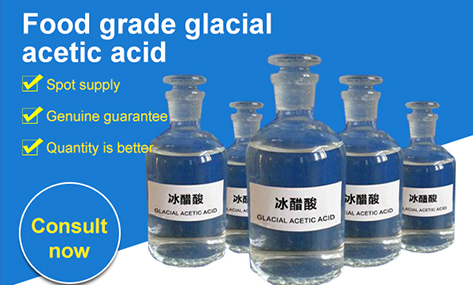
Advanced Food Grade anhydrous acetic acid Solutions for Egypt

Optimizing food preservation and additive manufacturing across the Egyptian industrial landscape with high-purity chemical reagents.

Advanced Food Grade anhydrous acetic acid Solutions for Egypt

Providing the Egyptian food manufacturing sector with ultra-pure glacial acetic acid to ensure stability, safety, and regulatory compliance in additive production.

The Current State of Food Chemical Integration in Egypt

Analyzing the intersection of Egyptian food additive demands and high-concentration acid supply chains.

Egypt's food manufacturing industry is currently undergoing a massive transition toward international export standards. The demand for glacial acetic as a critical preservative and pH regulator has spiked, especially in the Nile Delta region where agri-food processing is concentrated.

Due to the arid climate and specific humidity profiles of Egypt, the storage and handling of acoh glacial require specialized infrastructure to prevent premature degradation and ensure worker safety within manufacturing plants.

Local manufacturers are increasingly moving away from low-grade imports toward certified food-grade reagents. This shift is driven by stricter Egyptian food safety regulations and the need for precision in the synthesis of acetate-based food additives.

Evolution and Trajectory of Acetic Acid Applications

From traditional fermentation to modern synthetic precision in Egyptian food factories.

Market Development History

In the early 2000s, the Egyptian market relied heavily on diluted organic acids produced via traditional fermentation, which often lacked the purity required for complex food additive synthesis.

Between 2010 and 2020, there was a strategic shift toward the adoption of anhydrous acetic acid, allowing factories to reduce logistics costs by importing concentrated forms and performing on-site dilution.

Since 2021, the focus has shifted to "Green Chemistry," where the purity of the input reagent directly affects the carbon footprint and waste output of food manufacturing processes in Cairo and Alexandria.

Future Development Trends

Digital Precision Dosing

Integration of IoT-enabled dosing systems to manage the process of diluting glacial acetic acid, reducing human error and enhancing batch consistency.

Bio-Based Synthetic Integration

A transition toward acetic acid derived from sustainable biomass, aligning with Egypt's Vision 2030 for sustainable industrialization.

Ultra-High Purity Certification

Increased demand for "Ultra-Pure" grades that exceed standard food-grade specifications to cater to the growing organic food export market in Europe.

Industrial Outlook and Future Projections

Predicting the technological shifts in Egypt's food additive sector for the next 3-5 years.

Smart Supply Chain Integration
Implementing AI-driven demand forecasting to stabilize the supply of glacial acetic acid across Egyptian provinces.
Automated Dilution Systems
Shifting from manual mixing to closed-loop systems for diluting glacial acetic acid to enhance safety.
Regulatory Alignment
Adapting to EU and FDA standards for food additives to boost Egyptian agri-exports.
Green Chemistry Shift
Adopting carbon-neutral production methods for the synthesis of acetate additives.

Industry Outlook

Based on Google search trend analysis for "industrial chemical imports Egypt," there is a clear trajectory toward high-concentration, low-impurity reagents. Manufacturers are prioritizing efficiency and the reduction of volatile organic compound (VOC) emissions.

The synergy between the pharmaceutical and food sectors in Egypt will likely lead to a shared demand for higher-grade reagents, pushing the market toward more standardized, globally certified supply chains.

Localized Applications in Egypt's Food Sector

Practical implementation of high-purity acetic acid across diverse Egyptian food industries.

1. Pickling and Preservation of Nile Delta Produce

Using glacial acetic acid for the precise acidification of vegetable preserves, ensuring shelf-stability in Egypt's warm climate.

2. Sodium Acetate Synthesis for Bakery Goods

Utilizing anhydrous acetic acid as a precursor to produce food-grade sodium acetate, a key buffering agent in industrial baking.

3. PH Regulation in Egyptian Dairy Processing

Precise application of diluted acoh glacial to maintain consistent pH levels in cheese and yogurt production in rural Egypt.

4. Beverage Acidulant Formulations

Applying high-purity glacial acetic to create a balanced tartness profile in locally manufactured soft drinks and syrups.

5. Industrial Cleaning of Food Processing Lines

Employing the process of diluting glacial acetic acid to create effective, food-safe descaling agents for stainless steel machinery.

Brand Story

Global Development Journey of Shijiazhuang Gaocheng Xiongxing Metal Wire Co., Ltd.

Foundational Excellence

Starting as a specialized manufacturer, we built our reputation on rigorous quality control and industrial precision.

Diversification Strategy

Expanding our expertise from metallurgy to high-purity chemicals to serve the critical needs of the food additive industry.

Global Quality Integration

Implementing international standards to ensure our reagents meet the strictest food-grade requirements globally.

Egyptian Market Entry

Establishing a robust logistics network to provide seamless delivery of acetic acid solutions to the heart of Egypt.

Sustainable Future Vision

Committing to green chemistry and providing Egyptian manufacturers with eco-friendly, high-efficiency chemical solutions.

Comprehensive Product Portfolio for Egypt

A full range of high-purity acetic acid derivatives tailored for food and pharmaceutical manufacturing.

Frequently Asked Questions for the Egyptian Market

Technical guidance and commercial clarity for food additive manufacturers.

What is the best method for diluting glacial acetic acid in industrial food settings?

Always add the acid to water slowly while stirring in a temperature-controlled environment to manage the exothermic reaction, ensuring the safety of the facility operators.

How does anhydrous acetic acid differ from standard food-grade vinegar?

Anhydrous acetic acid is a nearly 100% pure concentration, used as a chemical precursor, whereas vinegar is a diluted solution typically around 5-8% acidity.

What certifications are required for importing acoh glacial into Egypt?

Imports typically require a Certificate of Analysis (CoA), MSDS, and food-grade certification complying with Egyptian food safety authority standards.

Can glacial acetic be used for organic food certification in Egypt?

Yes, provided the acetic acid is derived from natural fermentation and the manufacturer provides full traceability and purity documentation.

What are the storage requirements for glacial acetic acid in high-temperature regions?

Store in cool, well-ventilated areas using corrosion-resistant containers (like high-density polyethylene) to prevent degradation and vapor buildup.

How does high-purity acetic acid impact the shelf life of Egyptian exports?

Using high-purity reagents reduces the presence of impurities that can catalyze spoilage, thereby extending the shelf life and improving the quality of exported goods.

Partner with Egypt's Leading Acid Supplier

Ready to optimize your food additive production in Egypt? Our technical experts are here to provide the high-purity solutions your business deserves.

Contact Us Now

If you are interested in our products, you can choose to leave your information here, and we will be in touch with you shortly.