
Apr . 04, 2026 02:15 Back to list
Comprehensive Guide to 5 Glacial Acetic Acid for International Trade and Industrial Applications
5 Glacial Acetic Acid: A Comprehensive Guide for Cross-Border Trade
5 Glacial Acetic Acid is a crucial chemical compound with widespread applications across various industries. This article provides a detailed overview of its properties, uses, handling procedures, and considerations for international trade, particularly focusing on sourcing from a reliable supplier like YSXL Glacial Acetic Acid. Understanding the intricacies of this chemical is vital for businesses involved in its import and export. We'll cover everything from its chemical makeup to safe handling practices, offering valuable insights for a smooth and compliant trade experience.
Understanding the Chemical Properties of 5 Glacial Acetic Acid
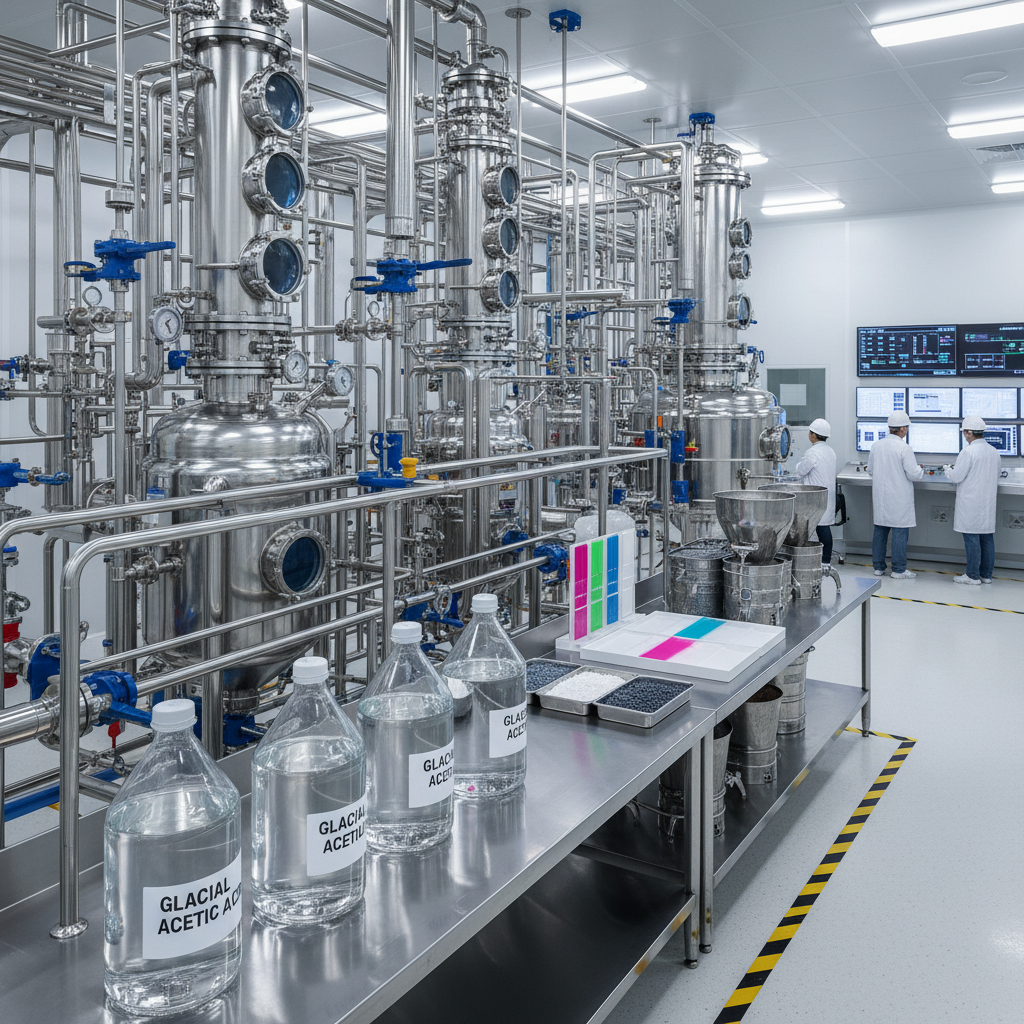
5 Glacial Acetic Acid (CH₃COOH) is a colorless liquid with a pungent odor. The term "glacial" refers to its high concentration – essentially, it’s nearly 100% acetic acid. It’s a strong organic acid, highly soluble in water, and miscible with many other organic solvents. Its key properties include a relatively low freezing point (around 16°C / 61°F) and a boiling point of approximately 118°C (244°F). The reactivity of glacial acetic acid makes it a valuable reagent in numerous chemical processes. Its strong acidic nature demands careful handling and storage, which we will discuss further.
Key Highlights: Highly concentrated acetic acid, strong organic acid, readily soluble in water, and exhibits a characteristic pungent odor. Requires careful handling due to its corrosive nature.
Applications Across Industries – Why 5 Glacial Acetic Acid is in Demand
The versatility of 5 Glacial Acetic Acid drives its demand across a broad spectrum of industries. It's a vital component in the production of vinyl acetate monomer (VAM), a key ingredient in paints, adhesives, and textiles. In the food industry, it functions as a preservative and flavoring agent. The pharmaceutical industry utilizes it in the synthesis of various drugs. Furthermore, it finds applications in the production of cellulose acetate, used in photographic film and cigarette filters. The demand for high-quality YSXL Glacial Acetic Acid is consistently growing due to its purity and reliability.
Key Applications:
• Production of Vinyl Acetate Monomer (VAM)
• Food Preservation and Flavoring
• Pharmaceutical Synthesis
• Cellulose Acetate Production
5 Glacial Acetic Acid Grades: Understanding the Differences
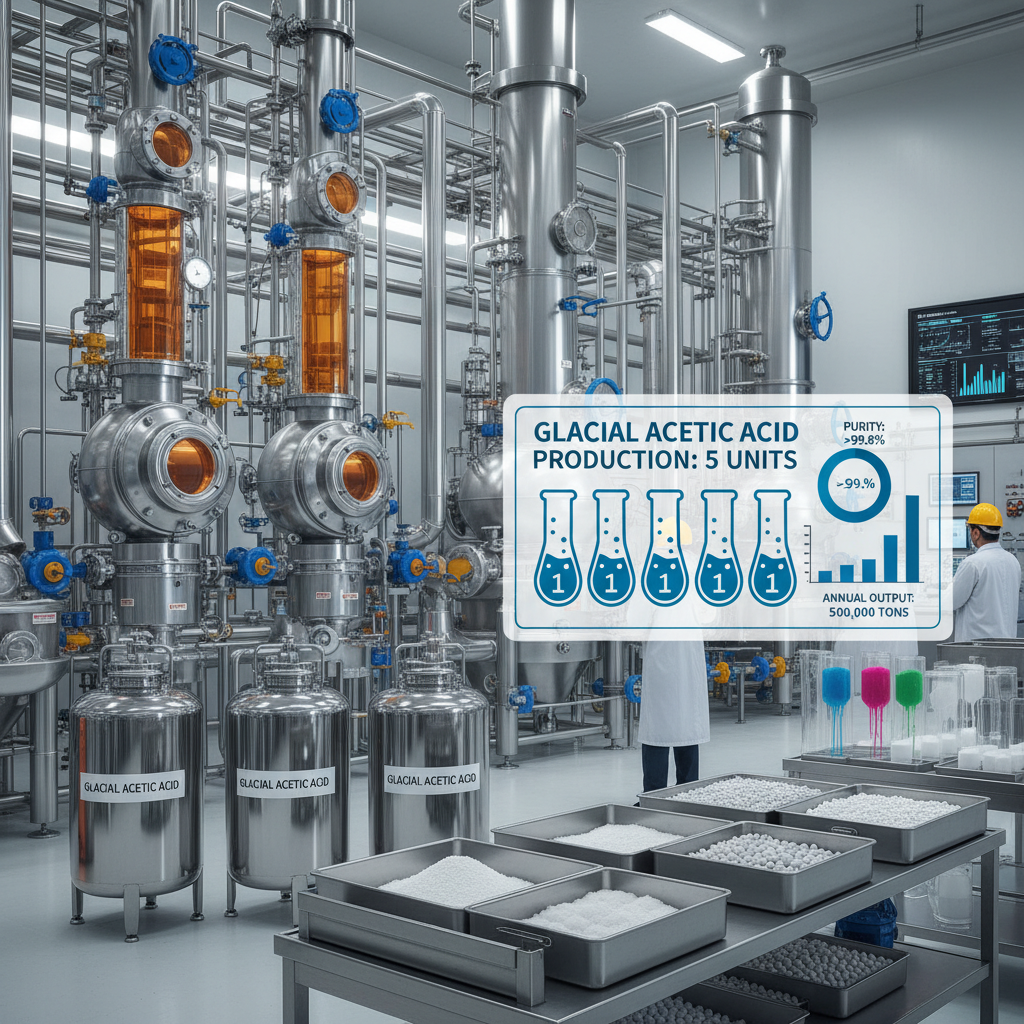
Different applications require varying levels of purity. 5 Glacial Acetic Acid is available in several grades, primarily classified by its purity level and intended use. These include: Technical Grade (typically 98% purity), used for industrial applications; Purified Grade (99.5% purity), suitable for many chemical processes; and Reagent Grade (99.8% or higher purity), used in laboratory settings and pharmaceutical applications. YSXL Glacial Acetic Acid provides detailed specifications for each grade, ensuring customers select the optimal product for their specific needs.
Safe Handling and Storage of 5 Glacial Acetic Acid
Due to its corrosive nature, 5 Glacial Acetic Acid requires strict adherence to safety protocols. Always wear appropriate personal protective equipment (PPE), including gloves, safety glasses, and a lab coat. Work in a well-ventilated area to avoid inhaling fumes. Store the acid in tightly sealed, corrosion-resistant containers away from heat, ignition sources, and incompatible materials such as strong bases and oxidizing agents. Refer to the Safety Data Sheet (SDS) provided by YSXL for comprehensive safety guidelines.
Cross-Border Trade Considerations for 5 Glacial Acetic Acid
Importing and exporting 5 Glacial Acetic Acid necessitates thorough understanding of international regulations. Classification as a hazardous material requires adherence to specific packaging, labeling, and transportation requirements, such as those outlined by the International Maritime Dangerous Goods (IMDG) code or the International Air Transport Association (IATA). Proper documentation, including the SDS and customs declarations, is crucial for a smooth clearance process. Partnering with a reputable supplier like YSXL Glacial Acetic Acid simplifies this process by ensuring compliance with all relevant regulations.
Conclusion: Sourcing Reliable 5 Glacial Acetic Acid for Global Trade
Sourcing high-quality 5 Glacial Acetic Acid is paramount for businesses operating across borders. Choosing a supplier committed to quality, safety, and regulatory compliance, such as YSXL Glacial Acetic Acid, ensures a reliable supply chain and minimizes potential risks. By understanding the chemical properties, applications, and trade regulations associated with this essential chemical, companies can optimize their operations and achieve sustainable growth.
Frequently Asked Questions (FAQs)
What are the primary hazards associated with 5 Glacial Acetic Acid?
5 Glacial Acetic Acid is a corrosive substance and poses several hazards. Contact with skin or eyes can cause severe burns. Inhalation of its vapors can irritate the respiratory tract. It's also flammable and can ignite if exposed to heat or open flames. Therefore, proper handling, ventilation, and personal protective equipment (PPE) are absolutely essential when working with this chemical. Always consult the Safety Data Sheet (SDS) for detailed hazard information and emergency procedures.
What type of packaging is recommended for shipping 5 Glacial Acetic Acid?
Given its corrosive nature, 5 Glacial Acetic Acid must be packaged in UN-approved containers specifically designed for transporting hazardous materials. These containers are typically made of high-density polyethylene (HDPE) or other compatible materials. The containers should be tightly sealed, properly labeled with hazard warnings, and adequately cushioned to prevent damage during transit. Compliance with IMDG (sea) or IATA (air) regulations is crucial for international shipments.
Are there any specific import duties or taxes associated with 5 Glacial Acetic Acid?
Import duties and taxes on 5 Glacial Acetic Acid vary significantly depending on the importing country and its trade agreements. Generally, it’s classified as a chemical product and is subject to standard import duties and potentially value-added tax (VAT). It is recommended to consult with a customs broker or import specialist to determine the applicable tariffs and regulations in your specific location. The YSXL export team can often provide guidance on import requirements for various countries.
What is the shelf life of 5 Glacial Acetic Acid?
When stored properly in tightly sealed containers, away from direct sunlight and moisture, 5 Glacial Acetic Acid has a relatively long shelf life. However, it's generally recommended to use it within 2-3 years of the manufacturing date to ensure optimal purity and effectiveness. Over time, it can absorb moisture from the air, reducing its concentration. Always check the product label for the specific expiration date and store it according to the manufacturer's instructions.
-
Industrial Applications and Properties of 75 acetic acid Solution
NewsApr.16,2026
-
Properties and Industrial Applications of 64 19 7 acetic acid
NewsApr.09,2026
-
Comprehensive Guide to 56 Acetic Acid Applications and Reliable Sourcing
NewsApr.07,2026
-
Comprehensive Guide to 5 Glacial Acetic Acid for International Trade and Industrial Applications
NewsApr.04,2026
-
Exploring 100 Acetic Acid Properties Applications and Reliable Sourcing
NewsMar.31,2026
-
Comprehensive Guide to 10 Glacial Acetic Acid Properties and Applications
NewsMar.28,2026
 English
  Belarusian
  Dutch
Dutch  French
  German
  Hindi
Hindi  Indonesian
  Japanese
  Korean
  Lao
Lao  Malay
Malay  Mongolian
  Myanmar
  Polish
  Portuguese
  Russian
  Spanish
  Tagalog
  Thai
Thai  Vietnamese