
Mar . 21, 2026 02:05 Back to list
Comprehensive Guide to Anhydrous Acetic Acid for Global Trade and Industrial Applications
Anhydrous Acetic Acid: A Comprehensive Guide for Global Trade
Anhydrous acetic acid is a crucial chemical compound widely used across numerous industries, from pharmaceuticals to textiles and food processing. Its versatility and high purity make it a sought-after commodity in international trade. This article delves into the properties, applications, handling, and sourcing of anhydrous acetic acid, specifically tailored for businesses involved in global trading. Understanding these aspects is key to successful procurement and utilization of this vital chemical. We’ll also cover key considerations for safety and regulatory compliance when importing or exporting this important product.
Understanding the Chemical Properties of Anhydrous Acetic Acid
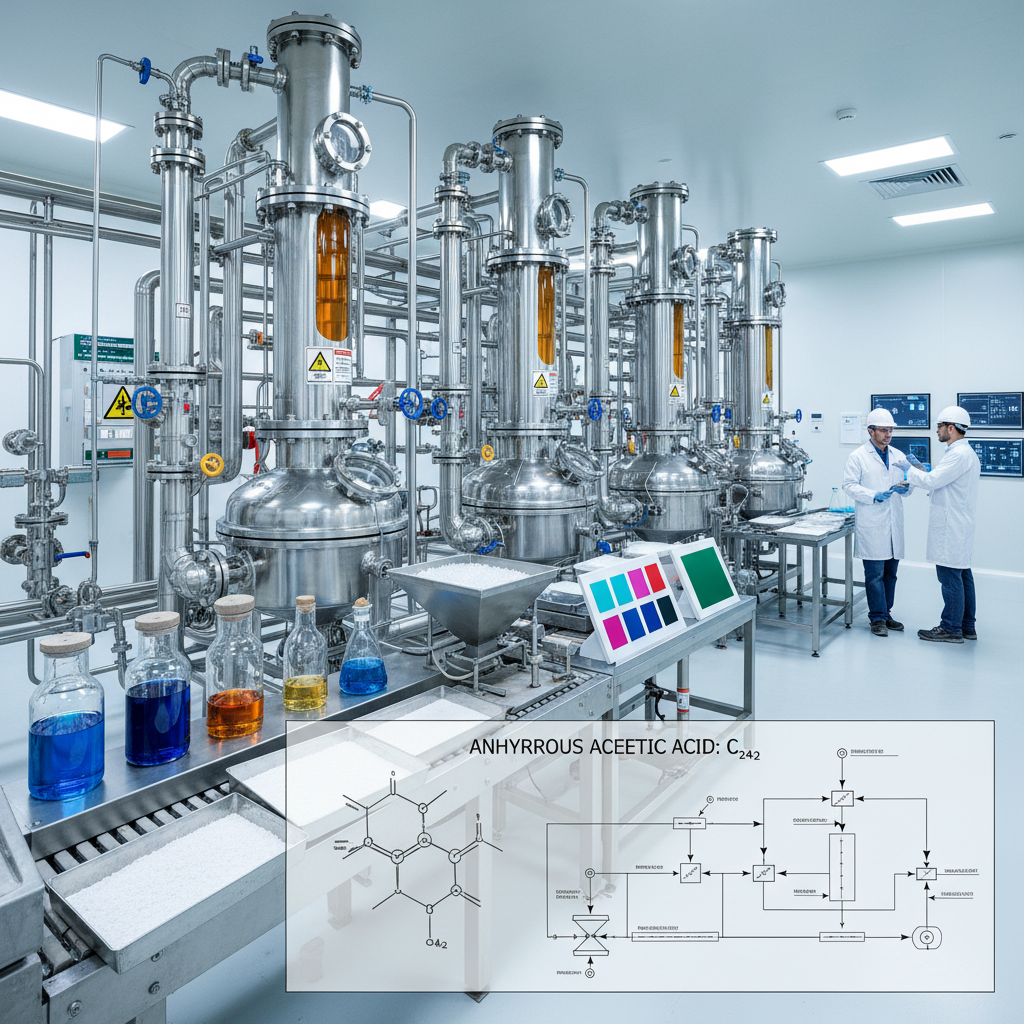
Anhydrous acetic acid (CH₃COOH) is a colorless liquid with a pungent, vinegar-like odor. The term "anhydrous" signifies that it contains virtually no water – typically less than 0.1%. This high purity is critical for many applications. It’s a strong organic acid, miscible with water, alcohol, ether, and many other solvents. Its key properties include a boiling point of 118°C (244°F) and a freezing point of 16.7°C (62°F). These properties influence its handling, storage, and transportation requirements. Proper understanding of these parameters is crucial for safe and efficient operation. YSXL Glacial Acetic Acid offers high-quality anhydrous acetic acid meeting stringent purity standards.
Key Highlights: Anhydrous acetic acid is a colorless liquid with a pungent odor, miscible with many common solvents, and is essential for numerous industrial processes.
Key Applications Driving Global Demand for Anhydrous Acetic Acid
The demand for anhydrous acetic acid stems from its diverse applications. It’s a primary ingredient in the production of vinyl acetate monomer (VAM), used in paints, adhesives, and textiles. It's also vital in the manufacturing of cellulose acetate, used in photographic film and cigarette filters. Furthermore, it serves as a solvent in the pharmaceutical industry and a reagent in chemical synthesis. The food industry utilizes it as a preservative and flavoring agent. The increasing demand from these sectors fuels consistent global trade. Contact YSXL for reliable supply of anhydrous acetic acid for your specific application.
Application Breakdown:
• Vinyl Acetate Monomer (VAM): 40-50%
• Cellulose Acetate: 20-30%
• Pharmaceutical & Chemical Synthesis: 10-15%
• Food Industry: 5-10%
Anhydrous Acetic Acid: Product Specifications & Quality Control
Ensuring the quality of anhydrous acetic acid is paramount for its effective use. Key specifications include purity (typically ≥ 99.8%), water content (≤ 0.1%), color (APHA ≤ 10), and assay (acidimetric titration). Rigorous quality control measures, including gas chromatography and titration, are essential to meet these standards. Reliable suppliers like YSXL Glacial Acetic Acid provide detailed certificates of analysis (COA) with each batch.
Safe Handling and Transportation of Anhydrous Acetic Acid
Anhydrous acetic acid is corrosive and requires careful handling. Personal protective equipment (PPE), including gloves, goggles, and a face shield, is essential. It should be stored in tightly closed containers in a cool, well-ventilated area, away from incompatible materials such as strong oxidizers and bases. Transportation must comply with relevant regulations (IMDG, ADR, etc.). Proper labeling and documentation are crucial for smooth customs clearance. YSXL provides comprehensive safety data sheets (SDS) and ensures compliance with international transportation standards.
Navigating Import/Export Regulations for Acetic Acid
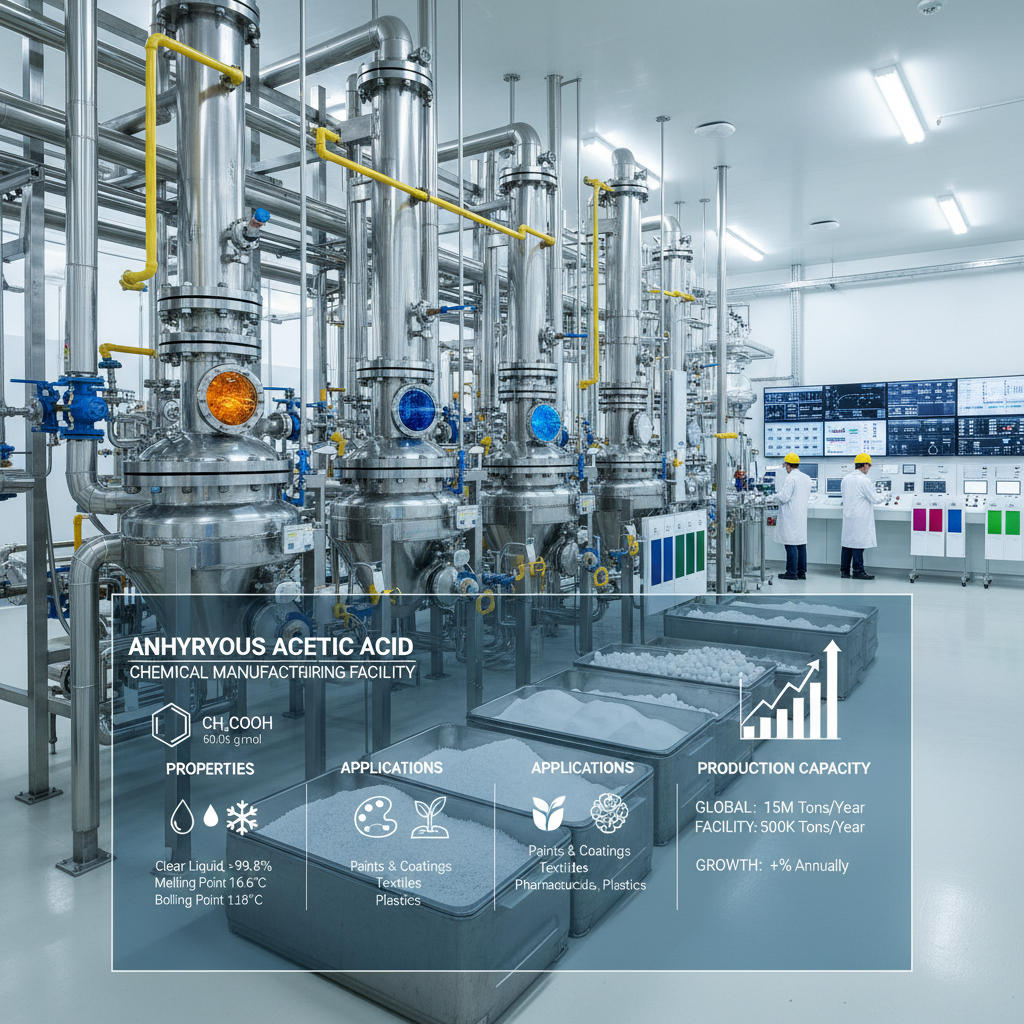
Importing and exporting anhydrous acetic acid involves navigating a complex web of regulations. These vary by country and may include import licenses, customs duties, and adherence to specific chemical control laws. Accurate documentation, including commercial invoices, packing lists, and SDS, is essential. Staying informed about changes in regulations is crucial to avoid delays or penalties. Partnering with a reputable supplier like YSXL Glacial Acetic Acid, with experience in international trade, can streamline this process.
Conclusion: Your Trusted Partner for Anhydrous Acetic Acid
Sourcing high-quality anhydrous acetic acid requires careful consideration of purity, safety, and regulatory compliance. YSXL Glacial Acetic Acid stands as a reliable partner, offering consistent quality, competitive pricing, and expert support for your global trading needs. Choose a supplier committed to excellence and build a secure supply chain for this essential chemical.
Frequently Asked Questions (FAQs)
What is the shelf life of anhydrous acetic acid?
Typically, anhydrous acetic acid has a long shelf life if stored properly in sealed containers, protected from moisture and direct sunlight. However, it's generally recommended to use it within 2-3 years of the manufacturing date to ensure optimal purity. Over time, it can absorb moisture from the air, reducing its concentration. Regular quality control checks are advisable for long-term storage.
What are the primary hazards associated with handling anhydrous acetic acid?
Anhydrous acetic acid is corrosive and can cause severe burns to skin and eyes. Inhalation of its vapors can irritate the respiratory system. It’s also a flammable liquid. Therefore, it’s critical to wear appropriate PPE, work in a well-ventilated area, and avoid contact with incompatible materials. Always refer to the Safety Data Sheet (SDS) for detailed hazard information and safety precautions.
Can YSXL assist with customs clearance and import/export documentation?
Yes, YSXL Glacial Acetic Acid has extensive experience in international trade and can provide assistance with customs clearance and preparation of necessary import/export documentation. Our team can guide you through the regulatory requirements and ensure a smooth transaction. We can also provide all required certifications and analyses.
What packaging options are available for anhydrous acetic acid?
Anhydrous acetic acid is typically packaged in high-density polyethylene (HDPE) drums, IBCs (Intermediate Bulk Containers), and ISO tanks, depending on the quantity required. The packaging is designed to ensure safe transportation and prevent leakage or contamination. YSXL offers various packaging options to meet your specific needs.
-
Industrial Applications and Properties of 75 acetic acid Solution
NewsApr.16,2026
-
Properties and Industrial Applications of 64 19 7 acetic acid
NewsApr.09,2026
-
Comprehensive Guide to 56 Acetic Acid Applications and Reliable Sourcing
NewsApr.07,2026
-
Comprehensive Guide to 5 Glacial Acetic Acid for International Trade and Industrial Applications
NewsApr.04,2026
-
Exploring 100 Acetic Acid Properties Applications and Reliable Sourcing
NewsMar.31,2026
-
Comprehensive Guide to 10 Glacial Acetic Acid Properties and Applications
NewsMar.28,2026
 English
  Belarusian
  Dutch
Dutch  French
  German
  Hindi
Hindi  Indonesian
  Japanese
  Korean
  Lao
Lao  Malay
Malay  Mongolian
  Myanmar
  Polish
  Portuguese
  Russian
  Spanish
  Tagalog
  Thai
Thai  Vietnamese