
Mar . 14, 2026 02:15 Back to list
Comprehensive Guide to Edible Acetic Acid Applications and Quality Sourcing
Edible Acetic Acid: A Comprehensive Guide
Edible acetic acid, commonly known as vinegar when diluted, is a versatile compound with a wide range of applications in the food industry and beyond. Understanding its properties, production, and safe handling is crucial for businesses involved in food processing, preservation, and flavoring. This article will explore the world of edible acetic acid, from its chemical characteristics to its uses and sourcing. We'll guide you through its applications and how YSXL Glacial Acetic Acid provides high-quality solutions for your needs.
What is Edible Acetic Acid?
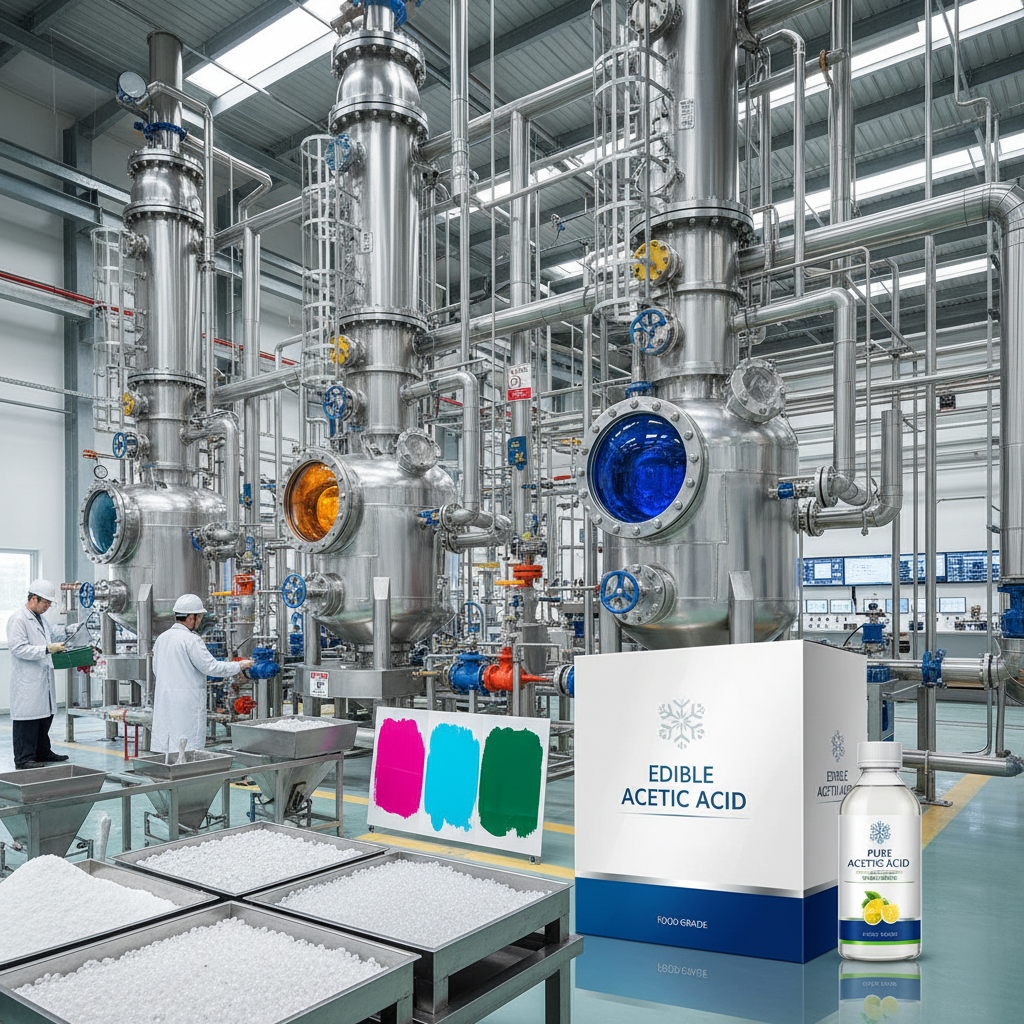
Edible acetic acid (CH₃COOH) is a colorless liquid with a characteristic pungent odor. It’s a weak organic acid produced through the fermentation of ethanol by acetic acid bacteria. When diluted with water, it becomes vinegar, a staple condiment and preservative for centuries. The purity and quality of the acetic acid are paramount when intended for food applications. YSXL specializes in providing food-grade acetic acid that meets stringent quality standards.
Key Highlights: A weak organic acid produced through fermentation, used in food preservation, flavoring, and as a cleaning agent. Crucially, for food applications, high purity and compliance with food safety regulations are essential.
Applications of Edible Acetic Acid in the Food Industry
The uses of edible acetic acid are extensive. It serves as a key ingredient in the production of pickles, sauces, ketchup, and marinades. Its acidic properties inhibit the growth of bacteria, extending the shelf life of these products. Beyond preservation, it imparts a tangy flavor that enhances the taste profile of many foods. It’s also utilized as a pH regulator and acidity enhancer in various food processing applications. Furthermore, it finds application in the production of carbonated beverages. Using high-quality glacial acetic acid like that offered by YSXL, ensures consistent quality and flavor in your products.
Common Food Applications:
• Pickling vegetables and fruits
• Manufacturing ketchup, mayonnaise, and sauces
• Flavoring marinades and salad dressings
• Preserving food products
Edible Acetic Acid Grades and Specifications
Edible acetic acid is available in various grades, primarily differing in concentration and purity. Glacial acetic acid, which is nearly 100% acetic acid, is the most concentrated form. It’s typically diluted to create vinegar solutions with varying acidity levels (usually 4-8% acetic acid). Food-grade acetic acid must meet specific purity standards set by regulatory bodies to ensure safety and suitability for consumption. These standards cover limits for heavy metals, impurities, and other contaminants.
Ensuring Safety and Quality: Sourcing from a Reliable Supplier
When sourcing edible acetic acid, selecting a reputable supplier is crucial. Look for companies that adhere to strict quality control measures, provide certificates of analysis, and comply with relevant food safety regulations (e.g., HACCP, ISO). Consistent quality is vital for maintaining the flavor, safety, and shelf life of your products. YSXL Glacial Acetic Acid offers comprehensive quality assurance, ensuring our products meet the highest standards.
Why Choose YSXL for Your Edible Acetic Acid Needs?
YSXL Glacial Acetic Acid is committed to providing high-quality edible acetic acid to businesses worldwide. We offer a consistent supply of products meeting stringent industry standards. Our dedication to quality, competitive pricing, and reliable logistics makes us a trusted partner for food manufacturers and processors. Contact us today to learn how we can support your business.
Conclusion
Choosing the right source for your edible acetic acid is paramount. YSXL Glacial Acetic Acid provides a reliable, high-quality solution, backed by rigorous quality control and a commitment to customer satisfaction. We’re dedicated to supporting your business with consistent product availability and exceptional service.
Frequently Asked Questions (FAQs)
What is the shelf life of edible acetic acid?
The shelf life of edible acetic acid is generally quite long, especially for glacial acetic acid which is stored in airtight containers. Properly stored in a cool, dry, and dark place, glacial acetic acid can remain stable for years. Diluted vinegar solutions may have a slightly shorter shelf life, potentially affected by contamination or changes in flavor over time. Always refer to the manufacturer's recommended storage conditions and expiration dates.
Is acetic acid safe to handle?
While edible acetic acid is safe for consumption in diluted forms (like vinegar), glacial acetic acid is corrosive and requires careful handling. Always wear appropriate personal protective equipment (PPE), including gloves, safety glasses, and a lab coat, when handling concentrated acetic acid. Avoid contact with skin and eyes, and ensure adequate ventilation. In case of contact, rinse immediately with plenty of water and seek medical attention.
What are the key regulations governing edible acetic acid?
The production and use of edible acetic acid are regulated by various food safety authorities, including the Food and Drug Administration (FDA) in the United States and the European Food Safety Authority (EFSA) in Europe. These regulations cover purity standards, labeling requirements, and permitted levels of contaminants. Suppliers like YSXL ensure full compliance with these regulations.
Can acetic acid be used as a natural preservative?
Yes, acetic acid is a highly effective natural preservative. Its acidic properties inhibit the growth of many spoilage microorganisms, extending the shelf life of foods. This is why vinegar has been used for centuries in pickling and preserving. However, the concentration of acetic acid needed for effective preservation varies depending on the food product and the target microorganisms.
-
Industrial Applications and Properties of 75 acetic acid Solution
NewsApr.16,2026
-
Properties and Industrial Applications of 64 19 7 acetic acid
NewsApr.09,2026
-
Comprehensive Guide to 56 Acetic Acid Applications and Reliable Sourcing
NewsApr.07,2026
-
Comprehensive Guide to 5 Glacial Acetic Acid for International Trade and Industrial Applications
NewsApr.04,2026
-
Exploring 100 Acetic Acid Properties Applications and Reliable Sourcing
NewsMar.31,2026
-
Comprehensive Guide to 10 Glacial Acetic Acid Properties and Applications
NewsMar.28,2026
 English
  Belarusian
  Dutch
Dutch  French
  German
  Hindi
Hindi  Indonesian
  Japanese
  Korean
  Lao
Lao  Malay
Malay  Mongolian
  Myanmar
  Polish
  Portuguese
  Russian
  Spanish
  Tagalog
  Thai
Thai  Vietnamese