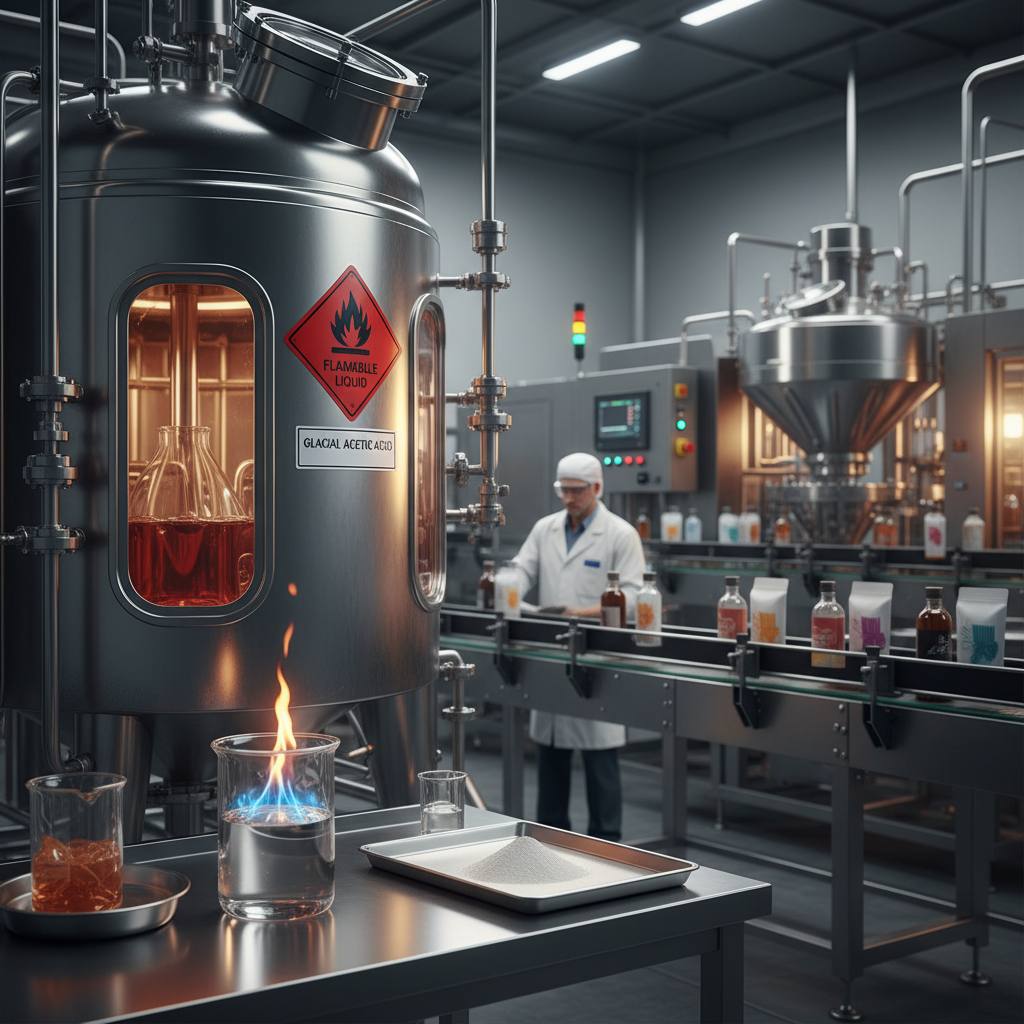
Understanding the properties of food-grade chemicals is paramount for safety in industrial food manufacturing. When discussing whether glacial acetic acid flammable properties are a concern, it is essential to recognize that while it is a powerful organic acid, its flammability is a critical factor in storage and handling protocols globally.
In the high-stakes environment of food additive production, the risk associated with glacial acetic acid flammable characteristics must be managed through rigorous engineering controls. From the acidification of preserves to the synthesis of esters, the industry relies on this concentrated form of acetic acid, making the intersection of chemical efficacy and fire safety a top priority for plant managers.
Globally, the adherence to ISO and GHS standards ensures that the hazards of glacial acetic acid flammable substances are clearly communicated. By implementing a "safety-first" approach, manufacturers can leverage the high purity of this product to enhance food shelf-life and quality while eliminating the risks of combustion in the workplace.
Global Safety Standards for Glacial Acetic Acid Flammable Risks
The global food additive industry operates under strict regulatory frameworks to mitigate the risks associated with glacial acetic acid flammable properties. According to international safety data sheets (SDS), the flash point of glacial acetic acid—approximately 39°C (102°F)—places it in a category that requires specialized ventilation and spark-proof equipment to prevent accidental ignition in warm industrial climates.
Compliance with the Globally Harmonized System (GHS) ensures that every container of food-grade acid is labeled with precise warnings regarding its combustible nature. By integrating these standards into the supply chain, companies can ensure that the transition from the manufacturing plant to the food processing facility occurs without incident, maintaining the integrity of the global food supply.
Defining the Chemical Nature of Glacial Acetic Acid Flammable
In simple terms, the term "glacial" refers to the high concentration (usually >99%) of the acid, which allows it to freeze into ice-like crystals at low temperatures. When we discuss whether glacial acetic acid flammable, we are referring to its ability to produce vapors that can ignite when exposed to an open flame or high-energy spark, particularly when the ambient temperature exceeds its flash point.
This chemical characteristic is not a flaw, but a property of the organic structure of acetic acid. In modern food manufacturing, this purity is essential for creating consistent pH levels in preservatives and flavor enhancers, provided the facility is designed to handle flammable liquids safely.
Understanding this definition is crucial for warehouse personnel. The distinction between diluted vinegar and glacial acetic acid is stark; the latter requires non-sparking tools and grounded containers to avoid the buildup of static electricity, which could otherwise act as an ignition source for the flammable vapors.
Core Components of Flammability Management
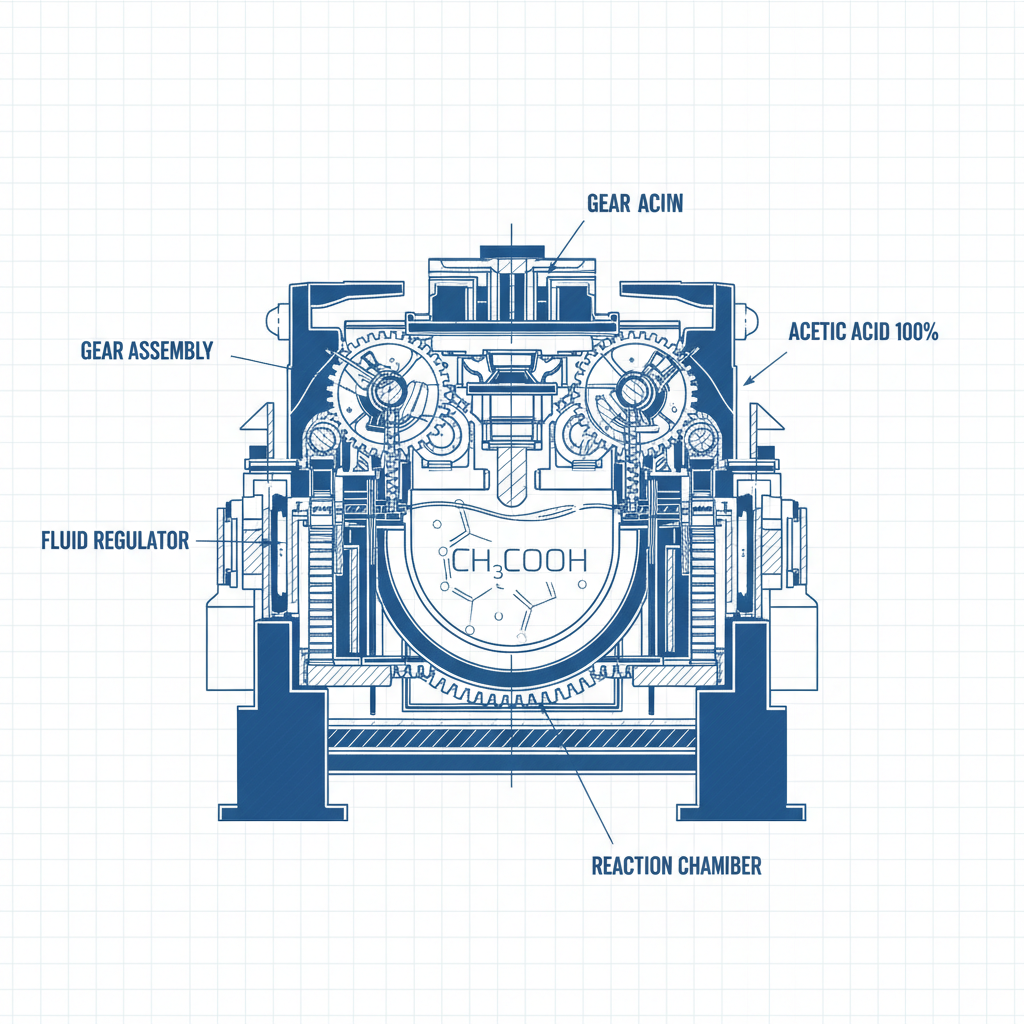
Effective management of glacial acetic acid flammable risks begins with Vapor Control. High-efficiency exhaust systems are required to keep the concentration of acetic acid vapors below the Lower Explosive Limit (LEL), ensuring that the air remains safe for workers and free from combustible mixtures.
Another core component is Temperature Stabilization. Since the flammability of glacial acetic acid increases with temperature, maintaining a cool, climate-controlled storage environment is the most effective way to keep the liquid well below its flash point, thereby reducing the probability of fire.
Finally, Material Compatibility plays a vital role. Using stainless steel or high-density polyethylene (HDPE) prevents corrosion, which in turn prevents leaks. A leak of a glacial acetic acid flammable liquid could lead to an uncontrolled spread of fuel in the event of a minor spark, making container integrity the first line of defense.
Industrial Applications and Safety Scalability
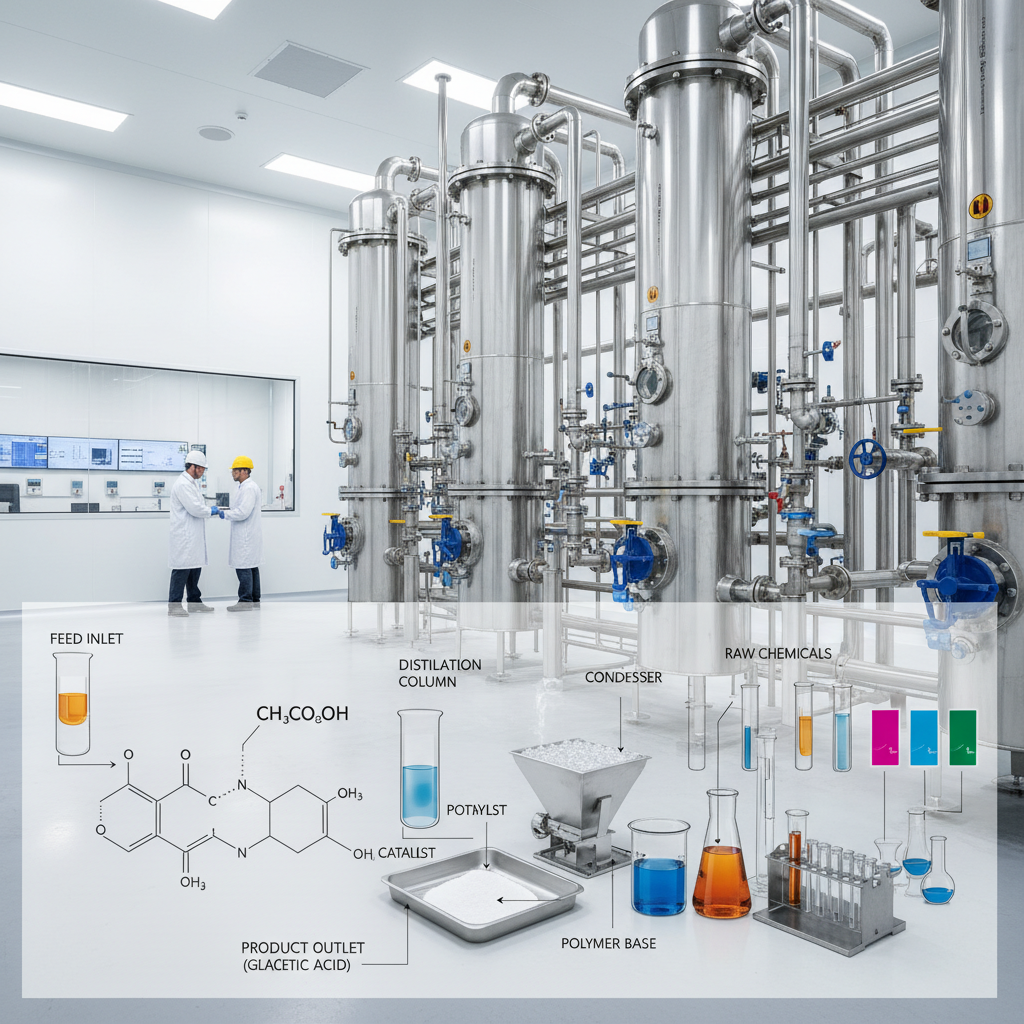
In the food industry, the use of glacial acetic acid extends from the production of synthetic flavorings to the large-scale pickling of vegetables. The ability to scale these operations depends entirely on how a facility handles the glacial acetic acid flammable risk. In remote industrial zones, where emergency response times may be slower, automated fire suppression systems tailored for organic acids are often implemented.
From a commercial perspective, the scalability of a production line is linked to the efficiency of its safety protocols. By employing closed-loop piping systems, manufacturers minimize human exposure and vapor release, allowing for higher throughput while maintaining a rigorous safety profile.
Safety Rating of Glacial Acetic Acid Flammable Handling Methods
Long-term Value of High-Purity Acid Handling
The long-term value of investing in high-grade safety infrastructure for glacial acetic acid flammable substances is seen in the reduction of insurance premiums and the elimination of costly downtime. When a company demonstrates a commitment to E-E-A-T (Experience, Expertise, Authoritativeness, and Trustworthiness) in their chemical handling, they attract higher-tier partners and food brand clients.
Beyond financial gains, there is a profound social impact. Ensuring that workers are safe from the risks of a glacial acetic acid flammable event fosters a culture of trust and dignity in the workplace. This operational reliability ensures that food additives are produced sustainably, without the threat of industrial accidents that could harm the surrounding community.
Emerging Trends in Flammable Chemical Storage
The future of managing glacial acetic acid flammable hazards is being shaped by digital transformation. IoT-enabled sensors are now being deployed to monitor vapor levels and temperature in real-time, triggering automatic alerts or ventilation boosts before the environment reaches a critical flash point.
Sustainability is also driving innovation. New "green" containment materials are being developed to offer better thermal insulation, reducing the energy required to keep the acid cool and stable. These advancements ensure that the flammability of the acid is managed with a smaller carbon footprint.
Automation in the pouring and mixing stages is further removing the human element from the danger zone. By utilizing robotic dispensing systems, the risk of spills—which are the primary precursors to fire in glacial acetic acid flammable scenarios—is almost entirely eliminated.
Overcoming Challenges in Flammable Acid Logistics
One of the primary challenges in the logistics of glacial acetic acid flammable liquids is the requirement for specialized transport. Many standard shipping containers are not equipped to handle the volatile nature of concentrated organic acids, leading to potential risks during long-distance sea or road transit.
To solve this, industry experts recommend the use of temperature-controlled ISO tanks and certified hazardous material carriers. By implementing a strict chain of custody and real-time tracking, companies can ensure that the acid remains stable from the manufacturer to the end-user.
Additionally, the lack of specialized training in some regions poses a risk. Providing educational workshops on the nature of glacial acetic acid flammable properties to logistics personnel is a critical step in bridging the gap between chemical production and safe application.
Comparative Analysis of Glacial Acetic Acid Flammable Mitigation Strategies
| Mitigation Method |
Risk Reduction Level |
Implementation Cost |
Operational Impact |
| Automated Venting |
High |
Moderate |
Low Interference |
| Cold Storage Units |
Very High |
High |
Significant Energy Use |
| Stainless Steel Piping |
Moderate |
High |
Increased Durability |
| Static Grounding Kits |
Moderate |
Low |
Simple Procedure |
| IoT Vapor Sensors |
High |
Moderate |
Real-time Monitoring |
| Personnel Training |
Moderate |
Low |
Cultural Shift |
FAQS
Yes, glacial acetic acid is classified as a flammable liquid (typically Category 3) because its flash point is around 39°C. This means that in environments where temperatures are elevated, it can release enough vapor to form an ignitable mixture with air, necessitating specific storage and handling precautions to avoid fire.
Storage should be in a cool, well-ventilated area away from direct sunlight and any potential ignition sources (sparks, open flames, or hot surfaces). Using grounded containers to prevent static discharge and maintaining the temperature well below 39°C are the most effective ways to manage the flammability of the substance.
High-grade stainless steel (such as 316L) and certain fluoropolymers (like PTFE) or high-density polyethylene (HDPE) are recommended. These materials resist the corrosive nature of the acid, ensuring no leaks occur, which is critical since a spill of a flammable liquid increases the surface area for vapor release.
Water can be used to cool containers to prevent boiling liquid expanding vapor explosions (BLEVE), but for the fire itself, alcohol-resistant foam or dry chemical extinguishers are more effective. Standard foams may break down when they come into contact with the polar nature of acetic acid.
Yes, higher purity generally means a lower flash point compared to diluted acetic acid (vinegar). Glacial acetic acid is almost anhydrous, making its vapor pressure more significant at lower temperatures than its diluted counterparts, thus increasing the risk of flammability in industrial settings.
Workers should wear acid-resistant gloves, chemical splash goggles, and a face shield. Because the substance is both corrosive and flammable, clothing should be made of flame-resistant and anti-static materials to prevent the wearer from becoming an ignition source in the presence of vapors.
Conclusion
Managing the glacial acetic acid flammable risk is a multifaceted challenge that requires a blend of chemical knowledge, engineering precision, and strict regulatory compliance. By focusing on vapor control, temperature stabilization, and the use of compatible materials, food manufacturers can safely harness the power of high-purity acetic acid to create superior products without compromising workplace safety.
Looking ahead, the integration of IoT monitoring and automated handling will further reduce the risks associated with flammable organic acids. We encourage all industry stakeholders to prioritize continuous training and infrastructure upgrades to ensure a sustainable and safe production environment. For high-quality, food-grade solutions and safety guidance, visit our website: www.ysxlglacialaceticacid.com.





 English
  Belarusian
  Dutch
Dutch  French
  German
  Hindi
Hindi  Indonesian
  Japanese
  Korean
  Lao
Lao  Malay
Malay  Mongolian
  Myanmar
  Polish
  Portuguese
  Russian
  Spanish
  Tagalog
  Thai
Thai  Vietnamese