
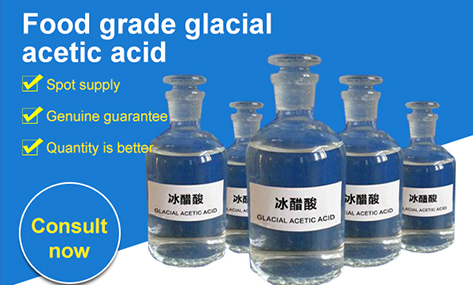
High-Purity anhydrous acetic acid Solutions for Bulgaria's Food Industry

Providing premium grade chemical additives to enhance preservation and processing efficiency across the Bulgarian agri-food manufacturing sector.

High-Purity anhydrous acetic acid Solutions for Bulgaria's Food Industry

We deliver specialized chemical solutions tailored for the strict regulatory environment of the European food additive market, ensuring stability, purity, and compliance for Bulgarian manufacturers.

Industrial Landscape of Food Additives in Bulgaria

Analyzing the integration of high-concentration acetic solutions in Balkan food processing.

Bulgaria possesses a robust agri-food sector, particularly in the processing of dairy, pickled vegetables, and rose oil derivatives. The demand for glacial acetic acid is driven by the need for precise pH control and antimicrobial properties in large-scale food preservation, where consistency is paramount to meet EU export standards.

Given the regional climate and the abundance of agricultural raw materials, Bulgarian manufacturers rely heavily on glacial acetic to maintain the shelf-life of organic produce. The market is currently shifting toward higher purity standards to eliminate impurities that could affect the sensory profile of traditional Bulgarian fermented products.

Economic integration within the European Single Market has forced local additive manufacturers to optimize their supply chains. The strategic use of acoh glacial allows for concentrated shipping, reducing logistical costs across the Balkan peninsula while ensuring chemical potency remains intact upon arrival at the factory.

Evolution and Trajectory of Acetic Acid Application

From traditional fermentation to high-precision synthetic additive manufacturing.

Market Development History

In the early 20th century, Bulgaria relied primarily on natural fermentation for vinegar production. However, by the 1970s, the industrialization of the food sector introduced synthetic glacial acetic acid, allowing for standardized acidification processes in the canning industry.

Between 2000 and 2015, the transition toward EU compliance led to a surge in the demand for food-grade certification. Manufacturers began implementing rigorous diluting glacial acetic acid protocols to ensure safety and concentration accuracy in additive blending.

Since 2018, the focus has shifted toward "Clean Label" initiatives. This has pushed the industry to source ultra-pure anhydrous variants that leave no residue, ensuring that the final food products meet the stringent European Food Safety Authority (EFSA) guidelines.

Future Development Trends

Bio-based Synthetic Integration

The next 3 years will see a transition toward carbon-neutral synthesis, blending traditional chemistry with bio-sourced precursors to reduce the environmental footprint of acetic production.

Precision Automated Dosing

Integration of IoT-driven dosing systems will replace manual mixing, ensuring that the process of diluting glacial acetic acid is performed with 99.9% accuracy to prevent batch wastage.

Circular Economy Recovery

Development of closed-loop systems to recover and purify acetic acid from food waste streams, aligning with Bulgaria's commitment to the EU Green Deal.

Industry Trends and Future Outlook

Strategic forecasting for the additive manufacturing sector in Eastern Europe.

EU Regulatory Alignment
Strict adherence to REACH and EFSA standards to ensure seamless trade across European borders.
Purity Optimization
Reducing trace metals and organic impurities to enhance the flavor stability of processed foods.
Supply Chain Digitization
Real-time tracking of chemical shipments to ensure JIT delivery to Bulgarian food plants.
Green Chemistry Transition
Adopting low-emission production methods to meet the 2030 EU sustainability goals.

Industry Outlook

Based on Google search trends for industrial additives in Eastern Europe, there is a marked increase in queries regarding "high-purity organic acids" and "sustainable food preservation." This indicates that Bulgarian manufacturers are moving away from bulk commodities toward specialized, high-performance chemicals.

The outlook for the next 5 years suggests that the competitive advantage will lie in the ability to provide customized concentrations. We expect a shift toward ready-to-use dilutions that minimize the risk of on-site handling errors in food manufacturing facilities.

Localized Application Scenarios in Bulgaria

Practical implementations of high-purity acetic acid across regional food industries.

1. Pickled Vegetable Preservation (Lyutenitsa Production)

Bulgaria's famous vegetable spreads and pickles require precise acidification to prevent spoilage. Our high-purity glacial acetic acid ensures consistent pH levels, maintaining the vibrant color and authentic taste of regional produce.

2. Dairy Processing and Cheese Brining

In the production of traditional Bulgarian white brined cheeses, controlled acidity is essential. Using a standardized process for diluting glacial acetic acid ensures that the brine remains stable and pathogen-free.

3. Rose Oil and Essential Oil Extraction

The Valley of Roses utilizes acetic acid in various refinement stages. Anhydrous acetic acid is used as a solvent and pH adjuster to ensure the purity of the fragrance compounds during the distillation process.

4. Industrial Bakery Acidulants

Local industrial bakeries use acetic solutions to control dough fermentation and extend the shelf life of commercial breads, ensuring a consistent crumb structure and preventing mold growth.

5. Beverage Stabilization and Flavoring

In the production of traditional drinks and modern soft beverages, acoh glacial serves as a critical flavor balancer and preservative, ensuring stability during long-distance transport within the EU.

Brand Story

Global Development Journey of Shijiazhuang Gaocheng Xiongxing Metal Wire Co., Ltd.

Industrial Foundation

Starting as a specialized manufacturing entity, we built our reputation on precision and material integrity, laying the groundwork for chemical supply excellence.

Diversification Strategy

Recognizing the interdependence of metallurgy and chemical processing, we expanded our expertise into the production and distribution of high-purity acetic acid.

Quality Standardization

We implemented international quality control systems to bridge the gap between industrial output and the strict requirements of the food additive industry.

Global Market Expansion

By establishing logistics hubs in Europe, we successfully brought our high-purity solutions to the Bulgarian market, solving critical purity pain points for local manufacturers.

Commitment to Sustainability

Today, our mission is to lead the transition toward green chemistry, providing the food industry with efficient, low-impact additives for a healthier future.

Comprehensive Product Portfolio for Bulgaria

A full range of acetic acid concentrations designed for diverse food manufacturing needs.

Common Questions for Bulgarian Manufacturers

Technical guidance and compliance answers for the local food additive sector.

How to ensure the purity of anhydrous acetic acid in food processing?

Ensure you source from suppliers providing COA (Certificate of Analysis) and adhere to EU food-grade specifications to prevent contaminants from affecting your product's taste and safety.

What is the safest method for diluting glacial acetic acid for pickling?

Always add the acid to water (not water to acid) slowly while stirring, using corrosion-resistant equipment and proper PPE to manage the exothermic reaction.

Is glacial acetic acid compatible with organic certification in Bulgaria?

It depends on the synthesis method. For organic certification, ensure the acetic acid is produced via fermentation or approved synthetic routes as per EU organic regulations.

How does acoh glacial improve the shelf life of preserved vegetables?

It lowers the pH of the food environment to a level where most spoilage bacteria and pathogens cannot survive, thereby extending the shelf life without altering flavor significantly.

What storage requirements are necessary for glacial acetic in Balkan climates?

Store in cool, well-ventilated areas away from heat sources. Since it can freeze at 16.6°C, temperature-controlled storage is recommended during Bulgarian winters.

Can glacial acetic acid be used for pH adjustment in dairy products?

Yes, it is highly effective for rapid pH adjustment, but must be used in precise concentrations to avoid creating an overly sharp acidic taste in the final dairy product.

Optimize Your Production Today

Contact our technical experts for customized chemical solutions and bulk supply logistics tailored for Bulgaria.

Contact Us Now

If you are interested in our products, you can choose to leave your information here, and we will be in touch with you shortly.