
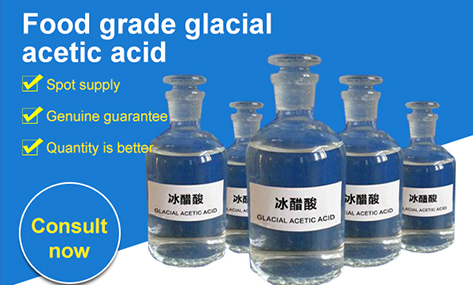
High-Purity anhydrous acetic acid Solutions for Paraguay's Food Industry

Providing premium chemical additives to enhance food preservation and processing standards across the Paraguayan agricultural and manufacturing sectors.

High-Purity anhydrous acetic acid Solutions for Paraguay's Food Industry

Empowering food manufacturers in Paraguay with specialized grade glacial acetic acid to ensure product stability, safety, and regulatory compliance in food additive manufacturing.

Chemical Manufacturing Landscape in Paraguay

Analyzing the intersection of agricultural abundance and food additive demand.

Paraguay's economy is heavily anchored in agribusiness, particularly soy and beef. However, the local food manufacturing sector faces a critical challenge: the lack of high-purity local production of glacial acetic. Most manufacturers rely on imports to sustain their preservative and pH control processes.

The humid subtropical climate of Paraguay necessitates advanced preservation techniques. The use of acoh glacial is vital for maintaining the shelf-life of exported processed foods, yet logistical hurdles in the interior regions often lead to supply inconsistencies.

Current industrial trends show a shift toward integrated food processing hubs. This transition increases the demand for consistent, high-concentration chemicals that can be scaled for mass production without compromising the organoleptic properties of the food products.

Evolution of Acidulants in Paraguayan Food Manufacturing

From traditional fermentation to precision chemical synthesis.

Market Development History

In the early 2000s, the Paraguayan food sector relied predominantly on traditional vinegar fermentation, which lacked the precision required for standardized additive manufacturing.

Between 2010 and 2020, the industry transitioned toward the adoption of synthetic glacial acetic acid. This shift allowed for exact pH titration and a significant reduction in contaminant risks in processed meat and vegetable exports.

Recently, the focus has moved toward precision dilution. Understanding the chemistry of diluting glacial acetic acid has become a core competency for local technicians to maximize efficiency and ensure worker safety in the plant.

Future Development Trends

Automation in Dosing Systems

Integration of AI-driven dosing pumps to minimize waste of high-concentration acids during the food additive mixing process.

Green Synthesis Integration

A projected move toward bio-based acetic acid precursors to align with global "green chemistry" trends favored by European export markets.

Cold-Chain Chemical Stability

Developing specialized stabilization techniques to prevent crystallization of concentrated acids during transport to remote Paraguayan provinces.

Strategic Outlook for Food Additives in Paraguay

Projecting the next 5 years of industrial chemical application.

Export Quality Standardization
Aligning Paraguayan food additives with FDA and EU standards to boost global competitiveness.
Supply Chain Digitalization
Implementing real-time tracking for hazardous chemical shipments across the Paraná-Paraguay waterway.
Sustainable Sourcing
Increasing the adoption of certified low-carbon footprint acetic acid derivatives.
Advanced pH Regulation
Moving toward ultra-precise acidity modifiers to enhance the flavor profiles of processed meats.

Industry Outlook

Based on Google search trend logic for the South American region, there is a rising interest in "food-grade chemical purity" and "sustainable preservatives." This indicates that Paraguayan manufacturers are no longer just looking for the cheapest raw materials, but for those that provide verifiable certificates of analysis (CoA).

We expect the market to consolidate around a few high-capacity suppliers who can guarantee the stability of anhydrous compounds, reducing the risk of batch failure in large-scale food additive production.

Localized Applications in Paraguay

Practical implementation of acetic acid in the regional food industry.

1. Bovine Meat Processing & Preservation

Utilizing high-purity acids as a critical antimicrobial agent in the processing of Paraguayan beef exports to inhibit the growth of pathogens during the curing stage.

2. Industrial Pickling for Local Produce

Implementing standardized glacial acetic concentrations for the commercial pickling of regional vegetables, ensuring flavor consistency.

3. Soy-Based Additive Manufacturing

Using acetic acid derivatives in the modification of soy proteins to improve solubility and functionality in processed food ingredients.

4. Beverage Acidification & Stabilization

Precise pH adjustment in the production of regional soft drinks and fermented beverages to ensure stability during long-distance transport.

5. Industrial Equipment De-scaling

Using diluted acetic acid solutions for the food-safe cleaning of stainless steel vats and pipes in dairy and beverage plants across Asunción.

Brand Story

Global Development History of Shijiazhuang Gaocheng Xiongxing Metal Wire Factory

Industrial Foundations

Starting as a specialized metal wire facility, we mastered the art of precision manufacturing and chemical treatment of materials.

Diversification Strategy

Recognizing the synergy between industrial metallurgy and chemical additives, we expanded our expertise into high-purity acid production.

Global Quality Pivot

We invested in advanced distillation technology to meet the stringent E-E-A-T requirements of the global food-grade chemical market.

South American Expansion

Tailoring our logistical network to solve the unique supply chain pain points of the Paraguayan food manufacturing sector.

Our Mission Today

To eliminate the gap between raw material purity and final product safety in the food additive industry worldwide.

Comprehensive Product Portfolio for Paraguay

A complete range of acidulants and additives designed for the South American food sector.

Common Questions in Paraguay

Technical guidance for regional food additive manufacturers.

How to safely handle anhydrous acetic acid in high-temperature climates?

In Paraguay's heat, it is essential to store anhydrous acetic acid in cool, ventilated warehouses using corrosion-resistant containers to prevent pressure buildup and vaporization.

What is the best method for diluting glacial acetic acid for food use?

Always add the acid to water slowly while stirring. Due to the exothermic nature of the reaction, using chilled deionized water is recommended for high-precision food additives.

Does glacial acetic acid meet international food safety standards?

Yes, when sourced as a food-grade additive, it complies with FCC and USP standards, ensuring it is safe for use in food preservation and acidification.

What are the advantages of using acoh glacial over standard vinegar?

Acoh glacial provides a much higher concentration and purity, allowing manufacturers to control the exact acidity levels without introducing water or impurities found in fermented vinegar.

How does glacial acetic affect the shelf-life of processed meats in South America?

It acts as a potent antimicrobial agent, lowering the pH to a level that inhibits spoilage bacteria, which is critical for the humid environments of Paraguay.

Which packaging options are available for shipping concentrated acids to Paraguay?

We offer HDPE drums and ISO tanks that are certified for hazardous chemical transport, ensuring leak-proof delivery to any industrial site in the country.

Optimize Your Production Today

Partner with a global leader in food-grade chemical additives to elevate your manufacturing standards in Paraguay.

Contact Us Now

If you are interested in our products, you can choose to leave your information here, and we will be in touch with you shortly.