In the complex landscape of industrial chemistry and food additives, glacial sulfuric acid stands as a critical catalyst and reagent that drives numerous manufacturing processes across the globe. Its high concentration and unique chemical properties make it indispensable for synthesizing a wide array of food-grade components and pharmaceutical intermediates, ensuring that end-products meet rigorous purity standards.
Understanding the nuances of glacial sulfuric acid is not merely a technical requirement for chemists but a strategic necessity for procurement managers in the food manufacturing sector. As global supply chains evolve, the demand for high-purity acid concentrates has surged, pushing industries to optimize their handling protocols and application methods to maximize yield while maintaining strict safety compliance.
By delving into the technical specifications and commercial applications of this potent substance, manufacturers can unlock new efficiencies in production and ensure a more sustainable approach to chemical integration. This comprehensive guide explores the global context, practical advantages, and future innovations surrounding the use of glacial sulfuric acid in modern industry.
Global Relevance of Glacial Sulfuric Acid
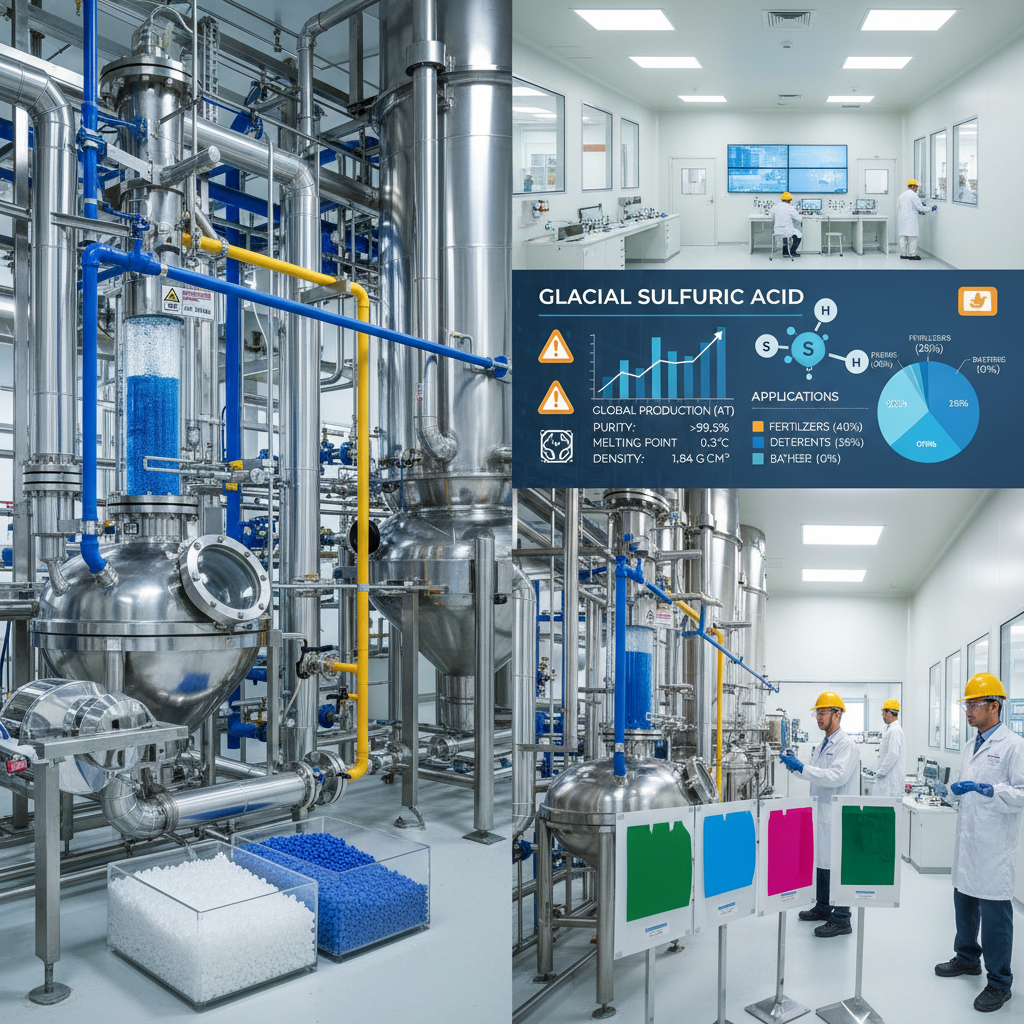
On a global scale, glacial sulfuric acid serves as a barometer for industrial health, as its consumption is directly linked to the production of fertilizers, detergents, and food additives. According to international industrial benchmarks, the precision of sulfuric acid concentration determines the efficiency of phosphate fertilizer production, which is essential for global food security and agricultural sustainability.
However, the industry faces a persistent challenge: balancing the extreme reactivity of the acid with the need for precise dosing in food-grade manufacturing. The volatility of raw material costs and the stringent ISO environmental standards require a shift toward more refined, high-purity concentrates that reduce waste and minimize the risk of contamination in sensitive food-additive pipelines.
Defining Glacial Sulfuric Acid in Modern Industry
In simple technical terms, glacial sulfuric acid refers to an ultra-concentrated form of the acid, characterized by its high purity and minimal water content. While "glacial" is a term more commonly associated with acetic acid, in the broader context of high-concentration sulfuric chemistry, it describes a state of purity that allows for anhydrous reactions, which are critical when water must be excluded from a chemical synthesis to prevent side reactions.
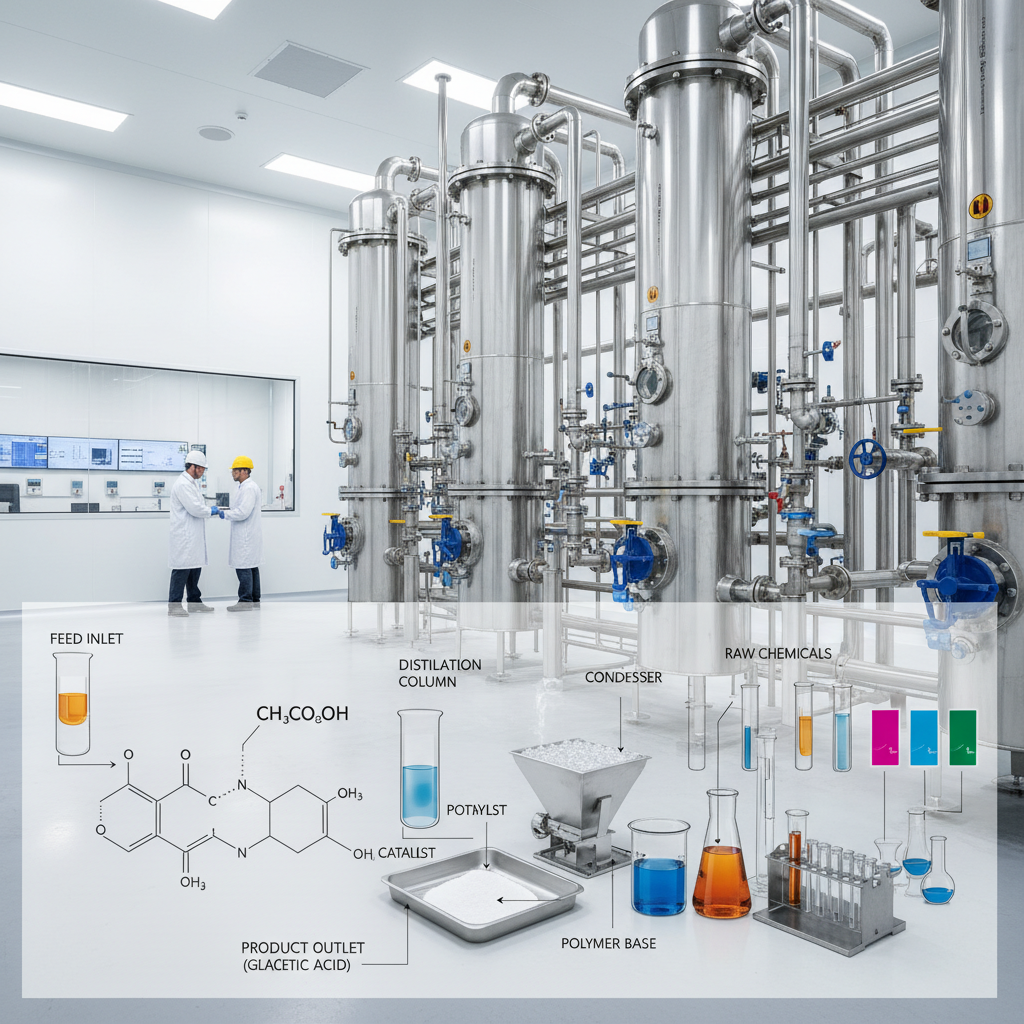
This level of concentration is vital for modern humanitarian and industrial needs, particularly in the creation of essential medications and preservatives. By utilizing a concentrated acid medium, manufacturers can catalyze reactions more rapidly and at lower temperatures, reducing the overall energy footprint of the production facility while increasing the purity of the final food additive.
Moreover, the role of glacial sulfuric acid extends beyond simple acidification. It acts as a powerful dehydrating agent, removing water molecules from substrates to facilitate the synthesis of complex esters and polymers used in food packaging and stability enhancers, bridging the gap between raw chemical synthesis and consumer-ready food science.
Core Components of High-Purity Acid Performance
The performance of glacial sulfuric acid is primarily measured by its Chemical Stability. In an industrial setting, stability ensures that the acid does not degrade or react prematurely with storage vessels, which is paramount for maintaining a consistent concentration throughout the supply chain and ensuring predictable reaction rates during the manufacturing process.
Scalability is another critical factor. For food additive manufacturers, the ability to transition from laboratory-scale batches to metric-ton production requires glacial sulfuric acid that maintains a uniform purity profile. This uniformity prevents "hot spots" in large reactors, reducing the risk of thermal runaway and ensuring that every batch of food-grade product is identical in quality.
Finally, Cost Efficiency is achieved not through the lowest purchase price, but through the highest reactivity per unit. High-purity glacial sulfuric acid allows for lower volumes of reagent to be used, which in turn reduces the cost of waste neutralization and effluent treatment, creating a leaner, more profitable production cycle.
Practical Applications and Industrial Use Cases
In real-world contexts, glacial sulfuric acid is extensively applied in the synthesis of saccharin and other artificial sweeteners within the food industry. In regions like Southeast Asia and North America, large-scale chemical plants utilize this acid to manage pH levels and drive the dehydration steps necessary for producing high-stability food preservatives that extend shelf life without compromising taste.
Beyond the food sector, it is critical in remote industrial zones for the leaching of minerals and the production of high-strength batteries. For instance, in specialized chemical zones, the acid is used as a catalyst in the production of biodegradable plastics, demonstrating its versatility in supporting both the food manufacturing industry and the broader push toward environmental sustainability.
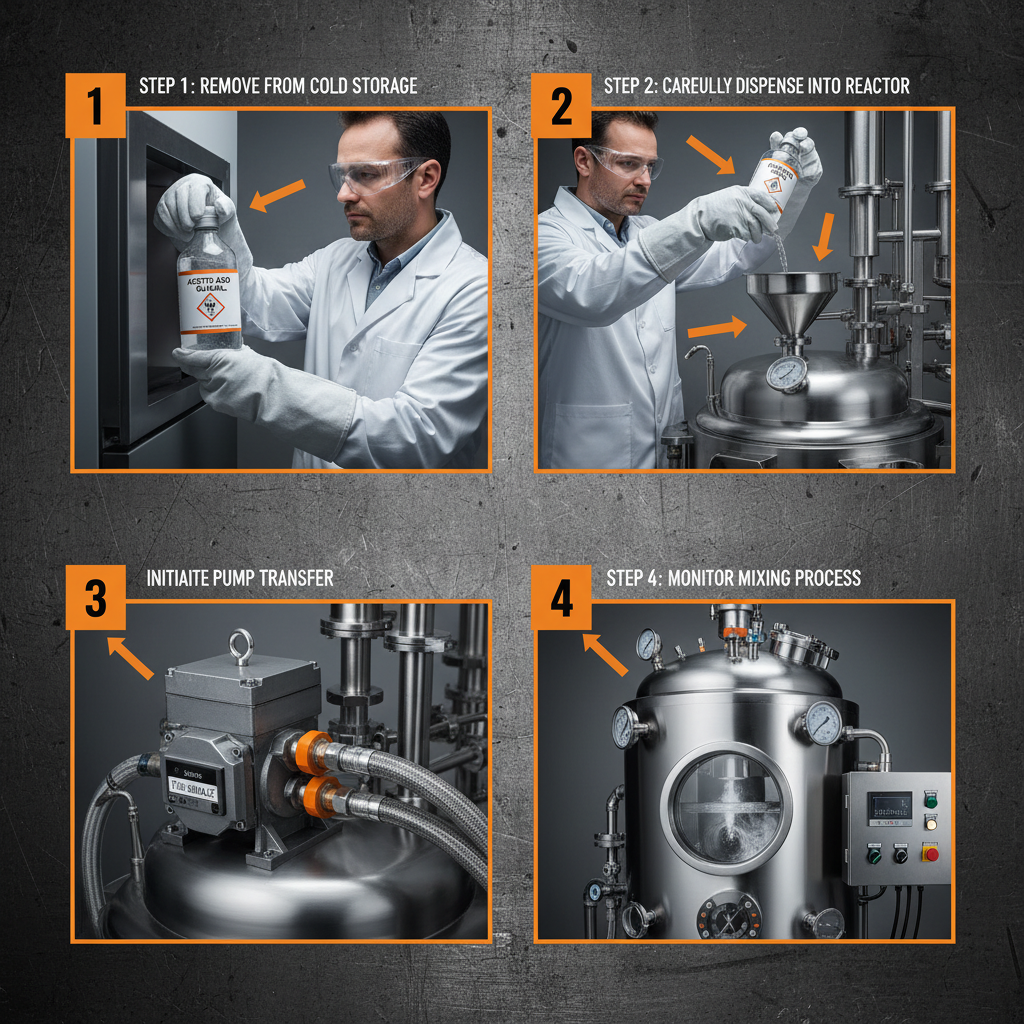
Efficiency Analysis of Glacial Sulfuric Acid Application Methods
Tangible Advantages and Long-Term Value
The primary tangible benefit of utilizing glacial sulfuric acid lies in its ability to significantly reduce reaction times. In the competitive food additive market, speed-to-market is essential; the potent dehydrating power of the acid ensures that chemical transitions occur with maximum efficiency, lowering the operational overhead and energy costs associated with prolonged heating.
From a logical and emotional standpoint, the use of high-purity acid builds trust and reliability. When a manufacturer can guarantee the absence of impurities in their glacial sulfuric acid, they ensure the safety and dignity of the end consumer by eliminating the risk of toxic heavy metal contamination. This commitment to purity fosters long-term brand loyalty and aligns the company with global health and safety innovations.
Future Trends in Acid Chemical Innovation
The future of glacial sulfuric acid is being reshaped by the transition toward "Green Chemistry." We are seeing a move toward closed-loop recycling systems where spent acid is captured, purified, and reconcentrated on-site. This digital transformation, powered by AI-driven dosing sensors, allows for the exact amount of acid to be used, virtually eliminating chemical waste.
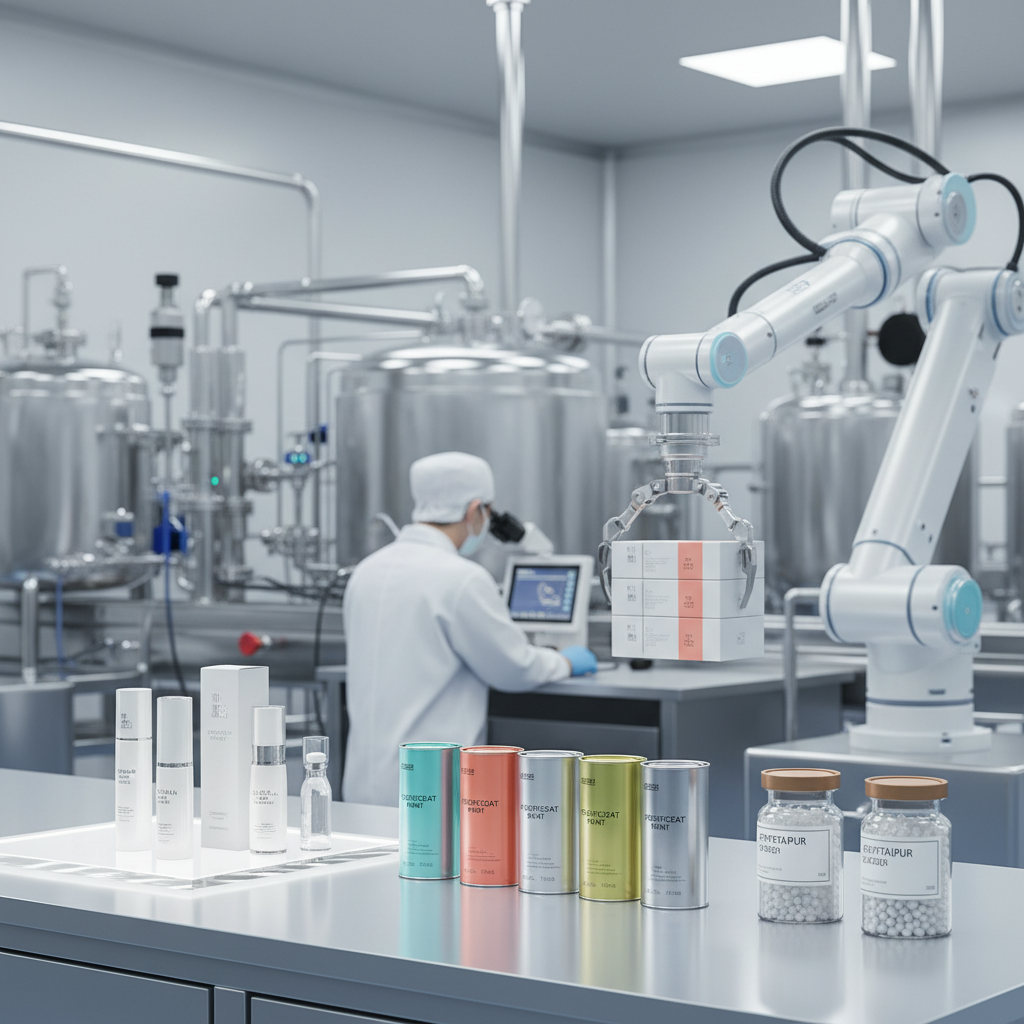
Furthermore, automation in the handling of hazardous materials is reducing human exposure. New robotic dispensing systems are being integrated into food-grade plants to manage the transfer of glacial sulfuric acid, ensuring that safety protocols are followed with 100% consistency, thereby reducing workplace accidents and insurance premiums.
Sustainability policies are also driving the development of bio-based precursors that can be activated by sulfuric catalysts. As the industry moves away from petroleum-based feedstocks, the role of glacial sulfuric acid as a high-efficiency catalyst becomes even more critical in making bio-synthetic food additives commercially viable.
Overcoming Challenges in Sulfuric Acid Integration
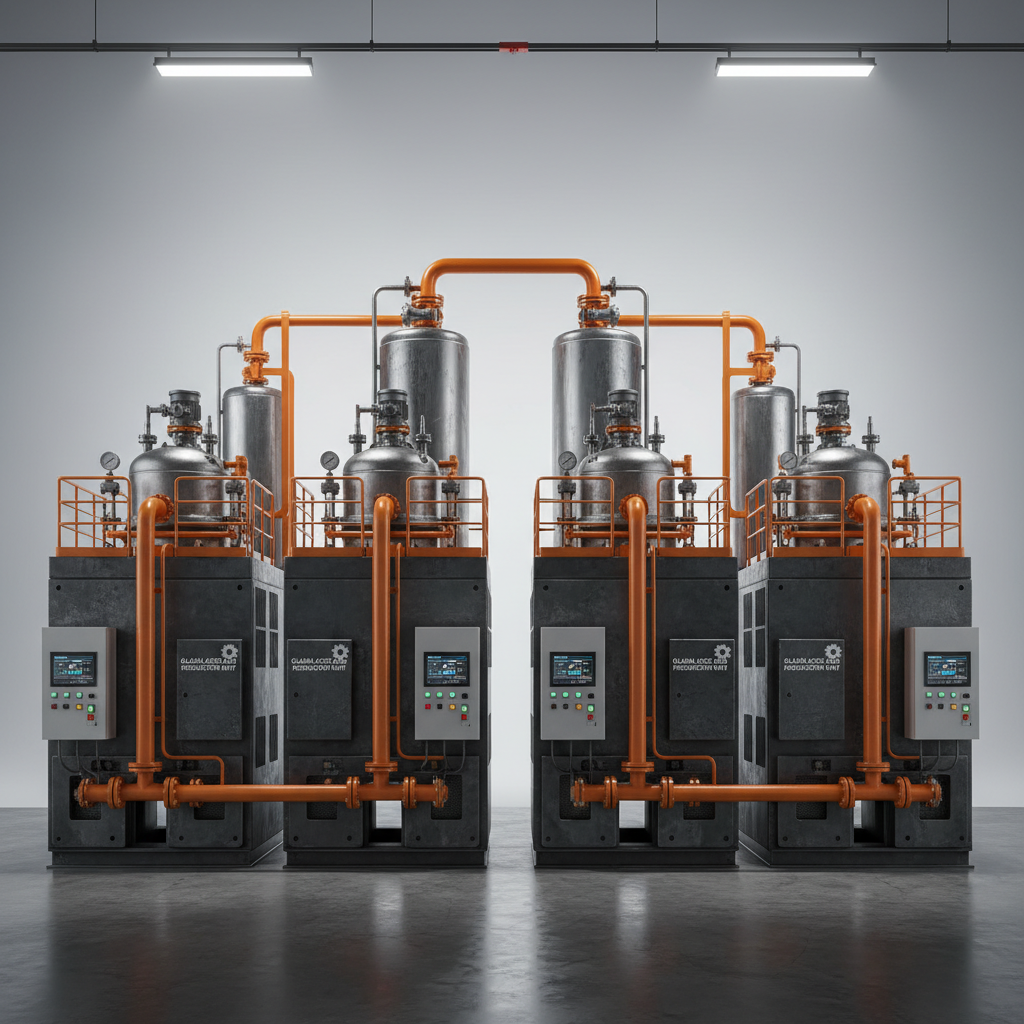
Despite its utility, the primary limitation of glacial sulfuric acid is its extreme corrosivity. Many legacy plants struggle with equipment degradation, leading to unplanned downtime. The expert solution involves the implementation of advanced fluoropolymer linings (like PTFE) and tantalum-alloyed heat exchangers that can withstand the aggressive nature of concentrated acid without leaching metals into the product.
Another challenge is the thermal management during dilution. The exothermic reaction of glacial sulfuric acid when mixed with water can be dangerous if not managed. Innovative "micro-channel" mixing technologies are now being used to dissipate heat instantaneously, allowing for safer and more precise concentration adjustments in real-time.
Finally, regulatory compliance regarding the transport of concentrated acids remains a hurdle. By partnering with certified logistics providers who utilize smart-tracking containers, manufacturers can ensure that their glacial sulfuric acid is transported under optimal conditions, maintaining its "glacial" purity from the factory gate to the production line.
Comparative Analysis of Glacial Sulfuric Acid Integration Strategies
| Strategy Type |
Implementation Cost |
Risk Reduction |
Yield Improvement |
| Traditional Batching |
Low |
Moderate |
Baseline |
| Automated Dosing |
Medium |
High |
+15% |
| PTFE Lining Upgrade |
High |
Very High |
+5% |
| Closed-Loop Recovery |
Very High |
High |
+25% |
| Micro-channel Mixing |
Medium |
Very High |
+10% |
| AI-Optimized Flux |
Medium |
Moderate |
+20% |
FAQS
The primary difference lies in the purity levels and the strict absence of heavy metal contaminants. Food-grade glacial sulfuric acid undergoes additional filtration and purification steps to ensure it meets FCC or USP standards, making it safe for use in the synthesis of additives that will eventually be consumed by humans.
It should be stored in cool, dry, and well-ventilated areas using containers made of corrosion-resistant materials such as high-density polyethylene (HDPE) or glass-lined steel. It is crucial to keep it away from incompatible bases and organic materials to prevent violent reactions and maintain the acid's high concentration.
Not necessarily. Because of its strong oxidizing and dehydrating properties, glacial sulfuric acid can react with certain organic catalysts. It is essential to conduct a compatibility test or consult a technical data sheet (TDS) to ensure that the acid does not neutralize or decompose other catalysts used in your specific formulation.
Personnel must wear full Personal Protective Equipment (PPE), including acid-resistant gloves, face shields, and aprons. In the event of a spill, specialized neutralizing agents should be used. Always add acid to water—never water to acid—to prevent the dangerous splashing caused by the exothermic reaction.
By acting as a potent dehydrating agent, it removes water from the reaction equilibrium, which shifts the reaction toward the product side according to Le Chatelier's principle. This results in higher conversion rates and a more efficient use of raw materials compared to lower-concentration acids.
Yes, but it requires strict adherence to international hazardous materials regulations (IMDG/IATA). You will need a supplier who provides comprehensive MSDS documentation and utilizes certified packaging to ensure the product arrives without contamination and in compliance with the destination country's customs and health regulations.
Conclusion
In summary, glacial sulfuric acid is far more than a simple industrial chemical; it is a cornerstone of modern food manufacturing and chemical synthesis. From its role in enhancing yield through superior dehydration to its necessity in producing high-purity food additives, the value of this substance is rooted in its precision, reactivity, and scalability. By integrating advanced storage solutions and automated dosing, manufacturers can harness its power while mitigating the inherent risks of corrosivity and thermal reactivity.
Looking forward, the industry must embrace the principles of green chemistry and digital automation to ensure that the use of glacial sulfuric acid remains sustainable and safe. For companies seeking to optimize their production lines, investing in high-purity reagents and modern infrastructure is not just a technical upgrade—it is a commitment to quality and consumer safety. Visit our website for more information and high-quality solutions: www.ysxlglacialaceticacid.com



 English
  Belarusian
  Dutch
Dutch  French
  German
  Hindi
Hindi  Indonesian
  Japanese
  Korean
  Lao
Lao  Malay
Malay  Mongolian
  Myanmar
  Polish
  Portuguese
  Russian
  Spanish
  Tagalog
  Thai
Thai  Vietnamese