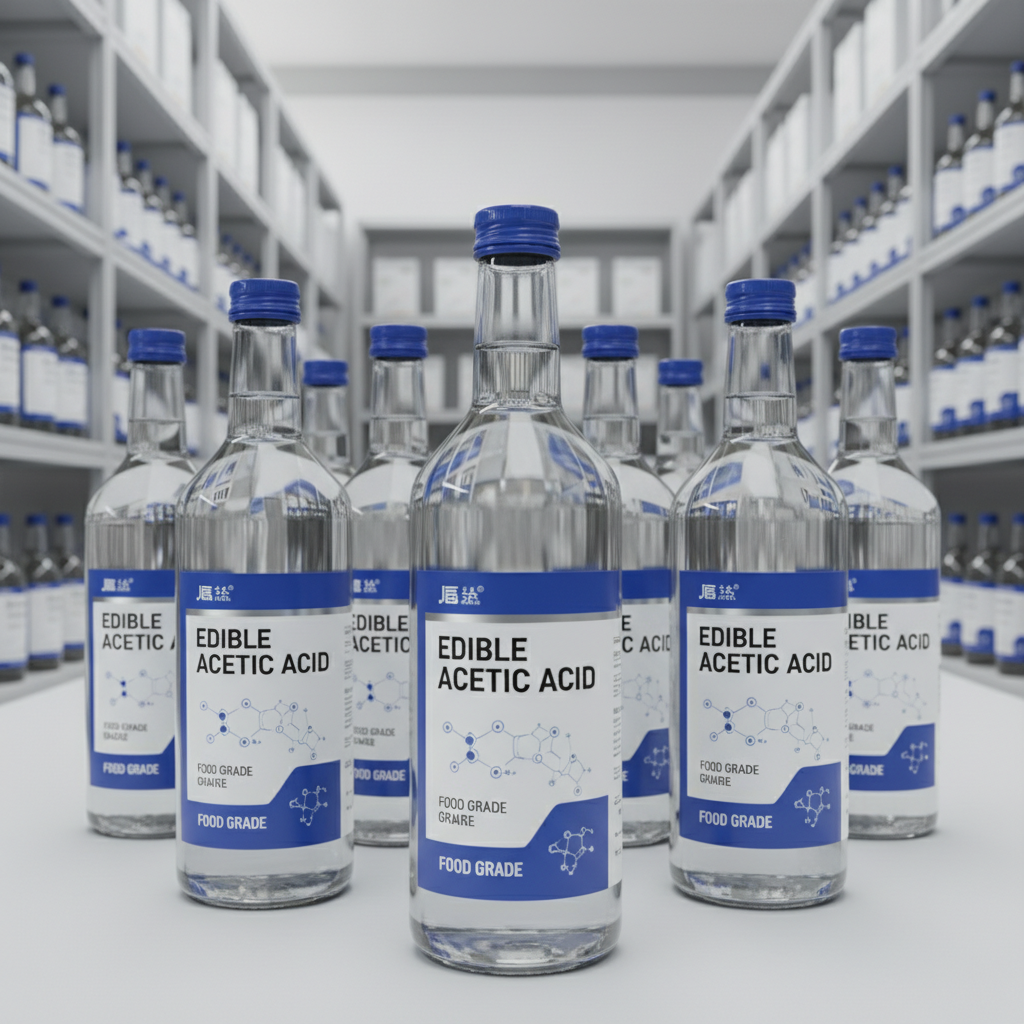
Edible acetic acid, commonly known as vinegar when diluted, plays a surprisingly crucial role in food preservation, flavoring, and even industrial applications. Its production dates back millennia, with evidence suggesting its use as early as 3000 BC. Understanding its properties and applications is essential for food scientists, culinary professionals, and increasingly, those exploring sustainable chemical alternatives.
Globally, the demand for edible acetic acid is steadily rising, driven by growth in the food and beverage industry, particularly in emerging markets. According to a report by Grand View Research, the global vinegar market size was valued at USD 17.87 billion in 2022 and is expected to expand at a compound annual growth rate (CAGR) of 3.8% from 2023 to 2030. This growth isn’t simply about salad dressings; it’s about its increasing use in pickling, marinades, and as a natural preservative, reducing reliance on synthetic alternatives.
This increasing demand for edible acetic acid presents both opportunities and challenges. Ensuring sustainable production methods, maintaining quality control, and exploring innovative applications are key areas of focus for researchers and manufacturers alike. The versatility and relatively low cost of edible acetic acid make it an appealing option across a broad spectrum of industries.
Introduction to Edible Acetic Acid
The historical importance of edible acetic acid stems from its early use as a preservative, preventing spoilage of food and beverages before the advent of modern refrigeration. From ancient civilizations utilizing fruit wines to modern-day industrial production, the core principle remains the same: the acidity inhibits microbial growth. This simple yet effective process has shaped culinary traditions globally.
Today, edible acetic acid isn't limited to vinegar production. It serves as a crucial ingredient in various food products, including sauces, condiments, pickles, and marinades. Beyond culinary applications, it's finding increasing use in pharmaceutical formulations and industrial cleaning agents, highlighting its versatility and broad appeal.
Defining Edible Acetic Acid
Edible acetic acid, in its purest form, is a colorless liquid with a characteristic pungent odor. It's the main component of vinegar, typically ranging in concentration from 4% to 18% by volume. The production process usually involves the fermentation of ethanol by acetic acid bacteria, like Acetobacter and Gluconobacter. Different feedstocks, such as fruits, grains, or even alcohol, result in varying flavor profiles, giving rise to the diverse range of vinegars available.
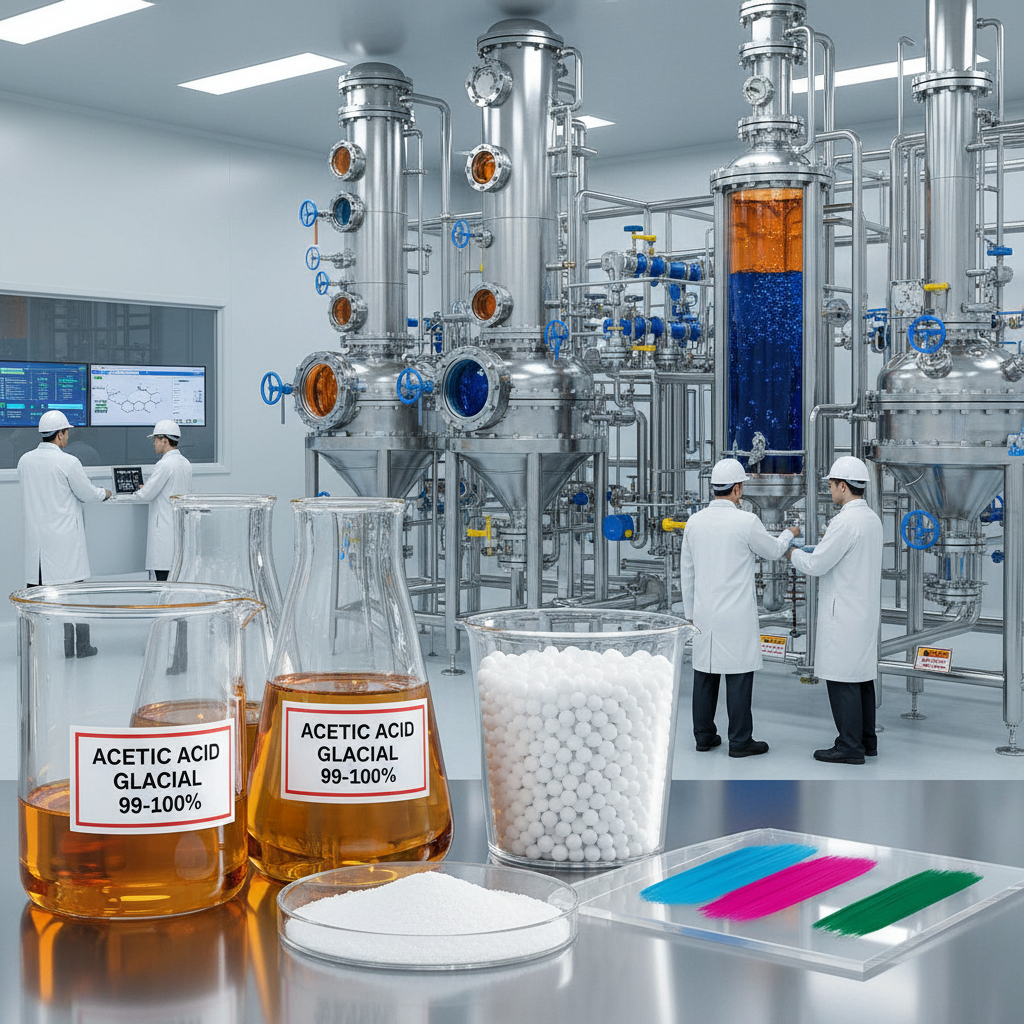
Its connection to modern industry extends beyond food processing. Acetic acid is a key building block in the production of vinyl acetate monomer (VAM), a crucial component in paints, adhesives, textiles, and plastics. While not all acetic acid produced is "edible grade," the principles of its production and the demand for sustainable sources increasingly intersect.
Understanding the nuanced differences between industrial-grade acetic acid and edible acetic acid is crucial. Edible acetic acid undergoes rigorous quality control to ensure it meets strict standards for purity, ensuring it's safe for human consumption. These standards are often set by regulatory bodies like the FDA and ISO.
Core Properties of Edible Acetic Acid
The defining property of edible acetic acid is, of course, its acidity. This acidity, measured by pH (typically between 2 and 3 for vinegar), is responsible for its preservative qualities, inhibiting the growth of bacteria and other microorganisms. This natural preservation method has been used for centuries to extend the shelf life of food.
Beyond preservation, edible acetic acid imparts a characteristic tangy flavor to foods and beverages. The specific flavor profile varies depending on the source material used in production – apple cider vinegar, balsamic vinegar, white vinegar, and rice vinegar all offer distinct tastes. This versatility makes it a staple in kitchens worldwide.
Furthermore, acetic acid is a good solvent, capable of dissolving many substances. This property contributes to its effectiveness in marinades, where it helps tenderize meat by breaking down proteins. It also plays a role in extracting flavors from ingredients, enhancing the overall taste experience.
Finally, edible acetic acid exhibits antimicrobial properties beyond simply inhibiting growth. It can disrupt the cell membranes of certain bacteria, rendering them inactive. This broader spectrum of antimicrobial activity further contributes to its value in food safety.
Key Factors Influencing Production
The efficiency of edible acetic acid production is heavily reliant on the substrate used for fermentation. Grains like barley and rice are common choices, but fruits like apples and grapes are also frequently used, leading to diverse vinegar varieties. The quality of the substrate directly impacts the yield and flavor profile of the final product.
The type of bacteria employed in the fermentation process is another critical factor. Acetobacter strains are widely used due to their robustness and efficiency. Optimizing the fermentation conditions – temperature, oxygen levels, pH – is crucial to maximizing acetic acid production and minimizing unwanted byproducts.
Edible Acetic Acid Production Methods - Efficiency Comparison
Global Applications and Use Cases
The most prevalent application of edible acetic acid remains in the food and beverage industry, acting as a key ingredient in salad dressings, marinades, sauces, and pickling solutions. Different regions favor specific vinegar types; for example, balsamic vinegar is highly valued in Italy and the Mediterranean, while rice vinegar is a staple in East Asian cuisines.
Beyond food, edible acetic acid is used in pharmaceutical applications, sometimes as an ingredient in ear drops or as a topical astringent. It's also gaining traction as a more environmentally friendly cleaning agent, offering a natural alternative to harsh chemical cleaners. In post-disaster relief operations, vinegar’s disinfectant properties can be invaluable in maintaining hygiene and preventing the spread of disease.
Advantages and Long-Term Value
The primary advantage of using edible acetic acid lies in its cost-effectiveness. Compared to many synthetic preservatives and flavor enhancers, vinegar is relatively inexpensive to produce. This makes it accessible to both consumers and manufacturers. Its natural origin also appeals to consumers seeking healthier and more sustainable food options.
The long-term value extends to its contribution to food safety and reduced food waste. By inhibiting microbial growth, vinegar extends the shelf life of perishable goods, minimizing spoilage and economic losses. This aligns with global sustainability goals focused on reducing waste and promoting resource efficiency.
Future Trends and Innovations
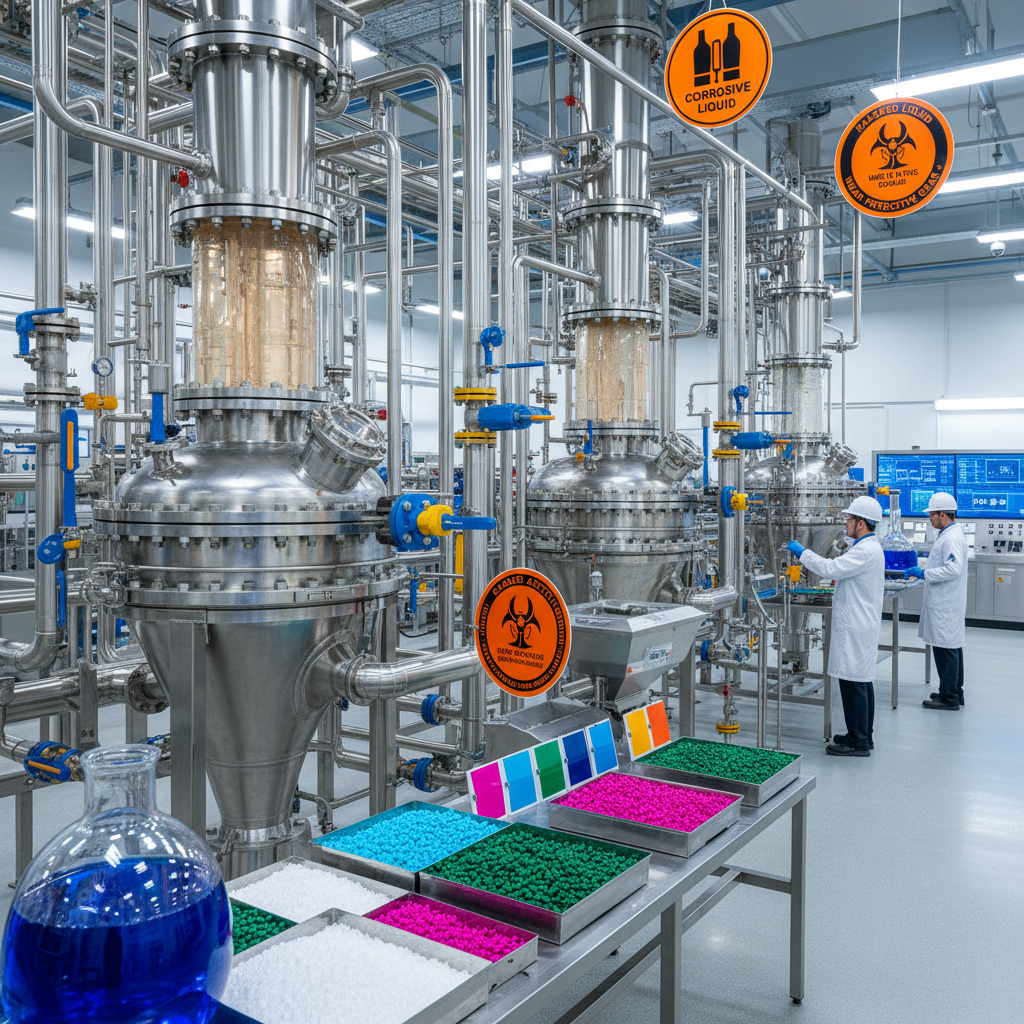
Research is ongoing to optimize fermentation processes for increased acetic acid yield and reduced environmental impact. Exploring novel substrates, such as agricultural waste products, offers a pathway toward sustainable production. The development of more efficient bacterial strains through genetic engineering is another promising avenue.
Furthermore, advances in membrane technology are being investigated to improve the purification and concentration of acetic acid, leading to higher-quality products. The integration of digital monitoring and control systems in fermentation plants will enhance process optimization and ensure consistent product quality.
Summary of Current Research and Development in Edible Acetic Acid Production
| Research Area |
Current Status |
Potential Impact |
Timeline to Implementation |
| Novel Substrate Utilization |
Pilot-scale testing with fruit peels and molasses |
Reduced production costs and waste |
2-5 years |
| Genetic Strain Improvement |
Identification of high-yielding Acetobacter strains |
Increased acetic acid production efficiency |
3-7 years |
| Membrane Separation Technology |
Development of advanced membrane materials |
Enhanced product purity and concentration |
1-3 years |
| Process Automation & Control |
Implementation of real-time monitoring systems |
Optimized fermentation parameters and quality control |
Ongoing |
| Biofilm Reactor Design |
Exploring alternative reactor configurations for improved bacterial attachment |
Higher biomass density and increased production rates |
5-10 years |
| Integrated Biorefineries |
Combining acetic acid production with other bio-based product streams |
Maximizing resource utilization and reducing environmental impact |
10+ years |
FAQS
The primary difference lies in the source material used for fermentation and the aging process. Apple cider vinegar is made from fermented apple juice, offering a fruity flavor profile. Balsamic vinegar, originating from Italy, is made from grape must and undergoes extensive aging in wooden barrels, resulting in a complex, sweet and tangy taste. White vinegar is typically made from distilled alcohol and is known for its acidity and neutral flavor. Each type impacts the flavor and applications, and the acetic acid concentration can vary.
No, concentrated acetic acid (glacial acetic acid) is not safe for direct consumption. It's highly corrosive and can cause severe burns. Edible acetic acid, as found in vinegar, is safe due to its dilution. Vinegar typically contains 4-18% acetic acid, making it safe for culinary use. Always dilute concentrated acetic acid appropriately before using it in any application.
The fermentation process is critical for developing the unique flavor profiles of different vinegars. The type of yeast used in the initial alcoholic fermentation, followed by the Acetobacter bacteria converting ethanol to acetic acid, impacts the resulting flavor compounds. Different substrates provide varying nutrients and flavor precursors, further contributing to the final taste. Aging processes, like those used for balsamic vinegar, also play a significant role.
Edible acetic acid is a biodegradable and non-toxic alternative to many harsh chemical cleaners. It effectively cuts through grease, removes mildew, and disinfects surfaces. Using vinegar as a cleaner reduces the release of volatile organic compounds (VOCs) into the environment, contributing to better air quality and reducing the reliance on petroleum-based cleaning products.
Stringent quality control measures are implemented throughout the production process. These include testing for purity, acidity levels, and the absence of harmful contaminants. Regulatory bodies like the FDA set standards for edible acetic acid, and manufacturers adhere to Good Manufacturing Practices (GMP) to ensure product safety. Regular audits and inspections help maintain quality standards.
Yes, vinegar derived from organically produced source materials (like organic apples or grapes) can be used in organic food production. However, the fermentation process itself must also adhere to organic standards. Certification from accredited organic certifying agencies is required to label the vinegar as "organic."
Conclusion
Edible acetic acid, from its ancient roots in food preservation to its modern applications in industry and sustainability, stands as a testament to the power of simple yet effective solutions. Its versatility, cost-effectiveness, and natural origin make it a valuable resource across diverse sectors. Understanding its core properties and ongoing innovations is crucial for maximizing its potential.
Looking ahead, the future of edible acetic acid lies in sustainable production practices, the exploration of novel feedstocks, and continued research into its diverse applications. By embracing these advancements, we can unlock even greater benefits from this remarkable compound, contributing to a more sustainable and flavorful future. Visit our website at www.ysxlglacialaceticacid.com to learn more.


 English
  Belarusian
  Dutch
Dutch  French
  German
  Hindi
Hindi  Indonesian
  Japanese
  Korean
  Lao
Lao  Malay
Malay  Mongolian
  Myanmar
  Polish
  Portuguese
  Russian
  Spanish
  Tagalog
  Thai
Thai  Vietnamese