Glacial acetic acid vinegar, a highly concentrated solution of acetic acid, stands as a cornerstone in diverse industrial applications, particularly within the food manufacturing sector. Its unique properties, including potent antimicrobial activity and a sharp, characteristic flavor, make it invaluable for preservation, pH control, and flavoring. The global demand for high-quality glacial acetic acid vinegar is steadily rising, driven by expanding food production, increasing consumer awareness of food safety, and growing industrial demand. Understanding its production, quality standards, and versatile applications is crucial for businesses and researchers alike.
The importance of glacial acetic acid vinegar extends beyond simple food preservation. It’s a key ingredient in producing various food additives, vinegar-based condiments, and pickling solutions. Its role in controlling microbial growth is especially critical in regions with limited refrigeration infrastructure or where stringent food safety regulations are enforced. The market is heavily influenced by agricultural yields (particularly of fermentation feedstocks) and logistical efficiencies in global supply chains. This makes it a fascinating subject for analysis and optimization.
As food production intensifies to meet global population demands, the efficient and safe preservation of food products becomes paramount. Glacial acetic acid vinegar, with its cost-effectiveness and proven efficacy, provides a crucial solution. Its wider application, however, requires continuous innovation in production processes to reduce environmental impact and enhance product purity.
The Significance of Glacial Acetic Acid Vinegar
Glacial acetic acid vinegar is more than just a chemical compound; it's a crucial component in maintaining global food security and enabling a vast array of industrial processes. Its potency as an antimicrobial agent makes it invaluable in regions facing challenges in food preservation, reducing spoilage and extending shelf life. The consistent demand for glacial acetic acid vinegar underscores its fundamental role in a continuously evolving world.
Its importance isn't limited to food. It's a vital intermediate in the production of numerous chemical compounds, including cellulose acetate, used in textiles and plastics, and various pharmaceutical products. This multifaceted utility secures its position as a critical raw material in multiple supply chains, driving consistent global demand.
Global Relevance and Market Dynamics
The global glacial acetic acid vinegar market is significantly impacted by shifts in agricultural production, particularly those influencing the availability of fermentation feedstocks like ethanol. According to data from the Food and Agriculture Organization of the United Nations (FAO), global agricultural production is projected to increase by 15% over the next decade, driving a corresponding increase in demand for preservation agents. This demand is particularly acute in developing nations where rapid urbanization and changing dietary habits necessitate improved food safety measures.
Major producing regions include China, the United States, and Europe, each with varying production capacities and quality standards. The market is influenced by fluctuating raw material costs, particularly ethanol and methanol, as well as stringent environmental regulations governing waste disposal. The rise of bio-based acetic acid production, utilizing renewable resources, presents both opportunities and challenges within the industry.
Current market challenges include ensuring consistent product quality, addressing environmental concerns related to production processes, and navigating complex international trade regulations. The demand for sustainable and environmentally friendly production methods is a key driver of innovation and investment within the sector, particularly regarding waste reduction and carbon footprint mitigation.
Defining Glacial Acetic Acid Vinegar
Glacial acetic acid vinegar, in its purest form, is a colorless liquid with a pungent, characteristic odor. “Glacial” refers to its appearance; when cooled below 16.6°C (62°F), it solidifies into ice-like crystals. It’s a highly concentrated solution of acetic acid (CH₃COOH), typically containing 99% or more acetic acid by weight. This high concentration distinguishes it from household vinegar, which typically contains only 5-8% acetic acid.
Its connection to modern industry and humanitarian needs lies in its exceptional preservative and antimicrobial properties. Historically, vinegar has been used for millennia to preserve food, but glacial acetic acid vinegar's potency enables it to effectively control a broader spectrum of microorganisms, extending the shelf life of various products. Furthermore, its chemical versatility makes it a building block for a wide range of industrial chemicals and pharmaceuticals.
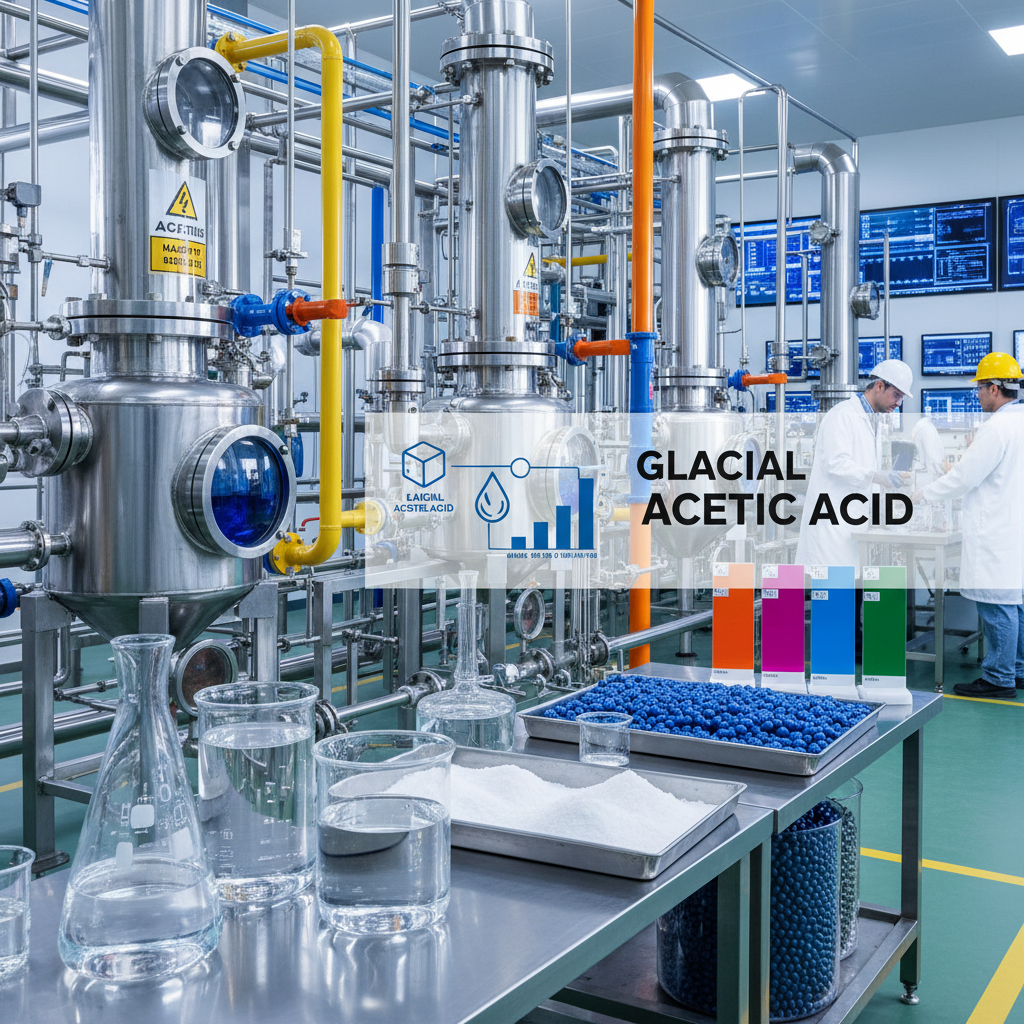
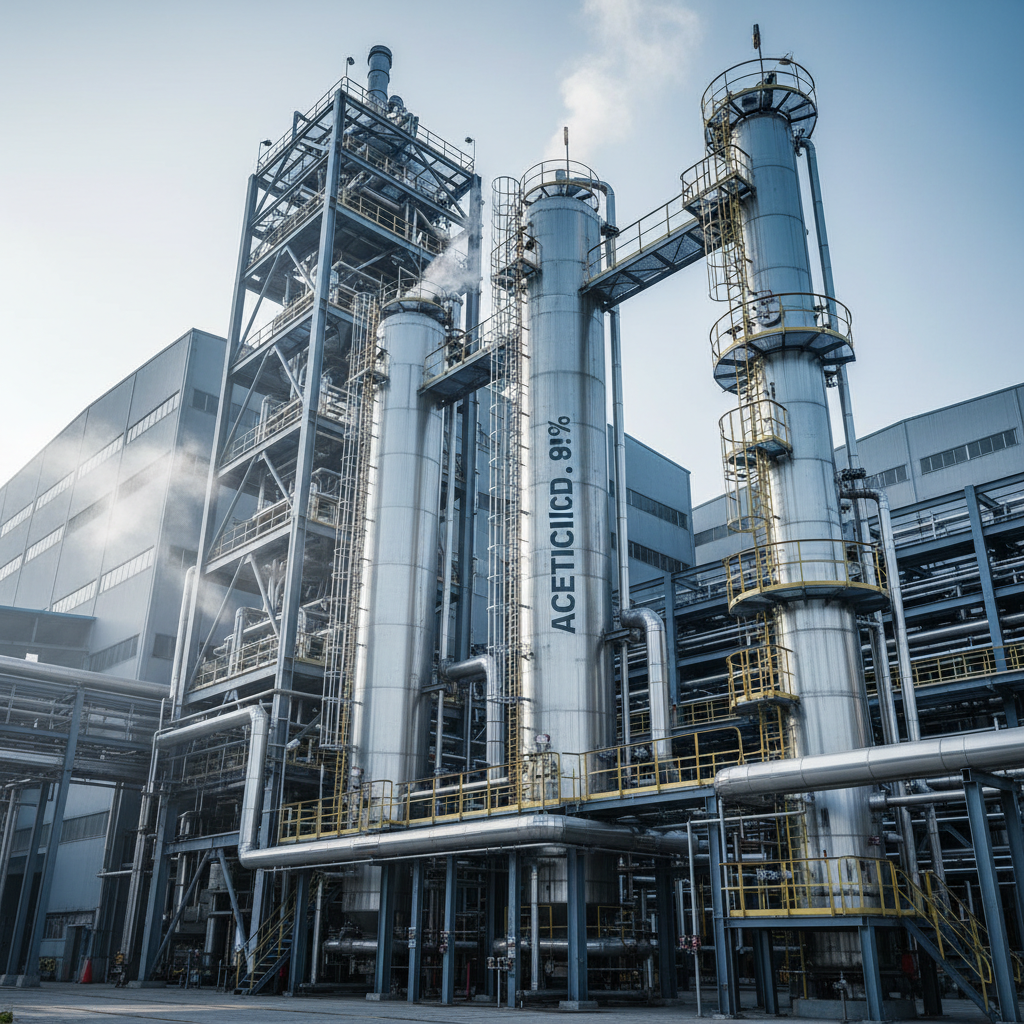
The production of glacial acetic acid vinegar typically involves the carbonylation of methanol with carbon monoxide, often utilizing a rhodium catalyst. Alternative methods, like the oxidation of acetaldehyde, are also employed. Maintaining high purity levels is critical for many applications, necessitating rigorous quality control throughout the manufacturing process, and making glacial acetic acid vinegar a premium product.
Key Properties and Characteristics
One vital property is its high acidity, leading to its strong antimicrobial effectiveness. This makes it ideal for pickling, preserving, and controlling microbial growth in various food processing applications. Another key characteristic is its solvent capacity; it can dissolve a wide range of substances, making it valuable in chemical synthesis and extraction processes.
Furthermore, glacial acetic acid vinegar exhibits a relatively low toxicity when handled properly, and it is biodegradable under certain conditions. However, its corrosive nature necessitates careful handling and storage protocols. Its density (approximately 1.049 g/cm³), boiling point (118°C), and flashpoint (49°C) are also crucial parameters for safe and efficient industrial use.
Comparative Analysis of Glacial Acetic Acid Vinegar Production Methods
Applications Across Industries
The food industry represents a significant consumer of glacial acetic acid vinegar, utilizing it in the production of ketchup, mayonnaise, salad dressings, and a variety of pickled products. Its ability to inhibit bacterial growth is particularly important in preserving these foods and ensuring their safety for consumption. Beyond direct food applications, it's used in cleaning and sanitizing food processing equipment.
Outside of the food sector, glacial acetic acid vinegar finds applications in the textile industry as a mordant in dyeing processes, in the pharmaceutical industry as a reagent and solvent, and in the production of vinyl acetate monomer (VAM), a key ingredient in adhesives, paints, and coatings. The demand for high-purity glacial acetic acid vinegar is especially prominent in these specialized applications.
Advantages and Long-Term Value Proposition
The primary advantage of glacial acetic acid vinegar lies in its cost-effectiveness. Compared to some alternative preservation methods, it offers a relatively inexpensive solution for extending the shelf life of food products. Its ease of handling and wide availability contribute to its practicality. From a sustainability perspective, newer production methods focusing on bio-based feedstocks reduce the environmental impact.
The long-term value extends to enhanced food safety, reduced food waste, and the enabling of diverse industrial processes. By maintaining product quality and preventing spoilage, glacial acetic acid vinegar contributes to improved public health and economic efficiency. The reliability of its performance and consistent supply chain, particularly when sourcing from reputable suppliers, add to its value proposition.
Future Trends and Sustainable Practices
The future of glacial acetic acid vinegar production is increasingly focused on sustainability. The development of bio-based production processes, utilizing renewable resources like biomass, is gaining traction, offering a lower carbon footprint compared to traditional methods. This aligns with growing global emphasis on circular economy principles.
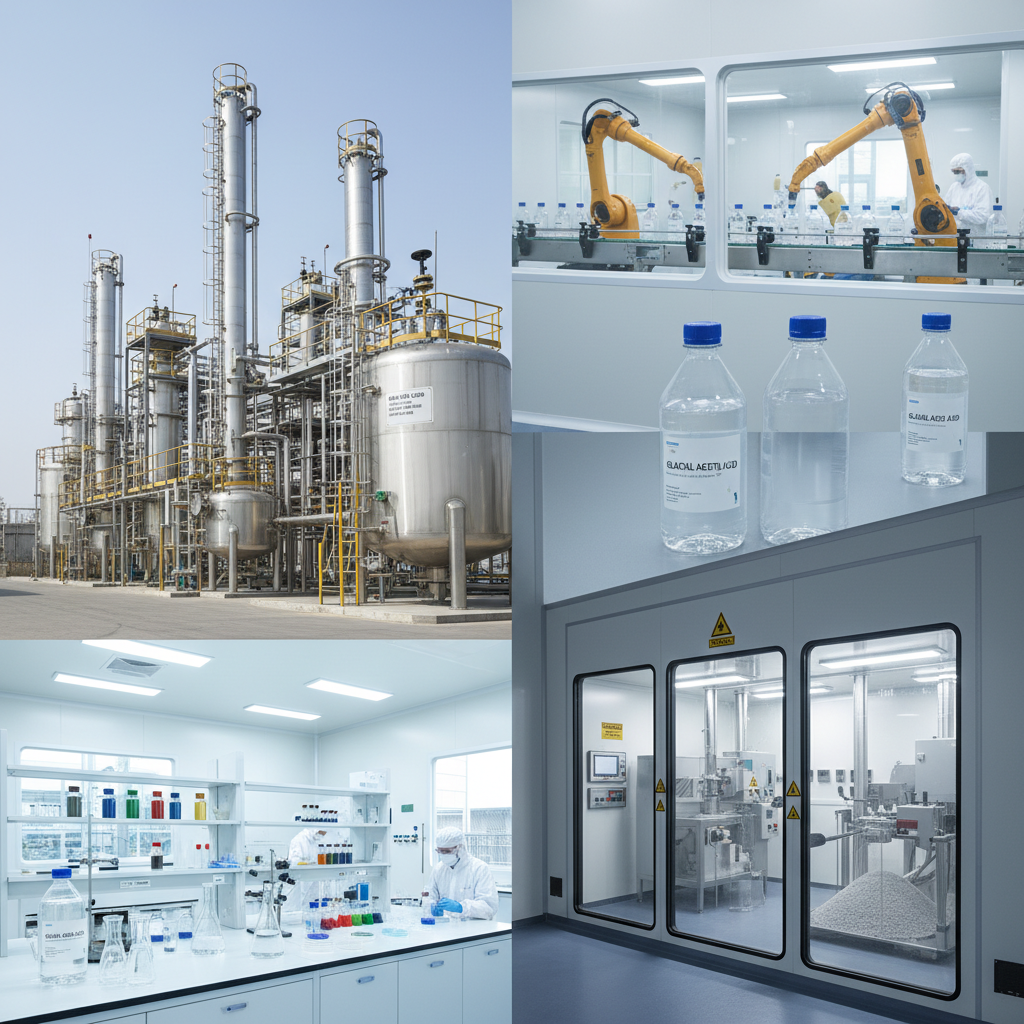
Technological advancements in catalyst design and process optimization are further enhancing production efficiency and reducing waste generation. Digitalization and automation are also playing a key role in monitoring and controlling production parameters, ensuring consistent product quality and minimizing environmental impact. The potential for carbon capture and utilization (CCU) technologies to be integrated into production facilities is also being explored.
Furthermore, stricter environmental regulations are expected to drive innovation in waste management and emission control, prompting manufacturers to adopt cleaner production technologies and invest in pollution prevention measures. The demand for “green” glacial acetic acid vinegar, produced using sustainable practices, is anticipated to rise significantly in the coming years.
Challenges and Solutions
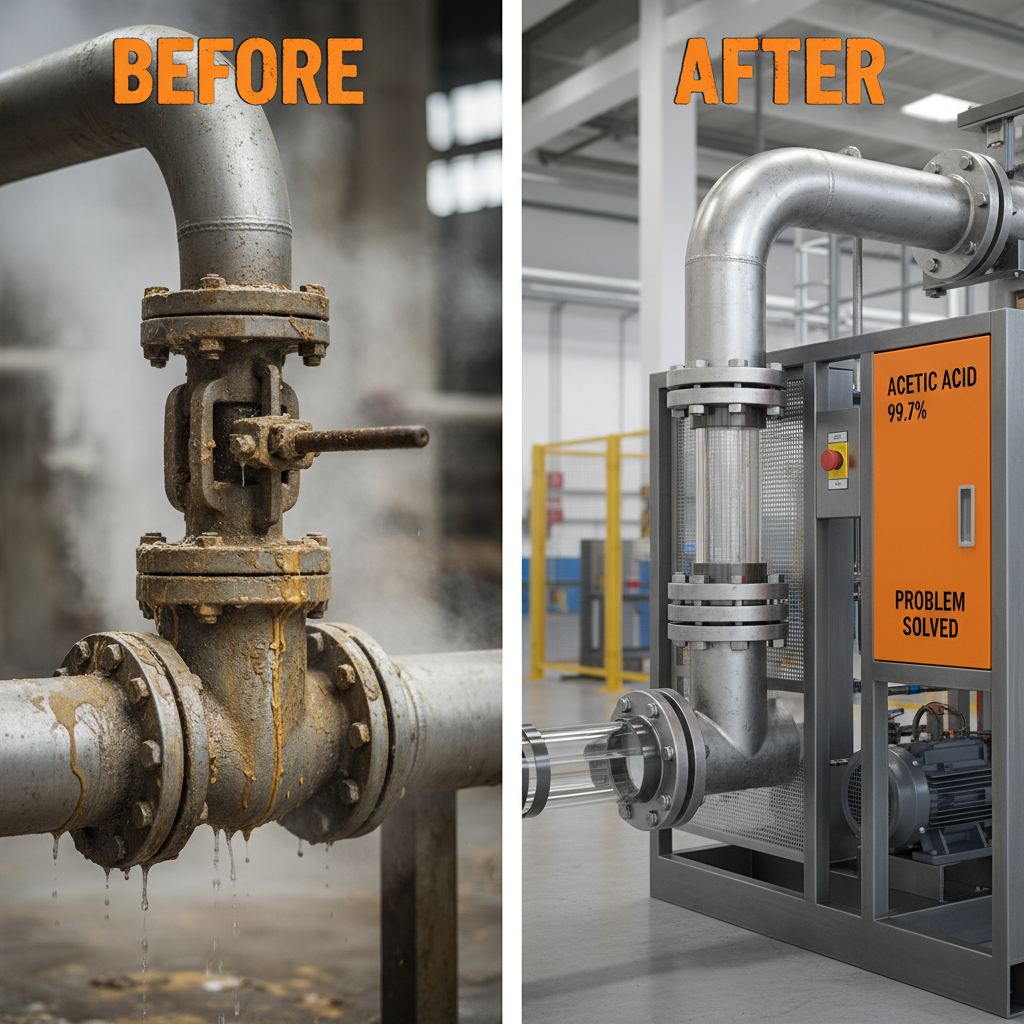
A significant challenge is the corrosive nature of glacial acetic acid vinegar, requiring specialized handling and storage equipment, and posing safety risks to personnel. Another concern is the environmental impact of traditional production processes, including greenhouse gas emissions and waste generation. Fluctuations in feedstock prices can also impact production costs and market stability.
Solutions include investing in advanced materials for storage tanks and pipelines, implementing rigorous safety protocols and training programs for personnel, and transitioning to bio-based production processes. Developing closed-loop systems for waste recycling and utilizing carbon capture technologies can mitigate environmental impacts. Diversifying feedstock sources and exploring long-term supply contracts can help stabilize production costs.
Collaborative research and development efforts, involving industry stakeholders, academic institutions, and government agencies, are crucial for addressing these challenges and fostering innovation in the glacial acetic acid vinegar sector, ultimately ensuring a sustainable and reliable supply of this critical industrial chemical.
Summary of Key Factors Influencing Glacial Acetic Acid Vinegar Quality and Production Costs
| Feedstock Source |
Production Method |
Purity Level (%) |
Production Cost (USD/kg) |
| Ethanol (Corn-Based) |
Carbonylation with Rhodium Catalyst |
99.8 |
0.85 |
| Methanol (Natural Gas-Based) |
Carbonylation with Rhodium Catalyst |
99.9 |
0.75 |
| Biomass-Derived Ethanol |
Carbonylation with Rhodium Catalyst |
99.5 |
1.10 |
| Acetaldehyde Oxidation |
Liquid-Phase Oxidation |
99.2 |
0.90 |
| Ethanol (Sugarcane-Based) |
Carbonylation with Rhodium Catalyst |
99.7 |
0.80 |
| Methanol (Coal-Based) |
Carbonylation with Rhodium Catalyst |
99.6 |
0.70 |
FAQS
Glacial acetic acid vinegar plays a crucial role in food preservation, acting as a potent antimicrobial agent. It's widely used in pickling processes, as an ingredient in ketchup and mayonnaise, and for controlling pH levels in various food products. Its ability to inhibit bacterial growth extends shelf life and ensures food safety, making it indispensable in the food manufacturing sector.
When used in appropriate concentrations as a food additive, glacial acetic acid vinegar is considered safe for human consumption. However, it's highly corrosive in its concentrated form and must be handled with care. Regulatory bodies like the FDA and EFSA set strict limits on the permissible levels of acetic acid in food products, ensuring consumer safety. Always adhere to these guidelines.
The primary difference lies in the concentration of acetic acid. Glacial acetic acid vinegar contains 99% or more acetic acid, while household vinegar typically contains only 5-8%. This higher concentration makes glacial acetic acid vinegar much more potent and suitable for industrial applications, but also requires careful handling. It’s not a direct substitute for household vinegar in culinary uses.
Traditional production methods can generate greenhouse gas emissions and produce waste streams. However, the industry is increasingly adopting sustainable practices like utilizing bio-based feedstocks and implementing carbon capture technologies. Waste reduction and responsible disposal are also crucial for minimizing environmental impact. Focusing on green chemistry principles is key.
Quality assessment involves various analytical techniques, including gas chromatography to determine purity, titration to measure acidity, and spectrophotometry to detect impurities. Color and clarity are also important indicators. Reputable suppliers adhere to strict quality control standards, providing certificates of analysis to verify product specifications.
Recent innovations include developing more efficient catalysts for carbonylation, exploring novel bio-based feedstocks, and implementing advanced process control systems. Research is also focused on utilizing carbon dioxide as a raw material, further reducing the carbon footprint of production. These innovations aim to improve sustainability and cost-effectiveness.
Conclusion
Glacial acetic acid vinegar remains an essential chemical compound with far-reaching applications across diverse industries. From its critical role in food preservation and safety to its versatility as a chemical intermediate, its importance cannot be overstated. Understanding its properties, production methods, and future trends is vital for professionals and researchers alike.
As we move towards a more sustainable future, embracing innovative production techniques, prioritizing environmental responsibility, and fostering collaborative research will be paramount. By continually refining processes and exploring renewable resources, we can ensure a reliable and environmentally sound supply of glacial acetic acid vinegar for generations to come. Visit our website to learn more and explore our range of high-quality glacial acetic acid vinegar products.



 English
  Belarusian
  Dutch
Dutch  French
  German
  Hindi
Hindi  Indonesian
  Japanese
  Korean
  Lao
Lao  Malay
Malay  Mongolian
  Myanmar
  Polish
  Portuguese
  Russian
  Spanish
  Tagalog
  Thai
Thai  Vietnamese