
To be honest, things are moving fast these days. Everyone's talking about miniaturization, integration... and sustainability, of course. Feels like every other spec sheet has “eco-friendly” plastered across it. But you spend enough time on a construction site, breathing in dust and dodging forklifts, and you realize a lot of that is just marketing fluff. What really matters is whether the thing holds up, and whether it makes the worker’s life easier. That’s where oem glacial acetic acid comes in, you know? It’s not glamorous, but it’s essential.
Have you noticed how many projects are pushing for higher purity levels? It's a good thing, don’t get me wrong. But there’s a trap a lot of designers fall into – they chase the numbers without thinking about practical application. Like, getting to 99.999% purity is great, but if it makes the material brittle or difficult to handle, what’s the point? I encountered this at a battery factory in Jiangsu last time. They were so focused on purity they forgot about the thermal stability, and the whole batch melted during transport. A disaster.
We’re mainly dealing with concentrated acetic acid here, of course, which is a bit different beast than the stuff you buy at the grocery store. The smell is… distinctive. A sharp, vinegar-like odor that clings to your clothes. It’s not pleasant, but you get used to it. It feels… slippery, almost oily to the touch, which is a good indicator of its concentration. We source most of our raw materials from Yantai, and I’ll tell you, the quality control there is pretty stringent. They're careful about the packaging too, because you do not want this leaking. It eats through plastic like it’s nothing.
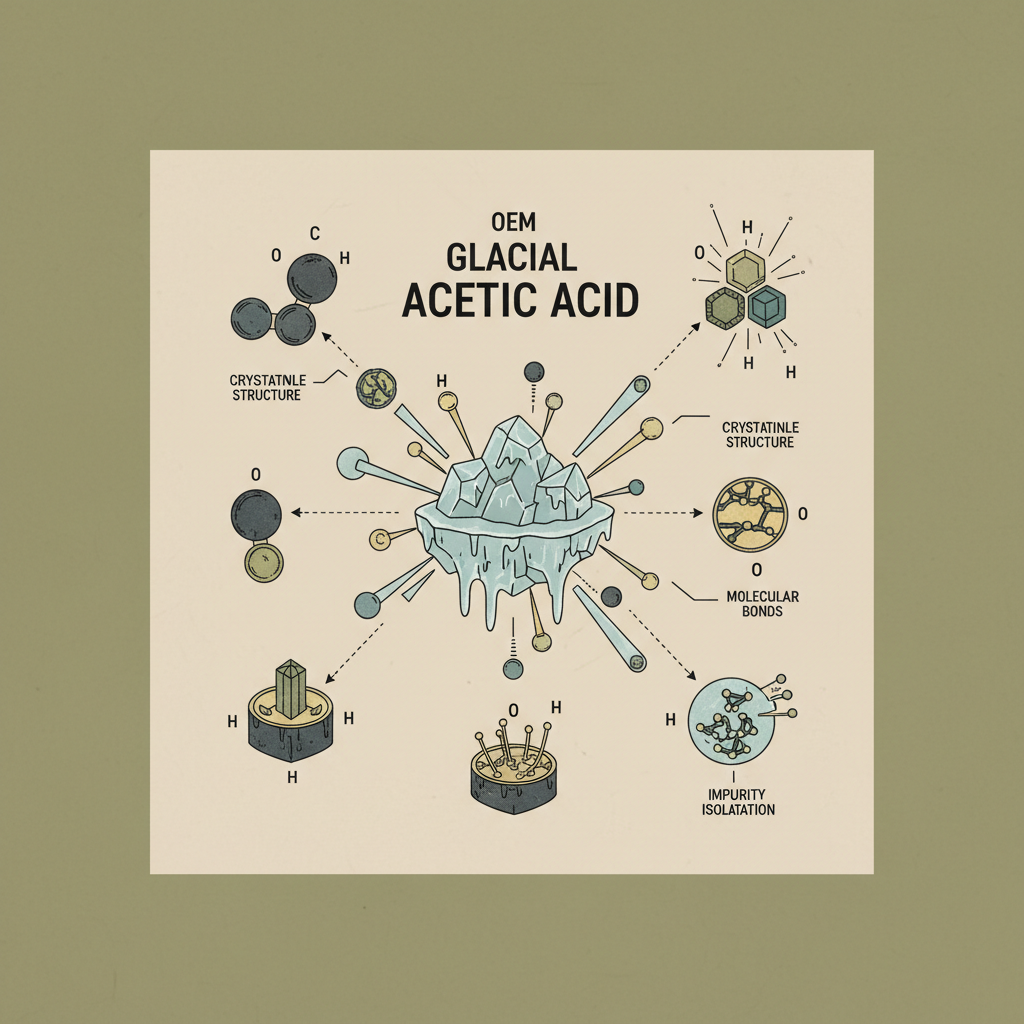
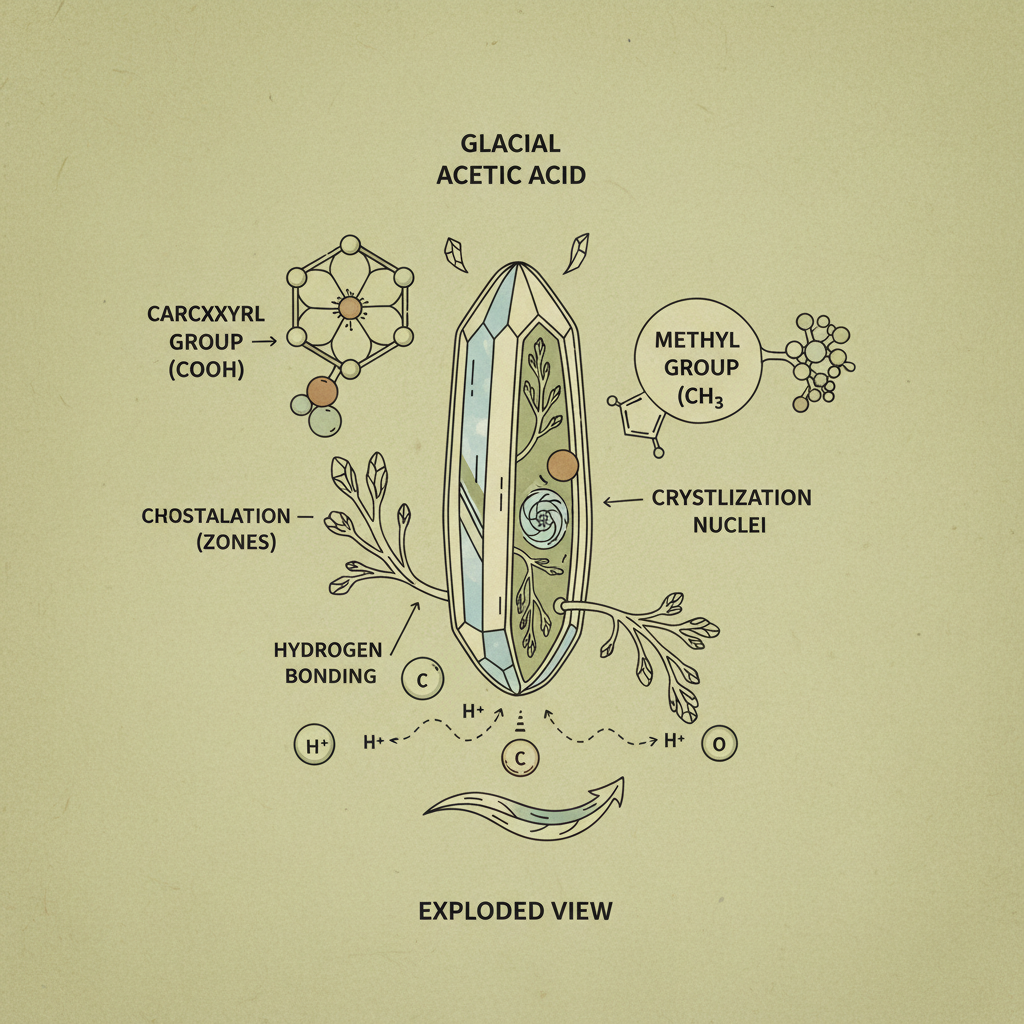
Strangely enough, there’s been a huge push for smaller packaging. Seems like everyone wants micro-batches these days. It's probably for safety reasons, reducing the risk of large spills, but it also means more handling, more potential for leaks. And, honestly, it's annoying for the guys on the ground. They have to refill more often. Anyway, I think the biggest pitfall right now is over-engineering. People get caught up in the specs and forget that simplicity is often best.
You need a material that works, not a material that looks good on a data sheet.
Generally, oem glacial acetic acid has a very long shelf life if stored properly in sealed, corrosion-resistant containers. We typically guarantee it for at least two years, but it can realistically last much longer. The key is to protect it from moisture and air, as those can lead to degradation and formation of impurities. We always recommend a first-in, first-out inventory system to ensure optimal freshness.
Safety is paramount. Always wear appropriate personal protective equipment (PPE), including chemical-resistant gloves, safety goggles, and a respirator in poorly ventilated areas. Avoid contact with skin and eyes. In case of contact, rinse immediately with plenty of water and seek medical attention. Work in a well-ventilated area to minimize inhalation of vapors. Store in a cool, dry place away from incompatible materials.
The applications are widespread. We serve the pharmaceutical industry, where it’s used in drug synthesis. The textile industry uses it for dyeing and finishing. It’s also critical in the production of plastics, rubber, and various chemical intermediates. We even supply to food processing companies, though in much lower concentrations for food preservation. And, of course, many laboratory applications require high-purity oem glacial acetic acid.
Absolutely. We offer a range of purity levels to meet different application requirements. Standard grade is around 99.8%, but we can consistently produce higher purities up to 99.999% for specialized applications. We also adjust the concentration. We work closely with our customers to understand their needs and tailor the product accordingly. That Shenzhen smart home boss was asking for something incredibly specific, which… didn’t end well.
We offer a variety of packaging options to suit different volumes and transportation needs. Common options include 25kg drums, 200kg IBCs (Intermediate Bulk Containers), and smaller bottles for laboratory use. We also offer custom packaging solutions. All packaging is designed to meet strict safety standards and prevent leaks or spills during handling and transport. We pay a lot of attention to materials used for the drum lining, as some plastics aren’t compatible.
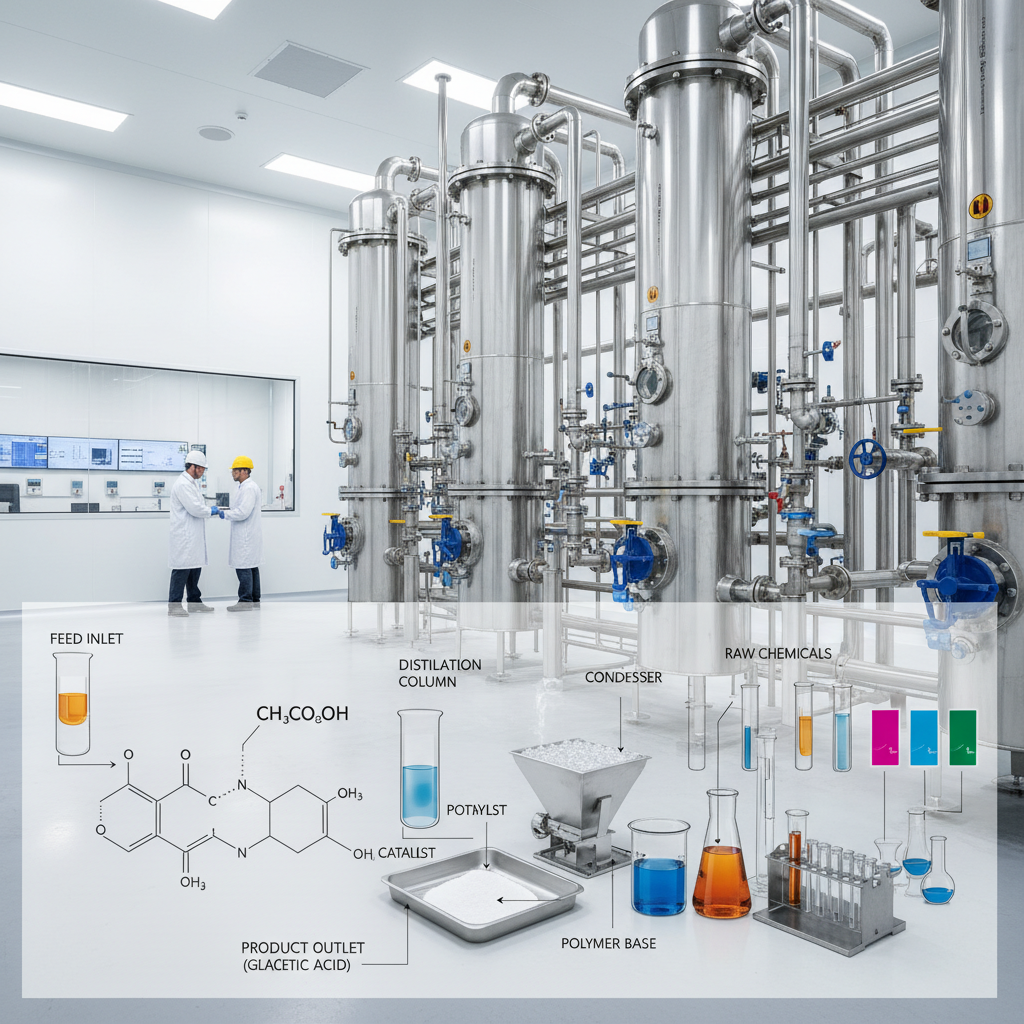
Our quality control is multi-layered. We start with rigorous raw material sourcing and testing. Throughout the production process, we perform regular checks for purity, acidity, and other critical parameters. We use state-of-the-art analytical equipment and adhere to strict quality standards. We also conduct regular blind tests to ensure consistency across batches. Ultimately, it's about maintaining trust with our customers, and that requires unwavering commitment to quality.
So, there you have it. oem glacial acetic acid isn’t the flashiest material, but it’s the workhorse of countless industries. From ensuring the purity of pharmaceuticals to facilitating the production of everyday plastics, it plays a vital, often unseen, role. It’s a matter of understanding its properties, handling it responsibly, and respecting its limitations. It's about choosing the right material for the job, and knowing when to push the boundaries and when to play it safe.
Ultimately, whether this thing works or not, the worker will know the moment he tightens the screw. And that’s the truth of it. It all comes down to practicality, reliability, and making sure the job gets done right. If you're looking for a reliable supply of high-quality oem glacial acetic acid, visit our website to learn more.

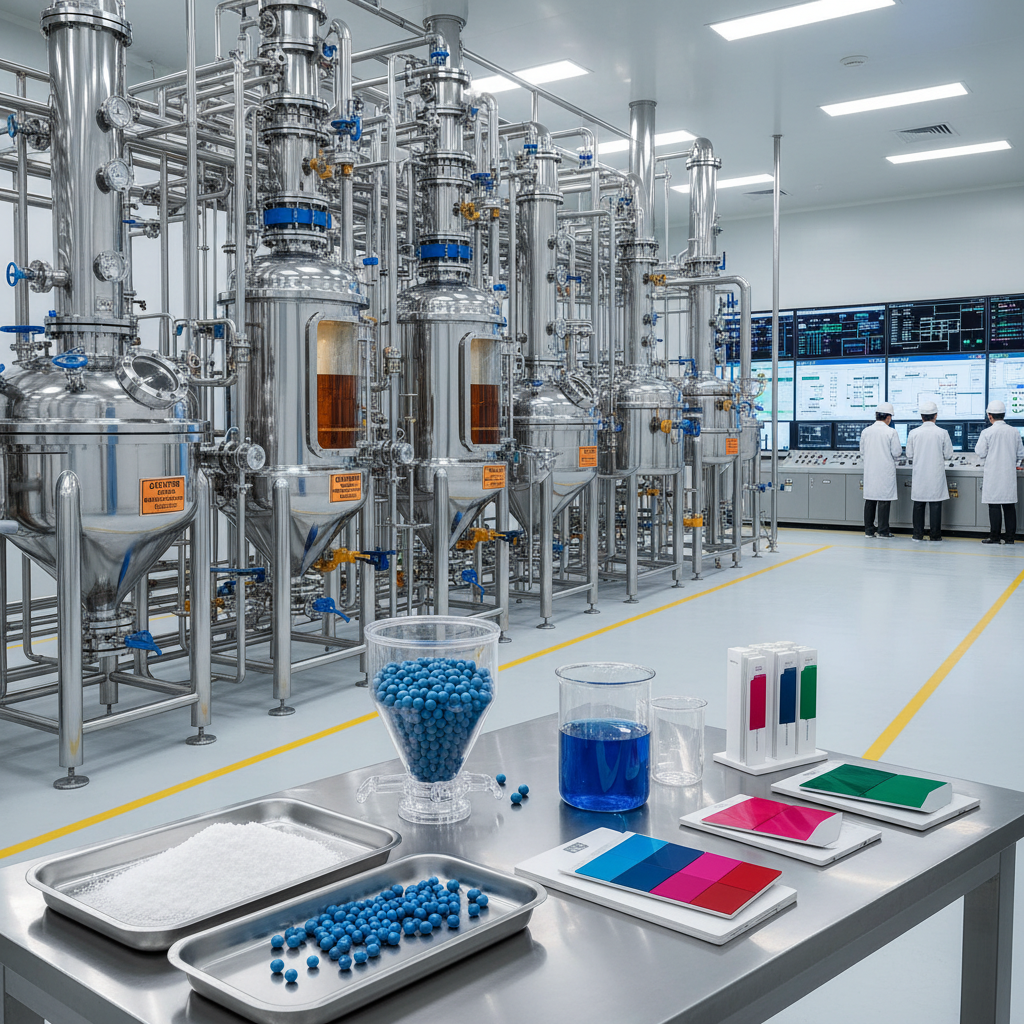
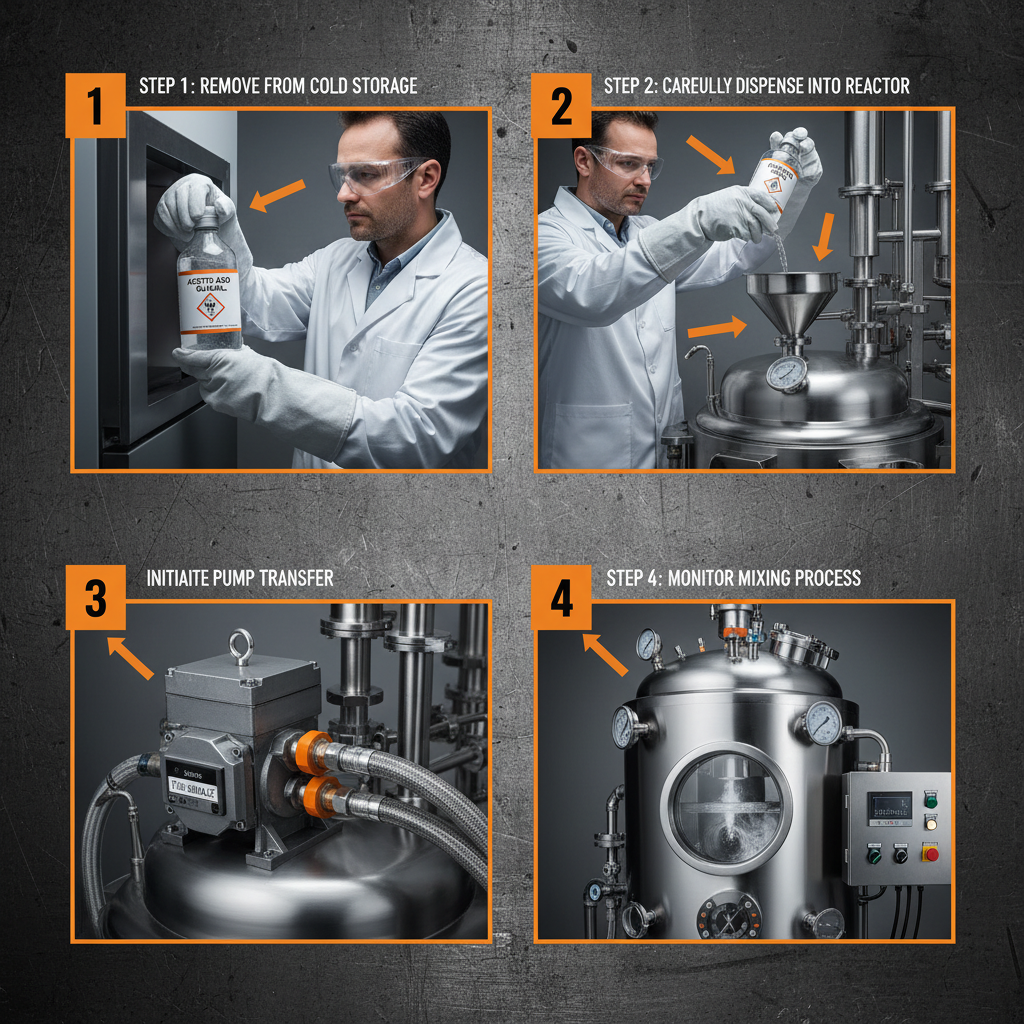

 English
  Belarusian
  Dutch
Dutch  French
  German
  Hindi
Hindi  Indonesian
  Japanese
  Korean
  Lao
Lao  Malay
Malay  Mongolian
  Myanmar
  Polish
  Portuguese
  Russian
  Spanish
  Tagalog
  Thai
Thai  Vietnamese