Acetic acid 500ml, also known as glacial acetic acid due to its appearance when frozen, is a versatile chemical compound with a significant global impact. From its crucial role in the production of various chemicals and polymers to its widespread use in the food and beverage industry, acetic acid 500ml underpins numerous essential processes. Understanding its properties, applications, and safe handling is vital for industries ranging from pharmaceuticals and textiles to agriculture and manufacturing.
The demand for acetic acid 500ml is consistently high, driven by growing economies and expanding industrial sectors. According to recent reports, the global acetic acid market is projected to reach substantial growth in the coming years. This demand presents both opportunities and challenges, necessitating sustainable production methods and efficient distribution networks. The compound’s importance isn’t limited to large-scale industry; it's also a common household ingredient, found in vinegar and utilized for various cleaning and preservation purposes.
This widespread utilization necessitates a deep understanding of acetic acid 500ml's characteristics and best practices for its handling and application. Furthermore, its role in innovative fields like bioplastics and green chemistry highlights its continuing relevance and potential to contribute to a more sustainable future.
The Significance of Acetic Acid 500ml
Acetic acid 500ml is far more than a simple chemical; it’s a foundational building block for numerous industries. Its role extends from the manufacturing of essential materials like vinyl acetate monomer (VAM), used in paints, adhesives, and textiles, to serving as a vital component in pharmaceutical production and food preservation. The consistent demand for these end-products underscores the enduring significance of acetic acid 500ml.
Furthermore, its growing application in sustainable technologies, like the creation of biodegradable plastics, positions acetic acid 500ml as a key player in the future of environmentally friendly manufacturing processes. Understanding its multifaceted contributions is crucial for businesses, researchers, and policymakers alike.
Global Relevance and Industrial Context
Globally, acetic acid 500ml production is concentrated in Asia, particularly China, which accounts for a significant portion of the worldwide supply. The United Nations Comtrade database illustrates the substantial international trade volume of acetic acid, highlighting its importance in global supply chains. Demand is consistently strong in countries with robust manufacturing sectors, like the United States, Germany, and India.
The increasing demand from the textile industry, particularly in developing nations, and the expanding market for purified terephthalic acid (PTA) – a key ingredient in polyester production – further fuel the need for acetic acid 500ml. However, fluctuations in raw material prices (like natural gas and methanol) and geopolitical factors can impact production costs and availability, posing challenges to the industry.
The International Organization for Standardization (ISO) sets standards for acetic acid quality and purity, ensuring consistent product specifications across international markets. Adherence to these standards is critical for maintaining product integrity and facilitating global trade.
Defining Acetic Acid 500ml
Acetic acid 500ml (CH3COOH) is a colorless liquid with a pungent, vinegar-like odor. In its concentrated form – often referred to as glacial acetic acid – it freezes at around 16.7°C (62°F), hence the name. It is a weak organic acid, meaning it doesn't fully dissociate in water, and it’s miscible with water, alcohol, and other solvents.
Its connection to modern industry and humanitarian needs is profound. Beyond its industrial applications, diluted acetic acid (vinegar) has a long history of use in food preservation, preventing spoilage and extending shelf life. This application remains vital in regions with limited access to refrigeration. Furthermore, acetic acid is employed in medical applications, such as the preparation of certain medications and as a disinfectant.
Acetic acid 500ml’s versatility arises from its chemical properties, enabling it to participate in a wide range of chemical reactions, including esterification, acetylation, and neutralization. These reactions form the basis for countless industrial processes and product formulations.
Key Properties of Acetic Acid 500ml
One crucial property of acetic acid 500ml is its high solvency power, allowing it to dissolve a wide range of substances, making it ideal for use in cleaning agents, paint thinners, and chemical synthesis. Another significant aspect is its acidity, which is instrumental in numerous chemical reactions and industrial processes.
Its relatively low cost of production contributes to its widespread adoption, especially when compared to alternative chemical compounds offering similar functionalities. Moreover, its biodegradability, though dependent on concentration and environmental conditions, makes it a comparatively environmentally friendly option.
Acetic Acid 500ml Key Property Comparison
Real-World Applications of Acetic Acid 500ml
Acetic acid 500ml finds extensive application in the production of vinyl acetate monomer (VAM), a key ingredient in paints, adhesives, textiles, and packaging materials. It’s also crucial in the manufacture of cellulose acetate, used in photographic film and cigarette filters. The food and beverage industry relies heavily on acetic acid 500ml, primarily in the form of vinegar, for pickling, preserving, and flavoring.
In post-disaster relief operations, diluted acetic acid solutions can be used for disinfection and sterilization, helping to prevent the spread of disease. In remote industrial zones, acetic acid 500ml is utilized for metal cleaning and etching processes. Furthermore, ongoing research explores its potential in developing novel bioplastics and sustainable materials.
Benefits and Long-Term Value
Utilizing acetic acid 500ml offers significant cost advantages due to its relatively low production cost and wide availability. From a sustainability standpoint, ongoing efforts to produce acetic acid from renewable sources – like biomass fermentation – reduce reliance on fossil fuels. The safety benefits of proper handling and storage are paramount, with established guidelines and protocols minimizing risks.
The long-term value lies in its versatile applications and continuous innovation, particularly within the green chemistry sector. Trust in the consistent quality and purity of acetic acid 500ml, guaranteed by adherence to international standards, is crucial for maintaining product reliability and customer satisfaction.
Future Trends and Innovations
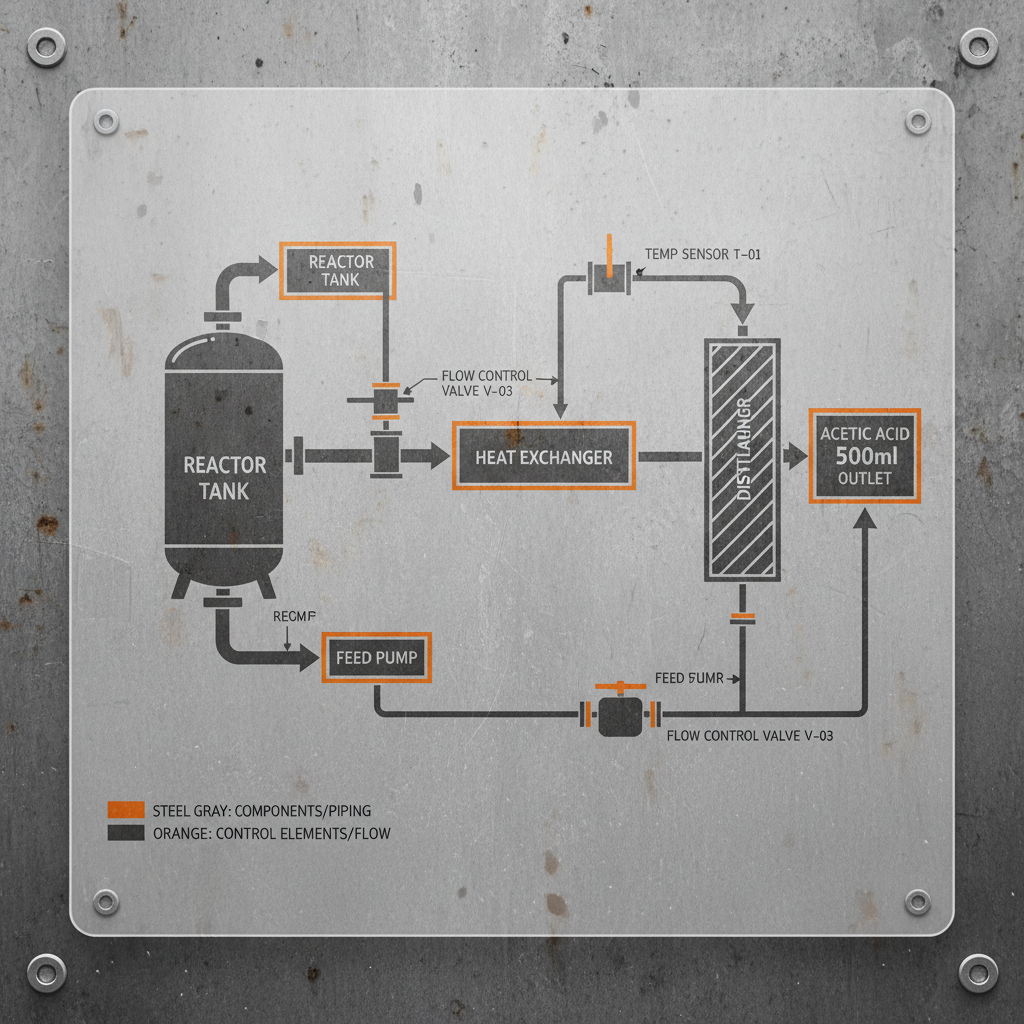
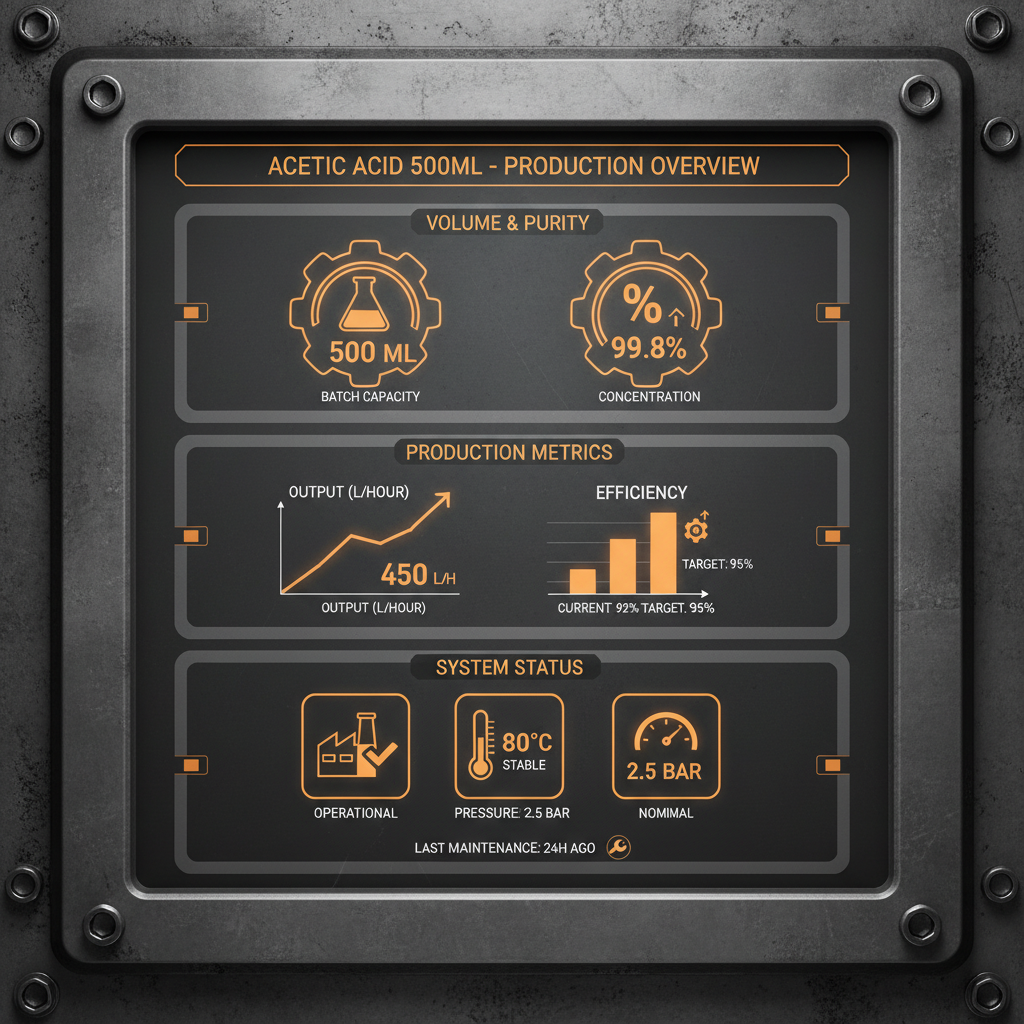
The future of acetic acid 500ml is closely linked to advancements in green chemistry and sustainable manufacturing practices. Ongoing research focuses on developing bio-based production routes, utilizing renewable feedstocks like agricultural waste and biomass. Digital transformation and automation in production processes are expected to enhance efficiency and reduce costs.
The development of more efficient catalysts for acetic acid production could significantly lower energy consumption and environmental impact. Furthermore, exploring new applications in areas like battery technology and carbon capture could unlock even greater potential for this versatile chemical.
The rising demand for biodegradable plastics will likely drive increased demand for acetic acid as a key ingredient in polylactic acid (PLA) production.
Core Analysis of Future Trends in Acetic Acid 500ml
| Trend Category |
Innovation Focus |
Potential Impact (1-10) |
Timeline (Years) |
| Bio-based Production |
Fermentation using agricultural waste |
8 |
5-10 |
| Catalyst Development |
Enhanced catalyst efficiency for lower energy consumption |
7 |
3-7 |
| Digitalization |
Automated process control and optimization |
6 |
2-5 |
| Battery Technology |
Use of acetic acid derivatives in electrolyte formulations |
5 |
10+ |
| Carbon Capture |
Acetic acid as a solvent for CO2 capture |
4 |
10+ |
| Bioplastics Production |
Increased acetic acid usage for PLA production |
9 |
3-5 |
FAQS
Acetic acid 500ml is a key component in the production of vinyl acetate monomer (VAM), used to create paints, adhesives, and textiles. It’s also vital for manufacturing cellulose acetate for photographic film, cigarette filters, and various chemical processes. Furthermore, it’s extensively used in the food industry as vinegar for preservation and flavoring.
Researchers are actively developing bio-based methods for producing acetic acid 500ml, utilizing renewable feedstocks like agricultural waste. This reduces reliance on fossil fuels and lowers the carbon footprint of the chemical industry. It’s also a precursor to biodegradable plastics like polylactic acid (PLA), offering sustainable alternatives to traditional plastics.
Acetic acid 500ml is corrosive and can cause skin and eye irritation. Always wear appropriate personal protective equipment (PPE), including gloves, safety glasses, and a lab coat. Handle it in a well-ventilated area and avoid inhaling the vapors. In case of contact, immediately flush the affected area with plenty of water and seek medical attention.
The price of acetic acid 500ml is influenced by several factors, including the cost of raw materials (natural gas, methanol), global supply and demand dynamics, geopolitical events, and production capacity. Fluctuations in these areas can lead to price volatility in the market.
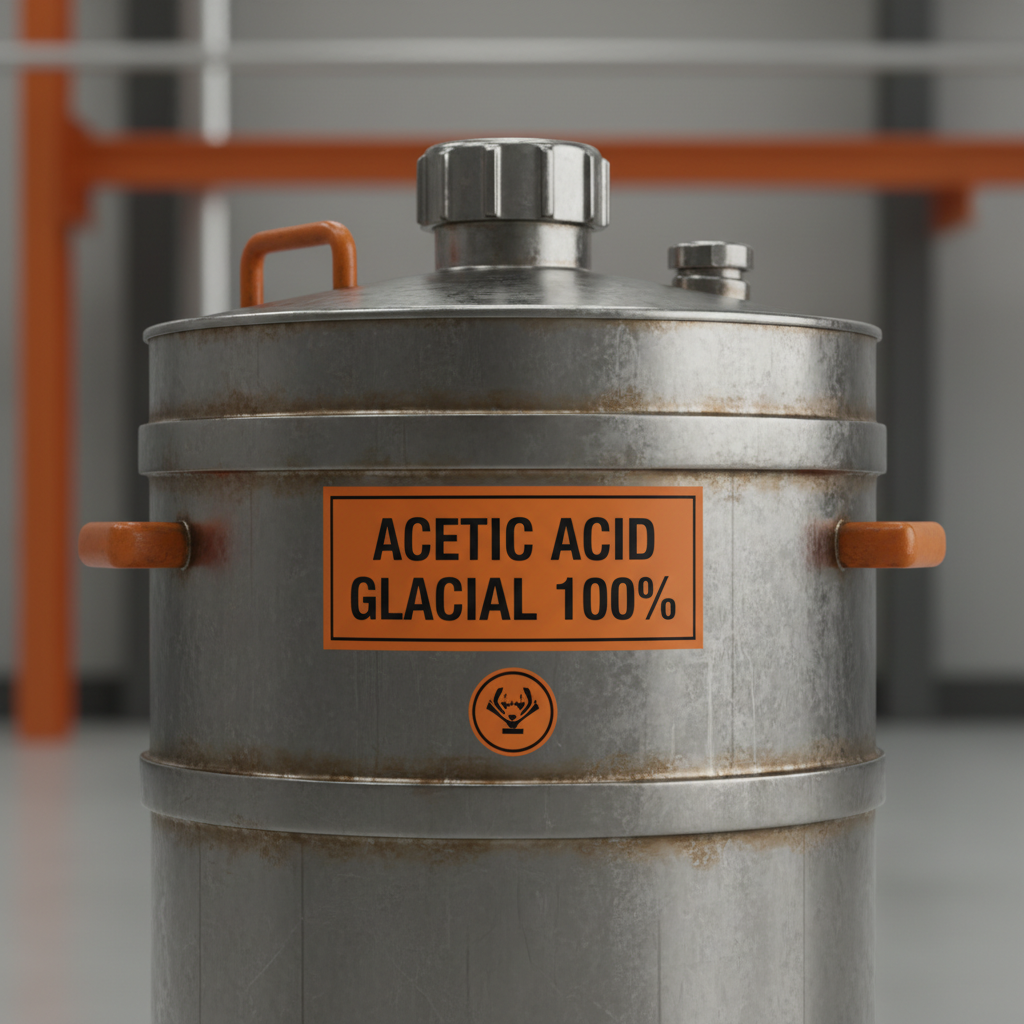
Glacial acetic acid refers to highly concentrated acetic acid (typically >99%), so named because it appears frozen at just above room temperature. While acetic acid 500ml refers to a specific quantity, the composition could be glacial acetic acid or a diluted solution, depending on the product’s intended use. Always check the concentration when procuring acetic acid.
Acetic acid 500ml production typically involves rigorous quality control measures, including gas chromatography (GC) and titrimetric analysis, to ensure purity and meet industry standards (like those set by ISO). Producers often adhere to strict quality management systems like ISO 9001 to guarantee consistent product quality.
Conclusion
Acetic acid 500ml stands as a cornerstone chemical with far-reaching applications, from foundational industrial processes to everyday household uses. Its versatility, coupled with ongoing innovations in sustainable production methods, ensures its continued relevance in a rapidly evolving world. The chemical's importance is only set to grow as industries seek greener and more efficient solutions.
Looking ahead, investing in research and development related to bio-based acetic acid production and exploring new applications in emerging technologies like battery materials will be crucial. By embracing innovation and prioritizing sustainability, we can unlock the full potential of acetic acid 500ml and contribute to a more responsible and prosperous future. Visit our website: www.ysxlglacialaceticacid.com for all your acetic acid 500ml needs.


 English
  Belarusian
  Dutch
Dutch  French
  German
  Hindi
Hindi  Indonesian
  Japanese
  Korean
  Lao
Lao  Malay
Malay  Mongolian
  Myanmar
  Polish
  Portuguese
  Russian
  Spanish
  Tagalog
  Thai
Thai  Vietnamese