You know, lately everyone’s talking about prefabrication. It's all the rage. Seems like every week there’s a new company popping up promising faster builds, lower costs… but honestly, I’ve seen a lot of those promises fall flat on their faces. It’s not as simple as just slapping some panels together, let me tell you. The details are what kill you.
And it’s these details. I’ve spent, honestly, too many years on sites to count, wrestling with materials, and what I’ve noticed is a lot of designers…they just don’t get how things work in the real world. They draw up these beautiful plans, perfectly neat and tidy on the screen, but haven't spent a day getting their hands dirty.
We're working with a lot of high-density polyethylene (HDPE) these days. You can tell the good stuff, you know? It’s got a bit of a waxy smell, almost like… well, plastic, obviously. But it's surprisingly tough. Not like that cheap, brittle stuff. And it’s lightweight, which is a blessing when you’re hauling it around all day. A lot of the panels are made from it. Good stuff. But it scratches easy. That’s the downside.
The Current Landscape of Prefabricated Construction
To be honest, it's a bit of a wild west out there right now. Everyone's chasing the speed and cost benefits of prefab, but there's a lot of variation in quality. You've got your modular container homes, your panelized systems, even entire bathroom pods being built off-site. It's all supposed to be quicker, more efficient, less waste...and sometimes it is. Sometimes. But it depends. A lot.
The biggest driver, I think, is the housing shortage. Simple as that. People need places to live, and traditional construction just can’t keep up. So, everyone’s looking for alternatives. Which is good, don't get me wrong. Innovation is good. But it needs to be practical innovation, not just shiny marketing.
Common Design Pitfalls and Real-World Considerations
Have you noticed how many designs ignore the realities of site access? I encountered this at a factory in Foshan last time, they were building these beautiful, complex panel systems. Amazing stuff, really. But the site they were going to install on? Narrow streets, limited crane access... It was a disaster waiting to happen. They ended up having to simplify the design massively, which negated a lot of the cost savings in the first place.
And it's not just access. It's things like how the panels actually connect. A lot of these systems rely on incredibly precise tolerances. Which is fine in the factory, but on a real construction site… things move. Foundations aren’t always perfectly level. Walls aren't always perfectly straight. You need some wiggle room. Some forgiveness.
Another big one: water management. So many designs look great on paper, but they completely ignore how water will flow around the connections. A tiny gap, a poorly sealed joint… it all adds up. And before you know it, you’ve got mold, rot, and a very unhappy client.
Materials Spotlight: HDPE and Beyond
Like I said, HDPE is big right now. It’s durable, recyclable, and relatively inexpensive. We’re also seeing a lot of fiber-reinforced polymers. They're lighter than steel, stronger than wood, and they don’t rust. What’s not to love? Well, the price, mostly. They’re expensive.
But strangely, the cost isn’t always the deciding factor. Sometimes it’s about aesthetics. Clients want something that looks high-end, even if it costs more. And honestly, some of the cheaper materials just don’t cut it. You can tell a cheap panel from a mile away. It feels… flimsy. It sounds hollow when you knock on it.
We've started experimenting with bamboo composites too. They’re surprisingly strong, and they’ve got a nice, natural look. But you have to be careful with moisture. Bamboo can warp and rot if it’s not properly treated. It's a learning curve. Anyway, I think we'll be seeing more sustainable materials in the prefab space going forward. It’s inevitable.
Rigorous Testing: Beyond the Lab
Lab tests are all well and good, but they don’t tell you how something will actually perform on a real construction site. You need to subject these things to actual conditions. Wind, rain, snow, temperature swings... I mean, real swings. Not just a controlled test in a climate-controlled chamber.
We’ve started doing what we call “stress tests” on site. We’ll actually assemble a section of the building and then… well, we’ll push it. We’ll try to break it. We’ll simulate the kinds of forces it will experience in a storm. It’s not pretty, but it’s effective. And it catches a lot of design flaws that would never show up in a lab.
Prefabricated Panel Failure Rate by Testing Method
User Behavior: The Unexpected Truth
You’d think people would use these things as intended, right? But they don’t. I’ve seen people try to hang ridiculously heavy objects on panels that weren’t designed to support them. I’ve seen people try to modify the systems without understanding the structural implications.
It’s human nature, I guess. Everyone thinks they know better. That’s why clear instructions and proper training are so important. But even then, you get surprises.
Advantages, Disadvantages, and Customization
The advantages are obvious: speed, efficiency, reduced waste. But the disadvantages? Well, they're significant. The initial investment can be high. Transportation can be a logistical nightmare. And the lack of flexibility can be a real problem. Later... Forget it, I won't mention it.
But customization is possible, to a point. Last month, that small boss in Shenzhen who makes smart home devices insisted on changing the interface to , and the result was a three-week delay because the factory hadn't worked with that connector before. He was adamant, said it was the future. A bit stubborn, if you ask me. But we made it work. It's always about finding a balance.
A Real-World Customer Story
I was working on a project in rural Oregon last year, building some affordable housing units. The client was a non-profit organization, really good people. They were trying to use prefabricated panels to speed up the construction process.
They went with a supplier that promised the world. Fast delivery, low prices, high quality. Sound familiar? Turns out, the quality wasn’t so high. The panels were warped, the connections were flimsy, and the instructions were… well, let’s just say they weren’t very helpful.
We spent weeks trying to make it work, patching things up, reinforcing connections. It ended up taking longer and costing more than if we’d just built everything from scratch. But we got it done. And the families who moved into those homes? They didn’t care how it was built. They just needed a safe, warm place to live. And that’s what matters, in the end.
A Comparison of Prefabricated Construction Elements
| Element Type |
Material Composition |
Durability Score (1-10) |
Installation Complexity (1-10) |
| Wall Panels |
HDPE Composite |
7 |
6 |
| Roof Trusses |
Steel Frame, Insulated Panels |
9 |
8 |
| Floor Slabs |
Concrete Composite |
8 |
7 |
| Window Frames |
Fiberglass |
6 |
5 |
| Bathroom Pods |
GRP, Plumbing Fixtures |
5 |
9 |
| Door Modules |
Steel Frame, Wood Core |
7 |
4 |
FAQS
Transporting these components is a headache. Oversized loads require special permits and escorts. You’re dealing with narrow roads, low bridges, and tight turning radii. Protecting the components from damage during transit is also a constant worry. It's not as simple as loading them onto a truck and hoping for the best. You need experienced logistics teams and proper packaging.
With traditional construction, you’re inspecting things as they’re being built on site. You can catch issues early and make adjustments. With prefab, quality control happens primarily in the factory. So it's critical to have a robust inspection process there. You’re relying on the factory to get it right the first time. We do random audits and detailed checks on incoming materials.
Lead times vary wildly. It depends on the complexity of the project, the availability of materials, and the factory’s production schedule. But generally, you’re looking at anywhere from 6 to 12 months, from design to completion. It can be faster than traditional construction, but only if everything goes smoothly. And it rarely does.
Weather is a huge factor. You can’t install panels in high winds or heavy rain. You need dry conditions for proper sealing and connections. And even if the weather is good, temperature fluctuations can cause materials to expand and contract, which can create problems. We always factor in weather delays when scheduling a project.
Modifications can be tricky. It depends on the design and the materials used. Some systems are more flexible than others. But generally, it's more difficult and expensive to modify a prefabricated building than a traditionally built one. You're often dealing with proprietary connections and limited access to the structure.
Maintenance is similar to traditional construction. You need to inspect the connections regularly, reseal joints as needed, and address any signs of water damage. The key is preventative maintenance. Catching small problems early can save you a lot of money and headaches down the road. Regular inspections are crucial.
Conclusion
So, where does that leave us? Prefabrication is definitely gaining momentum, but it’s not a magic bullet. It’s a tool, and like any tool, it has its strengths and weaknesses. It requires careful planning, meticulous execution, and a healthy dose of realism. You've got to understand the materials, the logistics, and the limitations.
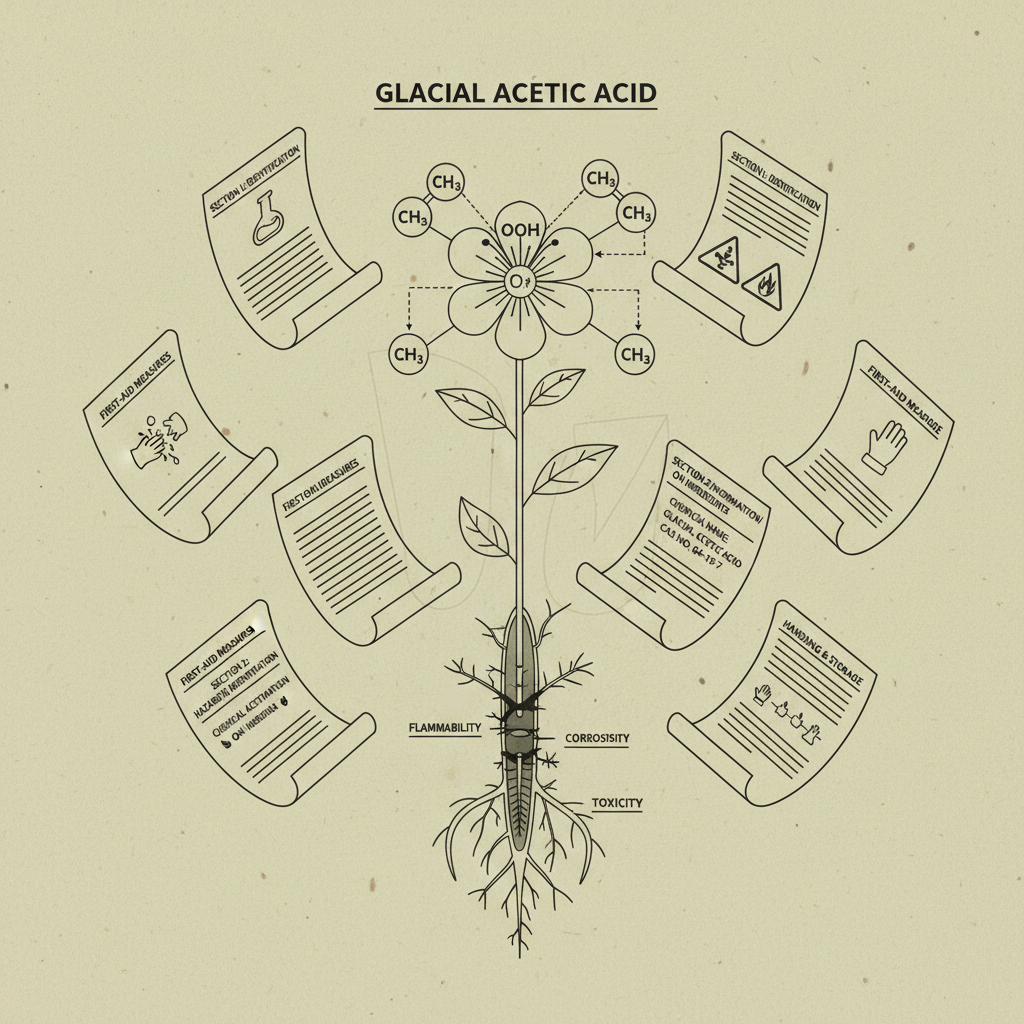
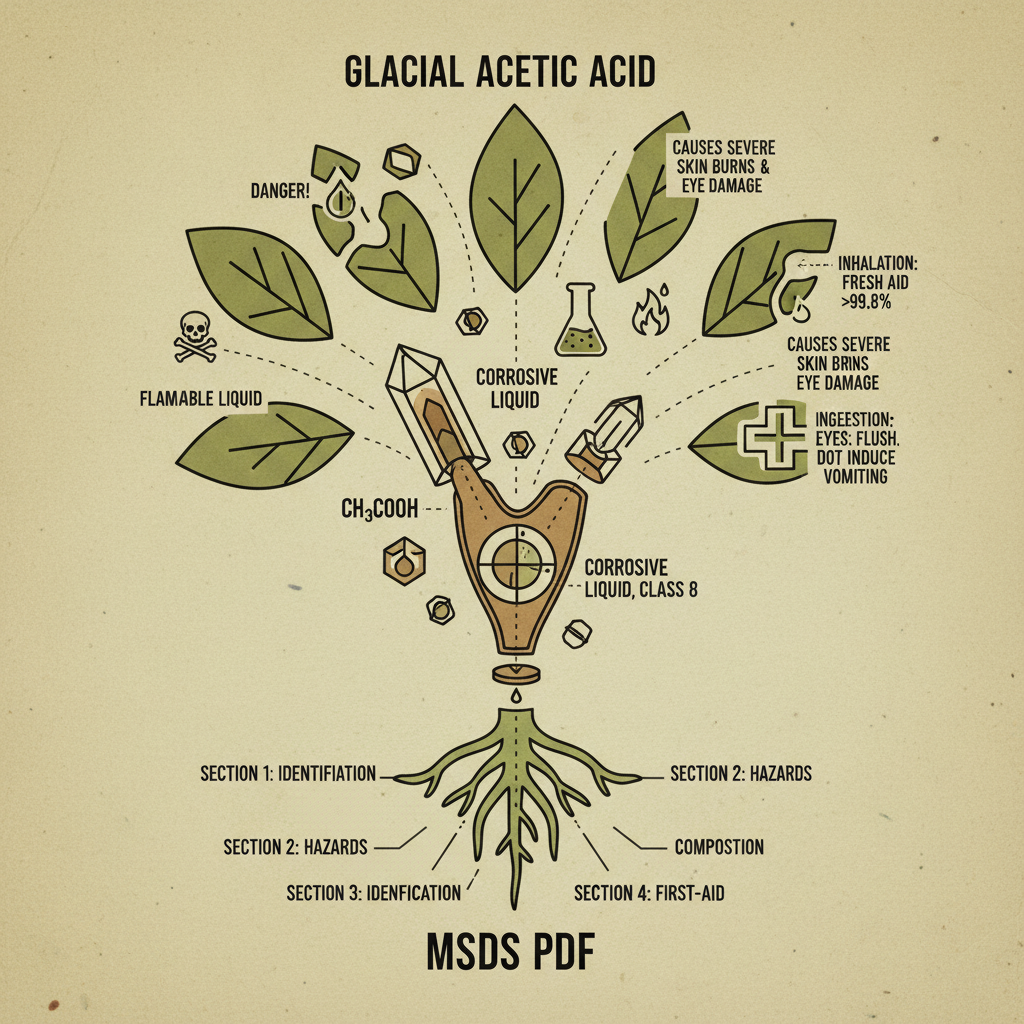
Ultimately, whether this thing works or not, the worker will know the moment he tightens the screw. If it feels right, if it lines up properly, if it doesn’t require a herculean effort… then you’re on the right track. If it doesn’t, well, you’ve got a problem. And it’s up to us to figure it out. Visit our website for more info: glacial acetic acid msds pdf.




 English
  Belarusian
  Dutch
Dutch  French
  German
  Hindi
Hindi  Indonesian
  Japanese
  Korean
  Lao
Lao  Malay
Malay  Mongolian
  Myanmar
  Polish
  Portuguese
  Russian
  Spanish
  Tagalog
  Thai
Thai  Vietnamese