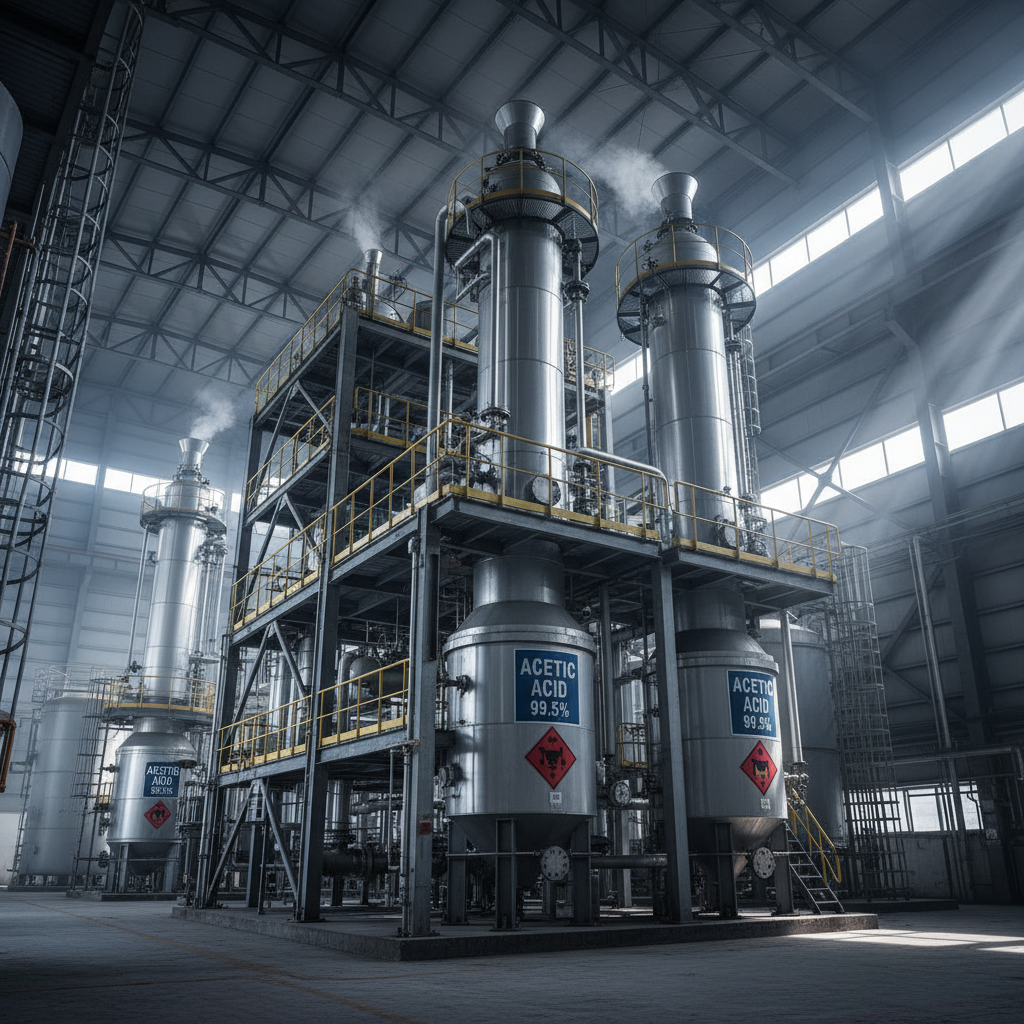
5 glacial acetic acid is a highly concentrated solution of acetic acid, typically around 99%. It’s a versatile chemical with applications spanning numerous industries, from pharmaceuticals and food processing to textiles and chemical manufacturing. Understanding its properties and safe handling procedures is crucial for professionals across these fields, driving innovation and ensuring process efficiency. The increasing demand for high-purity chemicals globally makes 5 glacial acetic acid a commercially significant commodity.
The global market for acetic acid, and consequently 5 glacial acetic acid, is driven by growth in end-use industries, particularly in emerging economies. According to market research reports, the acetic acid market is projected to continue expanding in the coming years, fueled by demand from the purified terephthalic acid (PTA) sector, a key ingredient in polyester production. This translates to a growing need for consistent supply and quality control of 5 glacial acetic acid.
5 glacial acetic acid addresses critical needs in several industries. Its high purity makes it ideal for applications requiring stringent quality standards, like the production of acetate solvents and various chemical intermediates. Furthermore, research and development in new materials and chemical processes frequently rely on the unique properties of this concentrated acid, underscoring its importance in driving technological advancements.
Introduction to 5 Glacial Acetic Acid
5 glacial acetic acid is a fundamental chemical building block, employed across a remarkably diverse spectrum of industrial processes. From the production of vital pharmaceutical ingredients to the creation of essential polymers, its versatile nature makes it a cornerstone of modern manufacturing. A thorough understanding of its characteristics and applications is paramount for ensuring both efficiency and safety in these processes.
Its significance extends beyond purely industrial applications. 5 glacial acetic acid serves as a crucial component in laboratory research, analytical chemistry, and even certain food processing techniques. Its ability to act as both a solvent and a reagent makes it indispensable for a wide range of scientific endeavors, continually driving innovation in multiple disciplines.
Defining 5 Glacial Acetic Acid
5 glacial acetic acid refers to anhydrous acetic acid – meaning it contains less than 1% water. This high concentration distinguishes it from diluted acetic acid solutions like vinegar. The “glacial” designation historically derived from its purification method, where cooling would cause the acetic acid to solidify into ice-like crystals. While modern production methods differ, the name persists to denote its high purity.
Chemically, it's represented by the formula CH3COOH, a simple carboxylic acid. Its potency and purity make it a valuable raw material for synthesizing a wide array of chemicals, including esters, anhydrides, and various acetate salts. These derivatives find application in the production of plastics, solvents, fragrances, and numerous other commercial products.
In today's world, the ability to acquire consistently high-quality 5 glacial acetic acid is essential for industries aiming to produce superior products and maintain competitive edge. Its defining characteristic—purity—is a critical factor impacting product performance and quality control within the entire supply chain.
Core Properties of 5 Glacial Acetic Acid
One of the most defining properties of 5 glacial acetic acid is its strong acidity. It’s a corrosive substance capable of causing significant damage to skin and materials. This necessitates careful handling procedures and appropriate personal protective equipment. Its boiling point is relatively high at 118°C (244°F), making it stable in many industrial processes.
Furthermore, 5 glacial acetic acid is a highly effective solvent, capable of dissolving a wide range of organic compounds. This solubility is crucial in applications like chemical synthesis and cleaning processes. It also exhibits hygroscopic properties, meaning it readily absorbs moisture from the air, which must be accounted for in storage and handling.
Its miscibility with water, alcohol, ether, and many other organic solvents contributes to its versatility. The compound's distinct odor, although noticeable, is relatively mild compared to some other strong acids. It’s important to remember that these properties, while beneficial, require strict adherence to safety protocols when working with the substance.
Key Applications Across Industries
The pharmaceutical industry heavily relies on 5 glacial acetic acid for the synthesis of various drugs and pharmaceutical intermediates. It acts as a key reagent in the production of antibiotics, vitamins, and other essential medications, ensuring the high purity levels demanded by the industry. Its use in buffering solutions and pH control is also critical in pharmaceutical formulations.
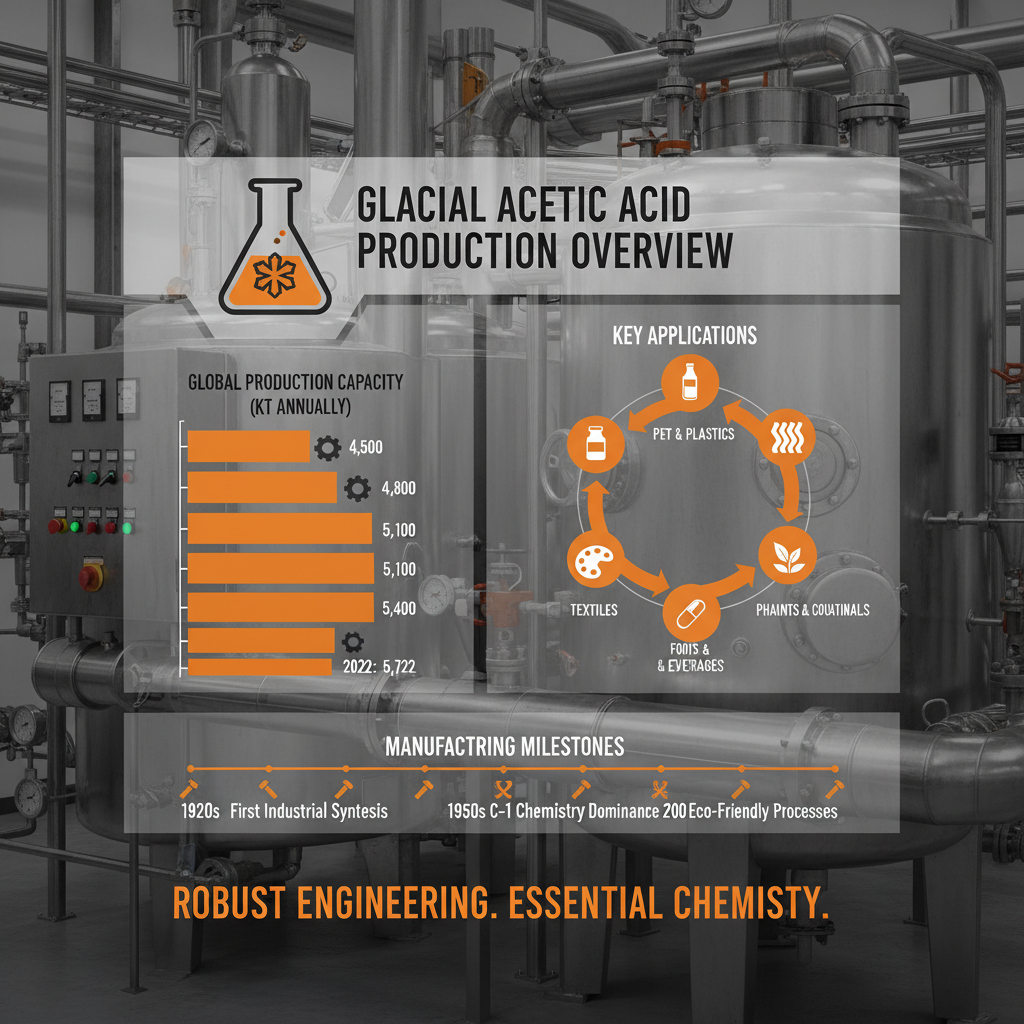
In the textiles sector, 5 glacial acetic acid is integral to the production of cellulose acetate, a crucial material for manufacturing fabrics and fibers. It’s also used in dyeing and finishing processes, improving fabric quality and durability. The food industry utilizes it as a preservative and flavoring agent, although in highly regulated concentrations.
5 Glacial Acetic Acid Application Breakdown
Advantages and Economic Value
The economic benefits of utilizing 5 glacial acetic acid are significant. Its high reactivity and efficiency in chemical processes reduce waste and improve yields, ultimately lowering production costs. The consistent quality minimizes batch failures and simplifies quality control, contributing to increased profitability.
Beyond cost savings, 5 glacial acetic acid offers sustainability advantages. Optimized processes leveraging its properties can reduce energy consumption and minimize environmental impact. Its use in bio-based material production, like cellulose acetate from sustainable sources, further enhances its ecological profile.
Future Trends and Innovations
Ongoing research focuses on developing more sustainable production methods for 5 glacial acetic acid, exploring routes utilizing renewable feedstocks like biomass. The integration of digital technologies, such as process monitoring and AI-driven optimization, promises to improve efficiency and reduce waste in its manufacturing and application.
Furthermore, advances in catalytic technologies are paving the way for more selective and environmentally friendly reactions utilizing 5 glacial acetic acid. This will unlock new possibilities for synthesizing complex chemicals with reduced energy consumption and minimized byproduct formation.
The rise of “green chemistry” principles is increasingly prioritizing the use of sustainable and less hazardous chemicals, positioning 5 glacial acetic acid as a valuable component in future chemical processes due to its versatility and potential for optimization.
Challenges and Sustainable Practices
Despite its benefits, handling 5 glacial acetic acid presents challenges due to its corrosive nature and potential environmental impact. Safe storage, transportation, and disposal require stringent protocols and adherence to regulatory guidelines. Minimizing emissions during production and use is also critical.
Implementing closed-loop systems for solvent recovery and reuse can significantly reduce waste and environmental footprint. Investing in advanced wastewater treatment technologies ensures that any residual 5 glacial acetic acid is effectively neutralized before discharge. Exploring bio-based production routes offers a path towards greater sustainability.
Adopting a circular economy approach, where waste streams are viewed as resources, can further minimize environmental impact and enhance the long-term viability of 5 glacial acetic acid as a valuable chemical commodity. Continuous monitoring and proactive safety measures are paramount for responsible utilization.
Summary of Challenges & Mitigation Strategies
| Challenge |
Impact Area |
Mitigation Strategy |
Implementation Cost (1-10) |
| Corrosivity |
Worker Safety |
Implement robust PPE protocols & engineering controls |
6 |
| Wastewater Treatment |
Environmental Impact |
Invest in advanced neutralization & biological treatment systems |
8 |
| Supply Chain Vulnerability |
Production Continuity |
Diversify sourcing & build strategic stockpiles |
5 |
| Volatile Pricing |
Production Costs |
Long-term contracts & hedging strategies |
4 |
| Reliance on Fossil Fuels |
Carbon Footprint |
Transition to bio-based production methods |
7 |
| Regulatory Compliance |
Legal & Operational Risks |
Implement robust monitoring & reporting systems |
6 |
FAQS
When handling 5 glacial acetic acid, always wear appropriate personal protective equipment (PPE) including gloves, safety goggles, and a lab coat. Work in a well-ventilated area to avoid inhaling vapors. Avoid contact with skin and eyes, and have readily available emergency eyewash and safety shower stations. In case of spills, neutralize with a suitable base and follow established safety protocols. Proper training is essential for all personnel handling this chemical.
To preserve the purity of 5 glacial acetic acid, store it in tightly sealed containers made of materials compatible with the acid (like glass or specific plastics). Keep containers in a cool, dry, and well-ventilated area, away from direct sunlight, heat sources, and incompatible materials such as strong bases or oxidizing agents. Ensure the storage area is equipped with spill containment measures, and regularly inspect containers for any signs of leakage or damage.
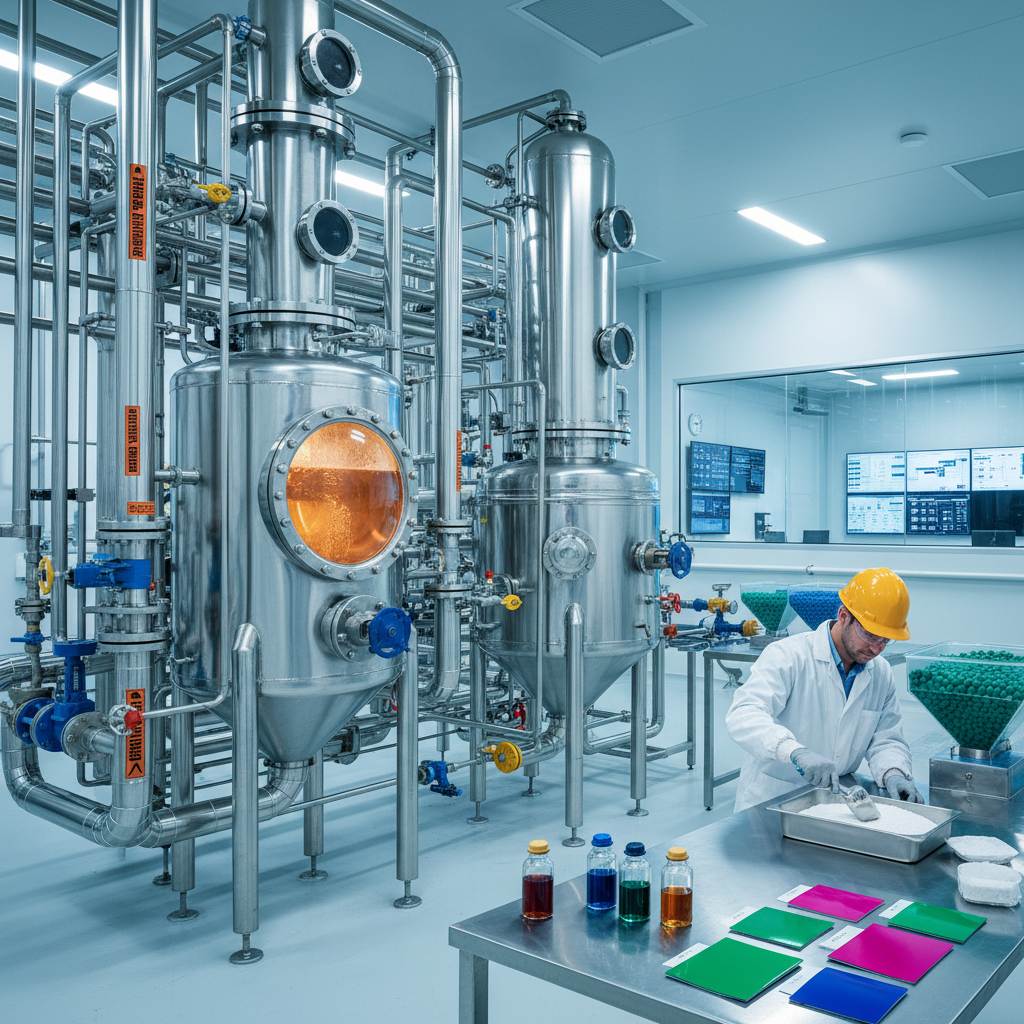
In laboratories, 5 glacial acetic acid serves as a crucial reagent in various chemical reactions, including esterifications, acetylations, and as a solvent for recrystallization processes. It's also used in preparing buffer solutions for pH control, DNA precipitation, and protein purification. Its high purity makes it ideal for analytical chemistry applications, ensuring accurate and reliable results.
The pharmaceutical industry demands extremely high purity levels in all its raw materials. Impurities in 5 glacial acetic acid can interfere with drug synthesis, leading to unwanted side products, reduced yields, and potential safety concerns. High-quality 5 glacial acetic acid ensures the integrity of the pharmaceutical product, meets stringent regulatory requirements, and safeguards patient health.
Yes, research is actively exploring sustainable alternatives. Current production heavily relies on petrochemicals. Emerging methods include producing acetic acid from biomass via fermentation, utilizing waste streams from agricultural processes. Catalytic conversion of ethanol and other renewable sources are also promising avenues. These alternatives aim to reduce the carbon footprint and environmental impact of 5 glacial acetic acid production.
The transportation and handling of 5 glacial acetic acid are subject to stringent regulations set by organizations like the Department of Transportation (DOT) and the International Maritime Organization (IMO). These regulations cover packaging, labeling, documentation, and emergency response procedures. Compliance with these standards is crucial to ensure safe transportation and prevent accidents, adhering to international safety standards.
Conclusion
In conclusion, 5 glacial acetic acid remains an indispensable chemical compound with widespread applications across diverse industries. Its high purity, solvent properties, and reactivity make it essential for pharmaceutical production, textile manufacturing, chemical synthesis, and laboratory research. Continued innovation in sustainable production methods and responsible handling practices are crucial for maximizing its benefits while minimizing its environmental impact.
Looking ahead, the demand for 5 glacial acetic acid is expected to grow alongside global economic development and the increasing need for advanced materials and chemical products. By embracing sustainable practices, investing in research, and prioritizing safety, we can unlock the full potential of this versatile compound and ensure its continued contribution to technological advancements and a more sustainable future. Visit our website at www.ysxlglacialaceticacid.com to learn more.


 English
  Belarusian
  Dutch
Dutch  French
  German
  Hindi
Hindi  Indonesian
  Japanese
  Korean
  Lao
Lao  Malay
Malay  Mongolian
  Myanmar
  Polish
  Portuguese
  Russian
  Spanish
  Tagalog
  Thai
Thai  Vietnamese