
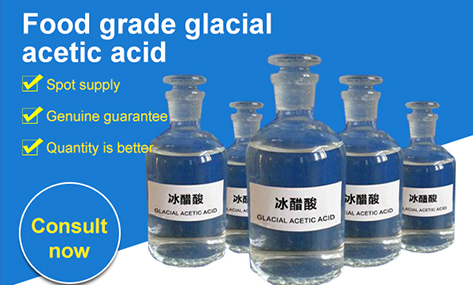
High-Purity anhydrous acetic acid Solutions for Uruguay Food Manufacturing

Empowering the Uruguayan food additive industry with premium chemical stability and sustainable acidification agents for global export standards.

High-Purity anhydrous acetic acid Solutions for Uruguay Food Manufacturing

Providing industrial-grade acidification and preservative solutions tailored for the unique demands of the Uruguayan agrifood processing sector.

Current Landscape of Food Additive Manufacturing in Uruguay

Analyzing the integration of glacial acetic acid in South America's livestock-driven food economy.

Uruguay's food manufacturing sector is deeply intertwined with its robust livestock and dairy industries. The demand for high-quality acidification agents like glacial acetic is driven by the need to maintain strict pH levels in meat processing and dairy preservation, ensuring products meet EU and US export quality standards.

Currently, the local market relies heavily on imported chemical precursors. The logistical challenge of transporting corrosive substances across South American borders has led many Uruguayan manufacturers to seek more stable, concentrated forms of acetate to reduce freight costs and improve storage efficiency in humid coastal climates.

Despite a strong agricultural base, the transition toward specialized food additive manufacturing is still evolving. The adoption of acoh glacial allows local firms to synthesize a wider array of preservatives, moving from simple raw material export to high-value-added food chemical production.

Evolution of Acidification Technology in Uruguayan Food Plants

From traditional vinegar fermentation to the precision of diluting glacial acetic acid processes.

Market Development History

In the early 2000s, Uruguayan food preservation primarily relied on naturally fermented vinegars. However, the lack of concentration consistency hindered the scalability of industrial food additives, limiting the ability of local producers to standardize tastes and shelf-lives for the international market.

Between 2010 and 2020, the industry shifted toward the adoption of synthetic concentrated acids. This period saw the introduction of industrial-grade acetates, where the ability to control the concentration via diluting glacial acetic acid became a core competency for local chemical engineers in Montevideo and beyond.

Today, the focus has shifted to "Ultra-Pure" grades. The integration of E-E-A-T principles in manufacturing means that Uruguayan plants now prioritize traceability and purity certificates, ensuring that their acetic acid sources are free from heavy metal contaminants.

Future Development Trends

Bio-based Synthesis Integration

The trend is moving toward carbon-neutral acetic acid production, leveraging Uruguay's green energy grid to power the synthesis of food-grade additives.

Precision pH Automation

IoT-driven dosing systems are replacing manual mixing, allowing for real-time adjustment of acid concentrations in large-scale meat curing tanks.

Eco-friendly Packaging Logistics

Shift toward reusable IBC tanks and specialized linings to reduce the environmental impact of transporting hazardous food chemicals.

Industrial Outlook & Strategic Trends (2024-2029)

Forecasting the trajectory of the food additive sector in the Southern Cone.

Green Chemistry Transition
Moving toward biodegradable catalysts in the production of acetic acid derivatives to meet EU "Green Deal" import requirements.
Export-Grade Standardization
Increasing demand for ultra-low impurity profiles in acids used for gourmet beef and dairy exports to Asia.
Smart Dosing Systems
Integration of automated pH control systems to optimize the consumption of concentrated acids in food plants.
Regulatory Alignment
Tightening of MERCOSUR food safety regulations regarding the purity of synthetic acid additives.

Industry Outlook

Google search trends indicate a rising interest in "sustainable food preservatives" within South America. For Uruguay, this translates to a shift from bulk chemical use to targeted, high-purity applications where smaller volumes of concentrated acid provide superior stability.

The future will likely see a synergy between traditional Uruguayan ranching and high-tech food chemistry, where the precision of acetic acid application enhances the shelf-life of organic meat products without compromising the "natural" label demanded by premium markets.

Localized Application Scenarios in Uruguay

How concentrated acetic solutions solve real-world production challenges in Uruguayan food plants.

01. Premium Beef Curing & pH Control

In the export-oriented beef sector, precise acidification is used to inhibit microbial growth. Manufacturers use high-purity acids to ensure the meat retains its color and texture during long-distance shipping to China and the US.

02. Dairy Casein Stabilization

Uruguayan cheese producers utilize concentrated acetates to adjust the acidity of whey and milk proteins, facilitating the production of consistent, high-quality gourmet cheeses for the European market.

03. Industrial Pickling of Local Produce

For the domestic vegetable preservation industry, using industrial acids allows for a more stable brine concentration than traditional fermentation, ensuring year-round product uniformity.

04. Food-Grade Equipment Sterilization

Acetic acid is employed as a mild, food-safe descaling agent for cleaning stainless steel vats in dairy plants, preventing mineral buildup without leaving toxic residues.

05. Synthesis of Acetate Preservatives

Local chemical labs use concentrated precursors to synthesize sodium acetate and other salts used as buffering agents in processed food snacks produced within Uruguay.

Brand Story

Global Development Journey of Shijiazhuang Gaocheng Xiongxing Metal Wire Factory

Foundational Excellence

Starting as a specialized industrial supplier, we built our reputation on the uncompromising quality of metallic and chemical precursors, focusing on the core needs of heavy industry.

Strategic Diversification

Recognizing the global shift toward food safety, we expanded our expertise into high-purity chemical manufacturing, bridging the gap between industrial strength and food-grade purity.

Global Logistics Optimization

We developed a sophisticated supply chain network capable of delivering hazardous materials safely to South America, overcoming the unique challenges of long-haul maritime transport.

Commitment to Sustainability

By integrating green chemistry and reducing waste in our synthesis processes, we align our mission with the global movement toward a circular economy in food manufacturing.

The Uruguay Partnership

Our current mission is to empower Uruguayan food producers by providing the chemical stability they need to lead the global market in sustainable and high-quality protein exports.

Full Product Portfolio for the Uruguayan Food Sector

A comprehensive range of acidification and preservation agents tailored for MERCOSUR standards.

Common Questions for Uruguayan Industrial Users

Technical guidance on the use and procurement of high-purity acetic solutions.

How should I handle the safety of anhydrous acetic acid in food plants?

Strict adherence to PPE guidelines is required. Because of its high concentration, it must be stored in corrosion-resistant tanks with proper ventilation and secondary containment to prevent environmental leakage.

What is the best method for diluting glacial acetic acid for food preservatives?

Always add the acid to water, never water to the acid, to avoid exothermic reactions. Use a calibrated mixing vessel with continuous stirring to ensure a homogenous pH level throughout the batch.

Is your acoh glacial compliant with international food safety standards?

Yes, our products are manufactured to meet the strictest purity requirements, ensuring no heavy metal residues, making them suitable for food additive synthesis for export markets.

How does humidity in Uruguay affect the storage of glacial acetic?

Glacial acetic acid is hygroscopic. In the humid climate of Montevideo or Punta del Este, containers must be airtightly sealed to prevent moisture absorption, which could lower the purity levels.

What are the lead times for shipping high-purity acids to Uruguay?

Lead times vary based on the port of entry, but we optimize our maritime routes to ensure that Uruguayan manufacturers receive their shipments in a timely manner to avoid production downtime.

Can glacial acetic be used directly in meat curing?

No, it is too concentrated for direct application. It must be diluted to a specific percentage (usually 5-10%) to act as a safe and effective acidification agent in curing processes.

Ready to Optimize Your Food Production?

Contact our technical team for customized acetic acid solutions and bulk pricing tailored for your business in Uruguay.

Contact Us Now

If you are interested in our products, you can choose to leave your information here, and we will be in touch with you shortly.