10 glacial acetic acid is a highly concentrated solution of acetic acid, typically around 99%, possessing unique properties that make it invaluable across diverse industries. Its high purity and low water content contribute to its effectiveness as a chemical reagent, solvent, and preservative. Understanding its characteristics and applications is crucial for professionals in manufacturing, pharmaceuticals, food processing, and various research fields. The precise control offered by 10 glacial acetic acid in chemical reactions and its role in maintaining product stability underscore its global significance.
The demand for 10 glacial acetic acid is continuously growing, driven by industrial expansion and technological advancements. Global production is concentrated in key regions like China, the United States, and Europe, with increasing attention being paid to sustainable production methods and minimizing environmental impact. The stringent quality control measures demanded by industries like pharmaceuticals ensure the product's reliability and safety. Challenges include fluctuating raw material prices and the need for responsible waste management, requiring continuous innovation in production processes.
Ultimately, 10 glacial acetic acid serves as a cornerstone chemical in countless processes that impact our daily lives. From the production of plastics and textiles to the manufacturing of medicines and food additives, its versatility and unique properties make it an indispensable component of modern industry. Continued research and development are focused on exploring new applications and improving the sustainability of its production, solidifying its importance in the years to come.
Introduction to 10 glacial acetic acid
10 glacial acetic acid’s importance stems from its exceptional purity and reactivity, making it a critical component in numerous chemical syntheses. Its consistent composition allows for predictable and reliable results in laboratory settings and industrial applications. 10 glacial acetic acid quality is often certified to meet stringent standards, essential for sectors demanding precision.
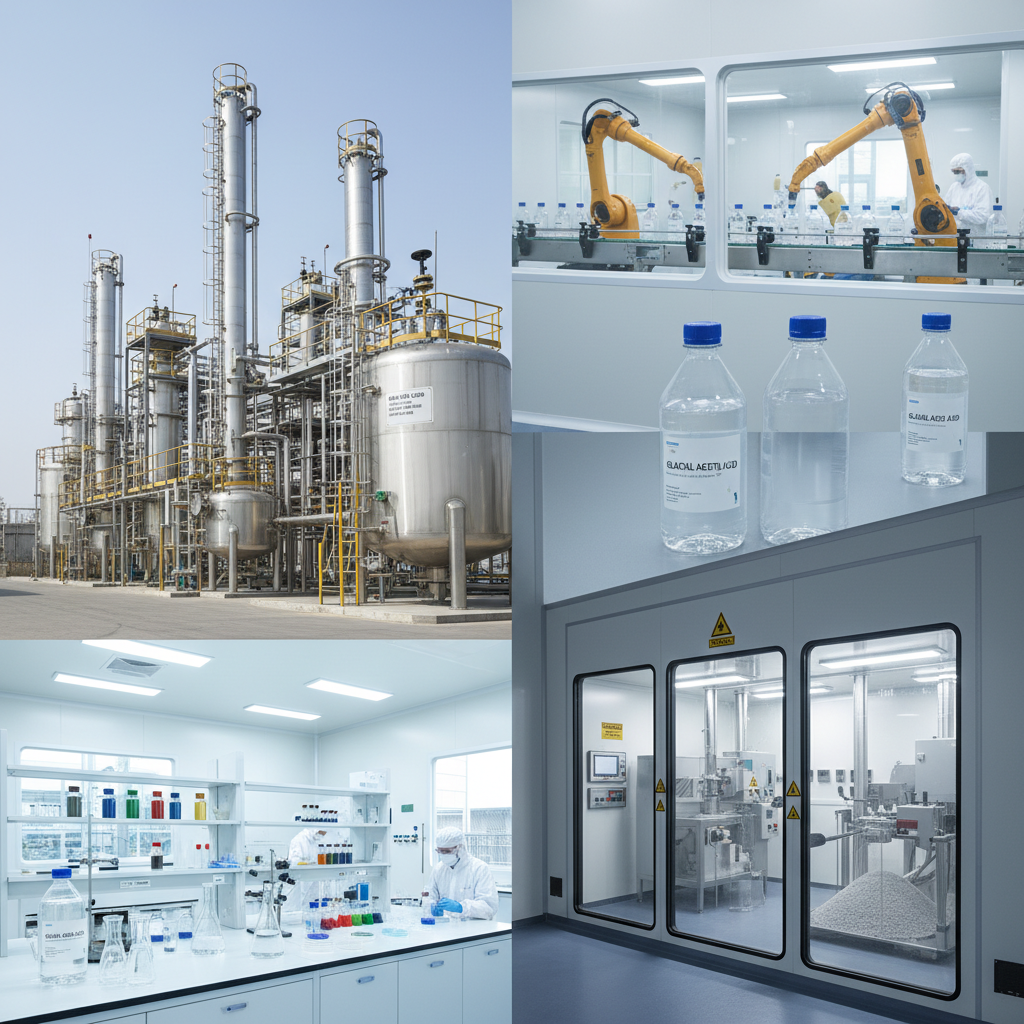
Beyond its chemical uses, 10 glacial acetic acid serves as a crucial solvent and cleaning agent in many manufacturing processes. Its ability to dissolve a wide range of substances makes it ideal for maintaining equipment and ensuring product purity. The widespread availability and cost-effectiveness of 10 glacial acetic acid contribute to its continued use across a vast spectrum of industries.
Global Relevance and Industry Context
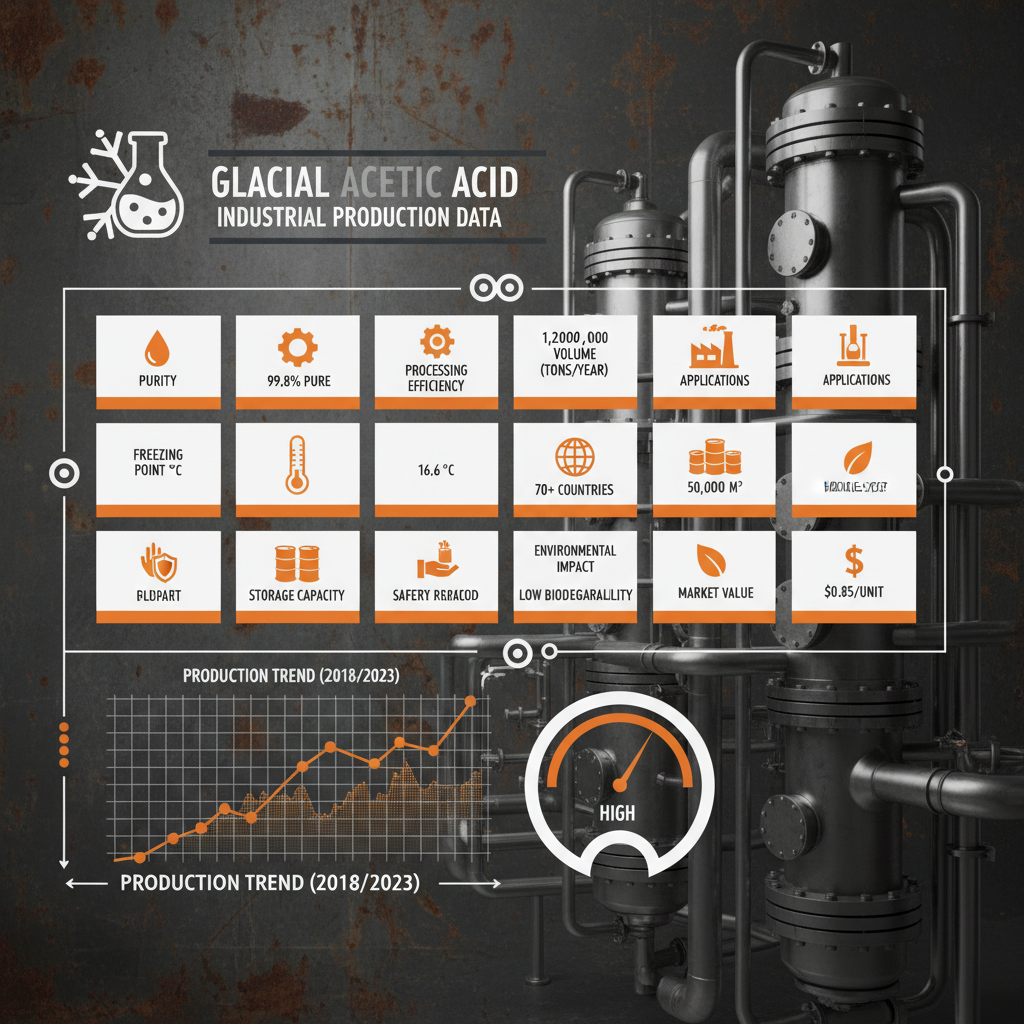
The global market for acetic acid, and consequently 10 glacial acetic acid, is significant and continues to expand, valued at billions of dollars annually. Major consuming regions include Asia-Pacific, North America, and Europe, driven by growth in end-use industries like textiles, polymers, and pharmaceuticals. According to industry reports, demand is projected to increase steadily, fueled by rising living standards and increased industrial output in developing economies.
The increasing adoption of bio-based acetic acid production methods is a key trend shaping the industry. This shift towards sustainable sourcing addresses growing environmental concerns and reduces reliance on fossil fuels. The industry faces challenges related to supply chain disruptions, fluctuating raw material prices (methanol and ethylene), and the need for investments in more efficient and environmentally friendly production technologies.
Regulations governing the handling, storage, and transportation of 10 glacial acetic acid are becoming increasingly stringent globally, driven by safety and environmental considerations. Compliance with standards set by organizations such as ISO and REACH is crucial for companies operating in this market. This underscores the need for responsible manufacturing practices and robust quality control systems.
Defining 10 glacial acetic acid
10 glacial acetic acid is a colorless liquid with a pungent, vinegar-like odor. Chemically, it is nearly pure acetic acid (CH3COOH), containing approximately 99-100% acetic acid by weight. The ‘glacial’ designation refers to its historical method of purification – cooling to near freezing to separate out the water content.
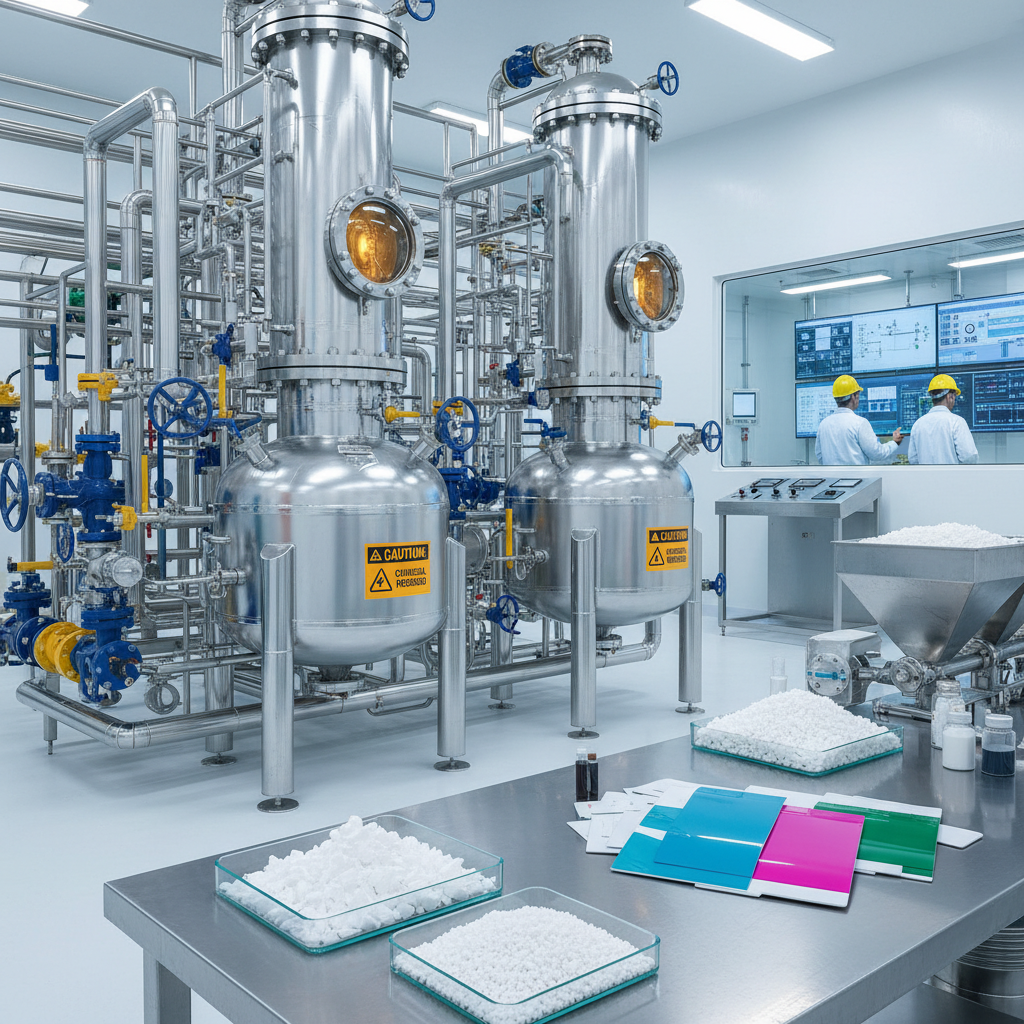
Its significance extends far beyond its chemical formula. 10 glacial acetic acid is vital in producing various chemical compounds, including vinyl acetate monomer (VAM), cellulose acetate, and acetic anhydride. These compounds serve as building blocks for plastics, textiles, coatings, and pharmaceuticals, impacting numerous aspects of modern life.
The demand for high-purity 10 glacial acetic acid stems from its critical role in applications where even trace impurities can compromise product quality or process efficiency. This underscores the need for stringent manufacturing standards and quality control measures across the entire supply chain.
Core Properties of 10 glacial acetic acid
The high acidity of 10 glacial acetic acid is a defining characteristic, making it an effective catalyst in numerous chemical reactions. Its strong dissolving power allows it to effectively solubilize a wide array of organic compounds, making it valuable in various extraction and purification processes. The hygroscopic nature of 10 glacial acetic acid, its tendency to absorb moisture from the air, requires careful storage and handling.
Its relatively low molecular weight and high vapor pressure contribute to its effectiveness as a solvent and facilitate its use in distillation and evaporation processes. The flash point of 10 glacial acetic acid, the lowest temperature at which it can form an ignitable mixture in air, is a critical safety consideration that requires adherence to proper handling protocols.
10 glacial acetic acid Properties Comparison
Diverse Applications of 10 glacial acetic acid
In the chemical industry, 10 glacial acetic acid serves as a vital feedstock for the production of numerous essential compounds, including acetic anhydride, esters, and chloroacetic acid. These derivatives find applications in diverse sectors, such as pharmaceuticals, agrochemicals, and polymer manufacturing. Its use as a solvent in chemical reactions ensures efficient and selective transformations.
The pharmaceutical industry relies on 10 glacial acetic acid for the synthesis of active pharmaceutical ingredients (APIs) and as a solvent in drug formulation. The food industry utilizes it as a preservative and flavoring agent, particularly in the production of vinegar and pickled products. Textile manufacturing employs 10 glacial acetic acid in dyeing and finishing processes, enhancing fabric quality and durability.
Advantages and Long-Term Value
The cost-effectiveness of 10 glacial acetic acid, combined with its versatility, makes it a compelling choice for numerous industrial applications. Its consistent quality and availability contribute to reliable production processes and reduced downtime. Its effectiveness as a preservative and solvent extends the shelf life of products and minimizes waste.
Investing in high-quality 10 glacial acetic acid ensures product integrity and adherence to stringent regulatory standards. Embracing sustainable production methods and responsible waste management practices enhances environmental stewardship and reduces long-term risks. The continued demand for 10 glacial acetic acid underscores its enduring value and importance in the global economy.
Future Trends and Innovations
The development of bio-based production routes for 10 glacial acetic acid, utilizing renewable feedstocks like biomass, is gaining momentum. These innovative processes promise to reduce reliance on fossil fuels and minimize environmental impact. Advancements in purification technologies are driving improvements in product purity and reducing energy consumption.
The integration of digital technologies, such as process optimization software and advanced analytics, is enhancing efficiency and enabling real-time monitoring of production parameters. The exploration of new applications for 10 glacial acetic acid in emerging fields, such as advanced materials and nanotechnology, holds significant potential.
The industry is increasingly focused on circular economy principles, promoting waste reduction, reuse, and recycling of 10 glacial acetic acid and its derivatives. These initiatives contribute to a more sustainable and resilient supply chain, aligning with global environmental goals.
FAQS
10 glacial acetic acid is highly corrosive. Always wear appropriate personal protective equipment (PPE), including gloves, eye protection (goggles or face shield), and a lab coat. Work in a well-ventilated area or use a fume hood. Avoid contact with skin and eyes. In case of contact, immediately flush with copious amounts of water and seek medical attention. Store in a cool, dry, and well-ventilated area away from incompatible materials.
Purity is paramount. Higher purity levels of 10 glacial acetic acid are critical for sensitive applications like pharmaceutical synthesis and analytical chemistry. Impurities can interfere with reactions, affect product quality, and compromise analytical results. Always verify the purity level against the required specifications for your intended use, and choose a reputable supplier.
While biodegradable, large-scale release of 10 glacial acetic acid can lower the pH of water bodies, harming aquatic life. Proper waste management is essential. Consider utilizing bio-based acetic acid alternatives where possible, which have a lower carbon footprint. Ensure compliance with local environmental regulations regarding disposal and emissions.
Yes, due to its excellent solvent properties, 10 glacial acetic acid can be used as a cleaning agent for certain applications, particularly for removing stubborn residues and mineral deposits. However, exercise extreme caution and always test on a small, inconspicuous area first. It’s not suitable for all materials and requires appropriate PPE.
10 glacial acetic acid has a long shelf life if stored properly. It should be kept in tightly sealed containers, protected from moisture and direct sunlight, and stored in a cool, dry, and well-ventilated area. Absorption of moisture from the air can reduce its concentration. Always check the purity before use if the container has been opened for an extended period.
Several reputable chemical suppliers specialize in 10 glacial acetic acid. Look for suppliers with certifications like ISO 9001 to ensure quality control. YSXL Glacial Acetic Acid offers high-purity 10 glacial acetic acid with reliable supply chains and technical support. Prioritize suppliers who provide detailed specifications and Certificates of Analysis (COAs).
Conclusion
10 glacial acetic acid remains an indispensable chemical compound across a vast spectrum of industries. Its unique properties, including high purity, acidity, and solvent power, drive its application in chemical synthesis, pharmaceuticals, food processing, and materials science. Investing in high-quality 10 glacial acetic acid and adopting sustainable production practices are critical for ensuring long-term value and minimizing environmental impact.
Looking ahead, innovation in bio-based production, digital technologies, and circular economy principles will further enhance the sustainability and efficiency of 10 glacial acetic acid utilization. Continued research and development are essential for unlocking new applications and solidifying its role as a cornerstone chemical in a rapidly evolving world.


 English
  Belarusian
  Dutch
Dutch  French
  German
  Hindi
Hindi  Indonesian
  Japanese
  Korean
  Lao
Lao  Malay
Malay  Mongolian
  Myanmar
  Polish
  Portuguese
  Russian
  Spanish
  Tagalog
  Thai
Thai  Vietnamese