2 glacial acetic acid is a highly concentrated solution of acetic acid, typically containing over 99% acetic acid by weight. Its importance stems from its versatile applications across numerous industries, including chemical manufacturing, pharmaceuticals, food processing, and textiles. Understanding its properties, handling procedures, and potential applications is crucial for ensuring safety, efficiency, and innovation in these fields. Globally, the demand for 2 glacial acetic acid is driven by economic growth, increasing industrialization, and the expanding consumer market for its derived products.
The chemical serves as a vital building block for various chemical syntheses, acting as a solvent, reagent, and catalyst. Its high purity and strong acidity make it invaluable in the production of vinyl acetate monomer (VAM), acetic anhydride, esters, and various pharmaceuticals. Effective management and sourcing of 2 glacial acetic acid are therefore strategically important for many manufacturing supply chains. Understanding the intricacies of its production, distribution, and responsible use is paramount.
Beyond industrial applications, 2 glacial acetic acid also plays a role in laboratory research, analytical chemistry, and even certain cleaning and disinfection processes. The global market for this compound is subject to fluctuations based on raw material costs (like methanol and ethylene), geopolitical factors, and evolving regulatory landscapes. Therefore, continuous monitoring and informed decision-making are essential for businesses relying on a consistent supply of 2 glacial acetic acid.
Introduction to 2 glacial acetic acid
2 glacial acetic acid stands as a fundamental chemical in a broad spectrum of industrial processes, from manufacturing plastics and pharmaceuticals to purifying water and processing food. Its unique properties – high acidity, solvency, and reactivity – make it irreplaceable in many applications.
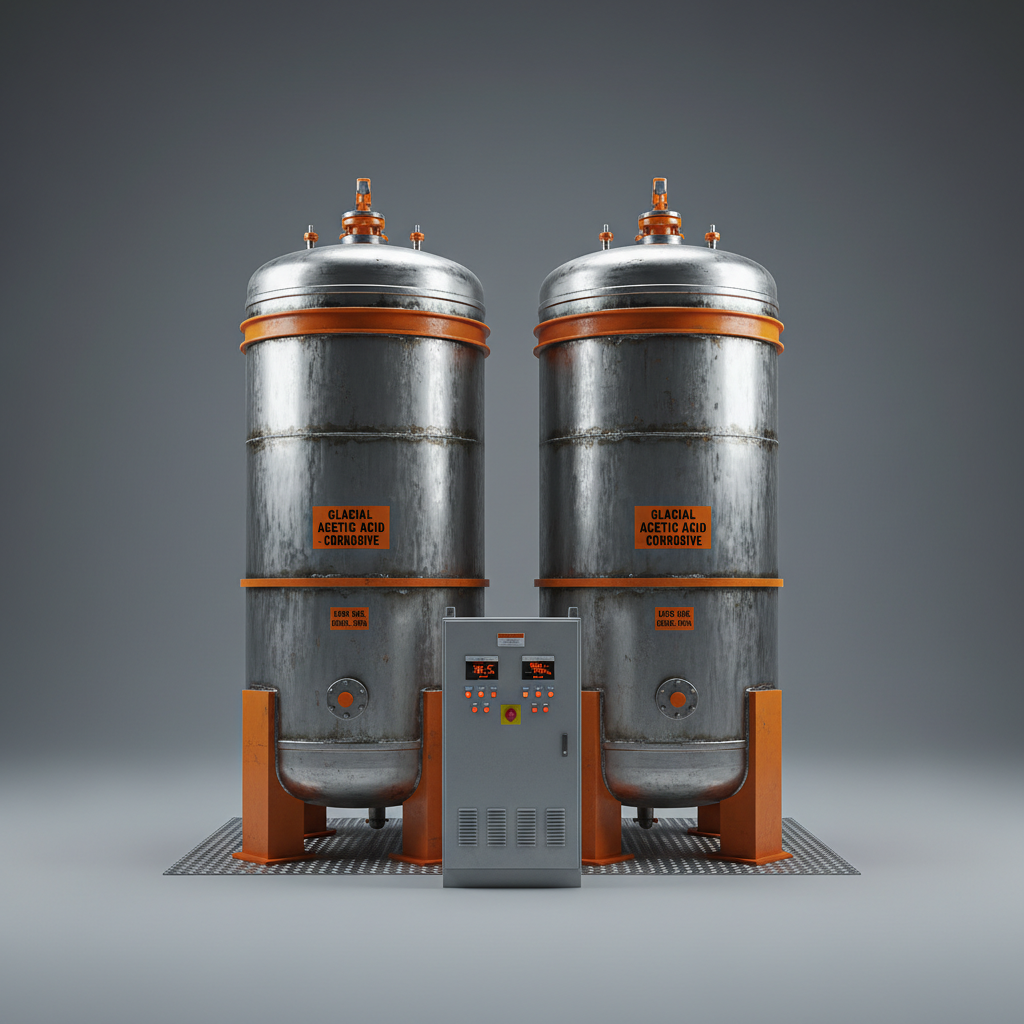
The proper handling and storage of 2 glacial acetic acid are paramount due to its corrosive nature and potential hazards. Implementing rigorous safety protocols, utilizing appropriate personal protective equipment (PPE), and ensuring adequate ventilation are vital for preventing accidents and maintaining a safe working environment.
Defining 2 glacial acetic acid
2 glacial acetic acid is an almost pure (99% or greater) concentration of acetic acid (CH3COOH). The term ‘glacial’ originates from the historical method of producing pure acetic acid through slow freezing and subsequent separation of ice crystals, leaving behind a highly concentrated solution. It’s a clear, colorless liquid with a pungent, vinegar-like odor, although significantly more intense.
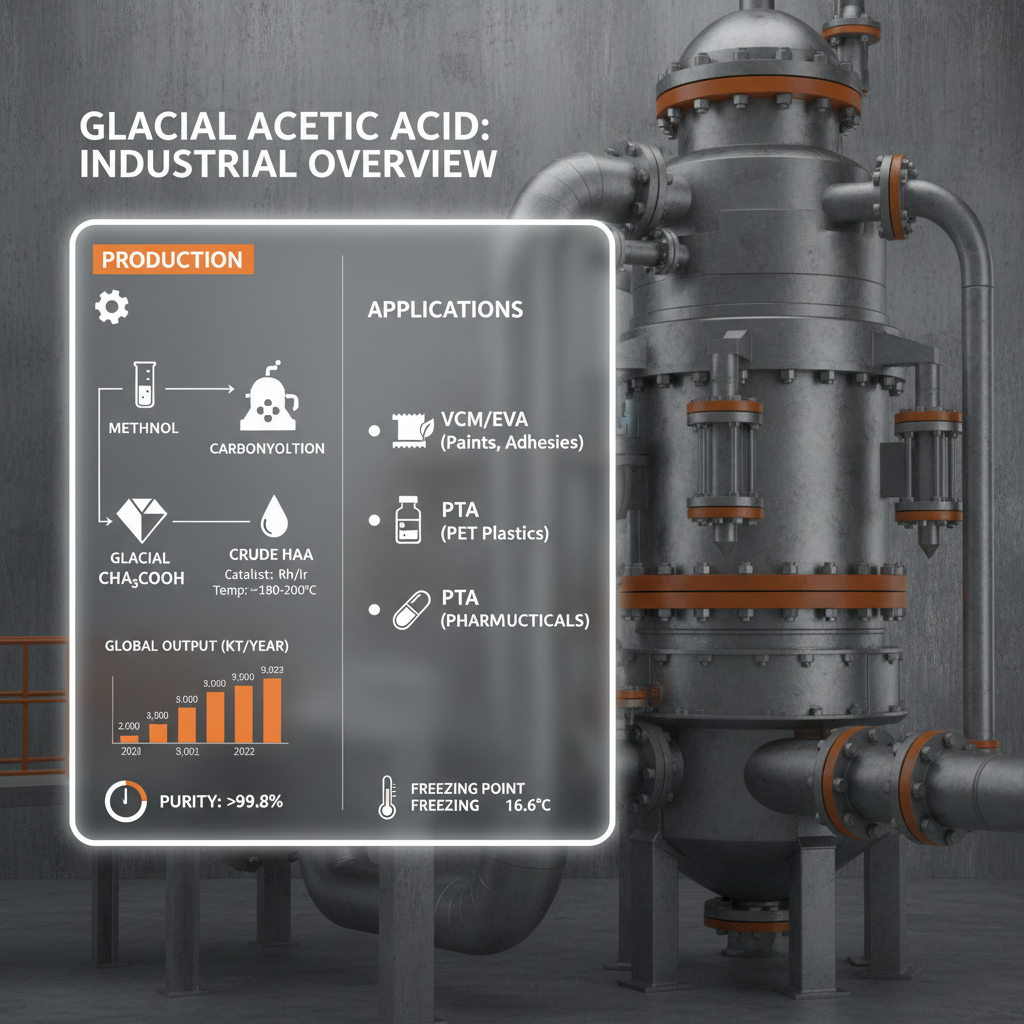
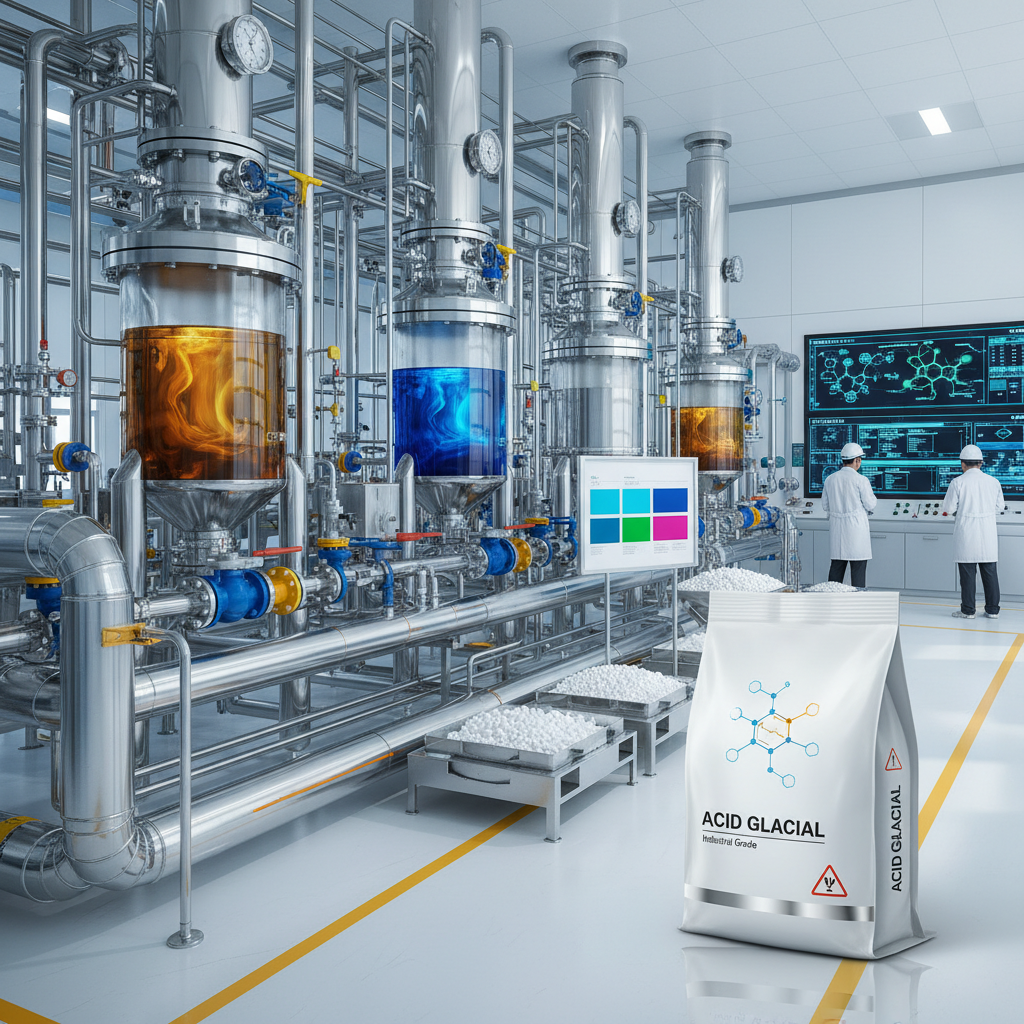
In modern industry, 2 glacial acetic acid is produced through processes like methanol carbonylation, which offers higher efficiency and purity. It isn't used directly for consumption but serves as a key intermediate in the production of numerous commercially important compounds, including vinyl acetate, cellulose acetate, and various acetate esters.
The chemical’s role extends beyond its function as a chemical building block; it is also widely utilized as a solvent and reagent in analytical chemistry and laboratory research, offering a controlled and consistent acidic environment for various reactions and analyses.
Key Characteristics of 2 glacial acetic acid
One of the defining characteristics of 2 glacial acetic acid is its strong acidity. It readily donates protons (H+), making it an effective catalyst in numerous chemical reactions. This acidity, coupled with its high solvency, allows it to dissolve a wide range of organic and inorganic compounds.
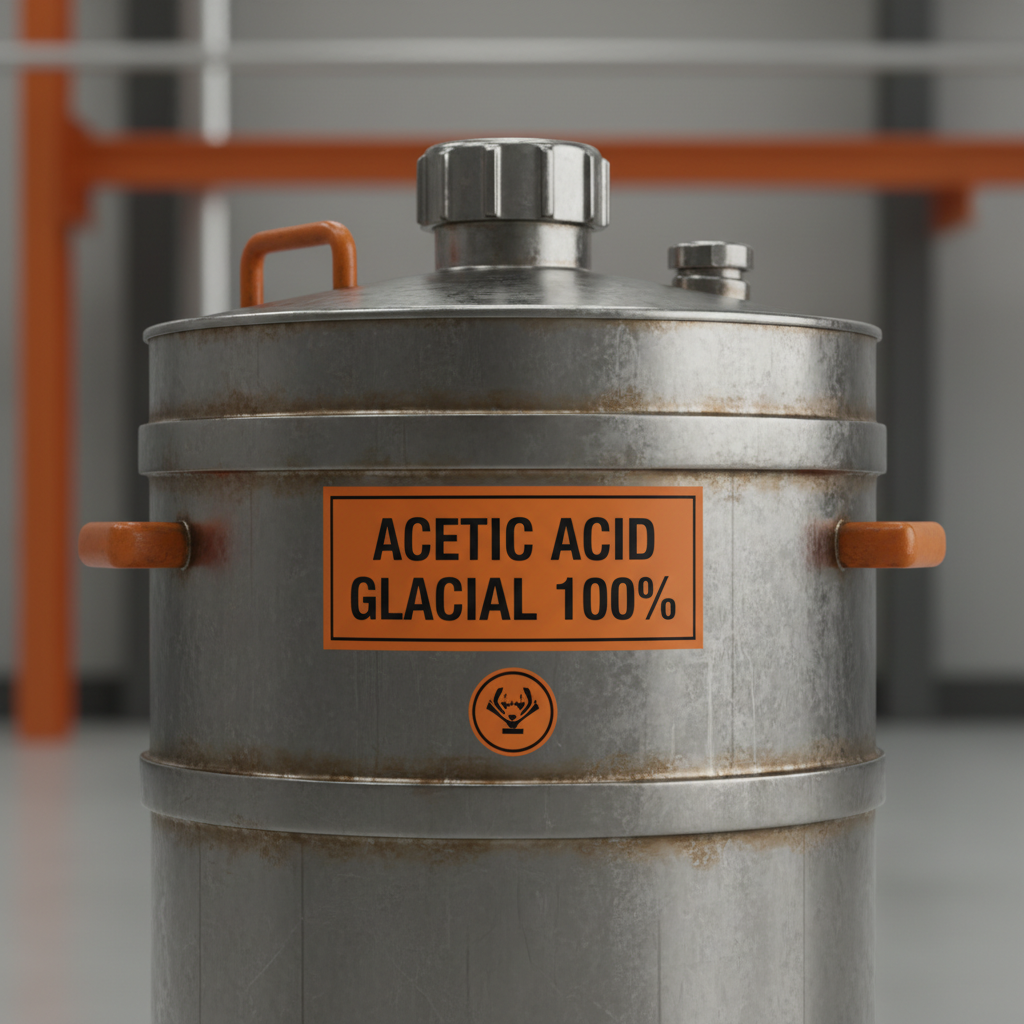
Furthermore, 2 glacial acetic acid exhibits hygroscopicity – the ability to absorb moisture from the air. This property requires careful storage in sealed containers to maintain its concentration and purity. Its relatively high boiling point (118°C) also makes it suitable for applications requiring temperature stability.
Importantly, 2 glacial acetic acid is also biodegradable under specific conditions, making it a comparatively environmentally friendly choice compared to some other industrial solvents. However, responsible disposal practices remain crucial to prevent environmental contamination.
Applications Across Industries
The applications of 2 glacial acetic acid are remarkably diverse. In the chemical industry, it is paramount for the production of vinyl acetate monomer (VAM), a key ingredient in paints, adhesives, and coatings. It is also essential in producing cellulose acetate used in textile manufacturing and cigarette filters.
The pharmaceutical sector relies heavily on 2 glacial acetic acid for synthesizing various drug intermediates and active pharmaceutical ingredients (APIs). The food industry employs it as a preservative and flavor enhancer (though typically in diluted forms derived from the glacial acid). Additionally, it finds applications in textile dyeing, rubber production, and metal cleaning.
2 glacial acetic acid Demand by Application
Advantages & Long-Term Value
Utilizing 2 glacial acetic acid provides numerous advantages. Its high purity and consistent quality ensure reliable results in chemical processes, leading to improved product yields and reduced waste. The comparatively lower cost, relative to other specialized solvents, makes it an economically viable choice for many applications.
From a sustainability perspective, the biodegradability of acetic acid offers a benefit over some harsher, less readily broken-down chemicals. Furthermore, ongoing research into more sustainable production methods for 2 glacial acetic acid is continually enhancing its long-term value and environmental profile.
Global Supply and Demand
The global supply of 2 glacial acetic acid is concentrated in several key regions, including China, the United States, and Europe. China has emerged as the dominant producer, driven by its large chemical manufacturing capacity and competitive pricing. Demand is particularly strong in Asia-Pacific, fueled by rapid economic growth and industrialization.
Supply chain disruptions, raw material price volatility, and geopolitical events can all influence the availability and cost of 2 glacial acetic acid. Companies are increasingly focused on diversifying their sourcing strategies and building resilient supply chains to mitigate these risks.
Market analysis indicates a continued steady growth in demand for 2 glacial acetic acid over the next decade, driven by ongoing expansions in its core application industries and emerging uses in new technologies.
Safety Considerations and Future Trends
The safe handling of 2 glacial acetic acid is critical due to its corrosive properties. Proper personal protective equipment (PPE), including gloves, goggles, and respirators, is essential. Adequate ventilation and adherence to strict safety protocols are also vital for preventing accidents and minimizing health risks.
Future trends in 2 glacial acetic acid production focus on developing more sustainable and environmentally friendly processes, such as utilizing bio-based feedstocks and reducing greenhouse gas emissions. Research into new catalytic technologies aims to improve efficiency and minimize waste generation.
The integration of digital technologies, such as advanced process control systems and real-time monitoring, is also expected to play a growing role in optimizing production processes and enhancing safety.
Summary of Key Safety and Handling Aspects of 2 glacial acetic acid
| Hazard Category |
Severity Level |
Mitigation Strategy |
Emergency Response |
| Corrosivity |
High (3-5) |
PPE: Gloves, Goggles, Apron |
Immediate flushing with water, medical attention. |
| Inhalation Hazard |
Medium (2-4) |
Adequate Ventilation, Respirator |
Move to fresh air, seek medical advice. |
| Flammability |
Low (1-2) |
Keep away from open flames |
Use appropriate fire extinguisher. |
| Storage Incompatibility |
Medium (2-3) |
Store in compatible containers |
Contain spill, avoid mixing with incompatible materials. |
| Environmental Impact |
Medium (2-3) |
Proper Disposal Procedures |
Contain spill, report to authorities. |
| Long-Term Exposure |
Low (1-2) |
Regular Health Monitoring |
Seek medical attention if symptoms develop. |
FAQS
2 glacial acetic acid serves as a crucial feedstock for producing vinyl acetate monomer (VAM), used in paints, adhesives, and coatings. It is also vital in creating cellulose acetate, employed in textiles and cigarette filters, and the production of various acetate esters utilized in solvents and plasticizers. Its versatility and high purity make it irreplaceable in these processes.
Due to its corrosive nature, handling 2 glacial acetic acid requires stringent safety measures. Always wear appropriate personal protective equipment (PPE), including gloves, goggles, and a face shield. Ensure adequate ventilation in the work area. In case of skin contact, immediately flush with plenty of water and seek medical attention. Keep away from incompatible materials.
The purity of 2 glacial acetic acid directly affects the quality of the end-product. Impurities can lead to unwanted side reactions, reduced yields, and compromised product performance. High-purity 2 glacial acetic acid ensures consistent and predictable results, contributing to superior product quality and reduced waste.
Current trends focus on sustainability and efficiency. This includes exploring bio-based feedstocks for production, developing improved catalytic processes to reduce energy consumption and waste, and implementing advanced process control technologies for optimized operations. The industry is also seeking to minimize its carbon footprint.
Several factors impact the price, including the cost of raw materials (methanol, ethylene), geopolitical events, global supply and demand, production capacity, and transportation costs. Supply chain disruptions, energy prices, and regulatory changes can also contribute to price fluctuations. Monitoring these factors is crucial for effective procurement.
Disposing of 2 glacial acetic acid requires adherence to local environmental regulations. It should never be discharged directly into waterways or sewage systems. Neutralization followed by proper wastewater treatment is often required. Engaging with a licensed waste disposal company specializing in hazardous materials is the safest and most responsible approach.
Conclusion
2 glacial acetic acid is an indispensable chemical component underpinning a vast range of industries and applications. Its unique properties, including high purity, strong acidity, and solvent capabilities, make it a crucial building block for countless products. Understanding its characteristics, applications, and safe handling procedures is vital for ensuring operational efficiency, product quality, and environmental responsibility.
As industries continue to evolve and prioritize sustainability, the future of 2 glacial acetic acid lies in adopting greener production methods, diversifying supply chains, and leveraging technological advancements to enhance safety and efficiency. For more information on 2 glacial acetic acid and its applications, visit our website at www.ysxlglacialaceticacid.com.


 English
  Belarusian
  Dutch
Dutch  French
  German
  Hindi
Hindi  Indonesian
  Japanese
  Korean
  Lao
Lao  Malay
Malay  Mongolian
  Myanmar
  Polish
  Portuguese
  Russian
  Spanish
  Tagalog
  Thai
Thai  Vietnamese