

Мэдээ
-
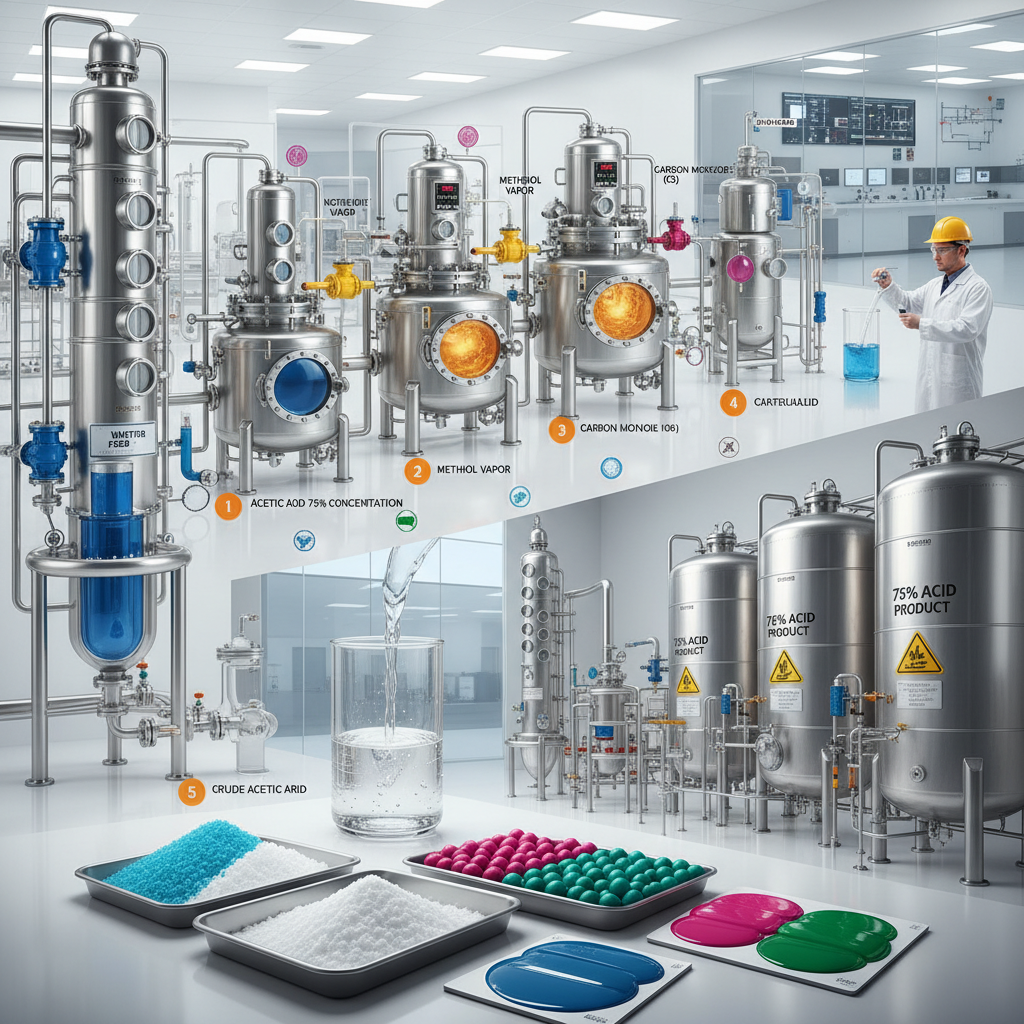 In the vast realm of chemical synthesis and industrial processing, 75 acetic acid serves as a critical intermediate solution. Often utilized as a diluted form of glacial acetic acid, this specific concentration balances potency with ease of handling, making it indispensable for various manufacturing sectors. From textile processing to the production of vinyl acetate monomer, the versatility of this organic compound ensures its continued demand globally. In this comprehensive guide, we will explore the chemical nature, technical specifications, and the strategic advantages of integrating high-quality acetic acid solutions into your production line.Цааш унших
 -
 In the realm of industrial chemistry, 64 19 7 acetic acid, commonly known as glacial acetic acid when in its anhydrous form, serves as a fundamental building block for countless chemical syntheses. This colorless liquid with a characteristic pungent odor is prized for its acidity and versatility across diverse sectors, from textile processing to pharmaceutical manufacturing. Whether utilized as a solvent or a reagent, the purity and consistency of this compound are critical for ensuring the quality of the final output. In this comprehensive guide, we will explore the technical specifications, safety protocols, and the wide-ranging utility of this essential organic compound.Цааш унших
 -
 56 Acetic Acid, often referred to as glacial acetic acid, is a crucial chemical compound with a wide array of industrial applications. Its high concentration and versatility make it a cornerstone in sectors ranging from pharmaceuticals and food processing to textiles and manufacturing. Selecting a reliable supplier like YSXL Glacial Acetic Acid ensures quality and consistent supply. This article explores the properties, applications, safety considerations, and sourcing of 56 acetic acid, providing a comprehensive overview for businesses and researchers alike.Цааш унших
 -
 5 Glacial Acetic Acid is a crucial chemical compound with widespread applications across various industries. This article provides a detailed overview of its properties, uses, handling procedures, and considerations for international trade, particularly focusing on sourcing from a reliable supplier like YSXL Glacial Acetic Acid. Understanding the intricacies of this chemical is vital for businesses involved in its import and export. We'll cover everything from its chemical makeup to safe handling practices, offering valuable insights for a smooth and compliant trade experience.Цааш унших
 -
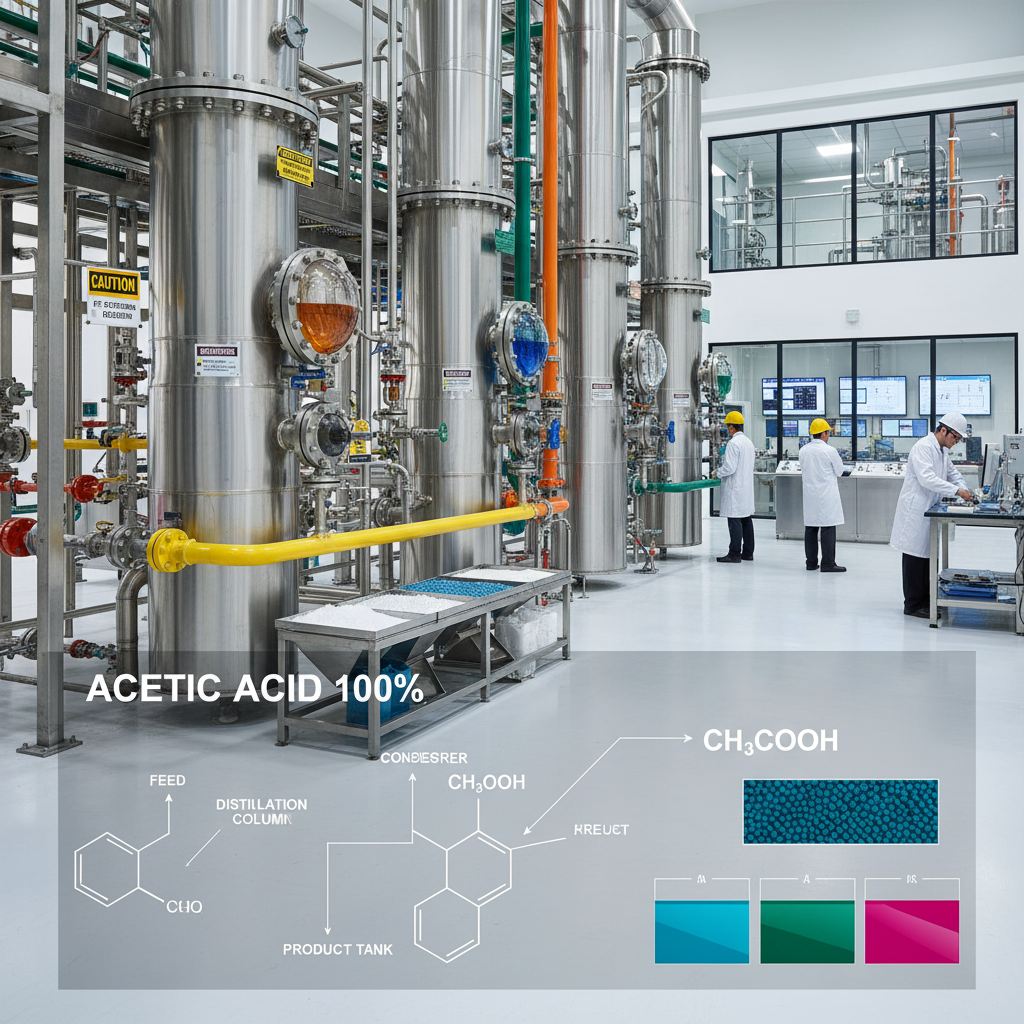 100% acetic acid, also known as glacial acetic acid, is a vital chemical compound with diverse applications across various industries. Renowned for its pungent odor and corrosive nature, it plays a critical role in manufacturing, food processing, and laboratory research. This article delves into the properties, uses, safety considerations, and sourcing options for high-quality 100 acetic acid. Choosing the right supplier is paramount to ensure purity, reliability, and adherence to industry standards.Цааш унших
 -
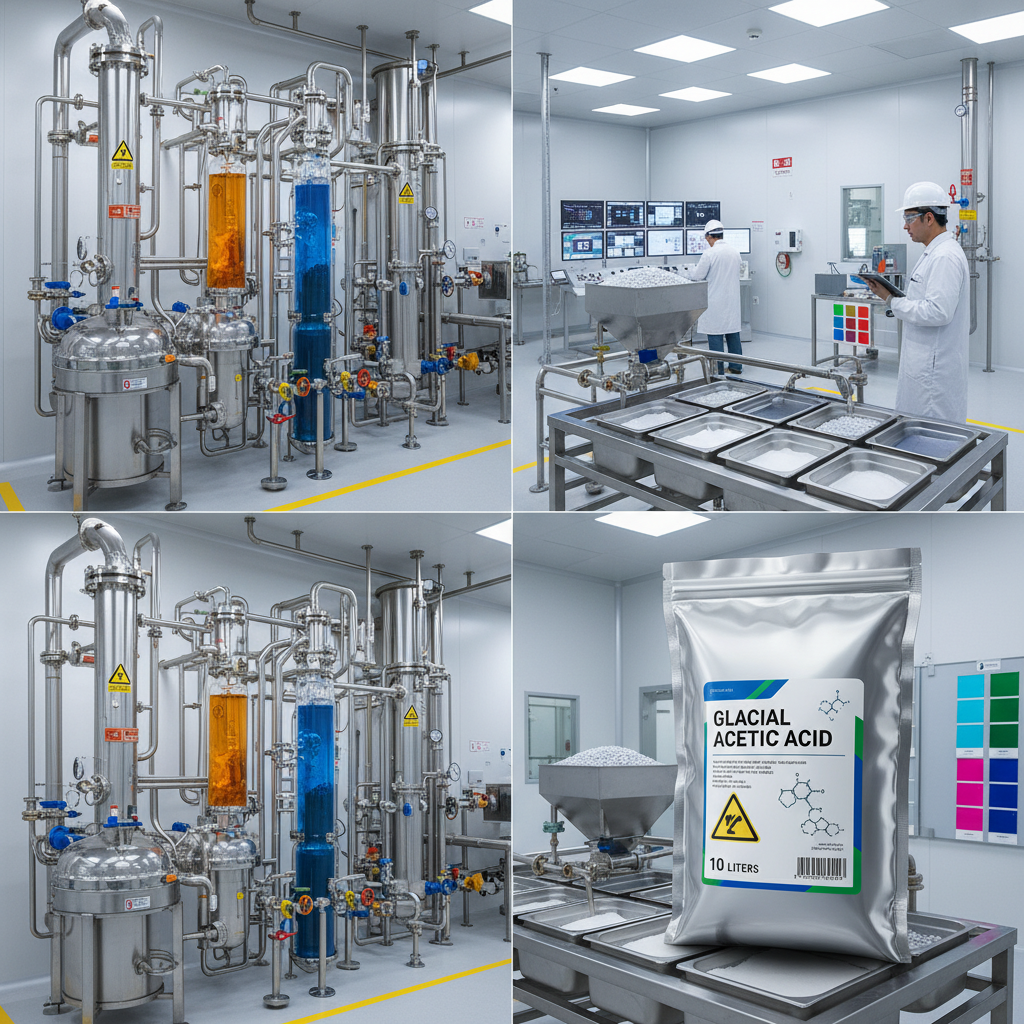 10 Glacial Acetic Acid, a highly concentrated form of acetic acid, is a versatile chemical compound utilized across a wide spectrum of industries. Its purity and powerful properties make it indispensable in applications ranging from chemical manufacturing to food processing. Understanding its characteristics, uses, and safety considerations is crucial for professionals working with this important substance.Цааш унших
 -
 1 Glacial Acetic Acid, a highly concentrated form of acetic acid, plays a vital role in numerous industrial processes and applications. Its purity and strong acidic properties make it indispensable in the production of various chemicals, textiles, and food products. This article will delve into the characteristics, uses, safety considerations, and sourcing of 1 Glacial Acetic Acid, providing a comprehensive overview for professionals and those seeking to understand this essential chemical compound. Understanding its properties is crucial for safe and effective utilization. "Glacial" in the name refers to its appearance when cold – it solidifies into ice-like crystals. It's virtually pure acetic acid, meaning it contains a very minimal amount of water (typically less than 1%). This high concentration gives it a stronger acidity and makes it a more potent chemical reagent. Its chemical formula is CH₃COOH. It’s a clear, colorless liquid with a pungent, vinegar-like odor. It’s highly corrosive and must be handled with appropriate safety precautions. YSXL Chemical provides consistently high-quality glacial acetic acid for diverse industrial needs.Цааш унших
 -
 Glacial acetic acid (CH₃COOH) is a colorless liquid with a pungent odor. The term "glacial" refers to its historical purification method, where it was cooled to freeze out the water content. It's a crucial chemical compound utilized across numerous industries, from pharmaceuticals to food production. This article will delve into its key properties, diverse applications, safe handling, and where to source high-quality glacial acetic acid. We'll explore why selecting a reliable supplier is paramount for consistent quality and supply. Glacial acetic acid boasts several distinct characteristics that make it invaluable in a variety of applications. It is a highly concentrated solution of acetic acid, typically with a concentration of 99% or higher. The applications of glacial acetic acid are remarkably diverse. In the chemical industry, it serves as a crucial reagent for producing various chemical compounds, including acetate esters, acetic anhydride, and cellulose acetate. It’s also a key component in the production of photographic films, plastics, and synthetic fibers.Цааш унших
 -
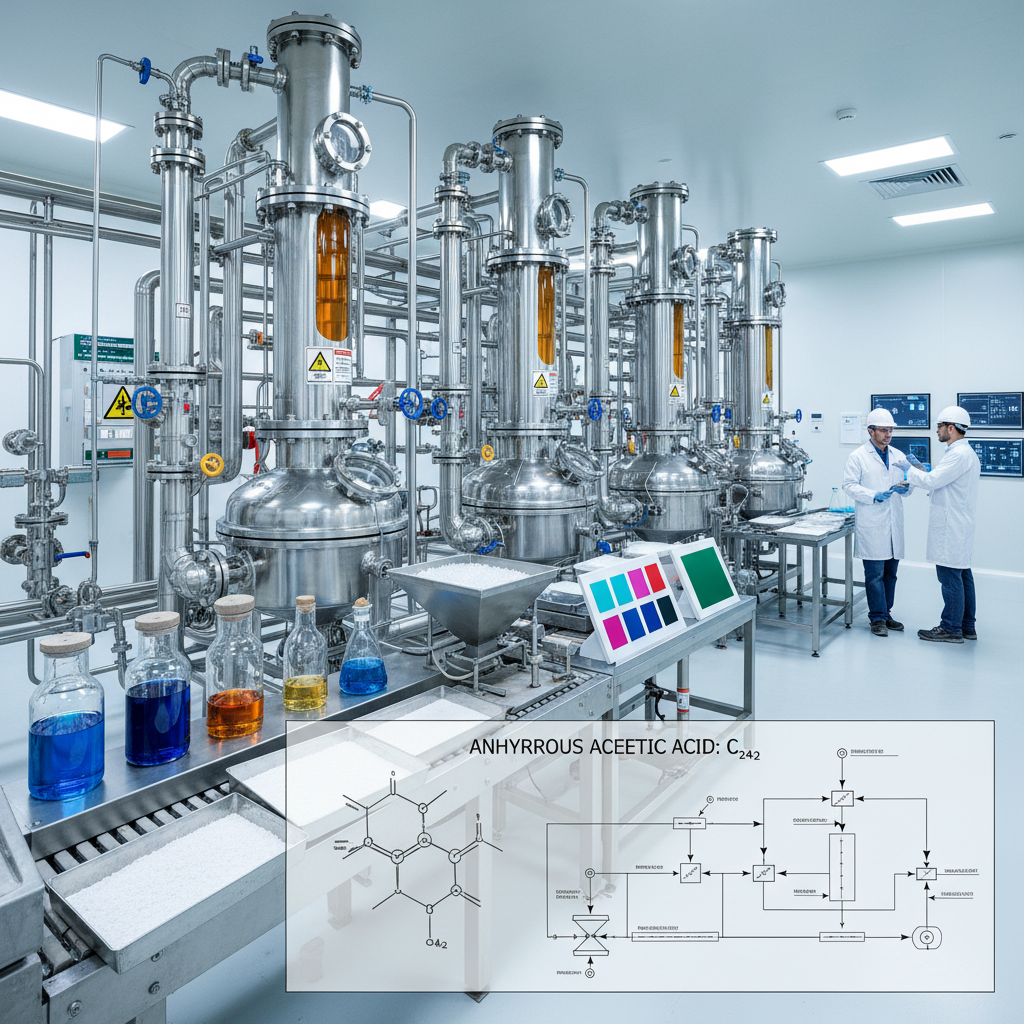 Anhydrous acetic acid is a crucial chemical compound widely used across numerous industries, from pharmaceuticals to textiles and food processing. Its versatility and high purity make it a sought-after commodity in international trade. This article delves into the properties, applications, handling, and sourcing of anhydrous acetic acid, specifically tailored for businesses involved in global trading. Understanding these aspects is key to successful procurement and utilization of this vital chemical. We’ll also cover key considerations for safety and regulatory compliance when importing or exporting this important product. Anhydrous acetic acid (CH₃COOH) is a colorless liquid with a pungent, vinegar-like odor. The term "anhydrous" signifies that it contains virtually no water – typically less than 0.1%. This high purity is critical for many applications. It’s a strong organic acid, miscible with water, alcohol, ether, and many other solvents. Its key properties include a boiling point of 118°C (244°F) and a freezing point of 16.7°C (62°F). These properties influence its handling, storage, and transportation requirements.Цааш унших
 -
 Glacial acetic acid, a highly concentrated form of acetic acid, plays a crucial role in numerous industrial processes. Its exceptional purity and strong acidic properties make it indispensable in chemical manufacturing, pharmaceuticals, food processing, and more. This comprehensive guide explores the characteristics, applications, safety considerations, and sourcing options for glacial acetic acid, providing valuable insights for businesses and researchers alike. Understanding its properties and proper handling procedures is essential for maximizing its benefits while ensuring safety. Glacial acetic acid (CH₃COOH) is the pure, anhydrous form of acetic acid. The term "glacial" originates from its historical purification method involving slow cooling, causing the acid to crystallize – resembling glaciers. It’s a clear, colorless liquid with a pungent, vinegar-like odor. Unlike diluted acetic acid (vinegar), glacial acetic acid has a concentration of approximately 99-100%, making it significantly more corrosive and reactive.Цааш унших
 Mongolian
  Belarusian
  Dutch
Dutch  English
  French
  German
  Hindi
Hindi  Indonesian
  Japanese
  Korean
  Lao
Lao  Malay
Malay  Myanmar
  Polish
  Portuguese
  Russian
  Spanish
  Tagalog
  Thai
Thai  Vietnamese