Look, I’ve been running around construction sites for fifteen years now, smelling cement dust and arguing with engineers. It’s a tough life, but you see things, you learn things. And right now, what I’m seeing is everyone’s going crazy for higher-strength, lighter-weight materials. It’s all anyone talks about. It's funny, you'd think after all these years we'd be satisfied, but there's always something new, isn't there?
To be honest, a lot of these new materials look good on paper, but they’re a pain in the backside to actually work with. People get obsessed with specs, forgetting that the guy actually using it needs to be able to handle it. I've seen designs that look perfect in CAD, but fall apart the moment someone tries to tighten a bolt. You wouldn't believe it.
And it’s not just the design. The details matter. Like, have you noticed how many “self-tapping” screws just strip the threads? It's infuriating. Or those supposedly waterproof connectors? Yeah, right. Anyway, I think everyone underestimates the importance of simple, reliable stuff.
The Current Landscape of bulk acetic acid
Strangely, everyone's obsessed with purity these days. Used to be, as long as it got the job done, no one cared where it came from. Now, it's all "trace elements" and "pH levels." Makes you wonder if anyone's actually building anything anymore. I encountered this at a factory in Jiangsu last time – they were refusing a whole shipment because the acetic acid smelled slightly different. Different! It's acetic acid, for crying out loud.
The demand for bulk acetic acid is through the roof, especially in the textile and plastics industries. China and India are driving most of the growth, honestly. ISO standards are getting stricter too, which is good, I guess, but adds another layer of paperwork. The whole supply chain is… complex.
Design Pitfalls and Common Mistakes with bulk acetic acid
You wouldn’t believe how many designs I see that completely ignore the basics of material compatibility. Like, someone tries to use a certain plastic with bulk acetic acid without checking if it's going to dissolve. It happens. Every. Single. Time.
Another thing – improper ventilation. Bulk acetic acid fumes are nasty. You need to ensure adequate ventilation in any area where it’s being used, which a lot of designs just skip over. It's all about cost-cutting, isn't it?
And don’t even get me started on the storage issues. Bulk acetic acid needs to be stored in specific types of containers, away from incompatible materials, in a cool, dry place. People just chuck it in a corner and hope for the best. It doesn't end well.
Material Properties and On-Site Handling of bulk acetic acid
The stuff smells…well, you know. Like vinegar, but stronger. And it's got a slight burn to it. It's a clear liquid, obviously, but the color can vary depending on the purity. The higher the purity, the clearer it is. That’s a good sign.
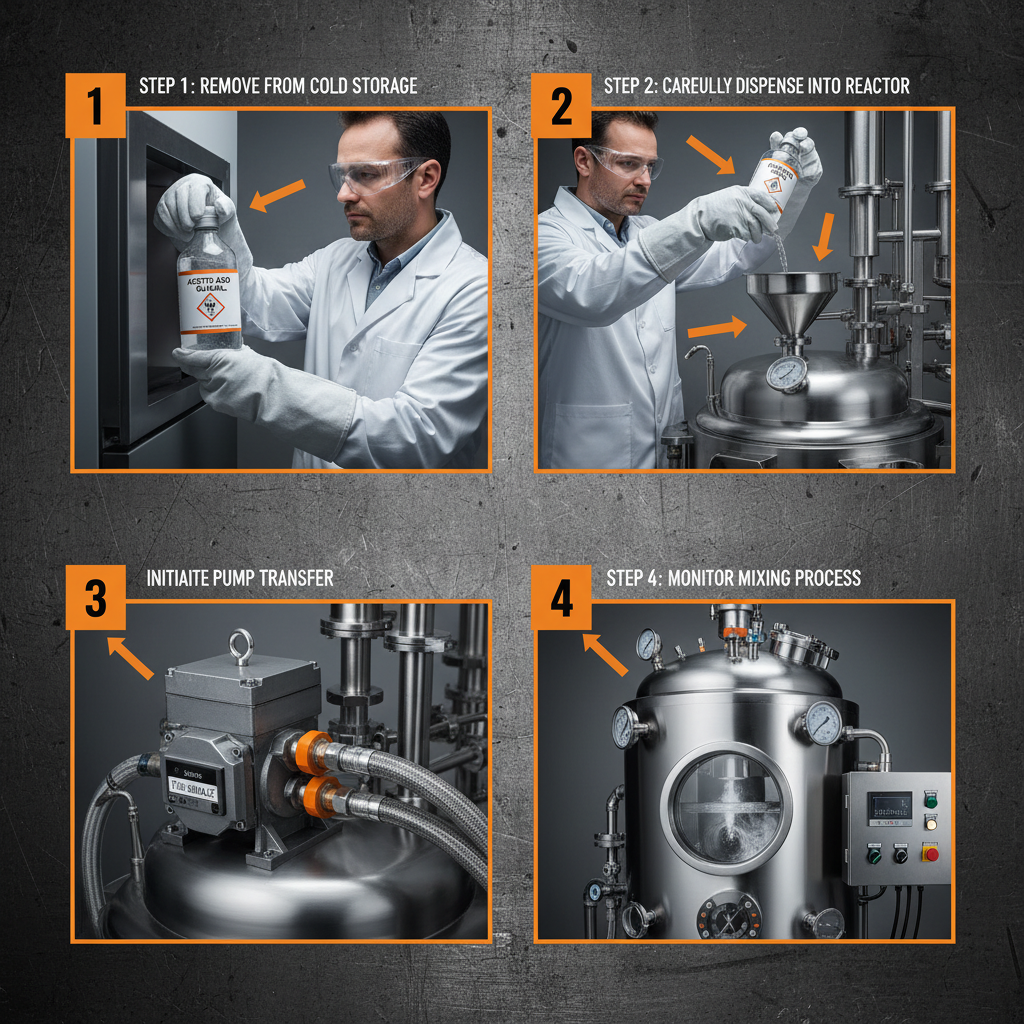
Handling it... you gotta be careful. Wear gloves, eye protection, the whole nine yards. It'll burn your skin if you get it on there. And if it spills, you need to neutralize it with baking soda. Seriously. Don’t just wipe it up with a rag. I learned that the hard way, believe me. It etches concrete, too. Don’t ask.
The containers themselves are important. Usually, it's shipped in stainless steel tanks or specialized plastic drums. The plastic needs to be specifically rated for acetic acid, otherwise, you're asking for trouble. I've seen drums bulging and leaking, it's not a pretty sight.
Real-World Testing and Performance of bulk acetic acid
Forget the lab tests. Those are useful for a baseline, but the real test is what happens when it's actually used in a production environment. We do a lot of spot checks, you know, just grab a sample from a running process and test it for purity and concentration.
I’m more interested in how it behaves under stress. Does it corrode the equipment? Does it affect the quality of the final product? That’s what I care about. I remember testing a batch at a textile mill last year – the acetic acid was causing discoloration in the dyed fabric. Turns out, there were trace contaminants. Sent it right back.
Performance Metrics of Bulk Acetic Acid Variations
How Users Actually Utilize bulk acetic acid
People use it for everything. Textiles, plastics, pharmaceuticals, food processing... you name it. It’s a solvent, a reagent, a cleaning agent. I've even seen it used in the leather tanning industry. It's a workhorse, really.
But how they actually use it is often different than what the engineers think. They’ll design a system for precise dosing, but the guys on the floor will just eyeball it half the time. It’s a human thing, I guess.
Advantages, Disadvantages, and Customization of bulk acetic acid
The biggest advantage is its versatility. It’s cheap, it’s effective, and it can do a lot of different things. Plus, it’s relatively easy to handle, as long as you know what you’re doing. But the smell… that’s a definite disadvantage. And the corrosion potential. And the flammability. Okay, maybe it has a few disadvantages.
Customization? Well, you can get different concentrations, different purity levels. I had a client last year, a small smart home device manufacturer in Shenzhen, who insisted on a super-high purity acetic acid for cleaning circuit boards, even though it was overkill. Later… forget it, I won't mention it. But they were convinced it would improve the reliability of their products. They also wanted it in connectors. I'm still not sure what that was about.
A Customer Story Involving bulk acetic acid
Last month, that small boss in Shenzhen who makes smart home devices, insisted on changing the interface to , and the result was a complete disaster. They’d ordered a large shipment of high-purity acetic acid specifically for cleaning their boards, and they wanted it packaged in these custom connectors – for some reason!
It took weeks to sort out, and they ended up losing a ton of money on the connectors, which were completely incompatible. They thought it would be a marketing gimmick, "the cleanest connections," or something. I swear, some people…
Anyway, they finally went back to using standard packaging, and everything went back to normal. But it was a painful lesson. Sometimes, you just need to stick with what works.
A Summary of Key Performance Indicators for Bulk Acetic Acid
| Grade |
Purity (%) |
Cost (USD/Ton) |
Common Applications |
| Industrial |
80-90 |
$500 |
Vinyl acetate monomer production |
| Pharmaceutical |
99.8+ |
$1200 |
Drug synthesis |
| Food Grade |
99.7+ |
$900 |
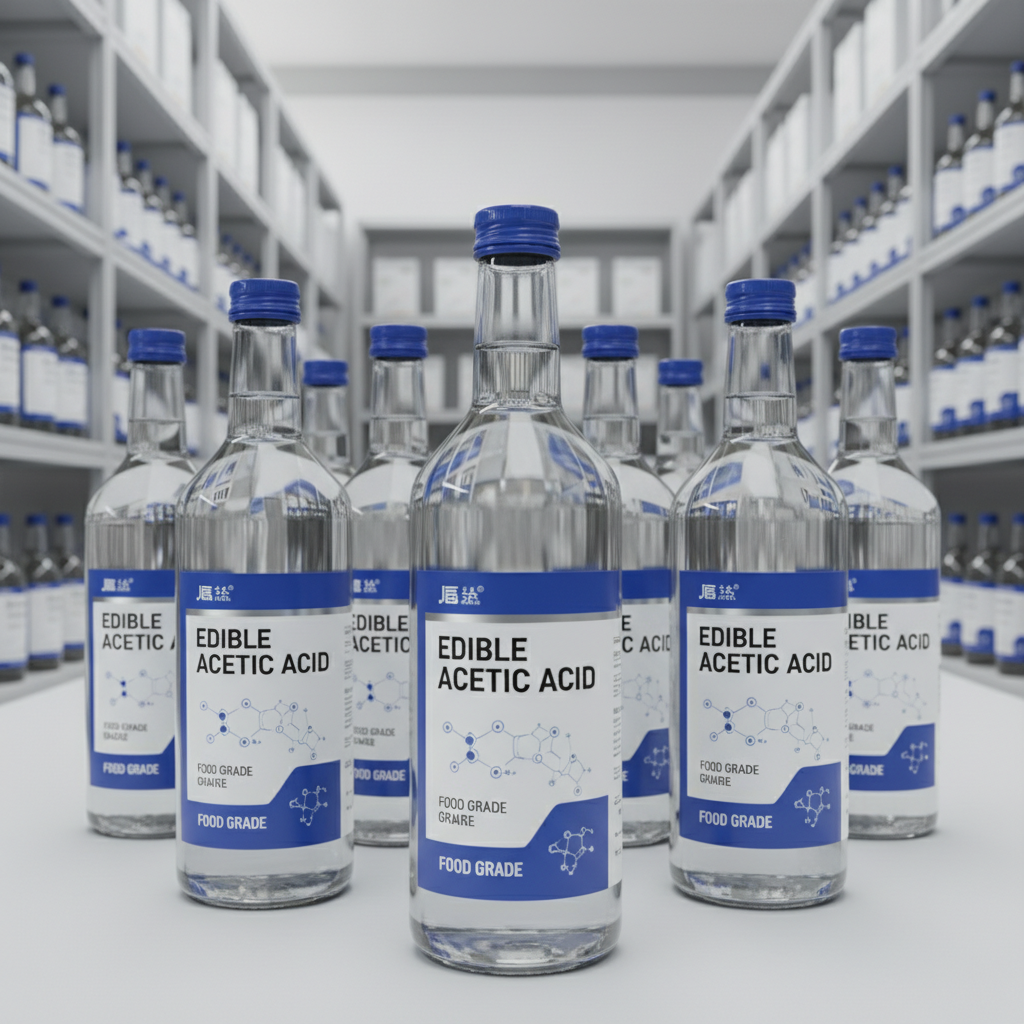
Food preservative, flavoring |
| Reagent Grade |
99.9+ |
$1500 |
Laboratory analysis |
| Technical Grade |
70-80 |
$400 |
Textile dyeing |
| Glacial |
99.5+ |
$700 |
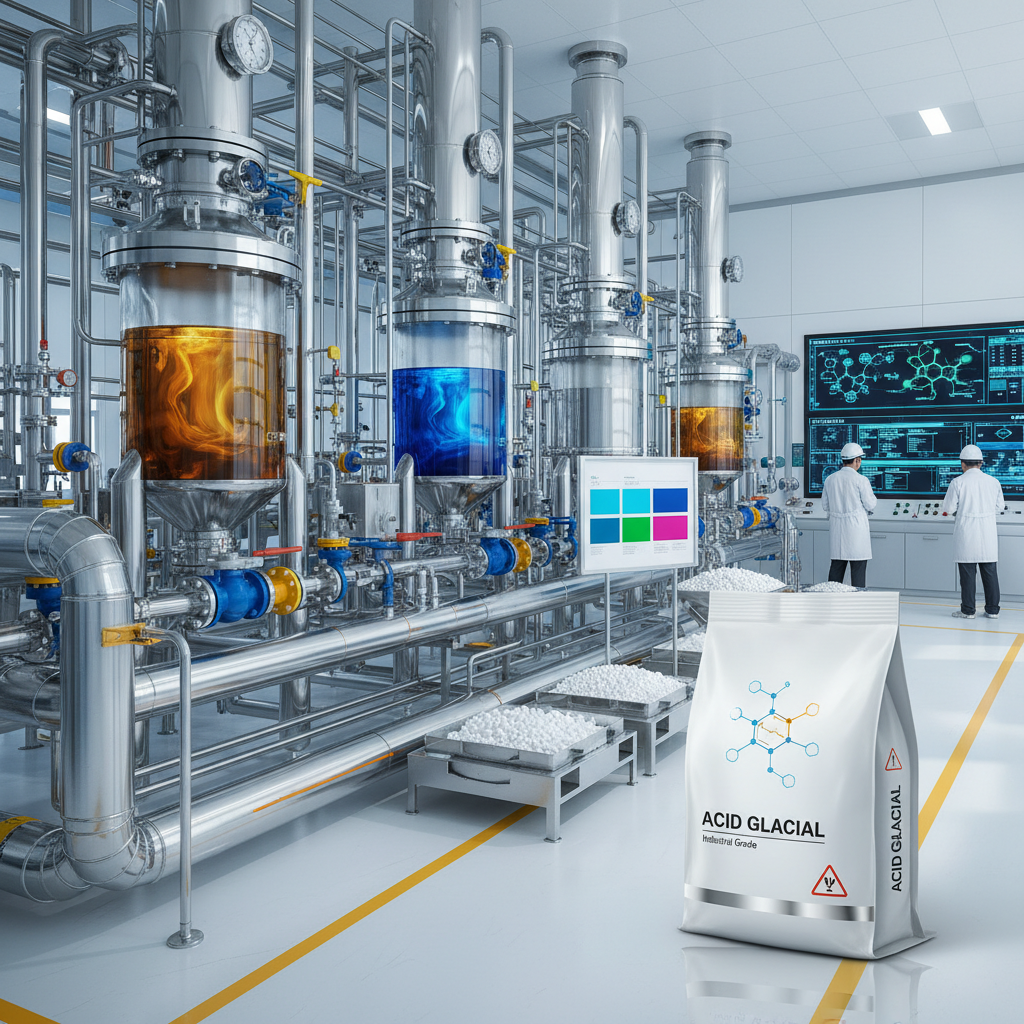
Chemical synthesis, cleaning |
FAQS
The main hazards are corrosive effects on skin and eyes, and inhalation of fumes. Always wear appropriate PPE – gloves, eye protection, and a respirator if ventilation is poor. Spills need to be neutralized immediately with baking soda. It’s a pain, but it’s essential to prevent damage and injury. Remember, it's an acid, treat it with respect.
You need corrosion-resistant tanks, ideally stainless steel or a specialized polyethylene designed for acetic acid. Keep it cool, dry, and well-ventilated, away from incompatible materials like strong bases and oxidizing agents. Regular inspections are crucial – look for leaks or signs of corrosion. And for goodness sake, label it clearly!
Purity is everything, depending on the use case. For pharmaceutical or food-grade applications, you need extremely high purity to meet regulatory standards. Industrial applications can tolerate lower purity levels, but contaminants can still affect the process and product quality. Always check the specifications before using it.
You absolutely cannot just pour it down the drain. It needs to be neutralized and treated as hazardous waste. Most facilities have a wastewater treatment system to handle it. Alternatively, you can hire a specialized waste disposal company. Ignoring proper disposal can lead to serious environmental consequences.
Bulk acetic acid has a fairly long shelf life if stored properly – generally several years. But prolonged exposure to air and light can cause it to degrade. Keep it sealed in airtight containers, in a cool, dark, and dry place. Regular quality checks are recommended for long-term storage.
There’s research into bio-based acetic acid production from renewable feedstocks, which is more sustainable. But it’s still in its early stages and isn’t widely available yet. For some applications, other solvents or reagents might be substituted, but they often come with their own set of challenges and trade-offs. Right now, acetic acid is still the king.
Conclusion
Ultimately, whether this thing works or not, the worker will know the moment he tightens the screw. We talk about purity levels, corrosion resistance, and industry standards, but none of that matters if the guy on the floor can’t reliably and safely use the product. Bulk acetic acid is a versatile and essential chemical, but it requires respect, careful handling, and a healthy dose of common sense.
Looking ahead, I think the focus will be on sustainable production methods and minimizing environmental impact. We’ll probably see more stringent regulations and a greater demand for bio-based alternatives. But one thing's for sure: bulk acetic acid will continue to be a cornerstone of countless industries for years to come. You can find out more about our bulk acetic acid offerings at www.ysxlglacialaceticacid.com.



 English
  Belarusian
  Dutch
Dutch  French
  German
  Hindi
Hindi  Indonesian
  Japanese
  Korean
  Lao
Lao  Malay
Malay  Mongolian
  Myanmar
  Polish
  Portuguese
  Russian
  Spanish
  Tagalog
  Thai
Thai  Vietnamese