Glacial acetic acid, a concentrated solution of acetic acid, plays a critical role in a wide array of industrial processes and applications. Its high purity and strong acidity make it an indispensable chemical building block. Understanding its properties, applications, and handling procedures is crucial for professionals across diverse sectors, including pharmaceuticals, textiles, food processing, and chemical manufacturing. The global demand for glacial acetic acid is steadily increasing, driven by economic growth and evolving industrial needs.
The importance of glacial acetic acid extends beyond its industrial uses. It's a key component in the production of various essential products, ranging from vinyl acetate monomer (VAM) – used in paints and adhesives – to cellulose acetate, a vital material for textiles and cigarette filters. Its versatility and relatively low cost contribute to its widespread adoption. Proper handling and storage are paramount due to its corrosive nature, necessitating robust safety protocols.
This exploration delves into the nuances of glacial acetic acid, examining its defining characteristics, practical applications, associated advantages, emerging trends, and potential challenges. By offering a comprehensive overview, we aim to provide valuable insights for industry professionals, researchers, and anyone seeking a deeper understanding of this essential chemical compound.
Introduction to glacial acetic acid
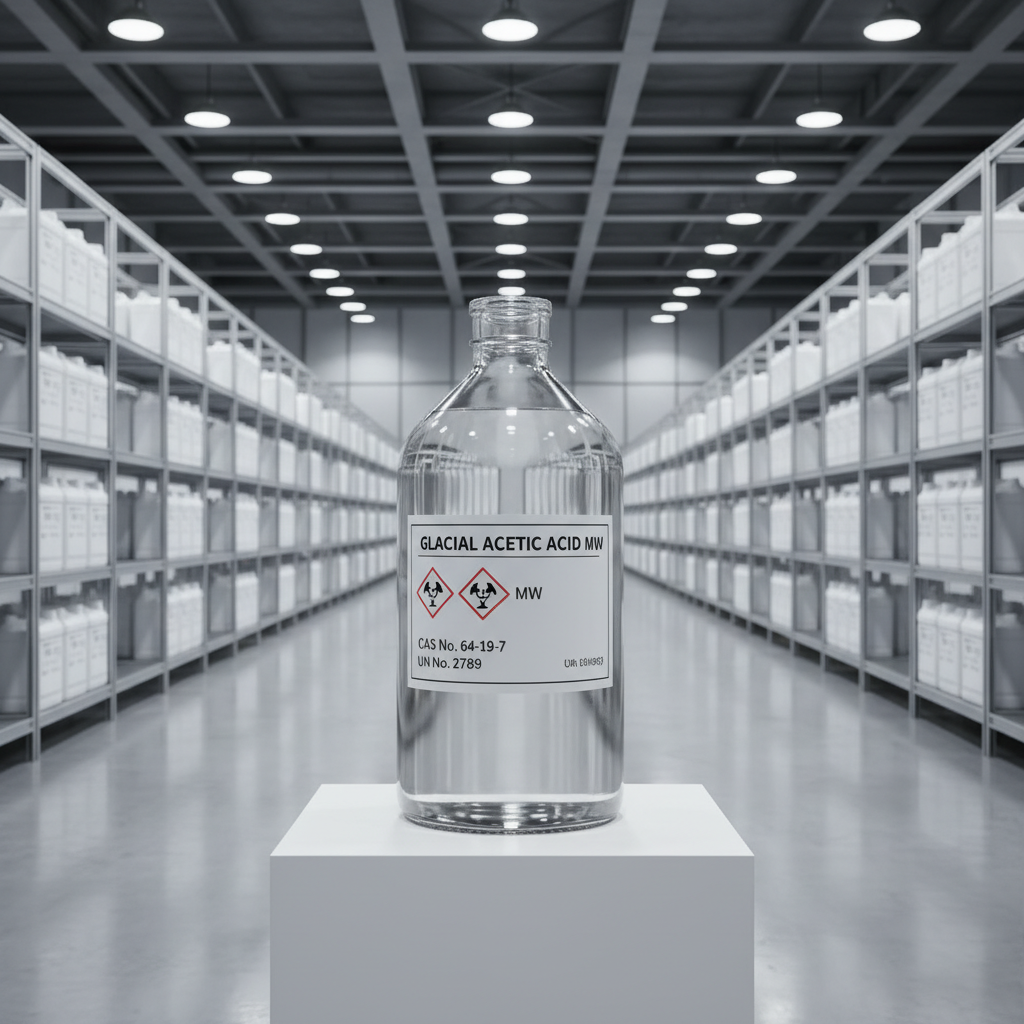
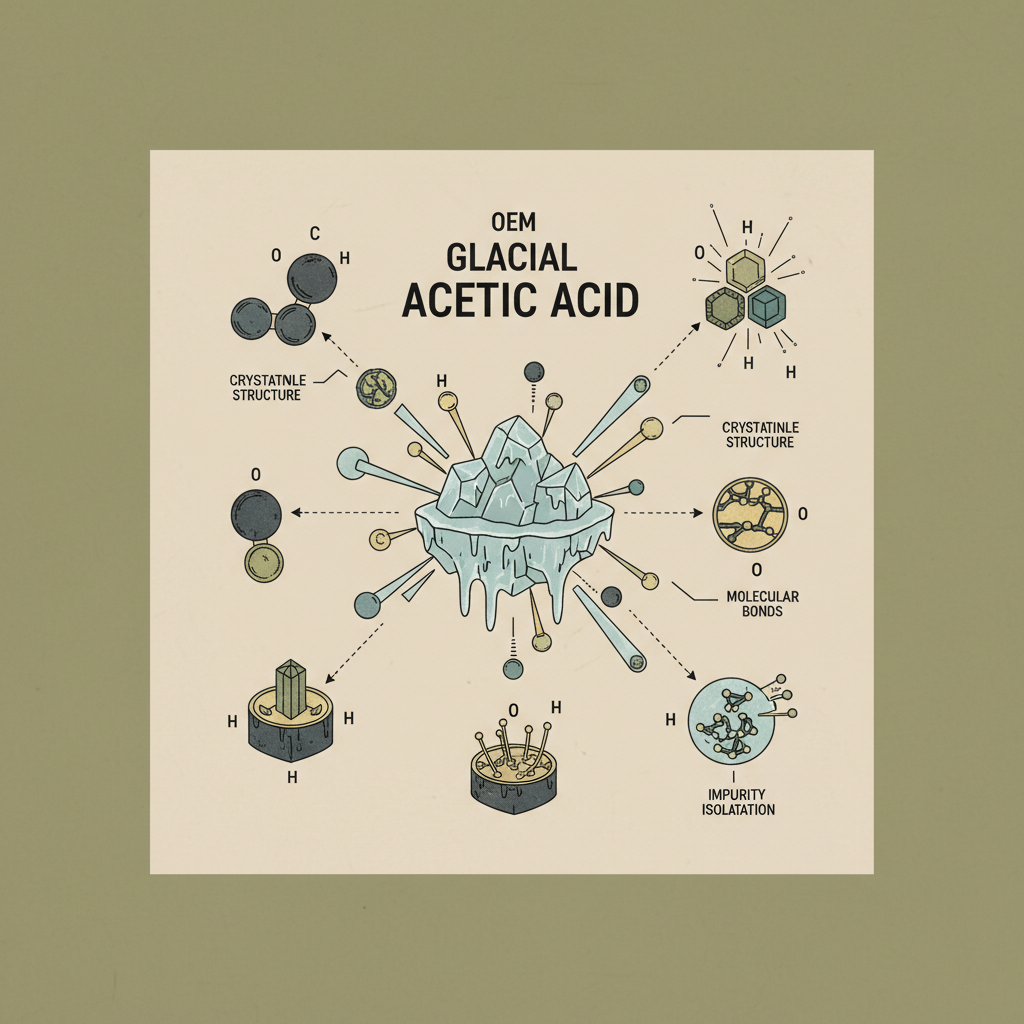
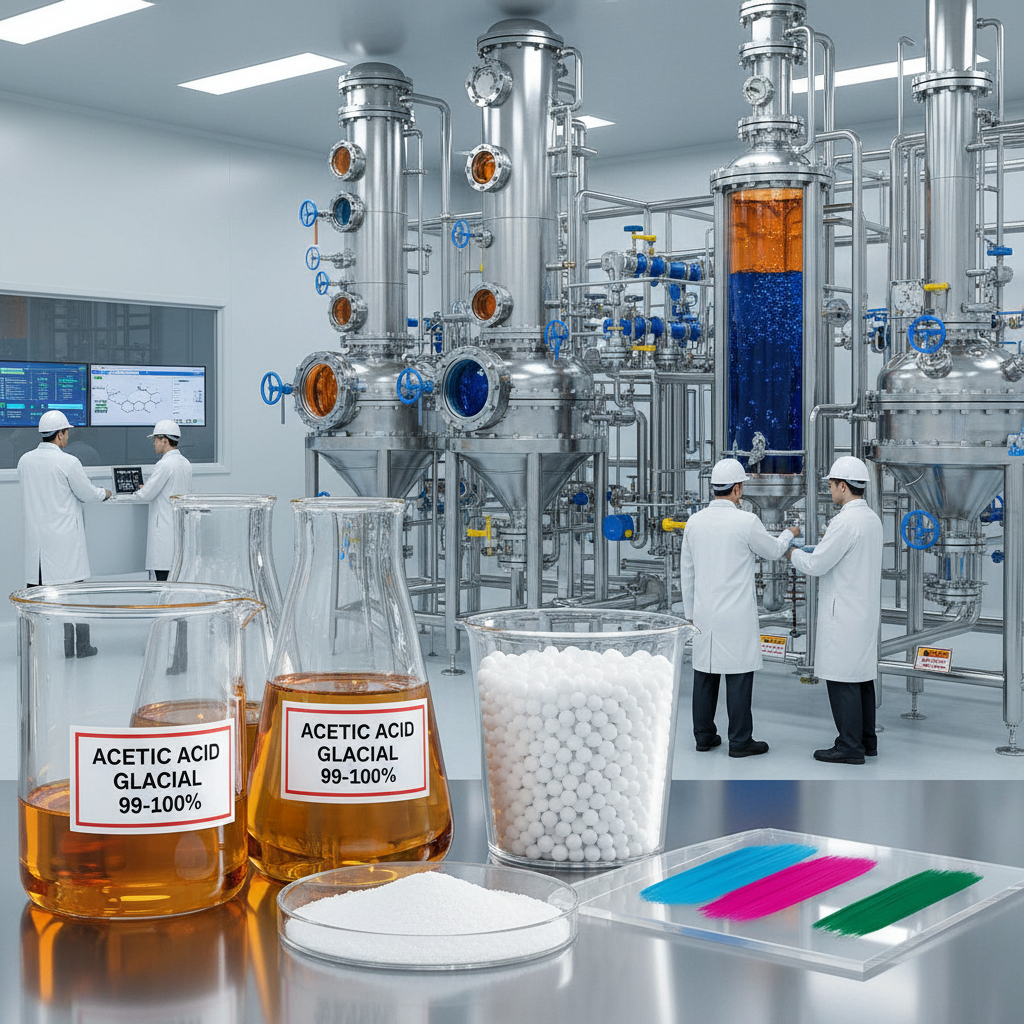
Glacial acetic acid is the concentrated form of acetic acid, containing more than 99% acetic acid by weight. The name “glacial” originates from its appearance when frozen, resembling a glacier. It's a colorless liquid with a pungent, vinegar-like odor, although its concentration makes it far more intense. It’s a versatile and economically important chemical compound.
Its significance stems from its role as a precursor to numerous chemicals and materials vital to everyday life. From the production of pharmaceuticals and polymers to its use in the food and beverage industry, glacial acetic acid's influence is far-reaching. Safe handling practices and strict adherence to regulatory guidelines are essential due to its corrosive nature.
Global Relevance and Production
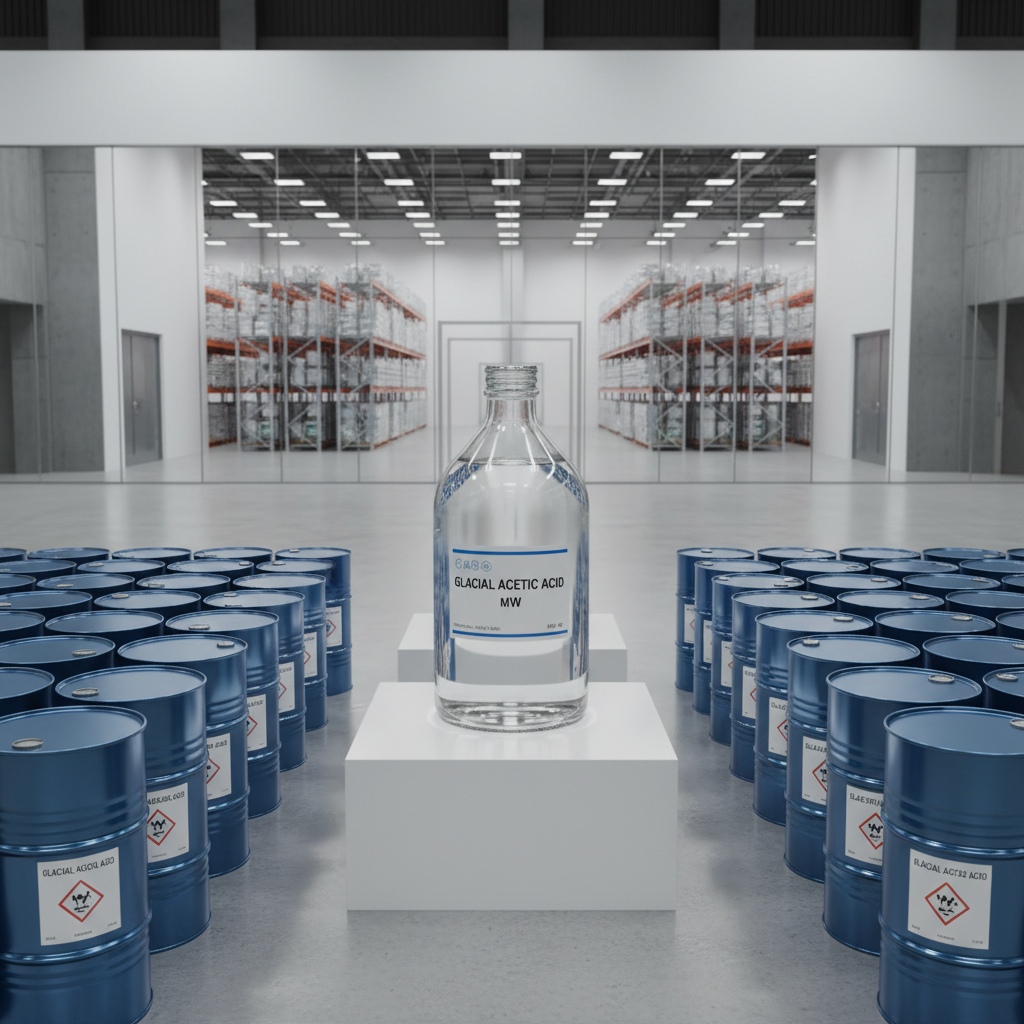
Global production of glacial acetic acid is concentrated in a few key regions, primarily China, the United States, and Europe. China has emerged as the dominant producer, accounting for a significant share of worldwide output. Demand is driven by expanding industrial sectors in emerging economies, especially in Asia. The UN Comtrade database indicates a consistent upward trend in international trade of glacial acetic acid over the past decade.
The total global market for acetic acid and its derivatives (including glacial acetic acid) was valued at approximately $27.5 billion in 2023 and is projected to reach $35 billion by 2030, growing at a CAGR of 3.5% (Source: Grand View Research). This growth is fueled by rising demand from end-use industries like paints & coatings, textiles, and packaging.
A significant challenge is the dependence on fossil fuels for its primary production method – methanol carbonylation. This reliance contributes to greenhouse gas emissions. Addressing this challenge requires innovation in sustainable production methods, such as bio-based acetic acid production, to mitigate environmental impact.
Defining Characteristics of glacial acetic acid
Glacial acetic acid (CH3COOH) is a colorless liquid with a characteristic pungent odor. Its high purity, exceeding 99% acetic acid content, distinguishes it from dilute acetic acid (vinegar). It’s a highly polar solvent, miscible with water, alcohols, and many other organic solvents. Its strong acidic nature (pKa of 4.76) makes it a powerful reagent in various chemical reactions.
Its physical properties – including a relatively high boiling point (118°C) and freezing point (16.6°C) – impact its handling and storage requirements. It's hygroscopic, meaning it readily absorbs moisture from the air, which can affect its concentration. Proper storage in tightly sealed containers is crucial to maintain its purity.
Beyond its chemical properties, glacial acetic acid’s reactivity is a key feature. It undergoes reactions such as esterification, acetylation, and neutralization, making it a building block for countless chemical compounds. Its use in chemical synthesis necessitates careful consideration of safety protocols due to its corrosive nature and potential for exothermic reactions.
Key Properties and Their Applications
The high purity of glacial acetic acid is fundamental to its applications in sensitive chemical processes. It’s critical in pharmaceutical manufacturing where precise chemical compositions are essential. Its strong acidity drives reactions in the production of numerous pharmaceutical intermediates and active pharmaceutical ingredients (APIs).
Its solvent properties are leveraged in the production of cellulose acetate, used in textile fibers and cigarette filters. The ability of glacial acetic acid to dissolve cellulose is key to this process. Furthermore, its role in the production of vinyl acetate monomer (VAM) is crucial, as VAM is a precursor to polymers used in paints, adhesives, and coatings.
glacial acetic acid Application Ratings
Widespread Applications Across Industries
The textile industry utilizes glacial acetic acid extensively in the production of acetate fibers. It serves as a solvent and a reagent in the acetylation process, essential for creating these fibers. This application contributes significantly to the demand for glacial acetic acid globally.
In the pharmaceutical sector, glacial acetic acid acts as a crucial solvent and reagent in the synthesis of various drugs and intermediates. Its high purity is especially critical in this context, ensuring the quality and safety of pharmaceutical products. Many API manufacturing processes rely heavily on its chemical properties.
Advantages and Long-Term Value Proposition
The cost-effectiveness of glacial acetic acid, coupled with its versatility, makes it a compelling choice for numerous industrial applications. Compared to alternative chemicals with similar functionalities, it often presents a more economical solution. Its wide availability and established supply chains contribute to its accessibility.
From a sustainability perspective, ongoing research into bio-based production methods of glacial acetic acid promises to reduce reliance on fossil fuels and lower the carbon footprint. The increasing focus on green chemistry further enhances its long-term value proposition.
Moreover, its reliable performance and consistent quality foster trust among manufacturers, ensuring predictable outcomes in their production processes. This reliability minimizes risks and optimizes operational efficiency, ultimately contributing to the success of their products.
Future Trends and Innovations in glacial acetic acid
One significant trend is the development of bio-based acetic acid production methods. Utilizing renewable feedstocks like biomass and agricultural waste offers a sustainable alternative to traditional fossil fuel-based production. Several companies are actively investing in this technology.
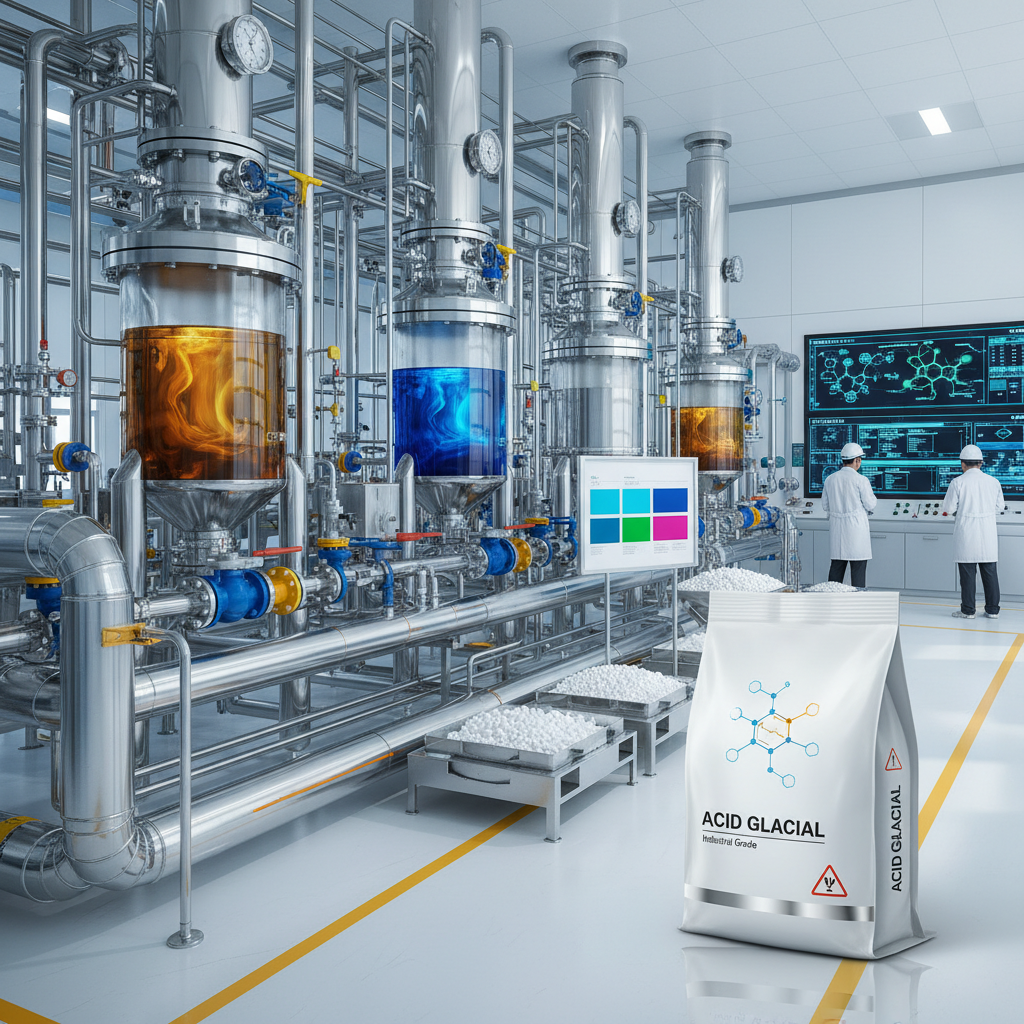
Digitalization and process automation are also gaining traction in glacial acetic acid manufacturing. Implementing advanced control systems and data analytics can optimize production efficiency, reduce waste, and improve product quality. This aligns with the broader Industry 4.0 trend.
Further innovation is focused on enhancing the catalytic processes used in acetic acid production, aiming for higher yields, lower energy consumption, and reduced environmental impact. New catalyst materials and reactor designs are constantly being explored to achieve these goals.
Analysis of Factors Influencing Glacial Acetic Acid Production and Demand
| Feedstock Source |
Production Method Efficiency |
Regional Demand Growth |
Sustainability Index (1-10) |
| Methanol |
85% |
Asia-Pacific |
4 |
| Ethanol |
70% |
North America |
6 |
| Biomass |
60% |
Europe |
8 |
| CO2 Capture |
55% |
South America |
9 |
| Waste Streams |
65% |
Africa |
7 |
| Ethylene |
75% |
Australia |
5 |
FAQS
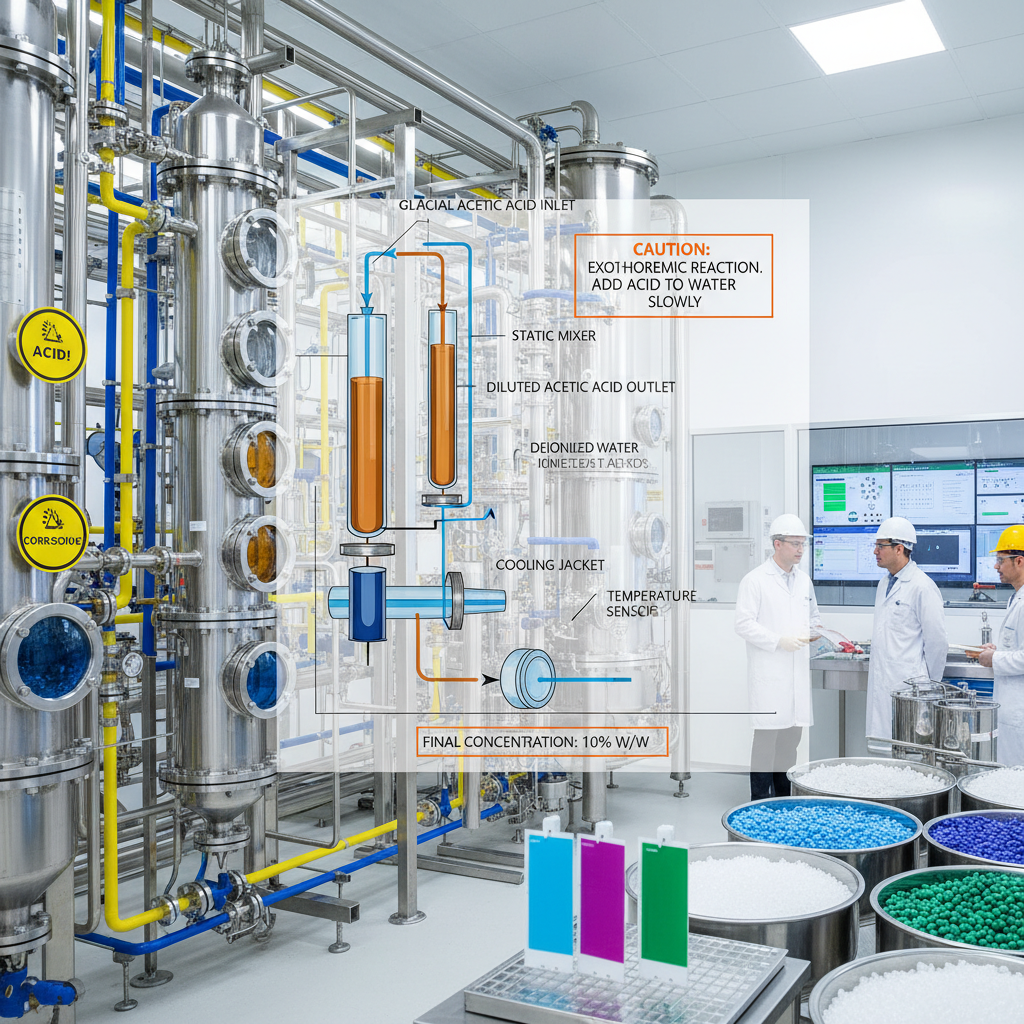
Glacial acetic acid is highly corrosive. Essential safety precautions include wearing appropriate personal protective equipment (PPE) such as chemical-resistant gloves, safety goggles, and a lab coat. Work in a well-ventilated area or under a fume hood to avoid inhaling vapors. Always add acid to water, never water to acid, to prevent splattering and heat generation. Have readily available emergency eyewash and safety shower facilities.
The high purity (typically >99%) of glacial acetic acid is critical for many applications, particularly in pharmaceutical manufacturing and analytical chemistry. Impurities can interfere with chemical reactions, affect product quality, and potentially introduce unwanted byproducts. High-purity glacial acetic acid ensures consistent results and reliable performance.
Vinegar is a dilute solution of acetic acid (typically 5-8% concentration), while glacial acetic acid is highly concentrated (over 99%). This difference in concentration drastically affects their properties and applications. Glacial acetic acid is a potent chemical reagent, whereas vinegar is primarily used as a food preservative and flavoring agent. Their handling requirements also differ significantly due to the corrosive nature of the concentrated form.
Glacial acetic acid should be stored in tightly sealed, non-reactive containers (such as glass or high-density polyethylene) in a cool, dry, and well-ventilated area. Exposure to moisture should be avoided, as it is hygroscopic and can absorb water from the air, altering its concentration. It should be kept away from incompatible materials like strong bases and oxidizing agents.
Bio-based production methods, utilizing renewable feedstocks like biomass and agricultural waste, are emerging as sustainable alternatives. These methods aim to reduce reliance on fossil fuels and lower the carbon footprint. Research also focuses on optimizing catalytic processes and exploring carbon capture technologies to minimize environmental impact.
The primary end-use industries driving demand include the production of vinyl acetate monomer (VAM) for paints and adhesives, cellulose acetate for textiles and cigarette filters, pharmaceuticals, and various chemical intermediates. The demand is also increasing from the food and beverage industry as a preservative and flavoring agent.
Conclusion
In conclusion, glacial acetic acid remains a fundamentally important chemical compound across a vast spectrum of industries. Its unique properties – high purity, strong acidity, and versatile solvent capabilities – underpin numerous critical processes, from pharmaceutical manufacturing to textile production. Recognizing its global relevance and understanding its safe handling procedures are paramount for professionals involved in these sectors.
Looking ahead, innovation in sustainable production methods, coupled with advancements in digitalization and process automation, will further enhance the value proposition of glacial acetic acid. Continued research and development focused on bio-based alternatives and improved catalytic processes are crucial for minimizing environmental impact and ensuring a stable, responsible supply chain. Visit our website at www.ysxlglacialaceticacid.com to learn more about our glacial acetic acid products and solutions.


 English
  Belarusian
  Dutch
Dutch  French
  German
  Hindi
Hindi  Indonesian
  Japanese
  Korean
  Lao
Lao  Malay
Malay  Mongolian
  Myanmar
  Polish
  Portuguese
  Russian
  Spanish
  Tagalog
  Thai
Thai  Vietnamese