
Oct . 20, 2025 13:10 Back to list
Glacial Acetic Acid for Sale – High Purity, Bulk, Rapid Ship
Food Grade Glacial Acetic Acid: Real-World Buying Guide, Specs, and Vendor Insights
If you’re hunting for glacial acetic acid for sale, you’re not alone—demand’s been oddly steady this year across food processing and fermentation. I’ve walked a few plants that run it daily, and—honestly—the right grade and paperwork matter more than the price tag.
What it is (and why it’s still hot)
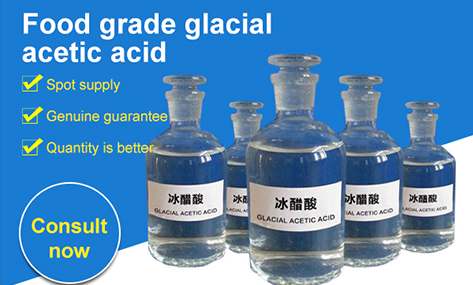
Glacial acetic acid—E260 in the food world—is a classic acidity regulator. In fact, it’s the clean, predictable “sour” behind countless pickles, sauces, condiments, and culture media. Our featured product, Food Grade Glacial Acetic Acid, is produced in Gaocheng District, Shijiazhuang, Hebei (yes, the plant near East Airport Road in Yangma Village). Many customers say they stick to one supplier because COA consistency saves them headaches with QA.
Typical production flow (short version)
Materials: methanol + CO (carbonylation route) → catalytic synthesis (Monsanto/Cativa heritage) → dehydration and fractional distillation → polishing (activated carbon as needed) → food-grade QC release.
Key tests: assay by GC, moisture by Karl Fischer, color (APHA), aldehydes/iron, heavy metals by ICP-MS. Benchmarked to FCC and EU E-number E260 requirements; lot release under ISO 17025-accredited methods where applicable.
Product specifications (food grade)
| Parameter | Typical value | Notes |
|---|---|---|
| Assay (CH3COOH) | ≥ 99.8% | FCC/E260 compliant |
| Water | ≤ 0.15% | Karl Fischer |
| Color (APHA) | ≤ 10 | Clear, water-white |
| Formic acid | ≤ 0.05% | GC |
| Heavy metals (as Pb) | ≤ 1–2 ppm | ICP-MS; real-world use may vary |
| Density @20°C | ≈ 1.049 g/cm³ | Reference |
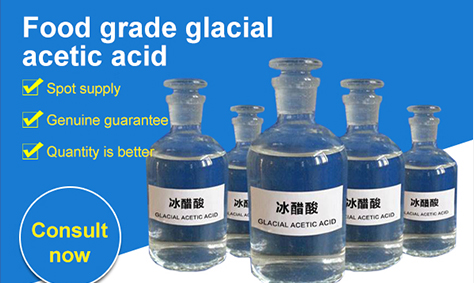
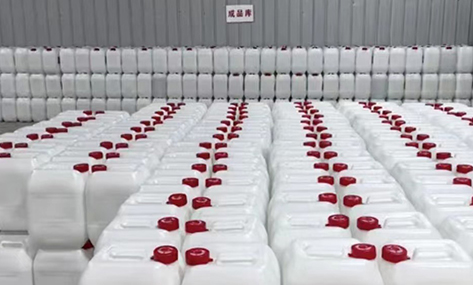
| Packaging | 25/30 kg HDPE drums; 250 kg; 1,000 L IBC | Food-contact liners available |
Certifications: ISO 9001, ISO 22000/FSSC 22000, HACCP, Kosher, Halal; GHS/REACH documentation. UN 2789, Class 8 (corrosive). Shelf life: around 24 months in sealed containers, cool and ventilated storage.
Applications and advantages
- Food & beverage: pH control (E260), pickling, sauces, condiments, fermentation aids.
- Pharma/biotech: solvent, CIP acidification (check material compatibility).
- Textile & leather: dyeing auxiliaries; minor use given food-grade purity.
Advantages I keep hearing: clean taste profile, steady assay, and quick COA turnaround. Surprisingly, lead time consistency beat price for one ketchup maker we interviewed.
Vendor snapshot (what buyers compare)
| Vendor | Purity | Food certs | MOQ | Lead time | Notes |
|---|---|---|---|---|---|
| YSXL (Gaocheng, Hebei) | ≥99.8% | FSSC 22000, Kosher/Halal | 1 IBC | ≈ 7–10 days | Custom COA, tight APHA |
| Regional Vendor A | ≥99.5% | ISO 22000 only | 5 IBC | 12–15 days | Lower price, fewer docs |
| Global Trader B | ≥99.7% | Mixed (by origin) | 1–3 IBC | Varies | Spot availability; ask for full traceability |
Customization, QC, and service life
Customs that matter: private-label COAs, tighter aldehyde limits for sensitive beverages, drum/IBC barcoding, and NSF-style GMP statements. Service life is typically 24 months unopened; after opening, labs I’ve met aim to consume within 6–9 months and re-check APHA and assay.
Quick case notes
- Beverage plant: cut preservative load by 8% after switching to higher-assay lots; pH drift stabilized (data: 30-batch run).
- Pickling line: fewer sensory rejects; QA manager told me “color stayed under 10 APHA lot after lot.”
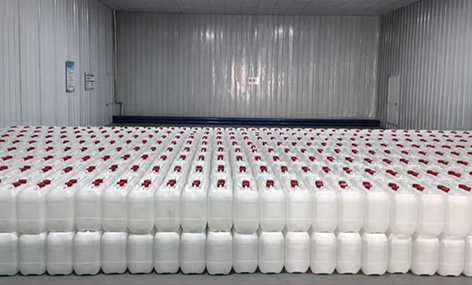
Safety reminder (obvious but worth saying): corrosive liquid—use PPE, ventilate, and check compatibility with stainless (316 preferred) and seals. For purchasing, insist on recent COA and an FCC/E260 statement. If you’re comparing suppliers for glacial acetic acid for sale, weigh lead time, cert stack, and APHA stability—not just the unit price.
How to buy: reach out with target specs, packaging, delivery port, and intended use. Request a representative COA, food-grade declaration, allergen/GMO statements, and a sample. It sounds basic, but it saves rounds of emails.
References and standards
- USP–FCC Monograph: Acetic Acid (E260), Food Chemicals Codex.
- EU Regulation (EC) No 1333/2008 on food additives; E-number E260.
- Codex Alimentarius, INS 260 (GSFA) – Acidity Regulators.
- UN Model Regulations: UN 2789, Acetic acid, glacial; Class 8.
- NIOSH/OSHA guidelines for acetic acid handling and exposure.
-
Industrial Applications and Properties of 75 acetic acid Solution
NewsApr.16,2026
-
Properties and Industrial Applications of 64 19 7 acetic acid
NewsApr.09,2026
-
Comprehensive Guide to 56 Acetic Acid Applications and Reliable Sourcing
NewsApr.07,2026
-
Comprehensive Guide to 5 Glacial Acetic Acid for International Trade and Industrial Applications
NewsApr.04,2026
-
Exploring 100 Acetic Acid Properties Applications and Reliable Sourcing
NewsMar.31,2026
-
Comprehensive Guide to 10 Glacial Acetic Acid Properties and Applications
NewsMar.28,2026
 English
  Belarusian
  Dutch
Dutch  French
  German
  Hindi
Hindi  Indonesian
  Japanese
  Korean
  Lao
Lao  Malay
Malay  Mongolian
  Myanmar
  Polish
  Portuguese
  Russian
  Spanish
  Tagalog
  Thai
Thai  Vietnamese