
Oct . 05, 2025 22:20 Back to list
Glacial Acetic Acid for Sale – High Purity, In Stock?
Food-Grade Glacial Acetic Acid: Buyer’s Guide, Specs, and Real-World Insights
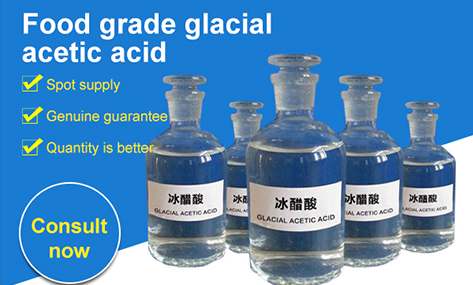
If you’re scanning the market for glacial acetic acid for sale, here’s the straight talk from the factory floor and the QA lab. The product discussed here is produced in Hebei Province (200 meters northeast of the intersection of East Airport Road and Airport North Street in Yangma Village, Zengcun Town, Gaocheng District, Shijiazhuang City). In the food world it’s listed as E260—an acidity regulator you’ll see in pickles, sauces, beverages, and countless formulations. It’s familiar, yes, but quality and consistency are what make or break a batch. I’ve watched teams chase off-flavors for weeks because of trace aldehydes—so specs matter more than marketing.
Market trends (quick but useful)
- Cleaner feedstocks: producers are trimming aldehydes/iron to tame flavor drift in delicate beverages.
- Greener production: more plants shifting to low-carbon methanol routes; buyers increasingly ask for CO2 footprints.
- Packaging agility: IBCs and food-safe drums with tamper seals are winning over bulk tankers for traceability.
Technical specifications (typical, food grade)
| Parameter | Spec (typ.) | Method/Note |
|---|---|---|
| Assay (CH3COOH) | ≥ 99.8% w/w | FCC / acidimetric |
| Water | ≤ 0.20% w/w | Karl Fischer (ASTM E203) |
| Formic acid | ≤ 0.05% w/w | GC/FCC |
| Aldehydes (as acetaldehyde) | ≤ 0.05% w/w | GC |
| Color (APHA) | ≤ 10 | ASTM D1209 |
| Heavy metals (as Pb) | ≤ 2 mg/kg | FCC/ICP-MS |
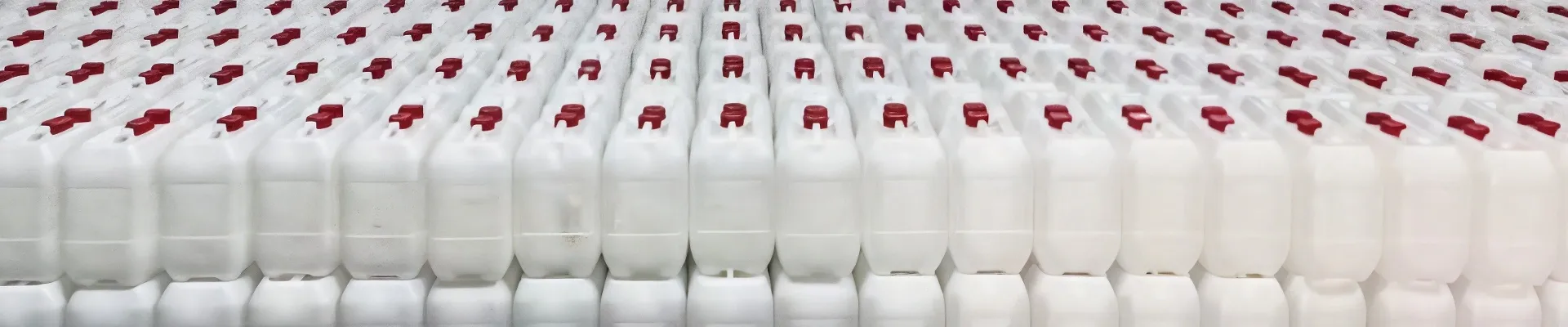
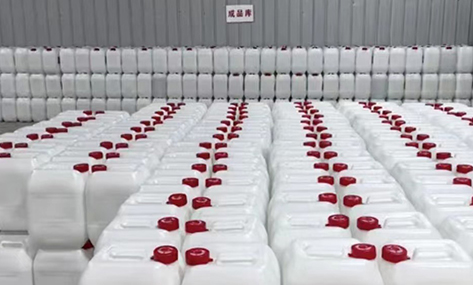
Shelf life: ≈24 months sealed, cool and dry. Packaging: 25 kg food-grade drums, 200 L HDPE drums, 1000 L IBCs; tamper-evident seals available.
Manufacturing and testing flow (how it’s really made)
Most food-grade material comes from methanol carbonylation (modern Cativa-style processes), then deep drying and fractional distillation. Food-grade polishing removes trace aldehydes and metals. Every batch I’ve seen pass spec hits: assay, moisture (KF), aldehydes by GC, color, and metals. Certification sets typically include ISO 22000/HACCP, with Halal/Kosher on request.
Applications and dose ranges
- Pickles/condiments: pH control, sharp but clean sourness; real-world use may vary, often 0.1–0.6% in brines.
- Beverages/syrups: micro-adjust pH without flavor clutter; watch aldehydes to avoid “green apple” notes.
- Bakeries/sauces: buffering with acetates; consistent APHA color prevents tinting issues.
Safety note: it’s corrosive; use PPE, food-grade dilution water, and dedicated acid dosing lines. Simple, but people forget.
Vendor snapshot (what buyers compare)
| Vendor | Purity | Certs | Pack | Lead time | Notes |
|---|---|---|---|---|---|
| YSXL (Hebei) | ≥99.8% | ISO 22000, HACCP, Halal/Kosher | 25 kg, 200 L, 1000 L | 7–12 days | Low aldehydes; stable APHA |
| International B | ≥99.7% | GFSI site, Halal | IBC focus | 2–4 weeks | Premium pricing |
| Regional C | ≥99.5% | HACCP | Mixed | Stock-based | Check metals content |
Customization and services
- Pre-dilutions (10–80% w/w) with RO water for safer handling.
- Private-label drums, QR lot traceability, COA & full MSDS kit.
- Sensory guardrails: aldehydes ≤0.03% upon request for beverage-grade sensitivity.
Case notes (from the field)
A mid-size pickle processor cut brine variability by 28% after switching to tighter KF moisture control—surprisingly, the fix wasn’t flavoring, it was water in acid. Another beverage client saw fewer “apple” off-notes simply by capping acetaldehyde at 0.03%. Small spec change, big lift.
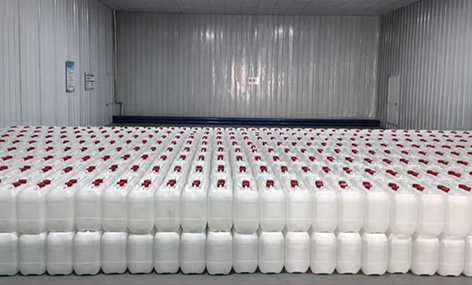
If you need consistent lots of glacial acetic acid for sale with food-grade paperwork and traceability, this Hebei origin is worth shortlisting. Many customers say the color stability and GC impurity profile are the quiet heroes behind their cleaner labels.
References
- Food Chemicals Codex (FCC) Monograph: Acetic Acid, USP.
- EU Regulation (EC) No 1333/2008 on food additives; E260 listing.
- Codex Alimentarius GSFA (General Standard for Food Additives): Acetic Acid (INS 260).
- ASTM E203: Standard Test Method for Water by Karl Fischer Titration; ASTM D1209: Color of Transparent Liquids (APHA).
-
Industrial Applications and Properties of 75 acetic acid Solution
NewsApr.16,2026
-
Properties and Industrial Applications of 64 19 7 acetic acid
NewsApr.09,2026
-
Comprehensive Guide to 56 Acetic Acid Applications and Reliable Sourcing
NewsApr.07,2026
-
Comprehensive Guide to 5 Glacial Acetic Acid for International Trade and Industrial Applications
NewsApr.04,2026
-
Exploring 100 Acetic Acid Properties Applications and Reliable Sourcing
NewsMar.31,2026
-
Comprehensive Guide to 10 Glacial Acetic Acid Properties and Applications
NewsMar.28,2026
 English
  Belarusian
  Dutch
Dutch  French
  German
  Hindi
Hindi  Indonesian
  Japanese
  Korean
  Lao
Lao  Malay
Malay  Mongolian
  Myanmar
  Polish
  Portuguese
  Russian
  Spanish
  Tagalog
  Thai
Thai  Vietnamese