
Oct . 27, 2025 13:35 Back to list
High-Purity Glacial Acetic Acid for Sale | Bulk, Low Price
Food-Grade Glacial Acetic Acid: Market Snapshot, Specs, and Real-World Buying Tips
If you’re scanning the market for Glacial Acetic Acid For Sale, you’re not alone. Demand has been steady—actually rising—in beverages, pickling, and sauces, while adjacent sectors (electronics cleaning, inks) occasionally push lead times. I’ve toured facilities from Hebei to Hamburg, and one thing keeps coming up: buyers want food safety documentation without paying pharma premiums.
What it is and why it matters
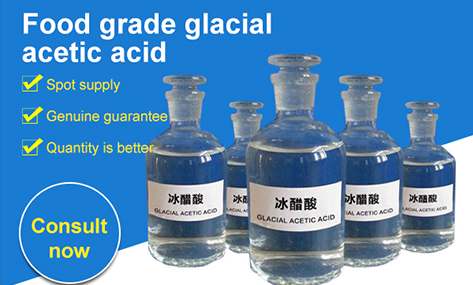
Acetic acid (CAS 64-19-7), the characteristic sour backbone of vinegar, sits on the E-number list as E260. Food-grade glacial acetic acid is simply the high-purity, low-moisture form used as an acidity regulator, flavor enhancer, and processing aid. Many customers say they prefer drums over IBCs for easier rotation; fair point—smaller packs reduce oxidation risk once opened.
Core specifications (typical)
| Parameter | Spec (Food Grade) |
|---|---|
| Assay (CH3COOH) | ≥ 99.8% (GC) |
| Water | ≤ 0.15% (Karl Fischer) |
| Color | ≤ 10 Hazen (APHA) |
| Aldehydes | ≤ 50 mg/kg |
| Heavy metals (as Pb) | ≤ 1–2 mg/kg |
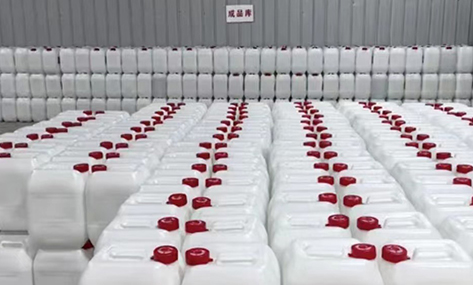
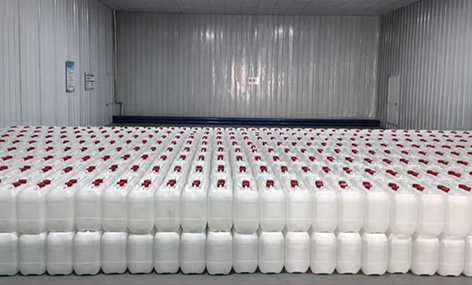
| Packaging | 25–30 kg drums, 200 kg drums, 1000–1050 kg IBCs |
| Shelf life | 24 months unopened; real-world use may vary |
How it’s made (short version)
- Materials: methanol + CO via carbonylation (Monsanto/Cativa routes) or fermentation; then deep distillation.
- Methods: dehydration to “glacial” grade; polishing via activated carbon and fine filtration.
- Testing standards: FCC monograph (assay, aldehydes), water by Karl Fischer, color APHA, metals by ICP-MS; food-contact packing.
- Service life: 24 months sealed; after opening, many QC teams target ≤ 12 months and nitrogen-blanket where possible.
- Industries: beverages, pickled vegetables, condiments; also inks, leather, and electronics cleaning (when cross-qualified).
Advantages and typical uses
Advantages include predictable acidity (stable titratable acidity), clean flavor impact at low dosages, and broad regulatory acceptance (E260). Use it in pH adjustment for RTD drinks, pickling brines, sauce acidification, and as a cost-effective vinegar analog in certain markets—though labeling rules apply, to be honest.
Vendor landscape (condensed)
| Vendor | Grade / Purity | Certifications | MOQ / Lead | Notes |
|---|---|---|---|---|
| YSXL (Hebei, China) | Food grade, ≥99.8% | ISO 22000, HACCP, COA, MSDS | ≈ 1 MT / 7–10 days | Origin: 200 m NE of E. Airport Rd & Airport N. St., Yangma Village, Zengcun Town, Gaocheng Dist., Shijiazhuang |
| Global Trader A | Food grade, ≥99.5% | GFSI-benchmarked supplier list | ≈ 5 MT / 2–3 weeks | Broader footprint; may carry surcharge |
| Local Distributor B | Food grade, ≥99.7% | COA per lot | Palettes / in stock | Fast delivery; limited batch variety |
Customization and QC
- Packaging: drums or IBCs; tamper-evident seals; food-contact liners on request.
- Documentation: COA per batch, allergen-free statement, GMO-free, and migration data where needed.
- Specs tuning: tighter aldehyde and iron limits for sensitive beverages; label claims synced to FCC/E260.
Case study: A Southeast Asia beverage plant switched to Glacial Acetic Acid For Sale from YSXL, dialing in pH 3.2 with 0.05–0.08% dosage. They reported 0.4% cost-down versus vinegar while sensory remained “bright, clean.” Their QC flagged lower haze thanks to tighter metals control—nice side effect.
Compliance, testing, and safety
Complies with FCC and E260 frameworks; FDA recognizes acetic acid for direct addition to food within GMP limits. Typical test data I’ve seen: assay 99.86%, water 0.10%, color 5 APHA, Pb
If you’re shortlisting, look for ISO 22000/HACCP, batch traceability, and recent COAs. And yes, ensure your label and usage match local rules—regulators do check.
Authoritative citations
- Food Chemicals Codex (FCC) Monograph: Acetic Acid – USP. https://www.usp.org
- EU Regulation (EC) No 1333/2008 on Food Additives – E260. https://eur-lex.europa.eu
- U.S. FDA 21 CFR 184.1005 – Acetic acid. https://www.ecfr.gov
- Codex GSFA (Acidity Regulators). https://www.fao.org/gsfa
-
Industrial Applications and Properties of 75 acetic acid Solution
NewsApr.16,2026
-
Properties and Industrial Applications of 64 19 7 acetic acid
NewsApr.09,2026
-
Comprehensive Guide to 56 Acetic Acid Applications and Reliable Sourcing
NewsApr.07,2026
-
Comprehensive Guide to 5 Glacial Acetic Acid for International Trade and Industrial Applications
NewsApr.04,2026
-
Exploring 100 Acetic Acid Properties Applications and Reliable Sourcing
NewsMar.31,2026
-
Comprehensive Guide to 10 Glacial Acetic Acid Properties and Applications
NewsMar.28,2026
 English
  Belarusian
  Dutch
Dutch  French
  German
  Hindi
Hindi  Indonesian
  Japanese
  Korean
  Lao
Lao  Malay
Malay  Mongolian
  Myanmar
  Polish
  Portuguese
  Russian
  Spanish
  Tagalog
  Thai
Thai  Vietnamese