Maintaining a precise acidity level is a critical operational requirement for food manufacturers, where the choice of raw materials directly impacts shelf life and taste profile. Among the available acidity regulators, glacial acetic acid stands out for its high purity and versatility across diverse food categories.
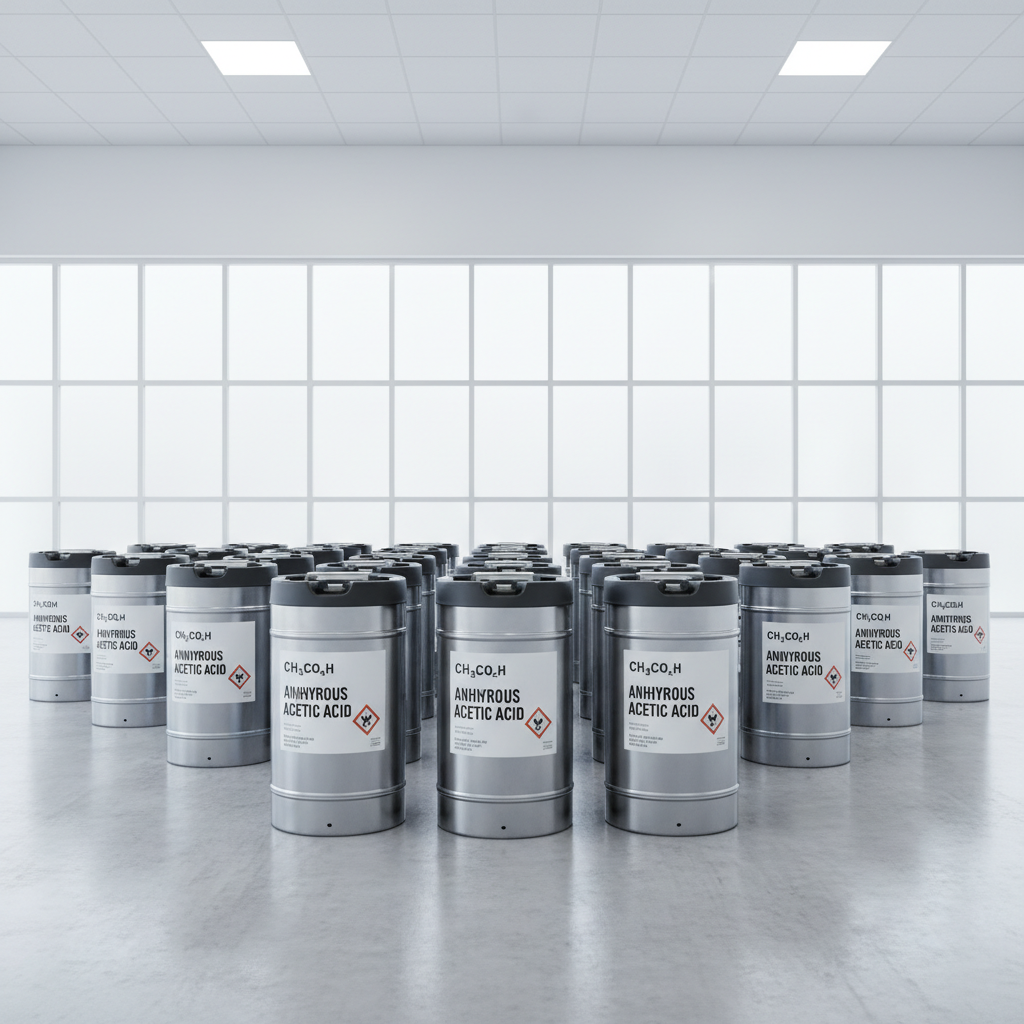
For enterprises looking to optimize their supply chain, sourcing oem acetic acid glacial allows for a tailored approach to concentration and packaging, ensuring that the chemical properties align perfectly with specific production recipes.
This report examines the technical specifications of food-grade acetic acid, its functional role in modern food preservation, and the critical evaluation criteria for sourcing high-purity additives in a commercial environment.


Acetic acid is a typical fatty acid and an organic compound widely present in nature. In its concentrated form, it is referred to as "glacial" acetic acid because it crystallizes into an ice-like solid at temperatures below 16.6°C. This high-concentration form is the primary raw material for producing various food-grade vinegars and acidic seasonings.
From a molecular perspective, its formula CH3COOH allows it to act as a potent sourness agent. In the food industry, it is strictly categorized under the E260 list of food additives, serving as a specified acidity regulator that ensures both flavor consistency and microbial stability.
The efficacy of food-grade glacial acetic acid is determined by its physical and chemical indicators. A standard commercial grade requires a content purity of ≥ 99.8%. This level of purity is essential to avoid off-flavors or unwanted chemical residues in the final food product. Key physical markers include a boiling point of 117.9°C and a relative density of 1.0492, which are used for quality verification during intake.
Furthermore, the refractive index of 1.3716 provides a rapid method for concentration checks in a laboratory setting. The characteristic stimulating odor and colorless liquid state are indicative of its concentrated nature. When these parameters are met, the additive provides a clean, sharp acidity that can be precisely diluted to reach the target pH of a product.
Manufacturers such as Hebei Yishan Flavor Co., Ltd. emphasize these purity standards to ensure that their branded edible acetic acid meets the stringent requirements of global food safety regulations, providing a reliable baseline for downstream food processing.
Acidity regulators do more than just provide taste; they are fundamental to the preservation of perishable foods. By lowering the pH level, acetic acid creates an environment that inhibits the growth of many pathogenic bacteria, thereby extending the shelf life of canned and processed goods.
The primary value of high-purity acetic acid lies in its ability to be precisely diluted—typically to 4-5% for edible vinegar—providing a consistent chemical barrier against spoilage while mimicking the flavor profile of traditional brewed vinegar.
This precision is why the food industry relies on concentrated glacial forms. It allows for the exact measurement of acidity, reducing the variance that often occurs with natural fermentation processes. This consistency is vital for maintaining regulatory compliance in large-scale manufacturing.
The versatility of glacial acetic acid allows it to be integrated into a wide array of products. In condiments like tomato sauce and mayonnaise, it acts as both a flavor enhancer and a preservative. In the production of kimchi and pickled vegetables, it ensures the desired tartness while maintaining the structural integrity of the produce.
Beyond savory applications, diluted acetic acid is utilized in candies, baked goods, and soft drinks to provide a balanced sour note. The flexibility of its application depends on the dilution ratio, moving from a strong acid in industrial canning to a subtle flavor agent in puddings or gum sugar.
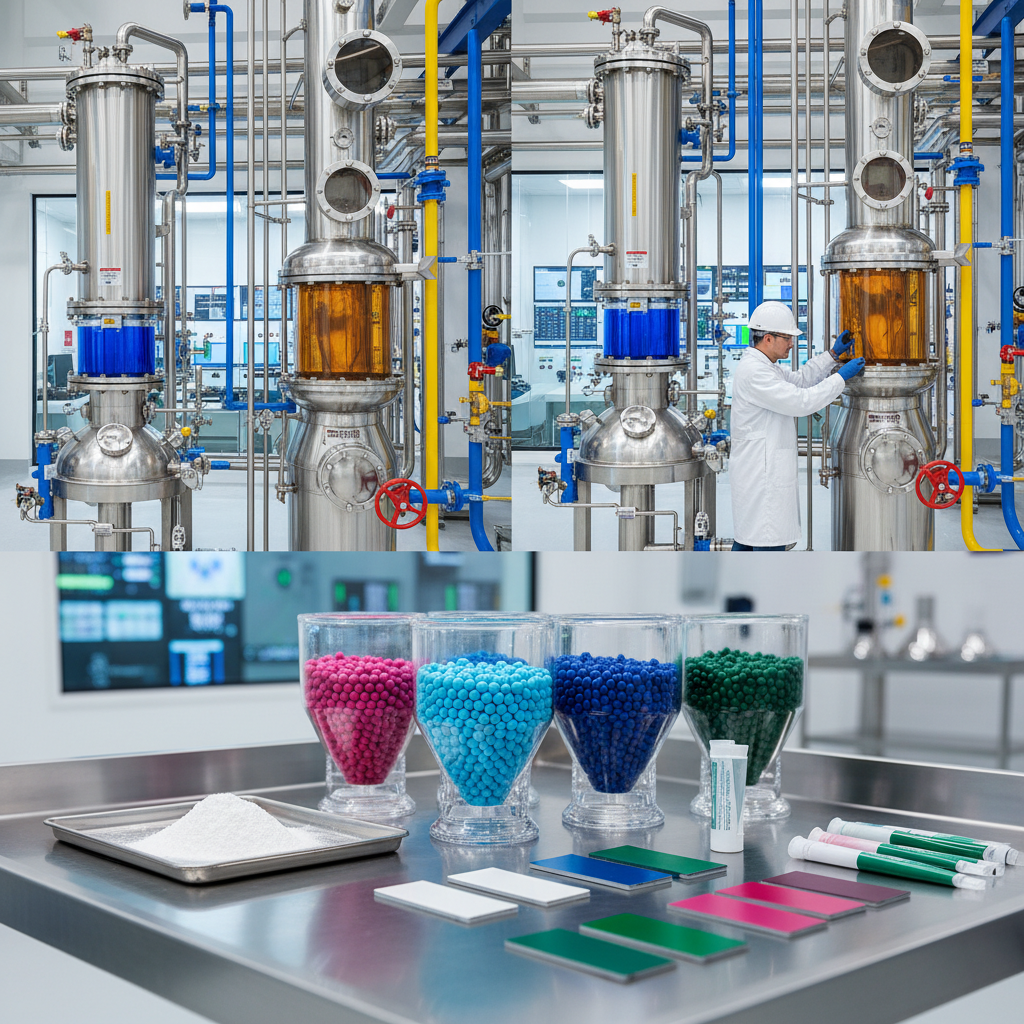
Integrating concentrated acetic acid into a production line requires strict safety protocols and precise dosing equipment. For a manufacturer evaluating a new recipe, the transition from brewed vinegar to an acetic acid-based solution often results in higher consistency and lower logistics costs due to the reduced volume of raw materials transported.
A typical industrial setting involves diluting the glacial acid with purified water to a concentration of 4-5%, then adding specific seasonings to achieve a flavor profile identical to traditional vinegar. This method is particularly effective for baby food, canned seafood (like sardines and squid), and acidic seasoning solutions.
The shift toward "clean label" products is pushing manufacturers to seek additives that are naturally occurring or widely recognized as safe. Acetic acid, being the primary component of vinegar, fits this requirement well, provided the source is of food grade.
There is also a growing trend toward OEM partnerships. By collaborating with specialized producers like Hebei Yishan Flavor Co., Ltd., companies can secure a stable supply of high-purity acetic acid that is pre-verified for quality, reducing the need for extensive in-house testing of every batch.
Future developments are likely to focus on further refining the purity levels to eliminate any trace of industrial impurities, ensuring that the sensory experience of the food remains completely untainted.
When selecting a supplier for oem acetic acid glacial, procurement officers must look beyond the price per ton. The critical factors include the stability of the purity index, the reliability of the supply chain, and the supplier's adherence to food-grade certifications.
A failure in purity, even by a fraction of a percent, can lead to inconsistent pH levels across product batches, potentially compromising the safety of canned goods. Therefore, a technical evaluation of the supplier's quality control process is mandatory.
The following table provides a conceptual framework for comparing different sourcing options based on industrial requirements.
| Evaluation Factor | Industrial Grade | Standard Food Grade | Premium OEM Grade |
|---|---|---|---|
| Purity Level | < 99.0% | ≥ 99.8% | ≥ 99.8% (Strict) |
| Odor Profile | Strong/Chemical | Stimulating/Clean | Clean/Consistent |
| Regulatory Compliance | Non-Edible | E260 Certified | E260 + Quality Audit |
| Application Risk | High (Toxicity) | Low (Standard) | Minimal (Verified) |
| Batch Variance | Moderate | Low | Extremely Low |
| Logistics Volume | High | Medium | Optimized (Conc.) |
Glacial acetic acid is the highly concentrated, nearly pure form of acetic acid (≥ 99.8%), whereas standard edible vinegar is a diluted solution, typically containing only 4-8% acetic acid. Glacial acetic acid is used as the raw industrial material to produce vinegar and other acidic food additives through controlled dilution.
It acts as an acidity regulator (E260). By diluting the acid into food products, manufacturers lower the pH level. This acidic environment prevents the growth of spoilage-causing bacteria and pathogens, which is essential for the safety of canned vegetables, sauces, and pickled seafood.
The most critical parameters are the content percentage (which must be ≥ 99.8% for food grade), the boiling point (117.9°C), and the relative density (1.0492). Consistency across batches is also vital to ensure that the final food product's taste and pH remain uniform.
No, glacial acetic acid is far too concentrated and corrosive for direct use. It must be properly diluted with water and other ingredients. For example, it is typically diluted to a 4-5% concentration to create an edible vinegar-like base before being added to sauces or seasonings.
It is widely used in tomato sauce, mayonnaise, kimchi, cheese, and sugary food products. It is also a key component in canning processes for asparagus, baby food, and various seafood products like squid and sardines, acting as both a souring agent and a shelf-life extender.
Below 16.6°C, high-purity acetic acid begins to crystallize and form an icy solid. This physical characteristic is the reason for the term "glacial." This transition does not affect the chemical purity but may require heating for liquid transfer in cold climates.
The strategic use of food-grade glacial acetic acid allows manufacturers to achieve a level of precision in acidity and preservation that is difficult to attain through natural fermentation alone. By prioritizing purity (≥ 99.8%) and consistent technical specifications, enterprises can ensure both the sensory quality and the safety of their food products.
As the industry moves toward more efficient and transparent supply chains, partnering with reliable producers who understand the nuances of E260 regulations remains the most effective way to manage risk and maintain product excellence in a competitive global market.