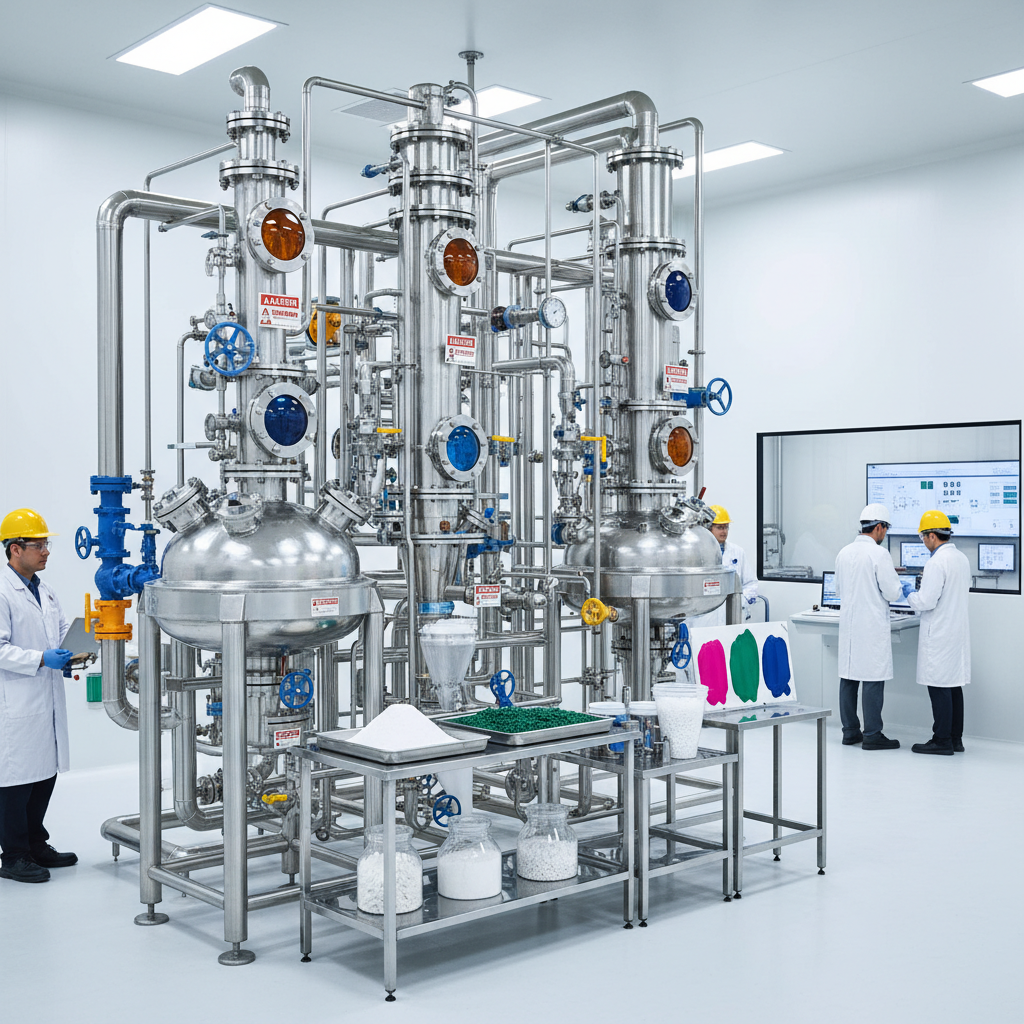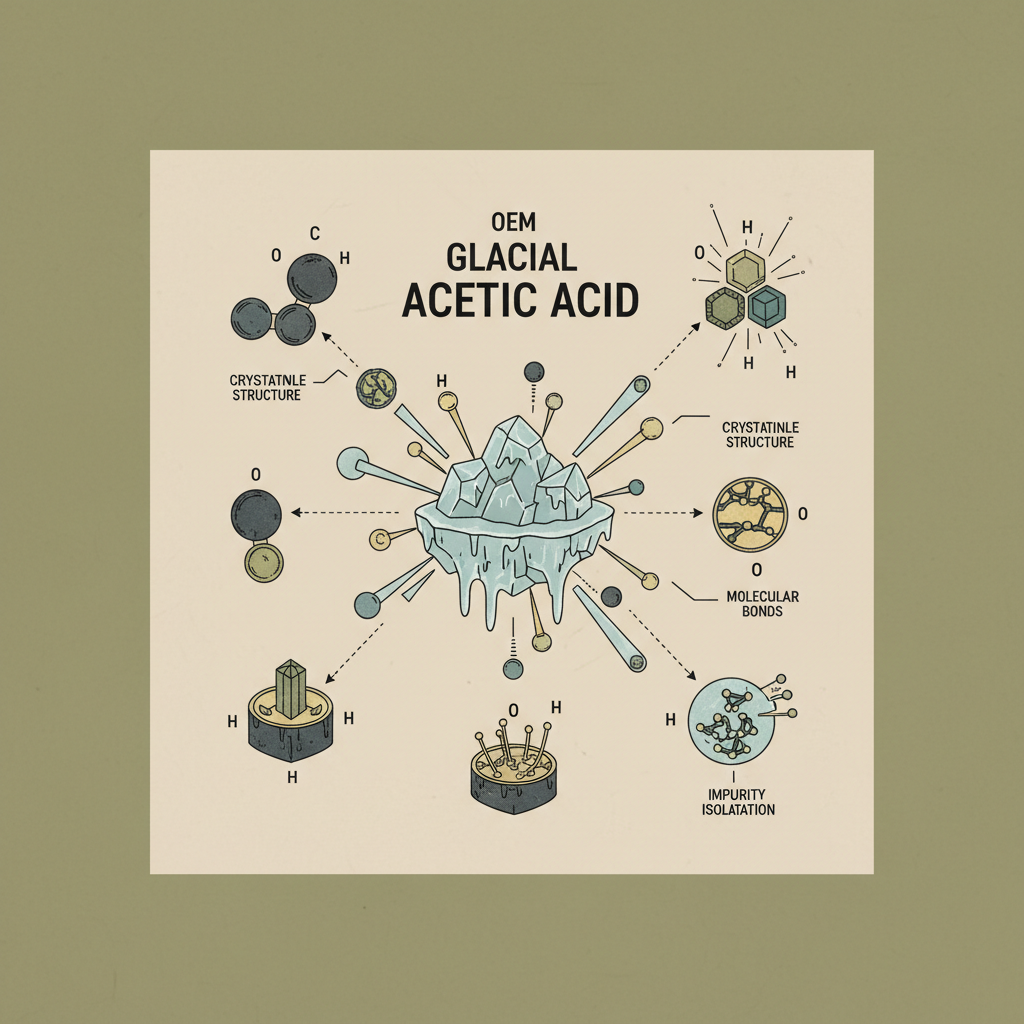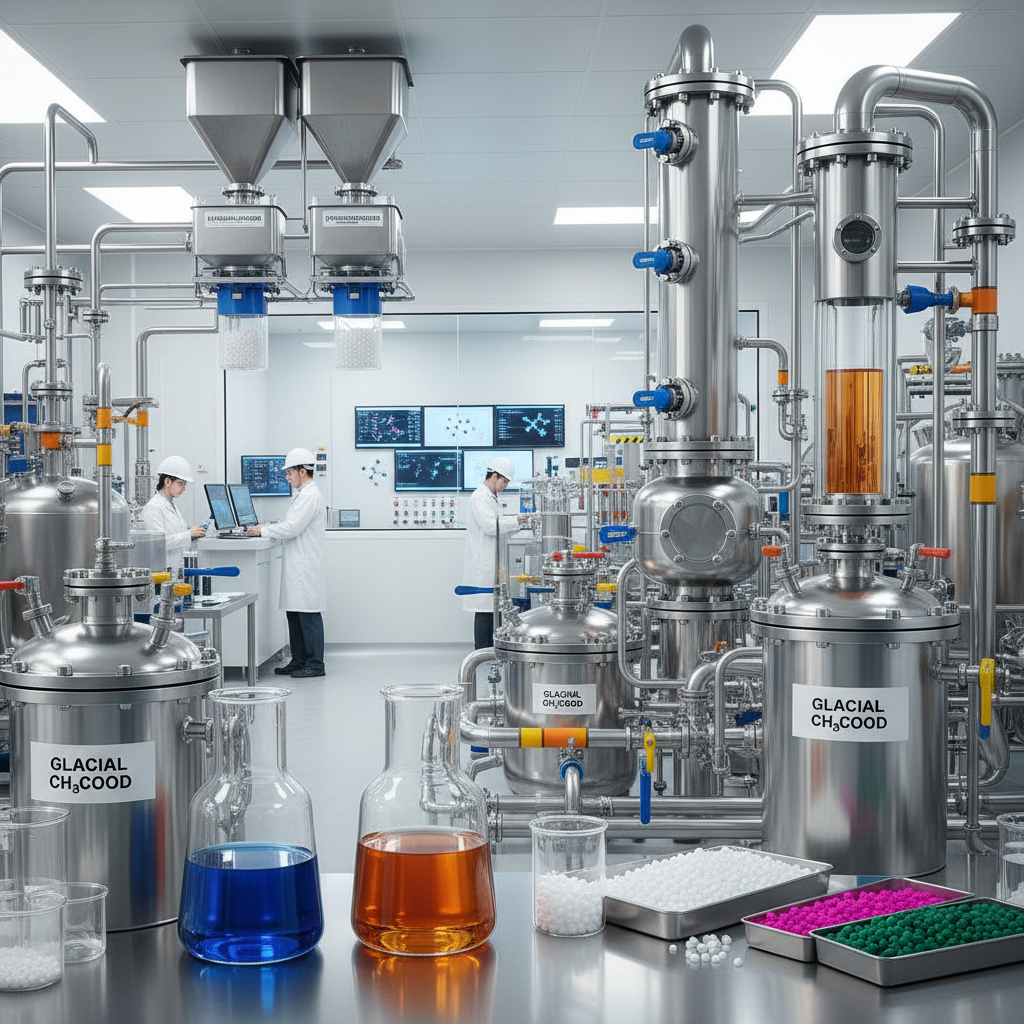
Finding reliable glacial acetic acid suppliers is a critical operational requirement for companies operating within the food additive manufacturing and broader food processing sectors. Glacial acetic acid, in its anhydrous form, serves as a fundamental building block for countless preservatives, acidity regulators, and chemical synthesis processes that ensure food safety and shelf-life stability.
The primary challenge for procurement managers is balancing high purity levels—essential for food-grade compliance—with supply chain consistency and competitive pricing. Selecting a partner who understands the rigorous demands of the food additive industry prevents production delays and ensures that the end products meet strict health and safety regulations.
This guide provides a professional framework for evaluating suppliers, analyzing purity specifications, and implementing a risk-mitigated procurement strategy to ensure a steady flow of high-quality acetic acid for industrial food manufacturing.

Essential Purity Standards for Food-Grade Acetic Acid

For those seeking glacial acetic acid suppliers, the distinction between industrial grade and food grade is paramount. Food-grade glacial acetic acid must maintain a concentration of typically 99.8% or higher, with strictly controlled limits on heavy metals and organic impurities to prevent contamination of the final food product.
Hebei Yishan Flavor Co., Ltd. focuses on the production and sale of edible acetic acid, ensuring that the purity levels meet the specific requirements of food additive manufacturers. When auditing a supplier, buyers should request a comprehensive Certificate of Analysis (CoA) that details the exact assay percentage and the absence of prohibited additives.
Evaluating Supplier Technical Capabilities
A supplier's value is not determined by price alone but by their technical infrastructure and quality control systems. In the food manufacturing industry, the ability to maintain batch-to-batch consistency is the most significant indicator of a supplier's reliability.
Technical evaluation should focus on the supplier's storage capabilities and transport logistics. Since glacial acetic acid is corrosive and sensitive, suppliers must utilize specialized materials (such as specific stainless steel or lined tanks) to prevent leaching, which could compromise the purity of the edible acetic acid products.
Strategic Applications in Food Additive Manufacturing
Glacial acetic acid is a versatile precursor in the food additive sector. It is primarily utilized to produce acetates (such as sodium acetate or potassium acetate) which act as seasoning agents, preservatives, and buffers in processed foods. Its high acidity makes it an effective pH regulator, inhibiting the growth of spoilage organisms.
Beyond simple acidification, it is used in the synthesis of various flavoring agents. By partnering with a supplier that understands these downstream applications, manufacturers can better align their procurement cycles with the specific chemical requirements of their additive production lines.
Comparative Analysis of Supply Chain Priority Dimensions
When assessing different glacial acetic acid suppliers, buyers often weight different priorities based on their current operational scale. For some, absolute purity is the non-negotiable driver, while for others, the reliability of the delivery schedule is the primary concern to avoid costly production halts.
The chart above represents a conceptual evaluation index of buyer priorities. Purity and Compliance typically score highest as they are regulatory requirements, followed by Supply Stability and Price Competitiveness, which influence long-term ROI.
Risk Mitigation in Bulk Chemical Procurement
Procuring bulk chemicals involves inherent risks, ranging from price volatility to contamination during transit. To mitigate these, food manufacturers should implement a multi-vendor strategy or establish long-term contracts with a proven supplier to lock in quality standards and pricing.
Implementing a strict incoming quality control (IQC) process is essential. Every shipment from glacial acetic acid suppliers should be sampled and tested for purity and moisture content before being integrated into the production line, ensuring that no substandard material enters the food additive chain.
Common Pitfalls in Supplier Selection
One of the most common errors is prioritizing the lowest unit price over total cost of ownership. Low-cost suppliers may lack the necessary quality certifications or possess unstable logistics, leading to hidden costs such as rejected batches or emergency spot-buying at premium rates.
Another pitfall is neglecting the supplier's reputation for contract adherence. In the specialized field of food additives, a supplier that fails to abide by delivery timelines can cause a cascade of delays across the entire manufacturing schedule, impacting the final delivery to food distributors.
Decision Framework for Selecting Long-Term Partners
The selection of a partner should be based on a weighted matrix that considers both technical compliance and operational reliability. A sustainable partnership is built on transparent quality reporting and a shared commitment to the progress of the edible acetic acid industry.
| Evaluation Factor | Tier 1 Supplier | Tier 2 Supplier | Risk Impact |
|---|---|---|---|
| Purity Level | >99.8% (Certified) | 99.0% - 99.7% | High (Compliance) |
| Certification | Full Food Grade | Industrial Grade | Critical (Legal) |
| Lead Time | Stable / Scheduled | Variable | Medium (Operational) |
| Logistics Safety | Specialized Tanks | Standard Drums | Medium (Contamination) |
| Price Stability | Contract Locked | Market Spot Price | Low (Financial) |
| Batch Consistency | High / Audited | Moderate | High (Product Quality) |
By using this framework, procurement teams can objectively categorize potential glacial acetic acid suppliers and prioritize those who offer the highest security for food-grade additive production.
Frequently Asked Questions
Food-grade acetic acid undergoes more rigorous purification to remove trace heavy metals and organic impurities, meeting strict edible standards, whereas industrial grade is intended for non-consumable chemical synthesis.
Request a batch-specific Certificate of Analysis (CoA) and perform independent titration or chromatography tests on a random sample from the shipment before unloading.
Pricing is primarily driven by raw material costs (methanol/carbon monoxide), energy prices, and the logistics costs associated with transporting corrosive materials.
Yes, provided it is food-grade. However, due to its extreme concentration, it is typically diluted or reacted to form acetates before being added to food products.
It must be stored in corrosion-resistant containers (such as 316L stainless steel) in a cool, well-ventilated area away from strong oxidizers and open flames.
Review their historical delivery performance data, audit their logistics partnerships, and check for redundant production capacities that can handle sudden demand spikes.
Conclusion
Selecting the right glacial acetic acid suppliers is a strategic decision that directly impacts the safety, quality, and cost-efficiency of food additive manufacturing. By focusing on verified purity standards, technical capabilities, and a structured risk-assessment framework, manufacturers can secure a supply chain that supports consistent production and regulatory compliance.
For companies requiring high-quality edible acetic acid, Hebei Yishan Flavor Co., Ltd. provides guaranteed product quality and long-term cooperative stability. Interested buyers can review available product specifications and discuss tailored supply plans at www.ysxlglacialaceticacid.com.