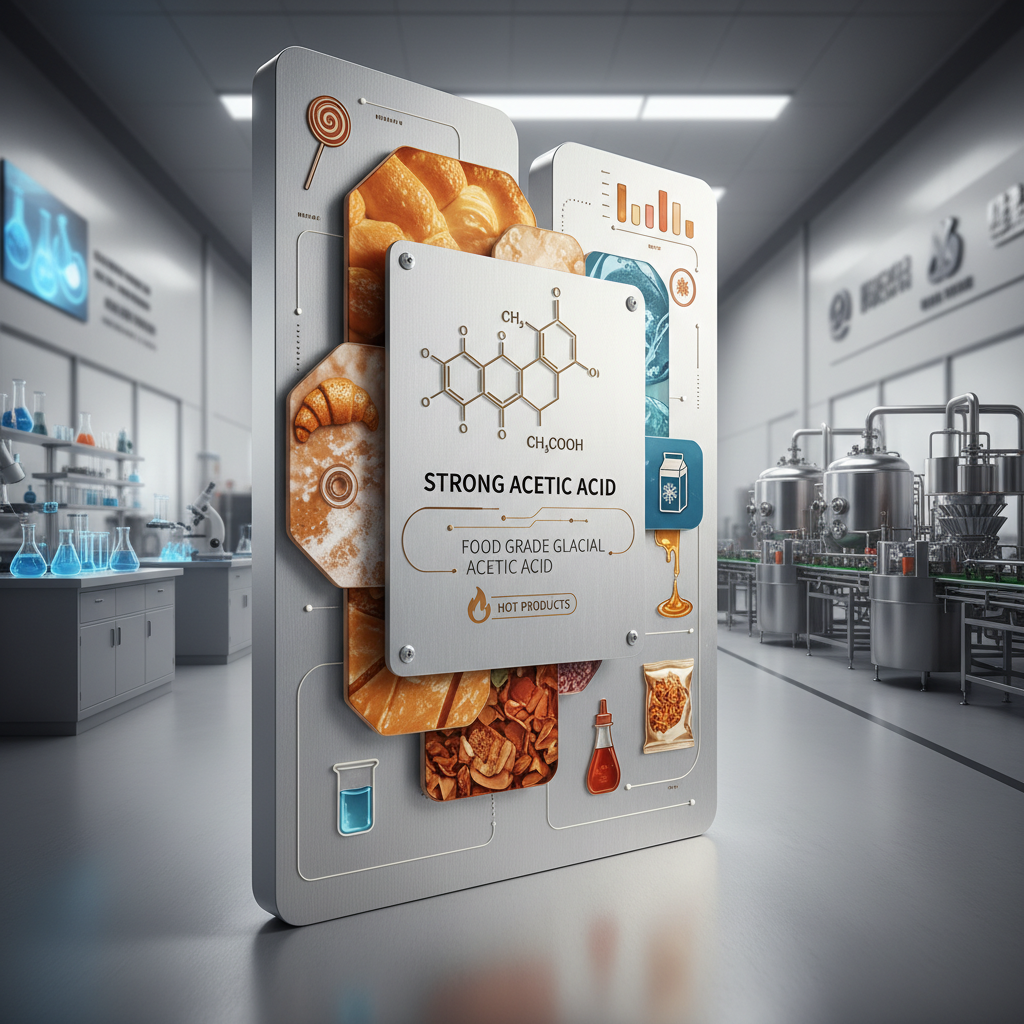
In the complex landscape of industrial chemistry, strong acetic acid serves as a fundamental building block for countless food-grade and industrial applications. Its high purity and concentrated acidity make it an indispensable tool for manufacturers who require precise pH control and effective preservation across various product lines. Understanding the nuances of this chemical is essential for ensuring both product stability and safety in the global supply chain.
Across the globe, the demand for high-concentration acetic solutions has surged as food processing technologies evolve toward more efficient and sustainable methods. From the production of vinegar to the synthesis of specialty esters, strong acetic acid provides the necessary chemical potency to drive these reactions. Its role extends beyond simple acidification, acting as a critical solvent and reactant in the creation of food additives that define the taste and texture of modern consumer goods.
However, the use of such a powerful substance comes with significant responsibilities regarding handling, storage, and regulatory compliance. For stakeholders in the food manufacturing sector, sourcing a reliable, food-grade version of this acid is not merely a procurement choice but a quality assurance imperative. By mastering the application of strong acetic acid, companies can optimize their production costs while maintaining the highest standards of food safety and purity.
Global Relevance of Strong Acetic Acid
On a global scale, the production and distribution of strong acetic acid are critical to the stability of the food additive market. According to international industrial standards, the shift toward concentrated glacial forms has allowed manufacturers to reduce shipping volumes and lower the carbon footprint associated with transporting diluted solutions. This efficiency is vital for maintaining competitive pricing in a volatile global economy.
The primary challenge facing the industry is the balance between chemical potency and safety. As developing nations industrialize their food processing sectors, the need for standardized, high-purity acetic acid becomes paramount to prevent contamination and ensure that food products meet ISO and FDA guidelines. This global standardization helps bridge the gap between raw agricultural output and refined consumer products.
Defining Strong Acetic Acid in Industry
In simple terms, strong acetic acid—often referred to in its most concentrated form as glacial acetic acid—is an anhydrous solution of acetic acid. Unlike common household vinegar, which is typically a 5-8% solution, the "strong" or glacial variety reaches concentrations of 99% or higher. This concentration allows it to freeze at approximately 16.6°C, giving it an ice-like appearance, hence the term "glacial."
From an industrial perspective, this level of purity is not just a technical specification but a necessity for specific chemical reactions. In the food manufacturing sector, it is used to synthesize acetate salts and as a pH regulator that provides a more controlled and potent acidification process than diluted alternatives. This precision is what allows for the consistent taste and shelf-life of processed foods.
The connection between this chemical and modern humanitarian needs is found in food security. By utilizing strong acetic acid for preservation and pickling on an industrial scale, we can significantly reduce food waste. This ability to extend the longevity of agricultural produce ensures that nutrients can be transported to remote areas without spoiling, directly impacting global hunger mitigation.
Core Components of High-Purity Acid
When analyzing the quality of strong acetic acid, purity is the most critical factor. Impurities such as heavy metals or organic residues can compromise the safety of food products and alter the flavor profile of the final additive. Therefore, the distillation process must be rigorous to ensure that the resulting acid is free from contaminants.
Another core component is the stability of the concentration levels. Consistent molarity in strong acetic acid ensures that automated dosing systems in food factories operate without error. Any fluctuation in strength could lead to batches that are either too acidic for consumption or insufficient for preservation, resulting in costly waste.
Finally, the reactivity and solubility of the acid define its practical utility. Because strong acetic acid is highly soluble in water and organic solvents, it serves as a versatile medium for creating complex food-grade esters. This versatility allows manufacturers to scale their production from small artisanal batches to massive industrial outputs without changing their core chemical formulations.
Practical Application Factors
The implementation of strong acetic acid in production is governed by several key performance indicators. Cost efficiency is perhaps the most immediate concern; by using a concentrated form, companies reduce the amount of water they need to process and transport, thereby lowering logistics costs. Additionally, the scalability of the acidification process is enhanced when using a high-potency reagent.
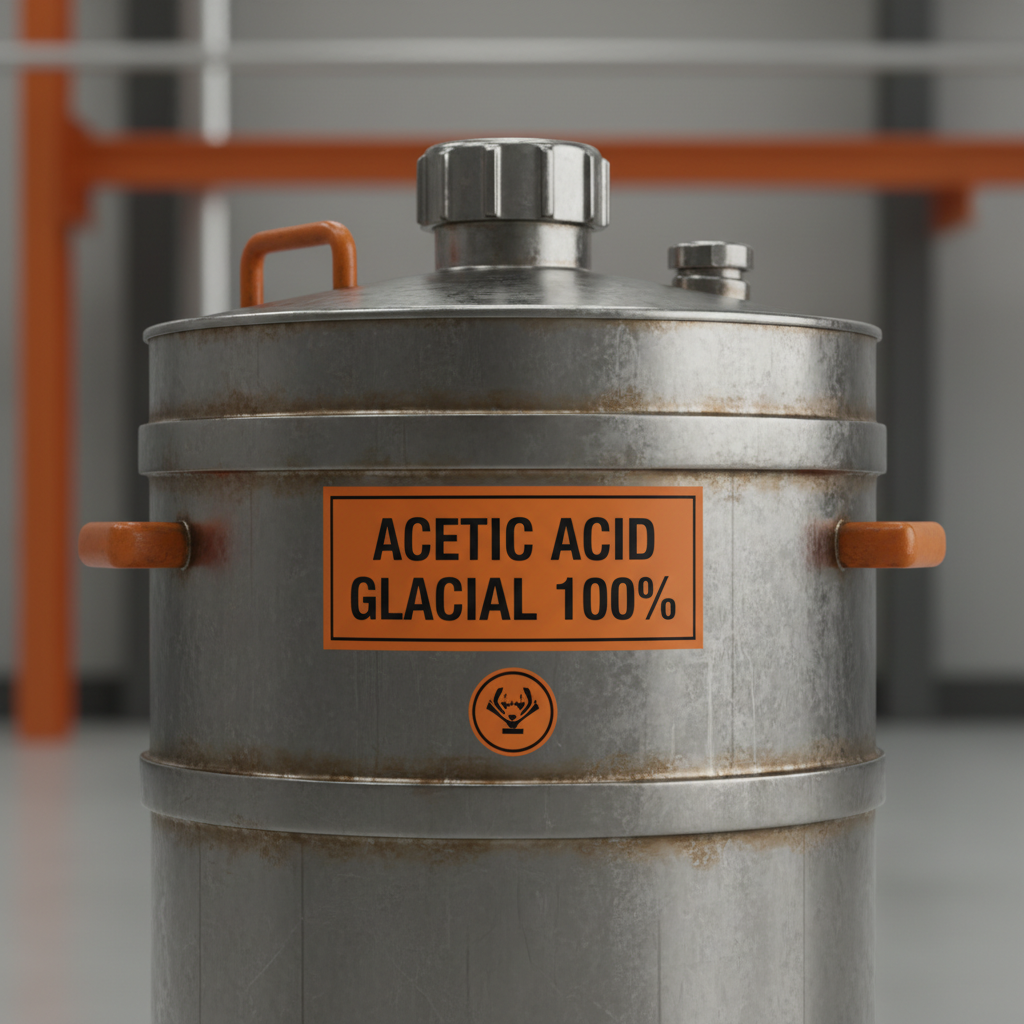
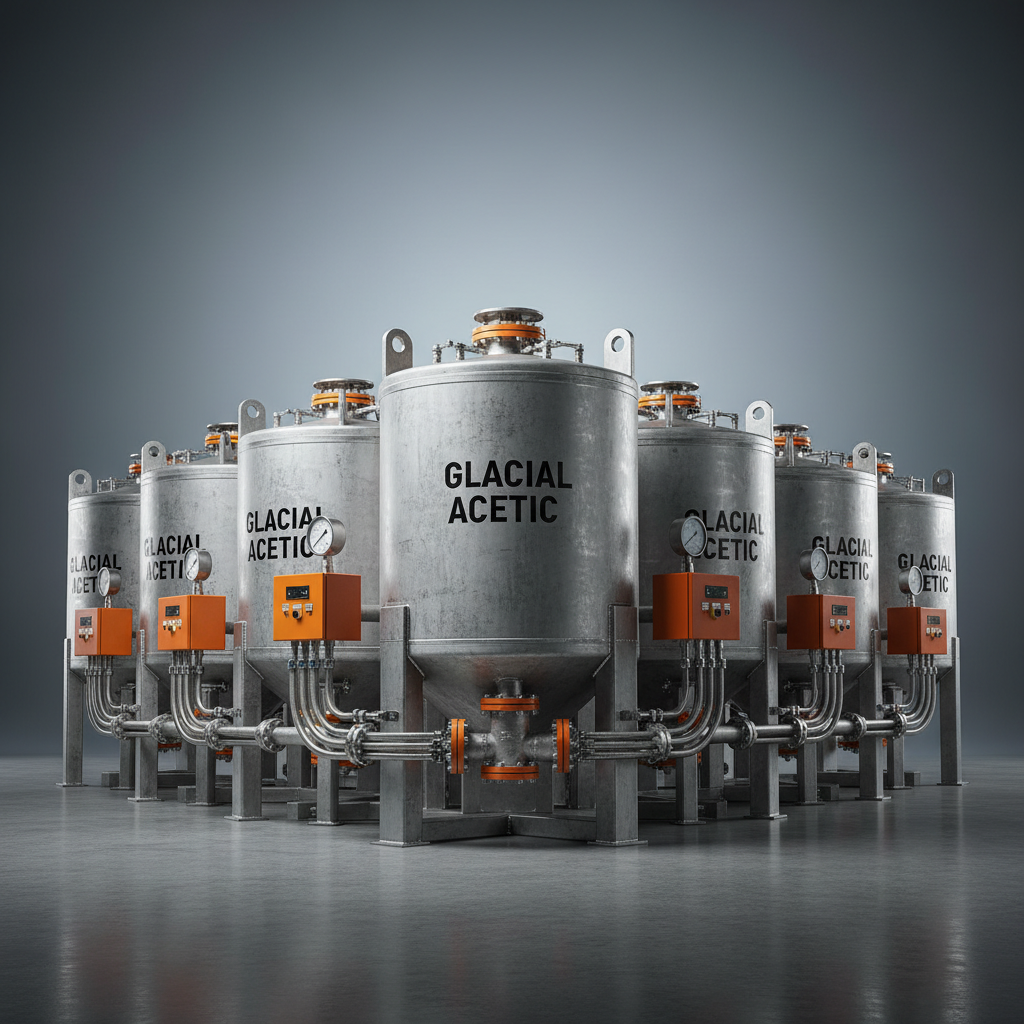
Beyond cost, the safety and durability of the storage infrastructure are paramount. Due to the corrosive nature of strong acetic acid, the use of high-density polyethylene (HDPE) or stainless steel containers is mandatory. Ensuring the integrity of these materials prevents leaks and ensures that the product remains pure from the manufacturer to the end-user.
Performance Comparison of Strong Acetic Acid Application Methods
Global Use Cases and Regional Adoption
In the European Union, the use of strong acetic acid is heavily regulated to ensure it meets stringent "food-grade" certifications. European manufacturers often integrate this acid into advanced automated systems that precisely control the acidification of condiments and preserves, ensuring a consistent taste profile that meets consumer expectations across different member states.
In contrast, in rapidly growing industrial zones in Southeast Asia, strong acetic acid is frequently used in the large-scale processing of fermented products. In these regions, the acid's ability to act as a rapid antimicrobial agent is leveraged to stabilize seafood and tropical fruits for export to global markets, proving essential for the economic growth of local agricultural exporters.
Long-Term Value and Sustainability
The long-term value of investing in high-quality strong acetic acid lies in the reduction of operational risk. By sourcing a pure, stable product, companies avoid the pitfalls of batch failure and product recalls. This reliability builds trust with the end consumer, who increasingly demands transparency and safety in the ingredients used in their food.
From a sustainability perspective, the concentration of the acid allows for a significant reduction in plastic waste. Shipping one drum of strong acetic acid is equivalent to shipping dozens of drums of diluted vinegar. This reduction in packaging and transportation energy aligns with global corporate social responsibility (CSR) goals and green chemistry principles.
Moreover, the innovation in biodegradable acetate derivatives—made possible by the high purity of the starting acid—offers a path toward more eco-friendly food packaging. The transition from petroleum-based plastics to acetic-acid-derived polymers represents a logical evolution in the industry, providing a win-win for both profitability and planetary health.
Future Innovations in Acetic Acid Tech
The future of strong acetic acid is being shaped by the rise of bio-catalysis and green synthesis. Researchers are developing methods to produce glacial-grade acetic acid from waste biomass rather than petrochemical precursors. This shift not only reduces the carbon footprint but also creates a circular economy within the food manufacturing sector.
Digital transformation is also playing a role, with the integration of IoT sensors in storage tanks. These sensors can monitor the purity and concentration of strong acetic acid in real-time, alerting managers to any contamination or degradation immediately. This automation minimizes human error and ensures that only the highest grade of material enters the production line.
Furthermore, new policy frameworks are encouraging the use of "smart" acidification techniques. By utilizing strong acetic acid in combination with AI-driven formulation software, manufacturers can create customized acidity profiles that optimize both flavor and preservation for specific regional palates.
Comparative Analysis of Strong Acetic Acid Production and Quality Standards
| Production Method |
Purity Level |
Environmental Impact |
Industrial Score (1-10) |
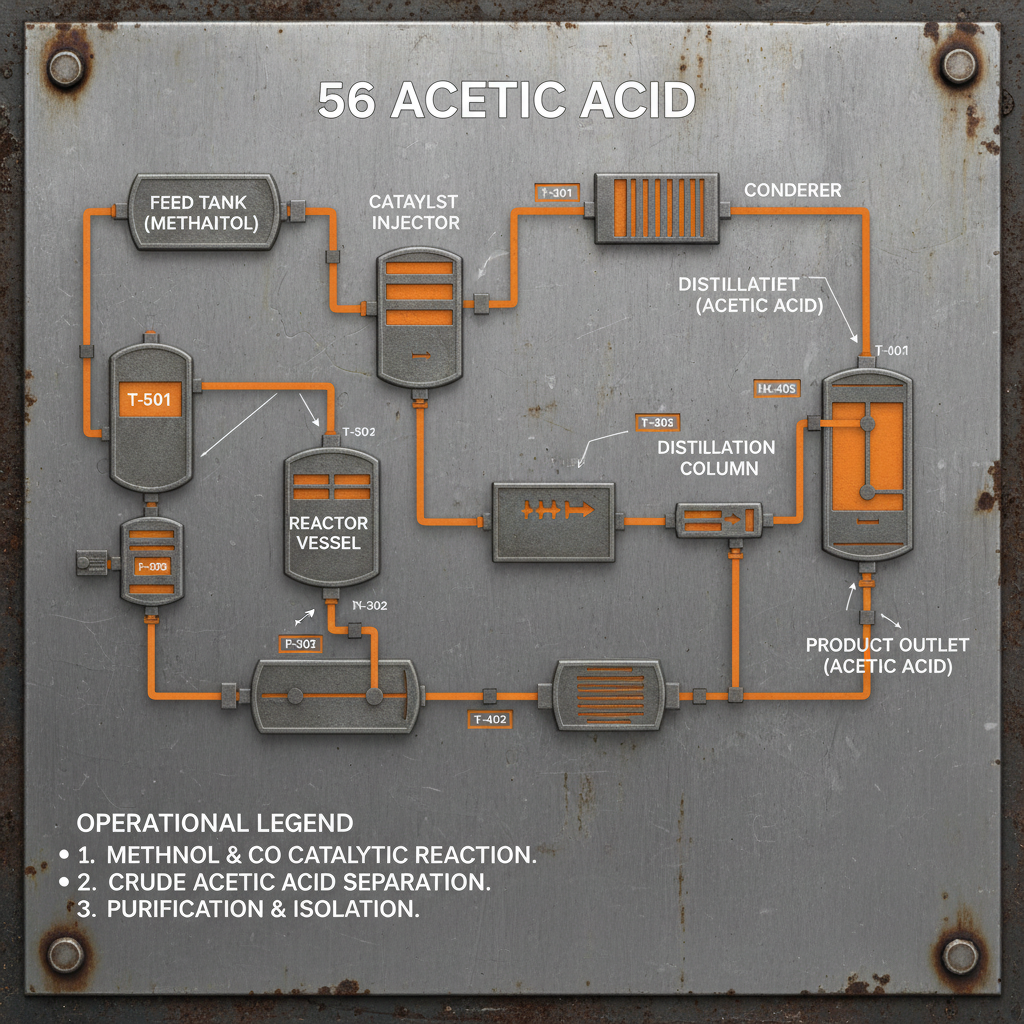
| Methanol Carbonylation |
Very High (99.8%+) |
Moderate |
9 |
| Oxidation of Acetaldehyde |
High (99.5%+) |
Moderate |
7 |
| Biological Fermentation |
Variable (Requires Distillation) |
Low |
8 |
| Ethylene-based Synthesis |
High (99.0%+) |
High |
6 |
| Advanced Bio-Refining |
Very High (99.7%+) |
Very Low |
10 |
| Traditional Distillation |
Moderate (98%+) |
Moderate |
5 |
FAQS
Standard vinegar is a diluted solution, typically containing 4-8% acetic acid and a large amount of water. strong acetic acid, specifically in its glacial form, is nearly 100% pure acetic acid. This makes the strong version far more corrosive and chemically reactive, requiring specialized handling and dilution before it can be used in finished food products.
No, strong acetic acid should never be used directly on food without precise dilution. Its high concentration can cause severe chemical burns and destroy the texture of food products. It must be measured and diluted according to strict formulation guidelines to ensure it acts as a safe preservative or flavor enhancer.
It should be stored in a cool, dry, well-ventilated area away from incompatible materials like strong bases or oxidizing agents. Use containers made of stainless steel or HDPE plastic, as strong acetic acid will corrode most common metals. Because it can freeze at 16.6°C, temperature-controlled storage is recommended to keep it in liquid form for easier dosing.
Yes, absolutely. By providing a potent and reliable means of acidification, strong acetic acid allows for the industrial-scale pickling and preservation of perishables. This extends the shelf life of produce significantly, allowing it to be transported over long distances and reducing the amount of food that spoils before reaching the consumer.
For food-grade applications, you should look for COA (Certificate of Analysis) that confirms purity levels, as well as compliance with ISO 9001, HACCP, and FDA or EFSA guidelines. Ensuring the supplier provides a detailed SDS (Safety Data Sheet) is also critical for maintaining workplace safety and regulatory compliance when handling strong acetic acid.
While the final product's taste depends on the dilution ratio, the purity of the starting strong acetic acid is vital. Impurities in lower-grade acids can introduce off-flavors or metallic tastes. High-purity glacial acetic acid ensures a clean, sharp acidic profile that does not interfere with the other flavor components of the food product.
Conclusion
In summary, strong acetic acid is more than just a concentrated chemical; it is a cornerstone of modern food manufacturing that enables precision, scalability, and sustainability. From its role in global food security through preservation to its contribution to green chemistry and waste reduction, the strategic use of high-purity acetic solutions provides an immense competitive advantage to manufacturers who prioritize quality and safety.
As we look toward the future, the integration of bio-based production and smart monitoring will further refine the utility of this essential compound. For companies seeking to optimize their production lines and ensure the highest standards of food safety, sourcing a premium, food-grade strong acetic acid is a critical step. We invite you to explore our professional solutions and elevate your manufacturing standards. Visit our website: www.ysxlglacialaceticacid.com



 English
  Belarusian
  Dutch
Dutch  French
  German
  Hindi
Hindi  Indonesian
  Japanese
  Korean
  Lao
Lao  Malay
Malay  Mongolian
  Myanmar
  Polish
  Portuguese
  Russian
  Spanish
  Tagalog
  Thai
Thai  Vietnamese