Understanding the chemical nature of glacial acetic acid corrosive properties is fundamental for any industrial operator in the food additive sector. As a highly concentrated form of acetic acid, its purity makes it an invaluable reagent, but this same potency necessitates rigorous safety protocols and specialized material handling to prevent structural degradation and human injury.
On a global scale, the management of glacial acetic acid corrosive risks has become a benchmark for operational excellence in chemical manufacturing. From the synthesis of vinyl acetate monomer to the precise acidification of food-grade preservatives, the ability to neutralize its corrosive potential while leveraging its reactive efficiency defines the productivity of modern production lines.
By mastering the balance between utility and safety, companies can ensure the longevity of their hardware and the safety of their personnel. This guide provides a comprehensive deep dive into the corrosive mechanics of glacial acetic acid, offering practical solutions for storage, transport, and application within the high-standards environment of food-grade manufacturing.
Global Relevance of Glacial Acetic Acid Corrosive Risks
The global chemical industry relies heavily on anhydrous acetic acid, yet the glacial acetic acid corrosive profile presents a constant challenge to infrastructure. According to international safety standards such as ISO and GHS, the high concentration of this acid allows it to penetrate metal surfaces and organic tissues rapidly, making the choice of containment materials a critical economic and safety decision.
In regions like Southeast Asia and North America, where food additive production is scaling rapidly, the failure to account for the corrosive nature of this substance leads to millions of dollars in annual equipment replacement costs. The industry is shifting toward a preventive maintenance model, prioritizing the use of high-grade stainless steels and specialized polymers to mitigate these risks.
Defining the Corrosive Nature of Glacial Acetic Acid
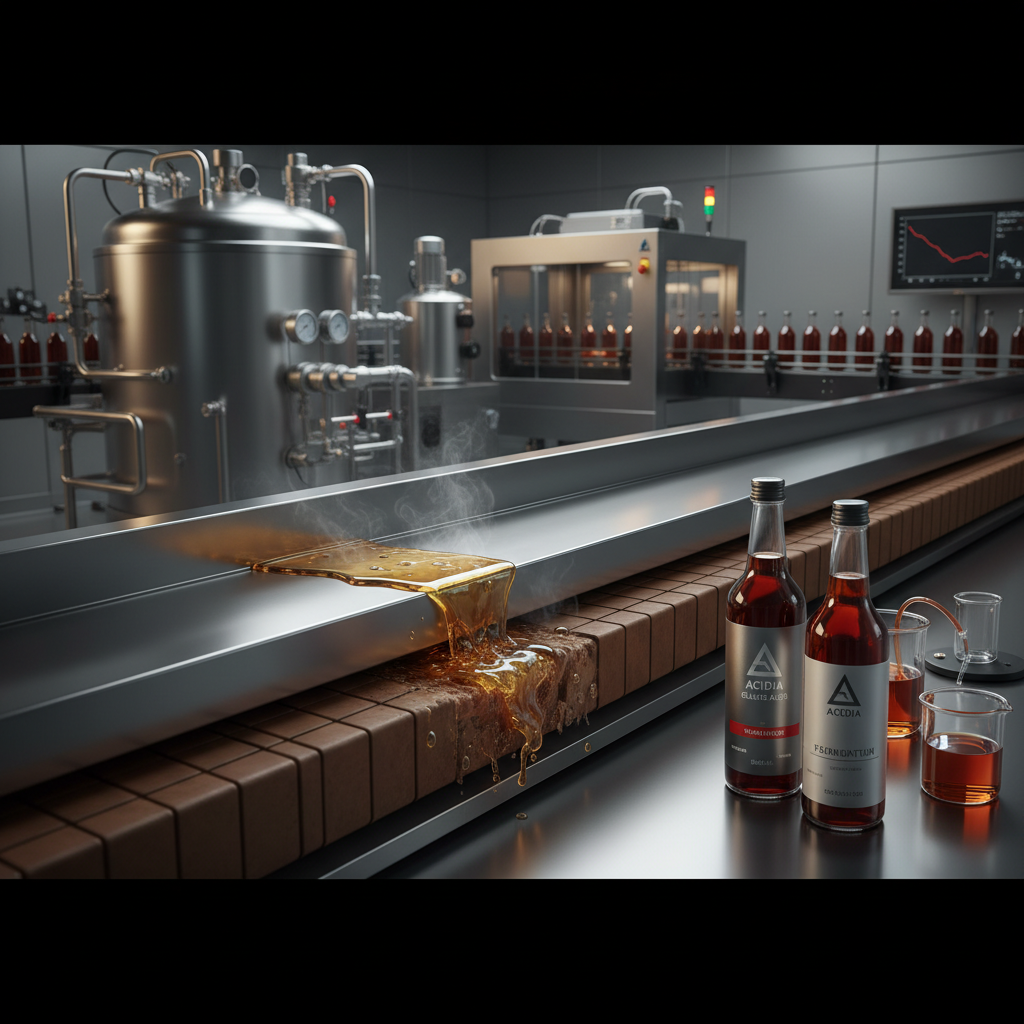
In simple technical terms, glacial acetic acid is an "ice-like" concentrated acetic acid (typically >99%). The term glacial acetic acid corrosive refers to its ability to chemically react with metals and organic substrates, leading to the oxidation of the material and the subsequent loss of structural integrity. Unlike diluted vinegar, the anhydrous form is aggressive and can cause severe chemical burns upon contact.
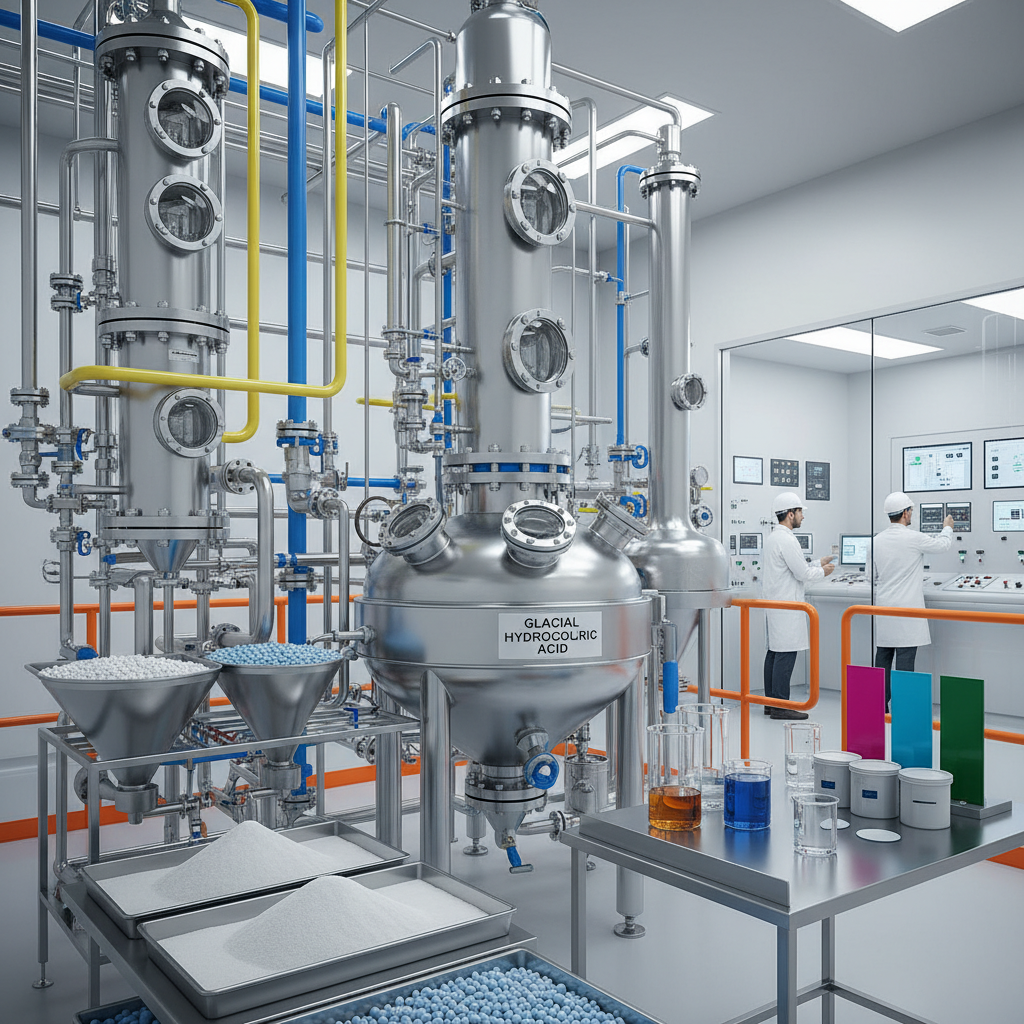
From an industrial perspective, this corrosivity is not merely a danger but a chemical characteristic that defines how the substance interacts with catalysts and reagents. In the manufacture of food-grade additives, this reactivity is harnessed to synthesize esters and other organic compounds, provided the reaction vessel is constructed from materials that can withstand the acid's appetite for metal.
The humanitarian and safety aspect of this definition focuses on workplace ergonomics. Ensuring that workers are equipped with acid-resistant PPE and that facilities have emergency neutralization stations is a direct response to the inherent corrosive nature of the product, ensuring that industrial progress does not come at the cost of human health.
Core Factors Influencing Material Degradation
Concentration is the primary driver of glacial acetic acid corrosive effects. As the water content decreases, the acid becomes more aggressive toward certain alloys. While some materials are resistant to 10% acetic acid, they may fail rapidly when exposed to the 99% purity found in glacial grade, necessitating a complete audit of the supply chain's material compatibility.
Temperature plays a pivotal role in accelerating chemical reactions. As the temperature of the storage environment rises, the kinetic energy of the molecules increases, enhancing the glacial acetic acid corrosive action on tank walls and piping. This is why temperature-controlled storage is not just about product stability, but about protecting the physical asset.
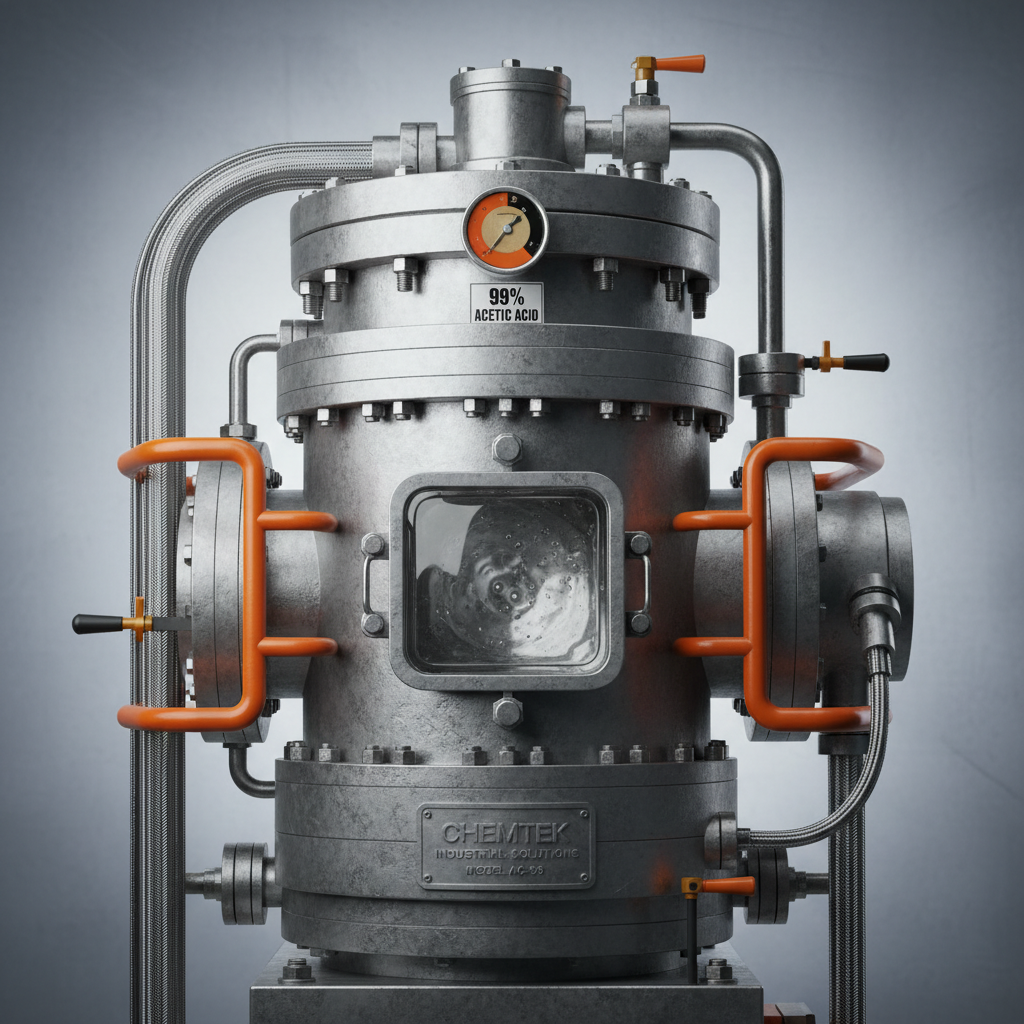
Material selection—specifically the chromium and nickel content in stainless steels—determines the rate of erosion. Using 316L stainless steel over 304 provides a higher resistance to the pitting and general corrosion typically induced by the acid, ensuring a longer lifecycle for the production equipment and reducing the risk of catastrophic leaks.
Industrial Applications and Safety Standards
In the food additive industry, the management of glacial acetic acid corrosive properties is integrated into the HACCP (Hazard Analysis and Critical Control Points) framework. For example, in the production of food-grade preservatives, the acid is used for pH adjustment, but the equipment must be designed to prevent metal leaching, which could contaminate the final food product.
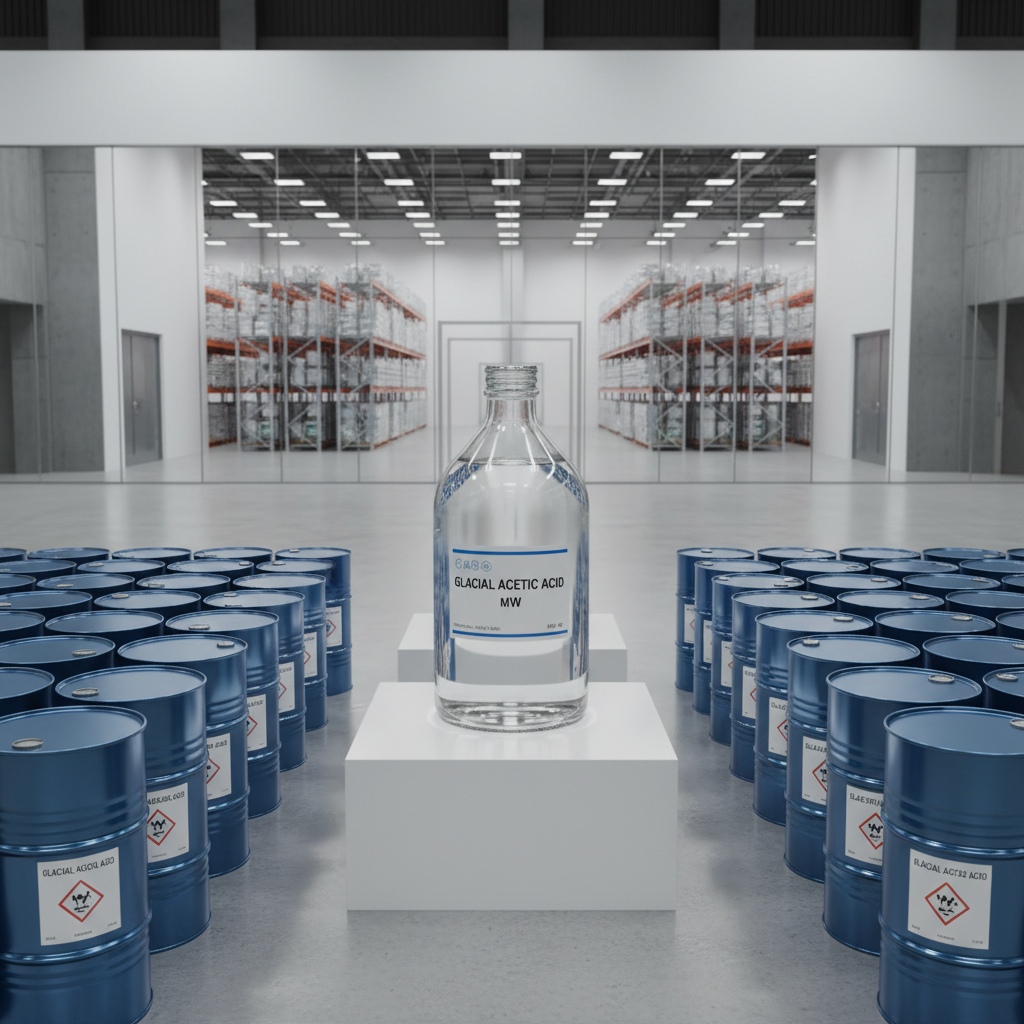
Beyond food, this chemical is used in textile dyeing and pharmaceutical synthesis. In these remote industrial zones, the logistics of transporting a corrosive substance require specialized ISO tanks with reinforced linings, ensuring that the corrosive nature of the acid does not compromise the transport vessel during long-haul transit.
Corrosion Resistance Efficiency by Material Type
Long-Term Value of Corrosion Control
Investing in high-quality corrosion-resistant infrastructure provides tangible financial returns by extending the mean time between failures (MTBF). When a facility effectively manages the glacial acetic acid corrosive risk, it eliminates unplanned downtime and reduces the labor costs associated with emergency repairs.
Moreover, there is an emotional and ethical value to this rigor. A safe environment fosters trust among employees and stakeholders, knowing that the risks associated with hazardous chemicals are handled with professional precision. This commitment to safety enhances the brand's reputation for quality and reliability in the global food additive market.
Future Innovations in Acid-Resistant Materials
The future of managing glacial acetic acid corrosive impacts lies in the development of "smart" coatings. These nanostructured materials can detect the early stages of metal pitting and release neutralizing agents automatically, effectively creating a self-healing barrier between the acid and the steel substrate.
Digital transformation is also playing a role through the implementation of IoT sensors. Real-time corrosion monitoring systems can now track wall thickness and pH fluctuations in storage tanks, alerting engineers to potential breaches before they occur, thus transforming reactive maintenance into predictive intelligence.
Sustainability is driving the shift toward bio-based polymers that are not only resistant to acids but also recyclable. By replacing traditional fluoropolymers with eco-friendly alternatives, the food additive industry can reduce its environmental footprint while maintaining the strict safety standards required for handling concentrated acids.
Overcoming Common Storage Challenges
One of the most common challenges is the "cold-finger" effect, where glacial acetic acid freezes at 16.6°C, potentially causing stress cracks in rigid piping. When these cracks form, the glacial acetic acid corrosive action is accelerated at the fissure point, leading to rapid pipe failure. The solution lies in the use of heat-traced piping and flexible joints.
Another hurdle is the accumulation of moisture in storage tanks. Even small amounts of water can increase the conductivity of the solution, which in some cases can exacerbate certain types of electrochemical corrosion. Utilizing nitrogen blanketing is a professional approach to exclude moisture and oxygen, thereby stabilizing the chemical.
Finally, the challenge of spill containment is addressed through the design of secondary containment basins lined with acid-proof epoxy. This ensures that if a primary vessel fails, the glacial acetic acid corrosive liquid is captured and neutralized before it can reach the concrete floor or the local groundwater.
Comparison of Containment Strategies for Glacial Acetic Acid
| Containment Material |
Corrosion Rate |
Maintenance Level |
Estimated Lifespan |
| Carbon Steel |
Very High |
Critical |
1-2 Years |
| 304 Stainless Steel |
Moderate |
High |
3-5 Years |
| 316L Stainless Steel |
Low |
Medium |
8-12 Years |
| HDPE Lined |
Very Low |
Low |
15-20 Years |
| Glass Lined |
Negligible |
Medium |
20+ Years |
| Teflon (PTFE) |
Zero |
Very Low |
25+ Years |
FAQS
The primary difference is the concentration. Standard vinegar is typically 4-8% acetic acid, whereas glacial acetic acid is over 99%. This high concentration increases the chemical activity and allows the acid to react more aggressively with metal oxides and organic tissues, making the glacial acetic acid corrosive profile significantly more dangerous and demanding of specialized storage.
Not all plastics are equal. While HDPE (High-Density Polyethylene) and PTFE (Teflon) are excellent choices, other plastics may degrade or leach chemicals into the product. It is essential to verify the material's chemical resistance chart specifically for glacial acetic acid corrosive properties to avoid container failure and leaks.
For most industrial applications, 316L stainless steel is the minimum recommendation due to its molybdenum content, which provides better resistance to pitting. However, for high-temperature processes where the glacial acetic acid corrosive effect is amplified, Hastelloy or glass-lined vessels are preferred for total security.
Spills should be managed by first containing the liquid with non-combustible absorbent materials. Neutralization can be achieved using a weak base such as sodium bicarbonate (baking soda) or lime. It is critical to perform this slowly, as the neutralization of a glacial acetic acid corrosive substance can be exothermic and release heat.
Yes, significantly. Higher temperatures increase the reaction rate between the acid and the container wall. In hot environments, the glacial acetic acid corrosive action is accelerated, which can lead to faster thinning of metal walls and a higher probability of leaks. Cooling systems are often employed to mitigate this risk.
Yes, it is. The acid reacts with the calcium hydroxide in concrete, leading to the degradation of the floor's structural integrity and creating pits. This is why specialized acid-resistant epoxy coatings are mandatory in areas where glacial acetic acid corrosive liquids are handled.
Conclusion
Managing the glacial acetic acid corrosive nature of high-purity acetic acid is a multifaceted challenge that requires a synergy of material science, engineering precision, and strict safety protocols. From the selection of 316L stainless steel to the implementation of IoT-based monitoring, every step in the containment and application process is vital to ensuring operational continuity and personnel safety in the food additive industry.
As we move toward a future of sustainable and "smart" manufacturing, the integration of self-healing coatings and bio-resistant polymers will further reduce the risks associated with this powerful chemical. We encourage all industry professionals to conduct regular audits of their storage systems and invest in high-grade materials to turn a potential hazard into a streamlined industrial advantage. Visit our website for more professional solutions: www.ysxlglacialaceticacid.com




 English
  Belarusian
  Dutch
Dutch  French
  German
  Hindi
Hindi  Indonesian
  Japanese
  Korean
  Lao
Lao  Malay
Malay  Mongolian
  Myanmar
  Polish
  Portuguese
  Russian
  Spanish
  Tagalog
  Thai
Thai  Vietnamese