
News
-
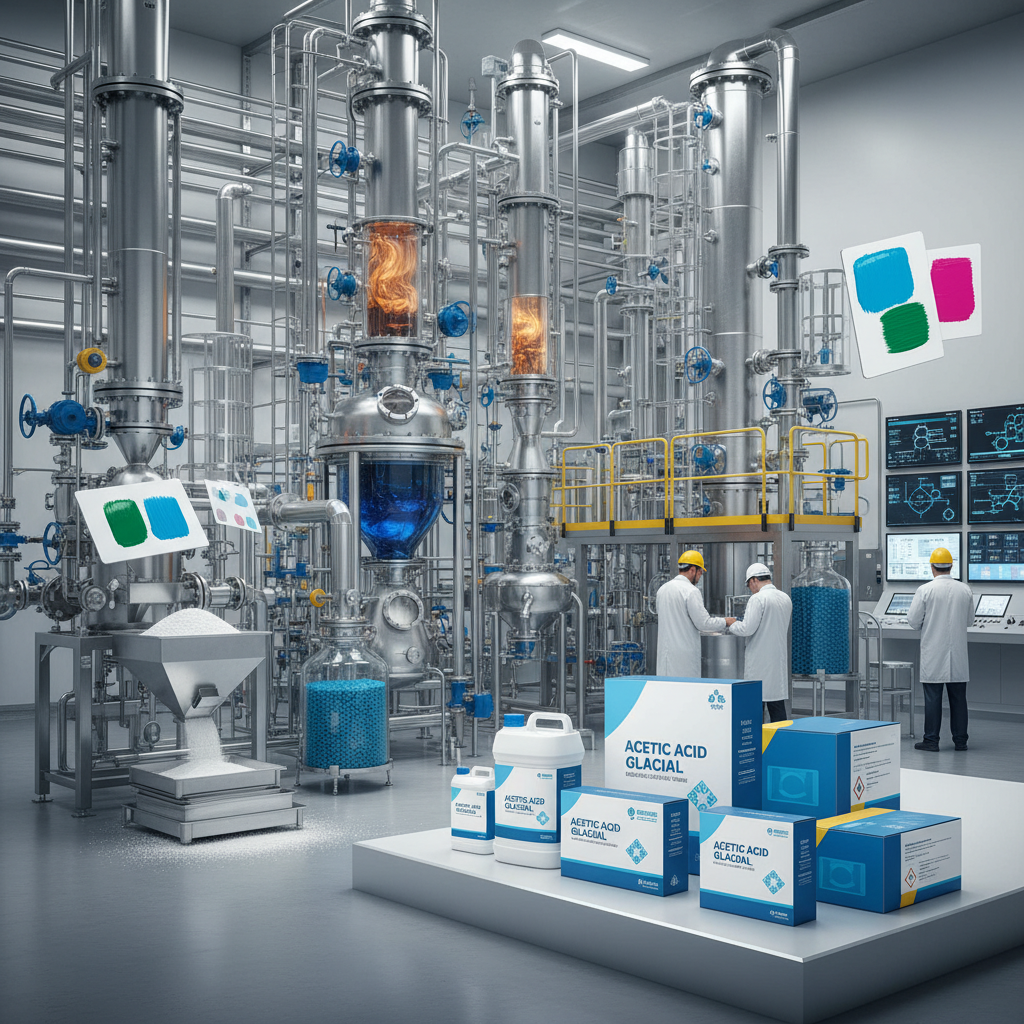 Acetic Acid Glacial (CH₃COOH) is a colorless liquid with a pungent odor, widely used in various industrial applications. Its high concentration (typically 99% or higher) distinguishes it from diluted acetic acid solutions like vinegar. This guide provides an in-depth overview of its properties, uses, safety considerations, and sourcing options. Understanding glacial acetic acid is vital for professionals in chemistry, pharmaceuticals, food processing, and many other sectors. Selecting a reliable supplier like YSXL Glacial Acetic Acid ensures quality and consistency. Acetic Acid Glacial is a highly corrosive liquid, meaning it can cause severe burns upon contact. Its chemical formula, CH₃COOH, indicates a simple organic acid. The term "glacial" originates from its historical purification method involving slow cooling, allowing ice to form and separate the acetic acid. Key properties include a high boiling point (118°C / 244°F), miscibility with water, alcohol, and other organic solvents, and a distinct vinegar-like odor.Read more
-
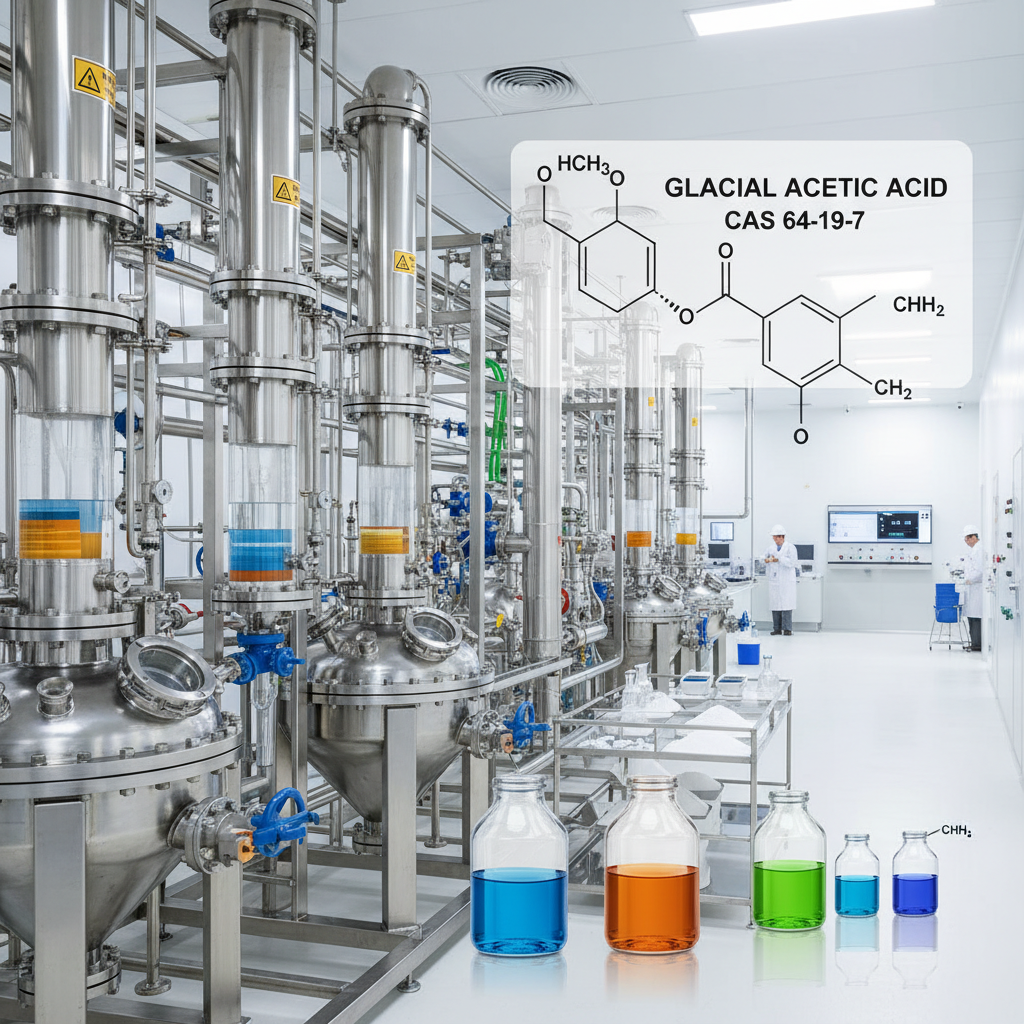 Glacial acetic acid, a vital chemical compound across diverse industries, requires precise identification for safety, regulatory compliance, and accurate sourcing. A key element in this identification is its CAS (Chemical Abstracts Service) number. This unique numerical identifier distinguishes glacial acetic acid from other chemical substances, ensuring clarity in trade, research, and documentation. This article will delve into the importance of the CAS number for glacial acetic acid, its applications, safety considerations, and where to source high-quality glacial acetic acid. Choosing a reliable supplier, like YSXL Glacial Acetic Acid, guarantees purity and consistency. The CAS number for glacial acetic acid is 64-19-7. This number is internationally recognized and assigned by the Chemical Abstracts Service, a division of the American Chemical Society. It’s crucial for accurate referencing in scientific literature, Material Safety Data Sheets (MSDS), and import/export documentation. Understanding this number isn’t just about chemical identification; it’s about adhering to global standards for chemical handling and trade. You can verify the CAS number and access detailed information about glacial acetic acid on the YSXL Glacial Acetic Acid website. The CAS number isn’t simply a cataloging tool; it's fundamental to several critical processes.Read more
-
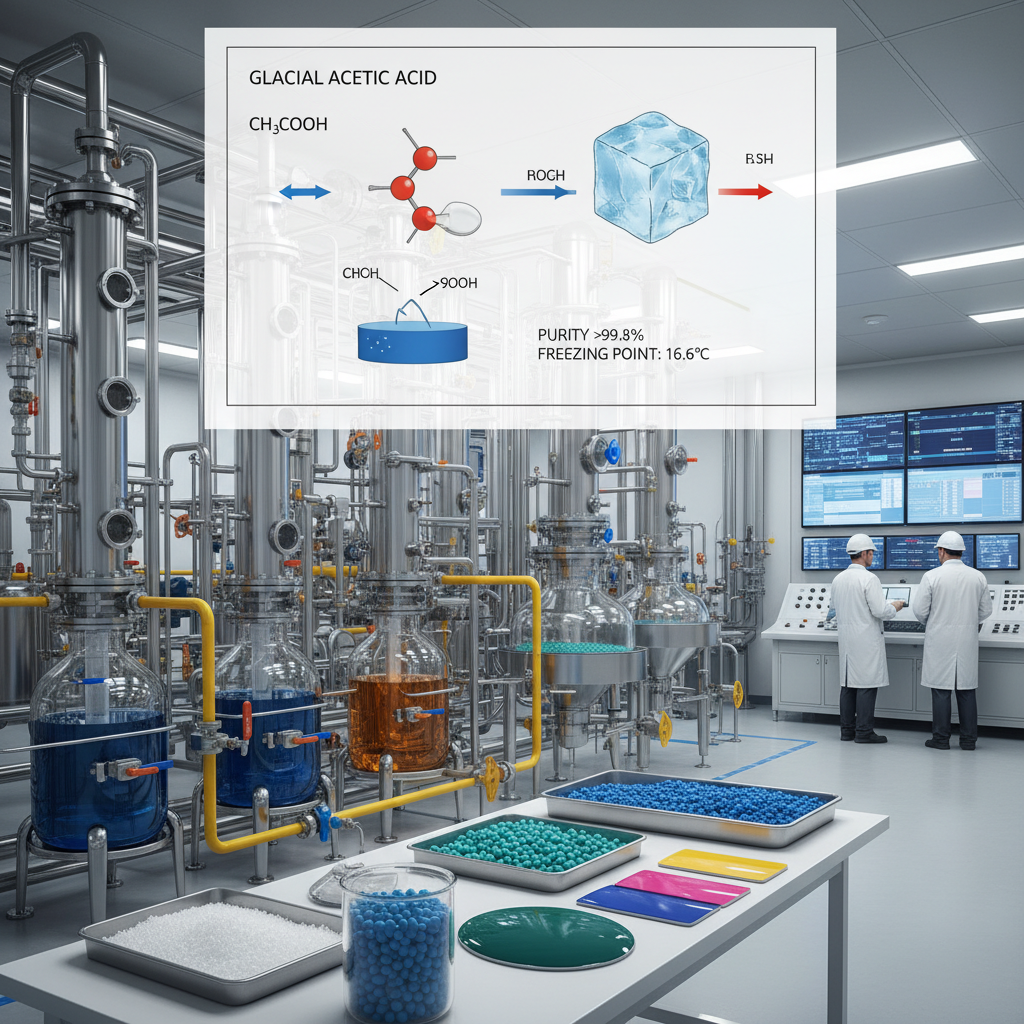 Glacial acetic acid is a critical chemical compound widely used across numerous industries. Understanding its properties, applications, and safety considerations is paramount. This article delves into the meaning of glacial acetic acid, its production, uses, and essential handling practices. We’ll explore its significance in various sectors, from pharmaceuticals to food processing, and provide valuable insights for professionals and those seeking to learn more about this versatile chemical. Proper knowledge of glacial acetic acid is crucial for its safe and effective application. The term "glacial" doesn’t imply that the acid is frozen or sourced from glaciers. Instead, it refers to its high concentration. Glacial acetic acid is essentially concentrated acetic acid – specifically, an aqueous solution of acetic acid containing 99% or more acetic acid by weight. The name originates from its historical method of purification, where freezing and thawing were used to concentrate the acid, leaving behind the impurities as ice. It is a clear, colorless liquid with a pungent, vinegar-like odor.Read more
-
 Glacial acetic acid is a crucial chemical compound utilized across various industries, from pharmaceuticals and food processing to textiles and chemical manufacturing. Understanding its properties, safe handling procedures, and potential hazards is paramount for anyone working with this substance. A vital resource for this information is the Glacial Acetic Acid MSDS PDF, detailing essential safety protocols. This article will delve into the key aspects of glacial acetic acid, exploring the information found in its Material Safety Data Sheet (MSDS) and providing guidance on its safe use and handling. Glacial acetic acid (CH₃COOH) is the concentrated form of acetic acid, containing approximately 99% acid. It's called 'glacial' because it freezes to a solid resembling ice at lower temperatures. The MSDS is a crucial document providing comprehensive information about a chemical substance, including its physical and chemical properties, hazards, safe handling practices, and emergency procedures. For glacial acetic acid, the MSDS is essential due to its corrosive nature and potential health risks. It ensures that anyone handling the substance is fully aware of the precautions needed to minimize exposure and prevent accidents. Accessing the latest MSDS PDF from a reputable supplier like YSXL is a critical first step before working with this chemical.Read more
-
 Glacial acetic acid is a crucial chemical compound used across a vast spectrum of industries, from pharmaceuticals and food processing to textiles and polymer production. Sourced from reputable suppliers like YSXL Glacial Acetic Acid and Sigma Aldrich, its purity and consistent quality are paramount. This article provides a deep dive into the properties, applications, safety considerations, and sourcing of glacial acetic acid, with a particular focus on offerings from leading manufacturers. Understanding the nuances of this chemical is vital for professionals across many fields. Glacial acetic acid (CH₃COOH) is the concentrated solution of acetic acid, containing approximately 99.8% acetic acid by mass. The term “glacial” originates from its historical purification method involving slow cooling ("glaciation") to remove water. It’s a colorless liquid with a pungent, vinegar-like odor. Unlike dilute acetic acid (vinegar), glacial acetic acid is highly corrosive and requires careful handling. Its high concentration makes it an exceptionally versatile reagent in numerous chemical processes. The versatility of glacial acetic acid makes it indispensable across numerous industries. In the chemical industry, it serves as a key reagent in the production of vinyl acetate monomer (VAM), cellulose acetate, and various acetate esters.Read more
-
 Glacial acetic acid, a highly concentrated form of acetic acid, is a versatile chemical with widespread industrial applications. Its purity and strong acidic properties make it essential in various processes, including the production of vinyl acetate monomer, cellulose acetate, and pharmaceuticals. However, its corrosive nature necessitates strict handling protocols, especially concerning fire safety. This article will delve into the characteristics of glacial acetic acid, explore relevant YSXL Glacial Acetic Acid applications, and detail the National Fire Protection Association (NFPA) guidelines for its safe storage and use. Adhering to these guidelines is crucial for preventing accidents and ensuring a safe working environment. Glacial acetic acid is pure acetic acid that contains no water. The term "glacial" originates from its history of being first purified by freezing a dilute solution of acetic acid, resulting in the formation of ice-like crystals. It’s a colorless liquid with a pungent, vinegary odor. Its chemical formula is CH₃COOH, and it’s a highly corrosive substance capable of causing severe burns upon contact with skin or eyes.Read more
-
 Are you searching for a reliable source to purchase glacial acetic acid? This comprehensive guide will provide you with valuable information regarding applications, quality considerations, and where to find a trusted supplier. Glacial acetic acid is a versatile chemical with uses spanning numerous industries, and understanding its properties and sourcing options is crucial for ensuring operational efficiency and product integrity. We’ll explore everything you need to know to make an informed buying decision. Glacial acetic acid (CH3COOH) is a colorless liquid with a pungent vinegar-like odor. The term "glacial" refers to its purity – it’s nearly 100% acetic acid, meaning the water content is very low. This high concentration makes it a powerful and effective chemical compound. It’s hygroscopic, meaning it readily absorbs moisture from the air. It’s crucial to store it in airtight containers to maintain its quality. Due to its corrosive nature, proper handling and safety precautions are essential.Read more
-
 Glacial acetic acid, a highly concentrated form of acetic acid, is a crucial chemical compound used across various industries. This article delves into the world of OEM glacial acetic acid, exploring its properties, applications, quality considerations, and sourcing options. We'll focus on the benefits of Original Equipment Manufacturing (OEM) and how to choose a reliable supplier. Understanding the intricacies of glacial acetic acid is vital for industries ranging from pharmaceuticals to textiles. Glacial acetic acid is a colorless liquid with a pungent odor. Its name originates from the medieval practice of purifying acetic acid through slow freezing, which resulted in the formation of ice-like crystals – hence "glacial." It's a highly corrosive substance and must be handled with extreme care. Its chemical formula is CH₃COOH, and it's a versatile organic acid with numerous industrial applications. Purity is paramount, and typically glacial acetic acid boasts a concentration of 99% or higher. The applications of glacial acetic acid are incredibly diverse. In the pharmaceutical industry, it’s used in the production of various medicines and as a reagent in laboratory processes. The textile industry employs it for dyeing and finishing processes.Read more
-
 Glacial acetic acid is a crucial chemical compound utilized across a vast spectrum of industries, from pharmaceuticals and food processing to textiles and manufacturing. Understanding where to buy glacial acetic acid and ensuring its quality is paramount for successful operations. This article will provide an in-depth overview of this important chemical, its applications, purchasing considerations, and why YSXL Glacial Acetic Acid is a trusted supplier. Choosing a reliable source is key to maintaining product integrity and workplace safety. Glacial acetic acid, also known as concentrated acetic acid, is a colorless liquid with a pungent, vinegar-like odor. The term “glacial” originates from its historical purification method, where it would freeze into ice-like crystals during cooling. It's a highly concentrated solution of acetic acid (CH₃COOH), typically exceeding 99% purity. Its versatility stems from its properties as a strong organic acid, solvent, and reagent. Proper handling and storage are critical due to its corrosive nature.Read more
-
Glacial acetic acid, a concentrated form of acetic acid, is a versatile chemical used across numerous industries, including pharmaceuticals, textiles, and food processing. However, its powerful properties also present significant hazards that require careful handling and strict safety protocols. Understanding these dangers is crucial for anyone working with this substance to prevent accidents and protect health. This article delves into the specific hazards associated with glacial acetic acid, detailing safety precautions and best practices for its use. Proper knowledge and adherence to safety guidelines are paramount when working with potentially corrosive chemicals like glacial acetic acid. The most prominent hazard of glacial acetic acid is its highly corrosive nature. Contact with skin can cause severe burns, ranging from redness and irritation to blistering and deep tissue damage. Eye contact is even more dangerous, potentially leading to permanent vision loss. Inhalation of acetic acid vapors can irritate the respiratory tract, causing coughing, shortness of breath, and pulmonary edema. The severity of the damage depends on the concentration of the acid, the duration of exposure, and the promptness of treatment. Always wear appropriate personal protective equipment (PPE) when handling glacial acetic acid, including gloves, safety goggles, and a respirator if ventilation is inadequate.Read more