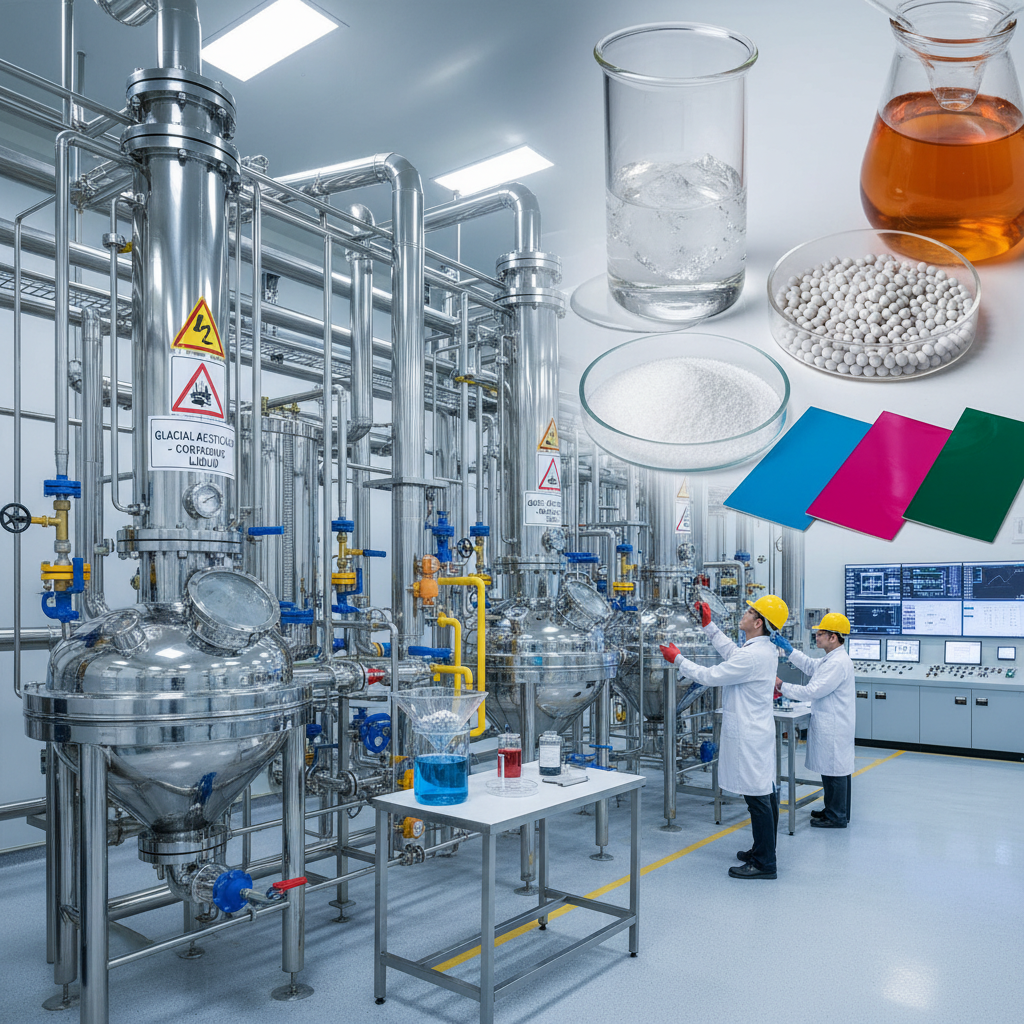
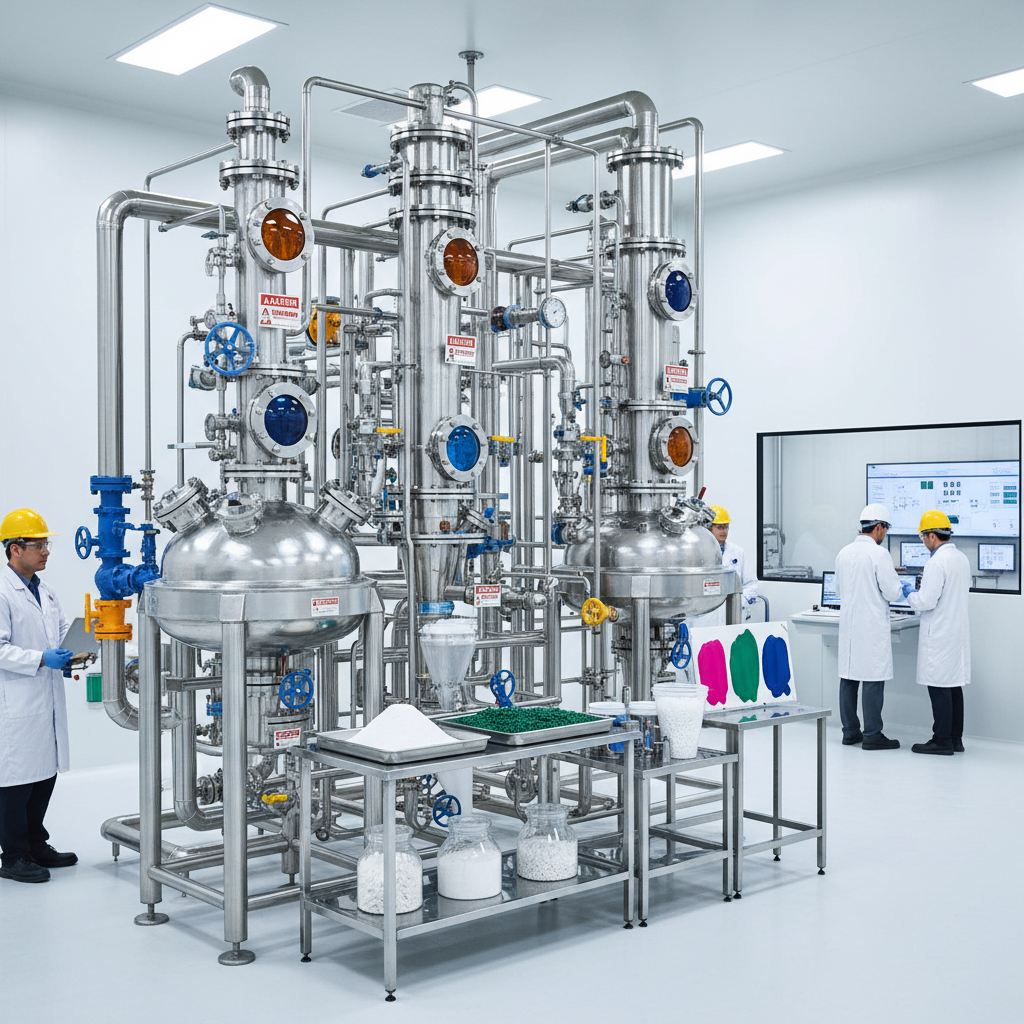
Glacial acetic acid is a cornerstone of modern chemical manufacturing, finding applications across a surprisingly diverse range of industries. From the production of vinyl acetate monomer – a key ingredient in paints, adhesives, and coatings – to its crucial role in the pharmaceutical and textile sectors, its impact is widespread. Understanding its properties and handling procedures isn't just for chemists; it’s vital for anyone involved in process industries, impacting supply chains and manufacturing efficiency globally. The demand for high-purity glacial acetic acid is constantly increasing alongside growth in these dependent sectors.
The global acetic acid market, valued at billions of dollars, is directly influenced by macroeconomic factors like GDP growth in emerging economies and the construction boom in developing nations. According to market research reports, Asia-Pacific is currently the largest consumer, driven by China’s massive manufacturing output. However, stricter environmental regulations worldwide are pushing manufacturers to adopt more sustainable production methods for glacial acetic acid is, creating both challenges and opportunities. This isn’t just about ‘going green’; it's about long-term viability and ensuring a stable supply chain.
Simply put, glacial acetic acid is a highly concentrated solution of acetic acid, typically around 99%. What sets it apart is its physical state: it solidifies at lower temperatures due to its concentration, hence the "glacial" moniker. It's not something you'd find on a kitchen shelf – it’s an industrial workhorse, and its purity is critical. Its wide-ranging use from food preservation to metal cleaning, and as a crucial reagent in countless chemical processes, underlines its importance to modern industry and even certain humanitarian aid applications.
The Global Significance of glacial acetic acid is
Look, as someone who’s spent years walking plant floors, I can tell you, glacial acetic acid is rarely the headline. But it's always a critical component, the silent workhorse behind countless products. It’s used in everything from making plastics to purifying water. When there’s a disruption in the supply of glacial acetic acid is, you feel it across industries. A slowdown impacts production, raises costs, and ultimately affects the consumer.
We're talking about a global market, heavily influenced by everything from crude oil prices to geopolitical stability. The increasing demand in emerging economies like India and Southeast Asia is putting pressure on existing supply chains. And, honestly, a lot of older plants are running on aging infrastructure. Maintaining reliability and ensuring consistent quality is a constant battle. That’s why finding reliable suppliers and understanding the nuances of glacial acetic acid is handling is so vital.
Defining Glacial Acetic Acid is: A Practical View
The textbook definition? Near-pure acetic acid. But in the field, it's the concentration that matters. Around 99.8% acetic acid, that's what we're talking about. It's called “glacial” because it freezes at a relatively high temperature – around 16.6°C (62°F). Think of it like this: it’s not the vinegar you put on your salad. This is a concentrated industrial chemical, demanding respect and careful handling.
Its connection to modern industry is undeniable. It’s a building block for vinyl acetate monomer (VAM), used in paints and adhesives. It's a solvent, a reagent, and a pH adjuster. It’s involved in the production of cellulose acetate – used in textiles and cigarette filters. Essentially, it’s woven into the fabric of our everyday lives, even if most people don't realize it.
And it’s not just about manufacturing. In certain medical applications, and even in some food processing scenarios, highly purified glacial acetic acid is plays a role. Maintaining stringent quality control is paramount in these situations; you're dealing with public health and safety.
Key Characteristics of glacial acetic acid is
First, the corrosiveness. Glacial acetic acid is is powerful. It will eat away at certain metals and can cause severe burns to skin. That's why proper PPE – personal protective equipment – is absolutely non-negotiable. We’re talking gloves, goggles, and appropriate ventilation. Second, it’s highly flammable. Vapors can ignite easily, so storage and handling must adhere to strict safety protocols.
Another important characteristic is its hygroscopic nature. It readily absorbs moisture from the air, which reduces its concentration. This means proper sealing of containers is crucial to maintain purity and avoid contamination. We regularly test incoming shipments to verify concentration, and we implement procedures to minimize exposure to humidity during storage and handling. It might seem minor, but a small drop in concentration can impact an entire production run.
Finally, and often overlooked, is its distinct odor. It’s a sharp, vinegar-like smell that, while not immediately dangerous, can be irritating at high concentrations. Adequate ventilation is key to maintaining a safe and comfortable working environment. Believe me, you learn to recognize that smell quickly when you're on site!
Practical Applications and Performance Metrics of glacial acetic acid is
In a VAM plant, for example, the purity of the glacial acetic acid is directly impacts the yield and quality of the final product. We monitor the acetic acid content using gas chromatography, aiming for consistently above 99.8%. Any deviations can lead to off-spec VAM, requiring costly reprocessing or even discarding the entire batch.
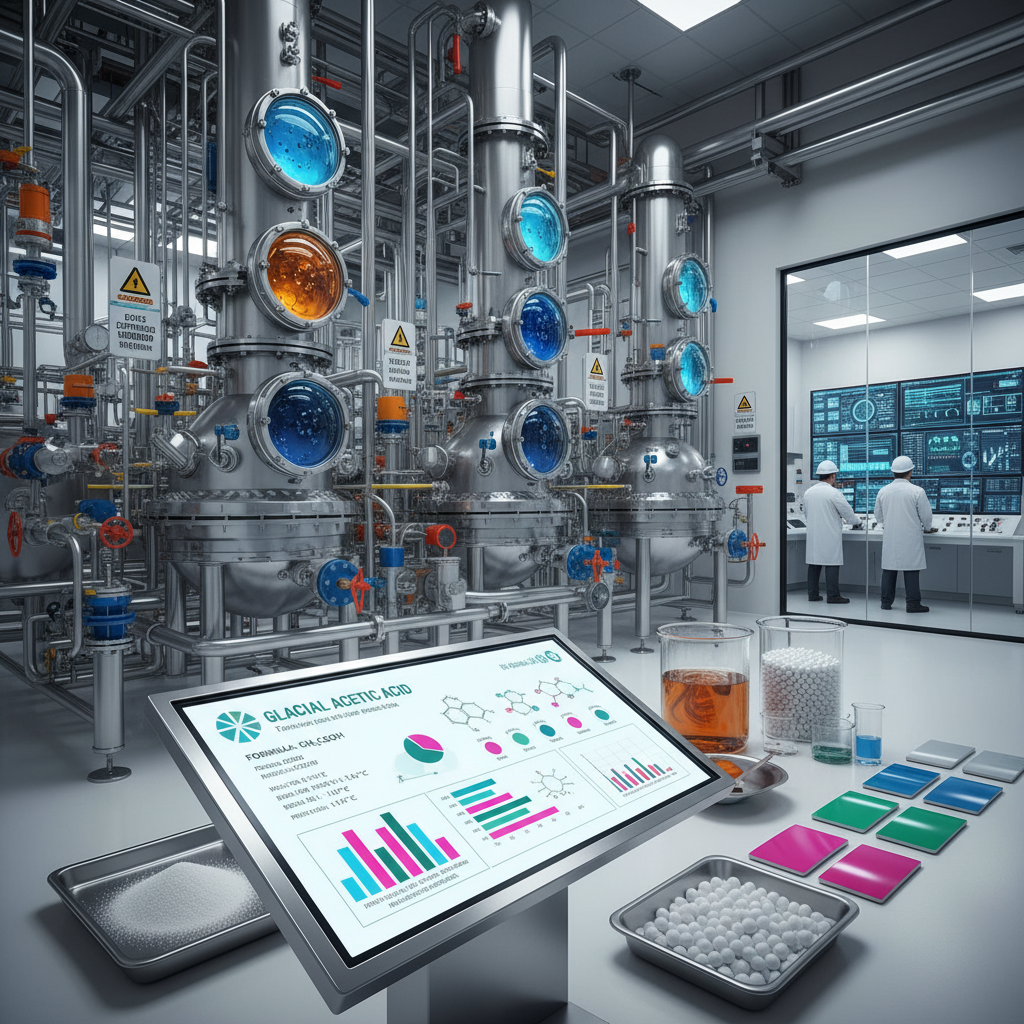
Let's look at a chart outlining key performance indicators in different application areas:
Performance Metrics for glacial acetic acid is Applications
Global Use Cases for glacial acetic acid is
In China, the massive textile industry relies heavily on glacial acetic acid is for the production of cellulose acetate fibers. I’ve visited several plants there, and the scale is immense. In Europe, you see a lot of it used in the pharmaceutical industry, producing active pharmaceutical ingredients (APIs). And in North America, it’s heavily used in the production of paints, coatings, and adhesives, fueling the construction and automotive sectors.
During post-disaster relief efforts, glacial acetic acid is can be used in water purification systems, providing clean drinking water to affected populations. It’s a silent hero in those situations. And in remote industrial zones, where access to specialized chemicals is limited, its versatility makes it an indispensable resource.
Advantages and Long-Term Value of glacial acetic acid is
From a cost perspective, glacial acetic acid is is relatively inexpensive compared to some alternative chemicals, making it attractive for large-scale manufacturing. But cost isn’t everything. Its effectiveness as a solvent and reagent often translates to higher product yields, offsetting any initial cost differences.
Sustainability is becoming increasingly important, and glacial acetic acid is can play a role in that. Manufacturers are exploring bio-based production methods using renewable feedstocks. This isn’t just a PR move; it’s about reducing our carbon footprint and ensuring a long-term supply.
And let's not underestimate the value of reliability. When you're running a 24/7 operation, you need a chemical supplier you can trust. Consistent quality, on-time delivery, and responsive technical support are all critical factors.
Future Trends and Innovation in glacial acetic acid is
We’re seeing a lot of R&D focused on bio-based acetic acid production, using fermentation processes instead of traditional petrochemical methods. This could significantly reduce the environmental impact and enhance sustainability.
Digitalization is also playing a role. Advanced process control systems, utilizing real-time data analytics, are optimizing acetic acid production and minimizing waste. AI-powered monitoring can predict potential issues before they arise, improving plant safety and efficiency.
And the demand for higher purity glacial acetic acid is continues to grow, driven by the needs of advanced industries like semiconductors and pharmaceuticals. This requires investment in new purification technologies and stricter quality control standards.
Summary of Challenges and Potential Solutions for glacial acetic acid is
| Challenge |
Impact on glacial acetic acid is |
Potential Solution |
Implementation Timeline |
| Fluctuating Raw Material Costs |
Increased production costs of glacial acetic acid is |
Diversify sourcing; explore bio-based feedstocks |
Short-term (6-12 months) |
| Aging Infrastructure |
Reduced production capacity and increased risk of downtime. |
Invest in plant upgrades and modernization. |
Medium-term (2-5 years) |
| Stringent Environmental Regulations |
Higher compliance costs for glacial acetic acid is production |
Implement cleaner production technologies; adopt circular economy principles. |
Ongoing |
| Supply Chain Disruptions |
Unreliable supply of glacial acetic acid is |
Develop strategic partnerships with multiple suppliers. |
Short-term (6-12 months) |
| Maintaining High Purity |
Critical for applications like pharmaceuticals and electronics; impacting product quality. |
Implement advanced purification techniques; rigorous quality control protocols. |
Ongoing |
| Skilled Labor Shortage |
Difficulty in operating and maintaining complex glacial acetic acid is production facilities. |
Invest in training programs and attract new talent. |
Medium-term (1-3 years) |
FAQS
When it comes to glacial acetic acid is, safety isn’t a suggestion, it’s the rulebook. Always wear appropriate PPE - that means chemical-resistant gloves, splash-proof goggles, and a lab coat or apron. Ensure adequate ventilation to avoid inhaling vapors. Have emergency eyewash stations and safety showers readily accessible. And, critically, understand the SDS (Safety Data Sheet) for the specific product you're using. It's corrosive and flammable – respect that.
Purity is everything, especially in sensitive applications. Impurities can interfere with chemical reactions, reduce product yields, and even compromise the quality of the final product. In pharmaceuticals, for example, even trace amounts of contaminants can be unacceptable. That’s why we routinely analyze every batch using techniques like gas chromatography to ensure it meets the required specifications. Maintaining high purity is a non-negotiable.
Think of it like this: regular vinegar is a diluted form of acetic acid, typically around 5%. Glacial acetic acid is is nearly pure acetic acid – around 99.8%. The concentration makes all the difference. Household vinegar is safe for food preparation, while glacial acetic acid is is a hazardous industrial chemical. They’re not interchangeable – using one in place of the other could have serious consequences.
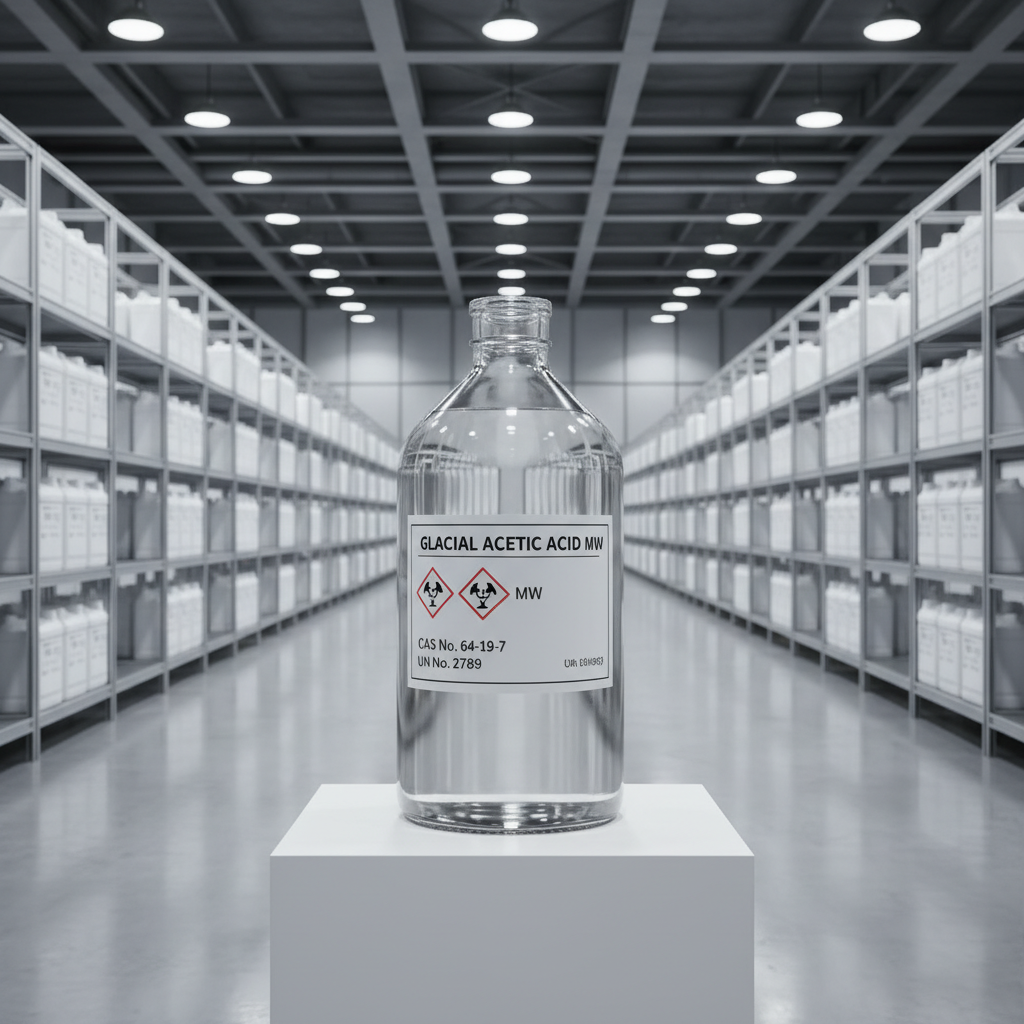
Proper storage is vital. Keep it in a tightly sealed container, in a cool, dry, and well-ventilated area, away from incompatible materials like strong oxidizing agents and bases. Protect it from direct sunlight and sources of ignition. Since it's hygroscopic, minimizing exposure to moisture is crucial. Regular inspection of containers for leaks or damage is also essential.
We’re seeing a lot of exciting developments in bio-based acetic acid production. This involves using fermentation processes with renewable feedstocks like corn or sugarcane, rather than relying on petrochemicals. This reduces the carbon footprint and offers a more sustainable alternative. There's also research into carbon capture technologies to utilize CO2 as a feedstock, making the process even greener.
The supply chain is a huge factor. Events like geopolitical instability, natural disasters, or even increased demand from key manufacturing hubs can cause disruptions and price fluctuations. Diversifying sourcing, building strong relationships with suppliers, and maintaining adequate inventory levels are crucial to mitigating these risks. Right now, we're seeing increased pressure due to logistics challenges and raw material shortages.
Conclusion
Glacial acetic acid is isn’t glamorous, but it’s an absolutely vital component of modern industry. From its widespread use in manufacturing to its crucial role in specialized applications, its importance cannot be overstated. Understanding its properties, handling procedures, and the emerging trends in its production is essential for professionals across a broad spectrum of industries. Maintaining a reliable supply chain and embracing sustainable production methods are critical for long-term success.
Looking ahead, innovation in bio-based production and digitalization will shape the future of glacial acetic acid is. Investing in research and development, fostering collaboration across the supply chain, and prioritizing safety and sustainability will be key to unlocking its full potential. Visit our website at glacial acetic acid is to learn more about how we’re driving these advancements.


 English
  Belarusian
  Dutch
Dutch  French
  German
  Hindi
Hindi  Indonesian
  Japanese
  Korean
  Lao
Lao  Malay
Malay  Mongolian
  Myanmar
  Polish
  Portuguese
  Russian
  Spanish
  Tagalog
  Thai
Thai  Vietnamese