
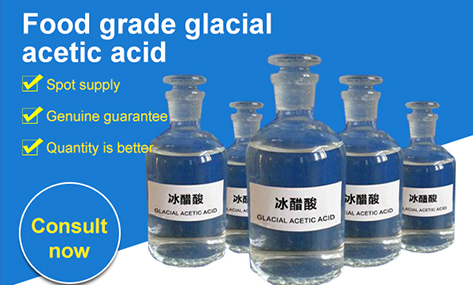
High-Purity anhydrous acetic acid Solutions for Uzbekistan Food Industry

Empowering Uzbekistan's food additive manufacturing with industrial-grade acidity regulators and chemical synthesis precursors.

High-Purity anhydrous acetic acid Solutions for Uzbekistan Food Industry

Providing the highest standards of glacial acetic acid to enhance the stability and quality of food additive production across Uzbekistan's manufacturing hubs.

Current State of Chemical Additives in Uzbekistan

Analyzing the demand for high-concentration acetic acid in Central Asian food processing.

Uzbekistan's food manufacturing sector, particularly in the processing of agricultural produce and dairy, relies heavily on consistent pH control. The demand for glacial acetic has surged as the country pivots toward exporting higher-value processed foods to global markets, requiring stricter adherence to international food safety standards.

Due to the continental climate and logistical challenges of the region, the storage and transport of acoh glacial require specialized temperature-controlled infrastructure to prevent crystallization during winter months, a critical factor for local manufacturers in Tashkent and Samarkand.

Current industry practices in Uzbekistan are shifting from basic vinegar production to the sophisticated synthesis of food-grade esters and preservatives, driving the need for ultra-pure anhydrous acetic acid to ensure no water interference in sensitive chemical reactions.

Evolution and Trajectory of Acetic Acid Application

From traditional fermentation to high-precision industrial synthesis.

Market Development History

In the early 2000s, Uzbekistan's food sector primarily utilized diluted acetic acid derived from simple fermentation, which lacked the purity required for complex food additive manufacturing.

Between 2010 and 2020, the introduction of industrial-scale glacial acetic acid allowed for the domestic production of acetate-based preservatives, reducing dependence on expensive imported finished additives.

Currently, the market has entered a phase of "Precision Chemistry," where the focus is on the exact concentration of anhydrous acetic acid to optimize the yield of synthetic flavors and fragrances used in the regional confectionery industry.

Future Development Trends

Digitalized Dosage Control

Integration of IoT-enabled sensors to monitor the process of diluting glacial acetic acid in real-time, ensuring absolute batch consistency for food exporters.

Green Synthesis Integration

A shift toward bio-based glacial acetic produced via carbon-capture technologies, aligning with Uzbekistan's "Green Economy" transition goals.

High-Purity Grade Standardization

Increased adoption of pharmaceutical-grade acetic acid for specialized food-grade additive synthesis to meet EU and US FDA import requirements.

Industry Trends and Future Outlook

Strategic forecasting for the food additive chemical sector in Central Asia.

Sustainable Sourcing
Transitioning to low-carbon footprints in the production of acoh glacial to meet global ESG standards.
Automation of Dilution
Implementing automated systems for diluting glacial acetic acid to eliminate human error in food formulations.
Purity Optimization
Advancing toward 99.9% anhydrous acetic acid to satisfy high-end food additive synthesis.
Regulatory Alignment
Ensuring all glacial acetic supplies meet the evolving food safety laws of Uzbekistan and the EAEU.

Industry Outlook

Over the next 3-5 years, Google search trends indicate a rising interest in "food-grade chemical purity" and "sustainable additives" within the Central Asian region. This suggests that Uzbekistan's manufacturers will move away from bulk commodities toward specialized, high-purity chemical precursors.

We anticipate that the integration of precise dilution technologies will allow local food plants to reduce waste and increase the shelf-life of processed goods, making Uzbekistan a dominant food hub in the Asia-Pacific trade corridor.

Localized Application Scenarios in Uzbekistan

Practical implementations of acetic acid in regional food additive manufacturing.

1. Fruit and Vegetable Preservation in Fergana Valley

Utilizing glacial acetic acid as a primary acidulant for the pickling of regional produce, ensuring standardized acidity levels for export-grade canned vegetables.

2. Synthesis of Food-Grade Acetates in Tashkent

Employing anhydrous acetic acid to produce sodium and potassium acetates, which serve as essential preservatives and buffers in the local bakery industry.

3. Dairy Product pH Stabilization

Controlled diluting glacial acetic acid for use in cheese and yogurt processing to maintain precise pH levels, preventing spoilage during long-distance transport across the steppe.

4. Confectionery Flavor Esterification

Using acoh glacial in the synthesis of esters (such as ethyl acetate) for the production of synthetic fruit flavors used in Uzbekistan's growing sweets market.

5. Industrial Equipment Sanitization

Application of specific concentrations of glacial acetic for the descaling and acidification of food-grade stainless steel tanks in beverage bottling plants.

Brand Story

Global Development Journey of Shijiazhuang Gaocheng Xiongxing Metal Wire Factory

Industrial Foundations

Founded on a commitment to material excellence, we began by mastering the precision of industrial metal wire, establishing a culture of rigorous quality control.

Diversification Pivot

Recognizing the synergy between industrial chemicals and metal treatment, we expanded our expertise into high-purity chemical distribution for food additives.

Global Quality Standards

We implemented international ISO certifications to ensure our chemical products meet the stringent demands of the global food manufacturing sector.

Central Asian Expansion

Strategically entering the Uzbekistan market, we focused on solving the pain point of chemical impurity in regional food additive production.

Future Vision

Our mission is to be the primary bridge of high-purity chemical solutions, fostering sustainable food industry growth in Asia and beyond.

Comprehensive Product Portfolio for Uzbekistan

Tailored chemical solutions for every stage of food additive manufacturing.

Frequently Asked Questions in Uzbekistan

Expert answers to common technical queries regarding acetic acid usage.

What is the best way for diluting glacial acetic acid in food processing?

Always add the acid to water slowly while stirring to dissipate heat. Use a gradual dilution process to maintain temperature stability and prevent splashing of concentrated solutions.

How does anhydrous acetic acid differ from standard vinegar?

While vinegar is a diluted solution, anhydrous acetic acid is nearly 100% pure and water-free, making it essential for synthesis reactions where water would contaminate the final food additive.

What are the storage requirements for acoh glacial in Uzbekistan's winter?

Because it freezes at 16.6°C, it must be stored in heated warehouses or insulated tanks to prevent solidification during the cold Uzbekistan winters.

Can glacial acetic acid be used for organic food certification?

Yes, provided it is sourced from a manufacturer that adheres to food-grade purity standards and provides full traceability documentation for organic certification.

Which grade of acetic acid is best for acetate preservative synthesis?

The high-purity anhydrous grade is recommended to ensure maximum reaction yield and to avoid introducing moisture into the synthesis of sodium or potassium acetates.

How to verify the purity of imported glacial acetic acid batches?

Purity can be verified through titration methods or gas chromatography (GC) to ensure the concentration meets the specified 99.8% or higher threshold.

Expert Chemical Consultation

Partner with us for high-purity chemical solutions tailored to the industrial needs of Uzbekistan.

Contact Us Now

If you are interested in our products, you can choose to leave your information here, and we will be in touch with you shortly.