
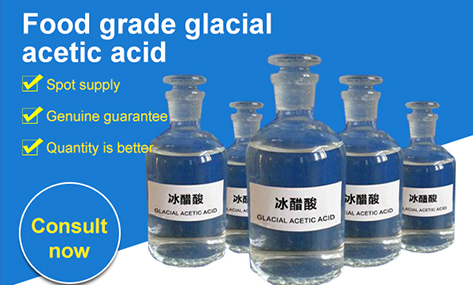
High-Purity anhydrous acetic acid Solutions for Hungary's Food Industry

Providing EU-standard chemical additives to enhance food preservation and manufacturing efficiency across the Hungarian agricultural sector.

High-Purity anhydrous acetic acid Solutions for Hungary's Food Industry

Our specialized chemical solutions are engineered to meet the stringent food safety regulations of the European Union, specifically tailored for the Hungarian food additive manufacturing landscape.

Current State of Food Additive Manufacturing in Hungary

Analyzing the integration of high-concentration acetic acid within the Central European food hub.

Hungary serves as a critical bridge for food processing in Europe, leveraging its rich agricultural base. The demand for glacial acetic acid has surged as local manufacturers move toward more efficient, concentrated preservation methods to meet export standards for the wider EU market.

The regional industry is currently characterized by a transition toward "Green Chemistry." Hungarian factories are increasingly optimizing the use of acoh glacial to reduce waste and improve the purity of food-grade vinegar and preservative agents used in traditional Hungarian paprika and meat processing.

However, the logistics of handling highly concentrated acids in the Pannonian Basin require strict adherence to safety protocols. There is a growing market need for technical guidance on diluting glacial acetic acid to ensure precise pH control in large-scale food additive production.

Evolution of Acetic Acid Application in Hungarian Food Tech

From traditional fermentation to precision chemical synthesis.

Market Development History

In the early 20th century, Hungary relied primarily on traditional fermentation for acetic acid production, which lacked the consistency required for industrial-scale food additives.

By the 1980s and 90s, the shift toward synthetic glacial acetic allowed for rapid scaling in the beverage and pickling industries, providing a standardized acid profile that ensured product stability during cross-border trade.

Entering the 2010s, the focus shifted to ultra-high purity standards. The adoption of advanced distillation techniques ensured that contaminants were minimized, aligning Hungarian production with the strict E-number regulations of the European Food Safety Authority (EFSA).

Future Development Trends

Bio-based Synthesis Integration

A shift toward carbon-neutral acetic acid derived from biomass to align with Hungary's sustainability goals for 2030.

Precision Concentration Control

Implementation of AI-driven dosing systems to automate the process of mixing and managing acid concentrations in real-time.

Enhanced Safety Packaging

Development of smart containment systems to minimize the risks associated with transporting high-purity acids across the Hungarian plains.

Industry Outlook and Strategic Forecast

Projecting the trajectory of food-grade acid additives in the Hungarian market.

EU Regulatory Alignment
Stricter compliance with REACH and EFSA standards will drive demand for certified, high-purity chemical inputs.
Supply Chain Localization
Reducing lead times by establishing strategic buffer stocks within the Hungarian logistics corridor.
Digital Dosage Integration
Moving toward smart-factories where acid concentration is managed via IoT sensors.
Eco-Preservation Trends
Increasing demand for natural-identical acid profiles to satisfy "Clean Label" consumer trends.

Industry Outlook

Google search trends indicate a rising interest in "sustainable food preservatives" within the Central European region. This suggests that the future of the industry lies in the intersection of chemical purity and environmental responsibility.

We anticipate that the next 3-5 years will see a consolidation of the Hungarian food additive market, where only those utilizing high-efficiency chemicals like glacial acetic acid with verified traceability will maintain a competitive edge.

Localized Application Scenarios in Hungary

Practical implementation of high-purity acetic solutions in the Hungarian food sector.

1. Traditional Paprika Processing

Utilizing concentrated acids to maintain the vibrant red color and flavor profile of Hungarian paprika while preventing microbial growth during long-term storage.

2. Industrial Vinegar Production

The large-scale conversion of high-purity chemical precursors into food-grade vinegar for the domestic Hungarian culinary market.

3. Meat Preservation in Rural Hubs

Applying precise acid treatments to cured meats in the Great Hungarian Plain to ensure safety during seasonal temperature fluctuations.

4. Beverage Acidification

Precise pH adjustment in the manufacturing of traditional Hungarian soft drinks and fermented beverages to ensure consistent taste profiles.

5. Pickling and Fermentation Control

Using standardized acid inputs to accelerate the fermentation process of traditional vegetables, ensuring a consistent acidity level for export.

Brand Story

Global Development Journey of Shijiazhuang Gaocheng Xiongxing Metal Wire Factory

Industrial Foundations

Established with a commitment to material excellence, we began by mastering the precision required for high-grade industrial components.

Chemical Diversification

Recognizing the synergy between metallurgy and chemical processing, we expanded into the production of high-purity acid additives.

Global Standard Adoption

We integrated ISO and EU safety standards into our manufacturing line to ensure our products could serve the most demanding markets in Europe.

European Market Entry

Our strategic focus shifted toward Hungary and the Central European region, solving the critical pain point of supply stability for food manufacturers.

Vision for the Future

We aim to be the primary partner for Hungarian food industries, bridging the gap between chemical purity and sustainable food production.

Comprehensive Chemical Portfolio for Hungary

A full suite of high-purity acetic solutions designed for food-grade applications.

Hungarian Market FAQ

Expert answers to common technical questions regarding food-grade acid additives.

How do I ensure the safe handling of glacial acetic acid in a food plant?

Safe handling requires acid-resistant PPE, dedicated ventilation systems, and strict adherence to EU hazardous material storage protocols to prevent vapor inhalation and skin contact.

What is the best method for diluting glacial acetic acid for food use?

Always add the acid to water, never water to acid, to prevent violent exothermic reactions. Use calibrated mixing tanks to achieve the precise concentration required for food additives.

Is your anhydrous acetic acid compliant with EU food safety standards?

Yes, our products are manufactured to meet the purity levels required for food-grade additives, ensuring compliance with EFSA regulations for the Hungarian market.

How does acoh glacial affect the shelf life of preserved foods?

By lowering the pH level of the food product, it creates an environment that inhibits the growth of spoilage bacteria and pathogens, significantly extending shelf life.

What are the typical lead times for shipping to Hungary?

Depending on the volume and shipping method, lead times generally range from 14 to 30 days, with specialized logistics ensuring temperature-controlled transit.

Can glacial acetic be used in organic-certified food production in Hungary?

Usage depends on the specific organic certification body. We provide full traceability documentation to help manufacturers determine compliance with organic standards.

Request a Technical Consultation

Our experts are ready to optimize your food additive production lines in Hungary. Get in touch for custom purity specifications and bulk pricing.

Contact Us Now

If you are interested in our products, you can choose to leave your information here, and we will be in touch with you shortly.