In the complex landscape of chemical synthesis and food additive manufacturing, glacial acetic anhydride stands as a pivotal reagent known for its high reactivity and efficiency. As an essential acetylating agent, it plays a critical role in creating the chemical bonds necessary for a vast array of pharmaceuticals, polymers, and specialized food-grade ingredients, making it a cornerstone of modern industrial chemistry.
The global demand for high-purity chemical intermediates has surged, placing glacial acetic anhydride at the center of supply chain discussions. Its ability to introduce acetyl groups into organic molecules allows manufacturers to modify the solubility and stability of products, which is indispensable for maintaining the quality and safety standards required in the food and pharmaceutical sectors.
Understanding the nuances of handling, sourcing, and applying glacial acetic anhydride is not merely a technical requirement but a strategic advantage. By mastering its properties, companies can optimize their production costs, enhance product purity, and ensure compliance with international safety and environmental regulations.
Global Industrial Context of Glacial Acetic Anhydride
The global market for glacial acetic anhydride is inextricably linked to the growth of the plastics and pharmaceutical industries. According to industrial chemical reports and ISO standards, the demand for high-purity acetylating agents has seen a steady CAGR increase, driven largely by the expanding healthcare sectors in Asia-Pacific and North America. The substance serves as a vital precursor for cellulose acetate, which is used in everything from high-end textiles to biodegradable food packaging.
However, the industry faces significant challenges regarding strict regulatory oversight and the need for sustainable production. Because glacial acetic anhydride is a controlled precursor in many jurisdictions, the challenge for manufacturers is to balance high-volume production with rigorous security and environmental safeguards, ensuring that the supply chain remains resilient without compromising legal integrity.
Defining the Chemical Essence of Glacial Acetic Anhydride
In simple terms, glacial acetic anhydride is the dehydrated form of acetic acid, acting as a powerful dehydrating agent and a versatile building block in organic synthesis. The term "glacial" refers to its tendency to freeze at low temperatures, forming ice-like crystals, which is a hallmark of its high purity and concentration.
Beyond its basic chemical formula, this compound represents a critical bridge in the manufacturing of essential goods. In the context of humanitarian needs, for example, it is used in the synthesis of aspirin and other analgesics, proving that its industrial application translates directly into improved global health outcomes and accessible medicine.
For those in the food additive sector, glacial acetic anhydride provides the necessary reactivity to synthesize esters and other modifiers that enhance food shelf-life and flavor profiles. Its role is often "invisible" to the end consumer, yet it is fundamental to the stability of the products found on every grocery shelf.
Core Technical Components and Quality Factors
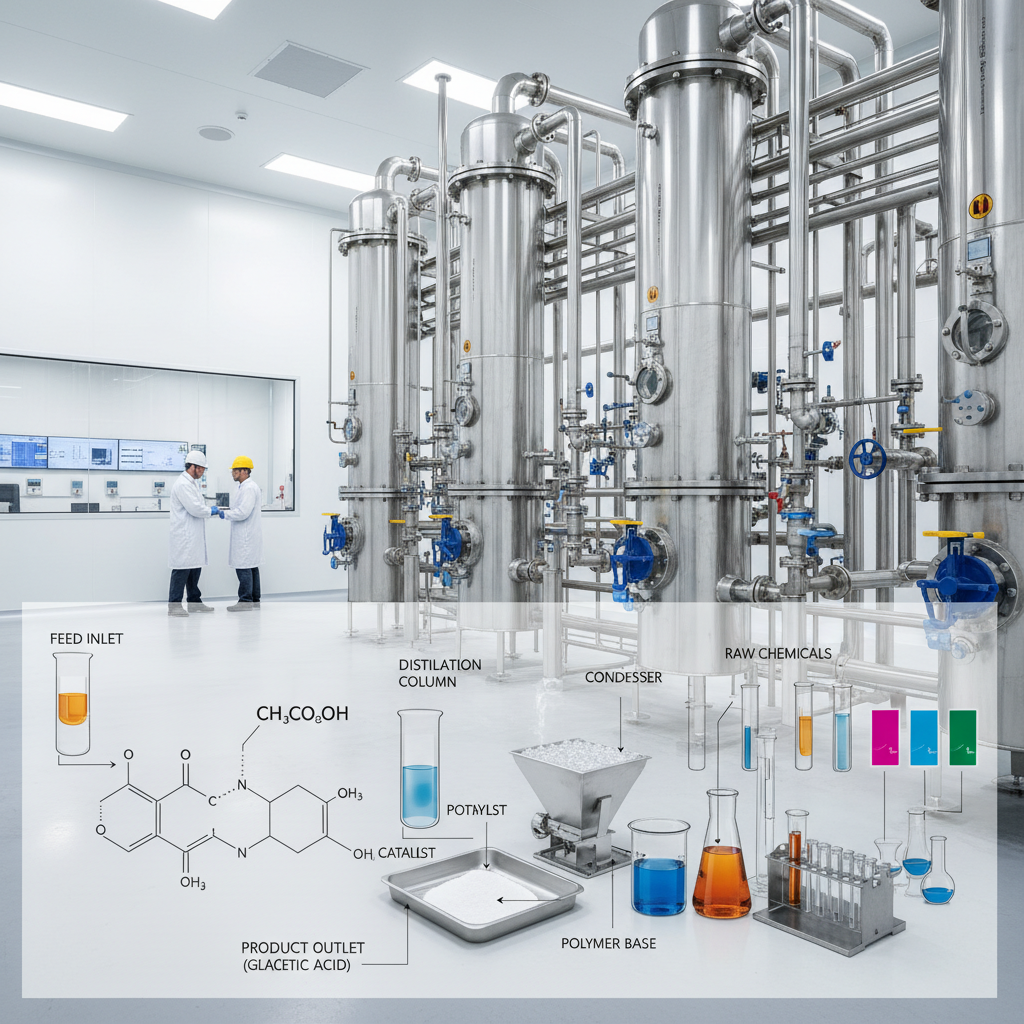
The efficacy of glacial acetic anhydride is primarily determined by its purity level. Impurities can lead to unwanted side reactions, which in food-grade applications could result in off-flavors or unstable product batches. Therefore, stringent distillation processes are employed to ensure a purity level often exceeding 99.5%.
Another core factor is its reactivity and stability. The ability of glacial acetic anhydride to react predictably with alcohols and amines allows chemists to control the acetylation process with precision. This predictability is what makes it superior to other acetylating agents in large-scale industrial reactors.
Cost-efficiency and scalability also play a vital role. By optimizing the catalytic conversion of ketones or the dehydration of acetic acid, producers can lower the cost of glacial acetic anhydride, making downstream products like cellulose acetate more affordable for the global market while maintaining high performance.
Practical Performance and Scalability Metrics
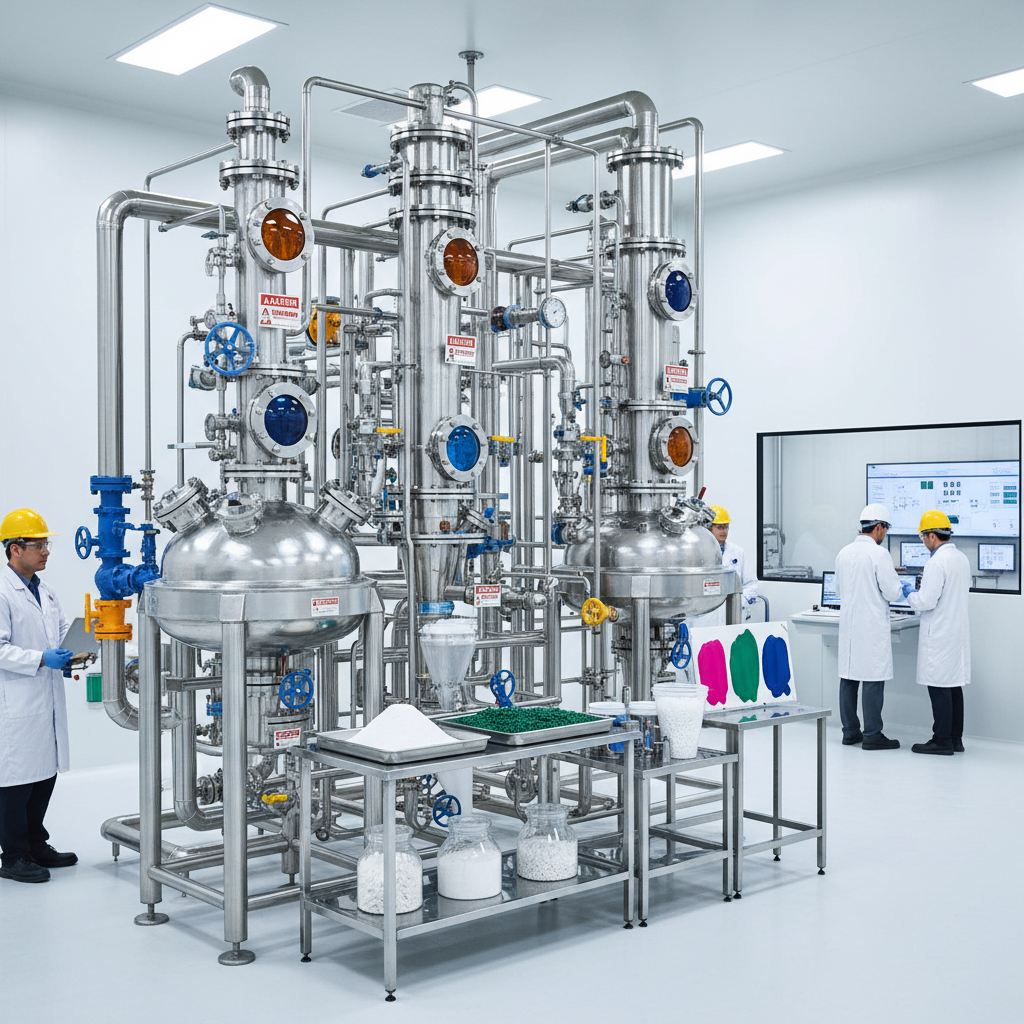
When implementing glacial acetic anhydride in an industrial setting, performance is measured by the conversion rate and the minimal formation of by-products. In high-throughput environments, the scalability of the acetylation process depends on the quality of the reagent, as inconsistent purity can lead to reactor fouling and increased downtime.
Comparing different production methods reveals significant variances in yield and environmental impact. Whether utilizing the ketene process or chemical dehydration, the goal is to maximize the potency of the glacial acetic anhydride while minimizing the carbon footprint of the synthesis.
Performance Efficiency of Glacial Acetic Anhydride Synthesis Methods
Global Applications and Sectoral Use Cases
In the pharmaceutical sector, glacial acetic anhydride is indispensable for the synthesis of acetylsalicylic acid (aspirin). In regions with high healthcare demands, such as Southeast Asia and Latin America, the local production of these essential medicines relies heavily on a steady supply of high-purity anhydride to ensure medication safety and efficacy.
Beyond medicine, the food additive industry utilizes glacial acetic anhydride to produce various flavoring agents and preservatives. In remote industrial zones where logistics are challenging, the stability of the anhydride allows for easier transport and storage compared to more volatile acetylating agents, enabling consistent quality in regional food processing plants.
Long-term Value and Sustainability Advantages
The long-term value of investing in high-grade glacial acetic anhydride lies in the reduction of waste and the enhancement of product reliability. By utilizing a reagent with minimal impurities, manufacturers can significantly reduce the amount of solvent needed for purification, thereby lowering overall operational costs and reducing the chemical waste stream.
From a sustainability perspective, the shift toward "green chemistry" has led to the development of more eco-friendly ways to produce and use glacial acetic anhydride. Innovations in catalyst recovery and closed-loop systems are transforming it from a traditional industrial chemical into a component of a circular economy.
Moreover, the reliability of this compound fosters trust between B2B partners. When a supplier can guarantee the consistency of glacial acetic anhydride, it removes a layer of risk for the manufacturer, allowing them to focus on innovation and product development rather than troubleshooting batch inconsistencies.
Future Innovations and Market Trends
Looking forward, the integration of digital transformation and automation is set to revolutionize the production of glacial acetic anhydride. AI-driven process control systems are now being implemented to monitor reaction kinetics in real-time, ensuring that every batch meets the highest purity standards while minimizing energy consumption.
The trend toward bio-based feedstocks is another major shift. Researchers are exploring the production of acetic acid precursors from biomass, which would eventually lead to a "bio-glacial acetic anhydride." This evolution would drastically reduce the dependence on fossil fuels and align the industry with global carbon-neutrality goals.
Finally, the adoption of continuous flow chemistry over traditional batch processing is increasing the safety and efficiency of glacial acetic anhydride usage. This allows for smaller reactor volumes and better heat management, reducing the risk of runaway reactions and enhancing the overall safety of the manufacturing facility.
Comparative Analysis of Glacial Acetic Anhydride Application Standards
| Industry Sector |
Purity Requirement |
Primary Use Case |
Impact Score (1-10) |
| Pharmaceuticals |
>99.7% |
Aspirin Synthesis |
10 |
| Food Additives |
>99.5% |
Flavor Esters |
8 |
| Polymers/Plastics |
>98.0% |
Cellulose Acetate |
9 |
| Textiles |
>97.0% |
Fabric Finishing |
6 |
| Agrochemicals |
>98.5% |
Pesticide Intermediates |
7 |
| Specialty Chemicals |
>99.0% |
Organic Synthesis |
8 |
FAQS
While acetic acid is a carboxylic acid, glacial acetic anhydride is the dehydrated form, making it significantly more reactive. It is primarily used as an acetylating agent to introduce acetyl groups into other molecules, whereas acetic acid is often used as a solvent or a mild acid. The anhydride is far more efficient for synthetic reactions but requires more careful handling due to its reactivity.
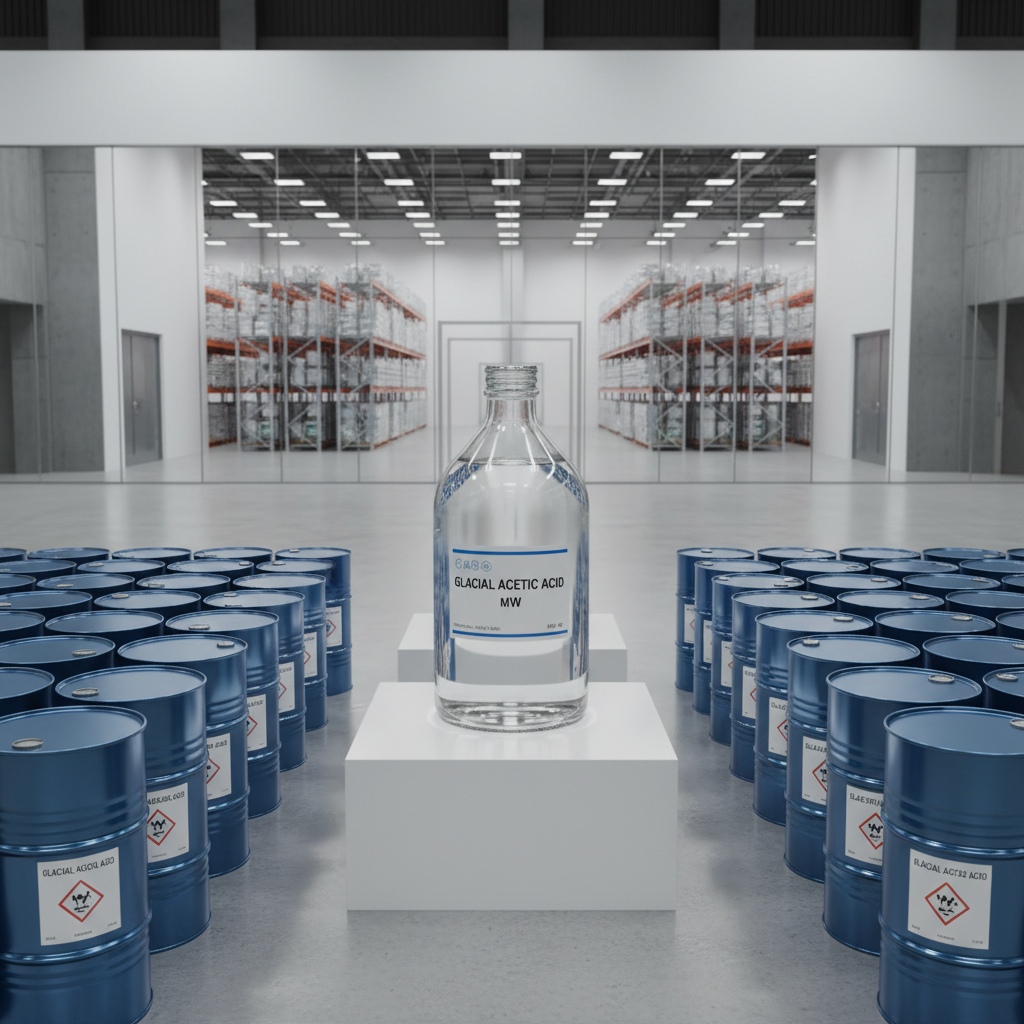
Due to its corrosive nature and reactivity with water, glacial acetic anhydride must be stored in airtight, corrosion-resistant containers (such as stainless steel or specially lined drums) in a cool, well-ventilated area. It is critical to keep it away from moisture and strong oxidizing agents to prevent violent reactions or degradation of purity.
Yes, provided it meets specific purity standards. In the production of food-grade esters and additives, glacial acetic anhydride is used as a reagent. Since it is a processing aid rather than a final ingredient, the focus is on ensuring that no residual anhydride remains in the final product and that the starting material is free from toxic heavy metal contaminants.
The most common sign of degradation is the presence of acetic acid, which occurs when the anhydride reacts with atmospheric moisture (hydrolysis). This is often indicated by a drop in purity levels during titration or a change in the crystallization point. Maintaining a dry, nitrogen-blanketed environment is the best way to prevent this.
Because glacial acetic anhydride can be used in the illicit manufacture of narcotics, it is listed as a controlled precursor in many countries. Sourcing requires comprehensive documentation, including End-User Certificates (EUC) and valid industrial licenses, to ensure the chemical is used for legitimate commercial purposes.
While other acetylating agents like acetyl chloride exist, glacial acetic anhydride is often preferred because it is less volatile and produces acetic acid as a by-product rather than corrosive hydrochloric acid gas. This makes it safer for equipment and generally more cost-effective when considering the total cost of maintenance and waste treatment.
Conclusion
In summary, glacial acetic anhydride is an indispensable tool in the modern chemical toolkit, bridging the gap between raw materials and high-value products in the pharmaceutical, food, and polymer industries. Its unique reactivity, combined with the ongoing shift toward higher purity and sustainable production methods, ensures its continued relevance in a world demanding safer and more efficient chemical synthesis.
As we move toward a future of green chemistry and automated production, the strategic sourcing of high-quality glacial acetic anhydride will remain a key differentiator for companies striving for operational excellence. By prioritizing purity and regulatory compliance, manufacturers can unlock new innovations in material science and healthcare. For more information on premium sourcing, visit our website: www.ysxlglacialaceticacid.com





 English
  Belarusian
  Dutch
Dutch  French
  German
  Hindi
Hindi  Indonesian
  Japanese
  Korean
  Lao
Lao  Malay
Malay  Mongolian
  Myanmar
  Polish
  Portuguese
  Russian
  Spanish
  Tagalog
  Thai
Thai  Vietnamese