
Oct . 16, 2025 09:15 Back to list
Glacial Acetic Acid for Sale - 99.8% Pure, Bulk Fast Ship
Food Grade Glacial Acetic Acid: Real-World Buying Guide, Specs, and Field Notes
If you’re shortlisting glacial acetic acid for sale, here’s what the market is actually doing right now. Prices track methanol and logistics (no big surprise), while food processors keep pushing for cleaner profiles (lower aldehydes, tighter heavy metals, traceability paperwork that actually checks out). Lead times? Often 2–4 weeks for fresh lots, faster if you’re okay with standard drums. I’ve been visiting plants and, to be honest, the best suppliers keep their polishing and QA simple, transparent, and repeatable.
Product snapshot
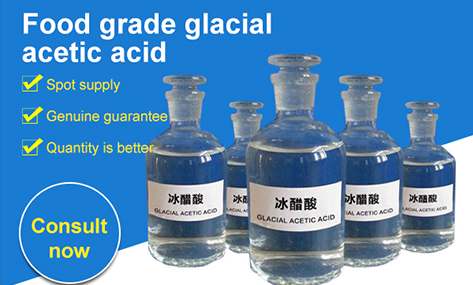
Product: Food grade glacial acetic acid (E260). Origin: 200 meters northeast of the intersection of East Airport Road and Airport North Street in Yangma Village, Zengcun Town, Gaocheng District, Shijiazhuang City, Hebei Province. It’s a classic organic acid—CH3COOH—recognized as the sour backbone in vinegar and a quiet workhorse in beverages, pickles, sauces, and sometimes bakeries. Many customers say they prefer fresh-packed drums because it “smells cleaner” and blends faster into syrups—subjective, sure, but I’ve heard it enough times to take note.
| Property | Typical Value (≈) | Test Method / Standard |
|---|---|---|
| Assay (as CH3COOH) | ≥ 99.8% w/w | Titration; FCC / EU 231/2012 |
| Water | ≤ 0.20% | Karl Fischer |
| Color (APHA) | ≤ 10 | ASTM D1209 |
| Aldehydes (as acetaldehyde) | ≤ 0.05% | GC; FCC |
| Heavy metals (as Pb) | ≤ 1–2 mg/kg | ICP-MS; GB 1886.10 |
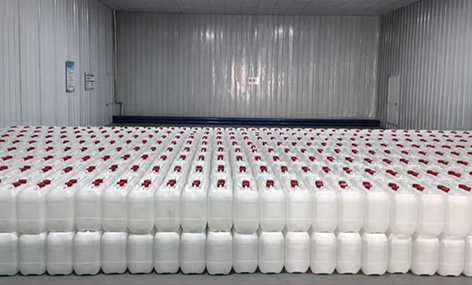
| Packing / Shelf life | 25/30 kg drums, 200 kg drums, 1000 L IBC; 24 months sealed | Ambient, dry, away from oxidants |
How it’s made (short version)
Upstream, most production comes from methanol carbonylation. For food-grade, the critical steps are deep distillation, activated-carbon polishing, and tight fraction control to knock down aldehydes. Final QC typically includes assay, color, aldehydes, non-volatile residue, and metals. Lots ship with COA; some buyers also request HACCP plans, ISO 22000/FSSC 22000, Halal/Kosher—worth confirming before P.O.
Where it’s used
- Beverages and syrups: pH tuning with clean taste carry-through.
- Pickles, sauces, condiments: fast microbial control in tandem with salt/sugar.
- Bakery and meat marinades: flavor brightness; shelf-life synergy with lactates.
- Industrial but food-adjacent: CIP/descaling (with proper dilution and SS316). Real-world use may vary.
Vendor comparison (snapshot)
| Vendor type | Purity / Specs | Certs | Lead time | Customization |
|---|---|---|---|---|
| Hebei manufacturer (origin above) | 99.8%+, low aldehydes | ISO 9001, food-safety docs on request | ≈ 2–3 weeks | Dilutions, private label, drum/IBC |
| Trading house | Varies by lot | Mixed; check COA chain | Fast ex-stock | Flexible MOQs |
| Local blender | Good for diluted vinegar bases | Local permits; verify | Same week (often) | Custom strengths |
Customization and handling
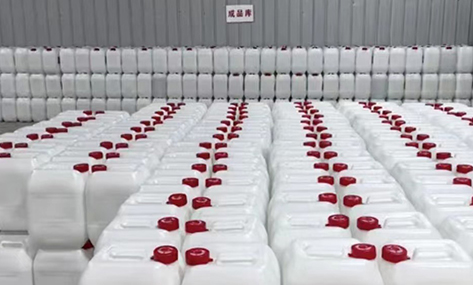
Options include 10–80% food-dilutions, color ≤10 APHA, aldehydes tightened for sensitive beverages, and labels in EN/ES/AR upon request. Store sealed, cool, and ventilated. Stainless steel (316) tanks recommended; avoid reactive metals. Service life: typically 24 months, but use earlier once opened.
Case study (condensed)
A regional beverage plant switched to glacial acetic acid for sale from the Hebei site for a cola line. Result: pH drift narrowed from ±0.08 to ±0.03, aldehyde notes dropped (sensory panel, n=12), and COA-to-batch match rate improved. Cost per 1,000 L syrup fell ≈3.1% by standardizing one acidulant instead of two. Not flashy—just practical.
Compliance notes
Food additive E260; conforms to FCC and EU specs where declared; in China, follow GB 2760 for use levels and GB 1886.10 for purity. In the U.S., acetic acid is affirmed as GRAS for listed uses. Always verify labels and local regs. For buyers searching glacial acetic acid for sale, ask for the latest COA and a full allergen/GMO statement—saves time later.
Authoritative citations
- FDA, 21 CFR §184.1005 Acetic acid (GRAS).
- EU Commission Regulation (EU) No 231/2012 — E260 purity criteria.
- Food Chemicals Codex (FCC), Acetic Acid monograph.
- GB 1886.10-2015 Food additive—Acetic acid; GB 2760 Food safety standards for use of additives.
-
Industrial Applications and Properties of 75 acetic acid Solution
NewsApr.16,2026
-
Properties and Industrial Applications of 64 19 7 acetic acid
NewsApr.09,2026
-
Comprehensive Guide to 56 Acetic Acid Applications and Reliable Sourcing
NewsApr.07,2026
-
Comprehensive Guide to 5 Glacial Acetic Acid for International Trade and Industrial Applications
NewsApr.04,2026
-
Exploring 100 Acetic Acid Properties Applications and Reliable Sourcing
NewsMar.31,2026
-
Comprehensive Guide to 10 Glacial Acetic Acid Properties and Applications
NewsMar.28,2026
 English
  Belarusian
  Dutch
Dutch  French
  German
  Hindi
Hindi  Indonesian
  Japanese
  Korean
  Lao
Lao  Malay
Malay  Mongolian
  Myanmar
  Polish
  Portuguese
  Russian
  Spanish
  Tagalog
  Thai
Thai  Vietnamese