
Jan . 05, 2026 14:41 Back to list
Glacial Acetic Acid Uses In Food – High Purity Solutions for Food Industry Applications
Glacial Acetic Acid Uses In Food is a key solution in the industry, specifically within food processing, preserving, and flavoring. This article explores how https://www.ysxlglacialaceticacid.com supports professionals with durable, high-performance products, and explains why this product is an ideal choice for businesses in these sectors.
Table of Contents
- Glacial Acetic Acid Uses In Food Overview
- Benefits & Use Cases of Glacial Acetic Acid Uses In Food
- Cost, Maintenance & User Experience
- Sustainability & Market Trends
Glacial Acetic Acid Uses In Food Overview
Glacial Acetic Acid (GAA) is essentially the pure, concentrated form of acetic acid, boasting a minimum of 99.5% purity. In real terms, it’s a versatile acidulant widely embraced throughout the food industry. Oddly enough, despite its pungent vinegar-like smell, GAA plays a crucial role in many food manufacturing processes. From pickling cucumbers to adjusting pH levels in sauces, it's found a niche that keeps professionals coming back for reliable consistency.
Technically, glacial acetic acid is rigorously tested to meet food-grade standards, ensuring it is free from contaminants. For example, YSXL Chemical’s product, highlighted on their product page, comes with certifications that comply with FDA and EU food safety regulations, which kind of takes the guesswork out for B2B decision makers. Many food processors appreciate this aspect, knowing they're integrating a substance that meets tough scrutiny.
| Specification | Details |
|---|---|
| Purity | ≥ 99.5% |
| Appearance | Colorless liquid |
| Food-grade Certification | FDA, EU Compliance |
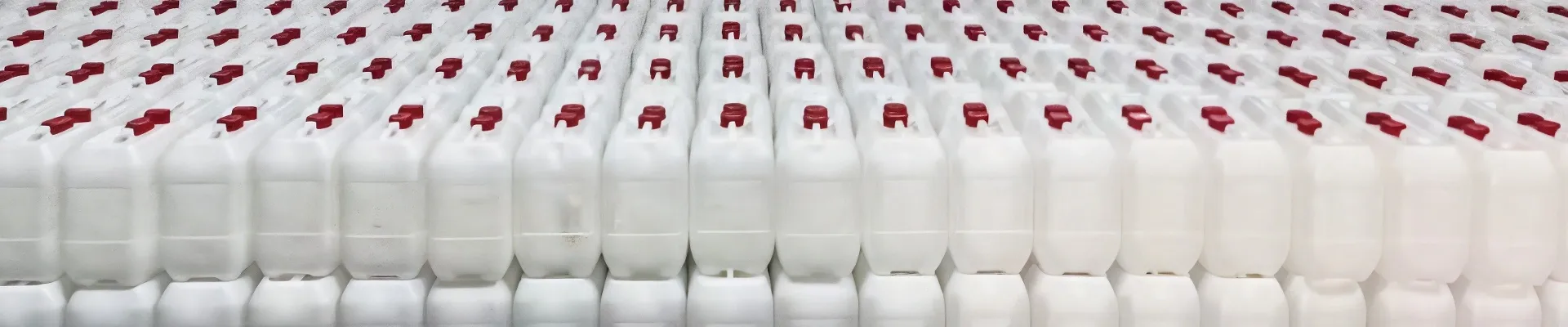
| Packaging | Drums (30kg, 200kg), ISO Tank |
Benefits & Use Cases of Glacial Acetic Acid Uses In Food
If you're pondering why so many food sector professionals swear by glacial acetic acid, it's because of its multi-functional nature. First off, it’s used as a preservative—think pickled vegetables, salad dressings, and condiments—helping extend shelf life by preventing microbial growth. Its acidity regulates pH levels, which in turn affects taste, texture, and even microbial stability.
What I noticed when reviewing applications is that GAA is also prized for its flavor-enhancing properties: a subtle tanginess that can't be replicated by synthetic acids. A competitive edge here is its purity and compliance, making it suitable for organic and “clean label” products, which is increasingly important in the modern marketplace. Plus, because of its concentrated form, it reduces shipping volume and storage challenges — a small win with big logistics impact.
Cost, Maintenance & User Experience
When it comes to cost-effectiveness, glacial acetic acid is often more economical than less concentrated alternatives. It means businesses can achieve desired acidity levels with less volume — beneficial when you’re watching both budget and warehouse space. Durability, here, translates to chemical stability during transport and storage, which lowers waste and negates frequent replenishments.
Feedback from food industry buyers highlights the reliability of suppliers like YSXL Chemical. Customers often praise prompt delivery schedules and clarity in documentation, which simplifies compliance auditing. Oddly enough, many mention that working with a supplier who is transparent about batch testing instills confidence — something not always guaranteed in chemical sourcing. That peace of mind is crucial when food safety is on the line.
Sustainability & Market Trends
Sustainability in food chemicals is gaining traction, and glacial acetic acid isn’t left behind. Manufacturers are increasingly looking for suppliers that integrate eco-friendly practices, including optimizing production efficiency, reducing waste, and minimizing carbon emissions. China-based producers, notably YSXL, are making strides in this area, balancing cost with greener methods, which is sort of a nod to market demand and regulatory pressures.
Market trends point toward more natural and organic food products, which aligns well with the use of naturally derived acetic acid over synthetic alternatives. This shift is expected to drive steady demand growth for glacial acetic acid in food across Asia, Europe, and North America. Moreover, evolving food safety regulations continue to raise the quality bar, prompting suppliers to invest more in quality assurance and traceability.
| Vendor | Purity (%) | Certification | Packaging Options | Pricing |
|---|---|---|---|---|
| YSXL Chemical | ≥ 99.5 | FDA, EU Food Grade | Drums, ISO tank | Competitive |
| Competitor A | 99.0 | FDA Approved | Drums only | Moderate |
| Competitor B | 98.5 | No Food Cert. | Bags, Drums | Low |
Frequently Asked Questions about Glacial Acetic Acid Uses In Food
- What is Glacial Acetic Acid Uses In Food and how does it work?
- Glacial Acetic Acid is a highly concentrated form of acetic acid used mainly in food as an acidulant and preservative. It works by lowering the pH of food products, which inhibits bacteria growth and enhances shelf life while imparting a characteristic tangy flavor.
- What are the main benefits of using Glacial Acetic Acid Uses In Food in industrial applications?
- Key benefits include high purity leading to reliable performance, cost-effectiveness due to concentration, ability to maintain food safety standards, and versatile uses across preserving, flavoring, and pH regulation.
- How does Glacial Acetic Acid Uses In Food compare to traditional alternatives?
- Unlike diluted acetic acid or synthetic preservatives, glacial acetic acid offers higher efficiency with less volume, cleaner labeling possibilities, and often superior regulatory certifications, making it more attractive for modern food producers.
- What industries can benefit most from Glacial Acetic Acid Uses In Food implementation?
- The primary sectors include pickling, condiments manufacturing, sauces, dairy products, and beverages. Many processors also use it in organic and clean-label food lines, where natural acidity and clear ingredient lists are crucial.
Conclusion on Glacial Acetic Acid Uses In Food from china
In summary, glacial acetic acid remains a foundational ingredient for food industry professionals seeking reliable, high-purity acidulants that enhance flavor, preserve freshness, and comply with stringent food safety standards. Meanwhile, suppliers like YSXL Chemical ensure traceability, certification, and cost efficiency — a combination that frankly feels like the right fit in a competitive market.
- Glacial Acetic Acid provides multi-sector usability, from preservation to flavor enhancement.
- Visit our website: https://www.ysxlglacialaceticacid.com
In closing, the evolving demands of food safety, sustainability, and clean labels keep the role of glacial acetic acid more relevant than ever. For any decision maker weighing options, exploring trusted suppliers with robust certifications remains a top priority.
References:
1. FDA Food Additives Status List, Food and Drug Administration (FDA).
2. EFSA Journal on Food Additives and Flavourings, European Food Safety Authority.
3. Market Trends in Food Acidity Regulators, Food Processing Technology Report 2023.
-
Industrial Applications and Properties of 75 acetic acid Solution
NewsApr.16,2026
-
Properties and Industrial Applications of 64 19 7 acetic acid
NewsApr.09,2026
-
Comprehensive Guide to 56 Acetic Acid Applications and Reliable Sourcing
NewsApr.07,2026
-
Comprehensive Guide to 5 Glacial Acetic Acid for International Trade and Industrial Applications
NewsApr.04,2026
-
Exploring 100 Acetic Acid Properties Applications and Reliable Sourcing
NewsMar.31,2026
-
Comprehensive Guide to 10 Glacial Acetic Acid Properties and Applications
NewsMar.28,2026
 English
  Belarusian
  Dutch
Dutch  French
  German
  Hindi
Hindi  Indonesian
  Japanese
  Korean
  Lao
Lao  Malay
Malay  Mongolian
  Myanmar
  Polish
  Portuguese
  Russian
  Spanish
  Tagalog
  Thai
Thai  Vietnamese