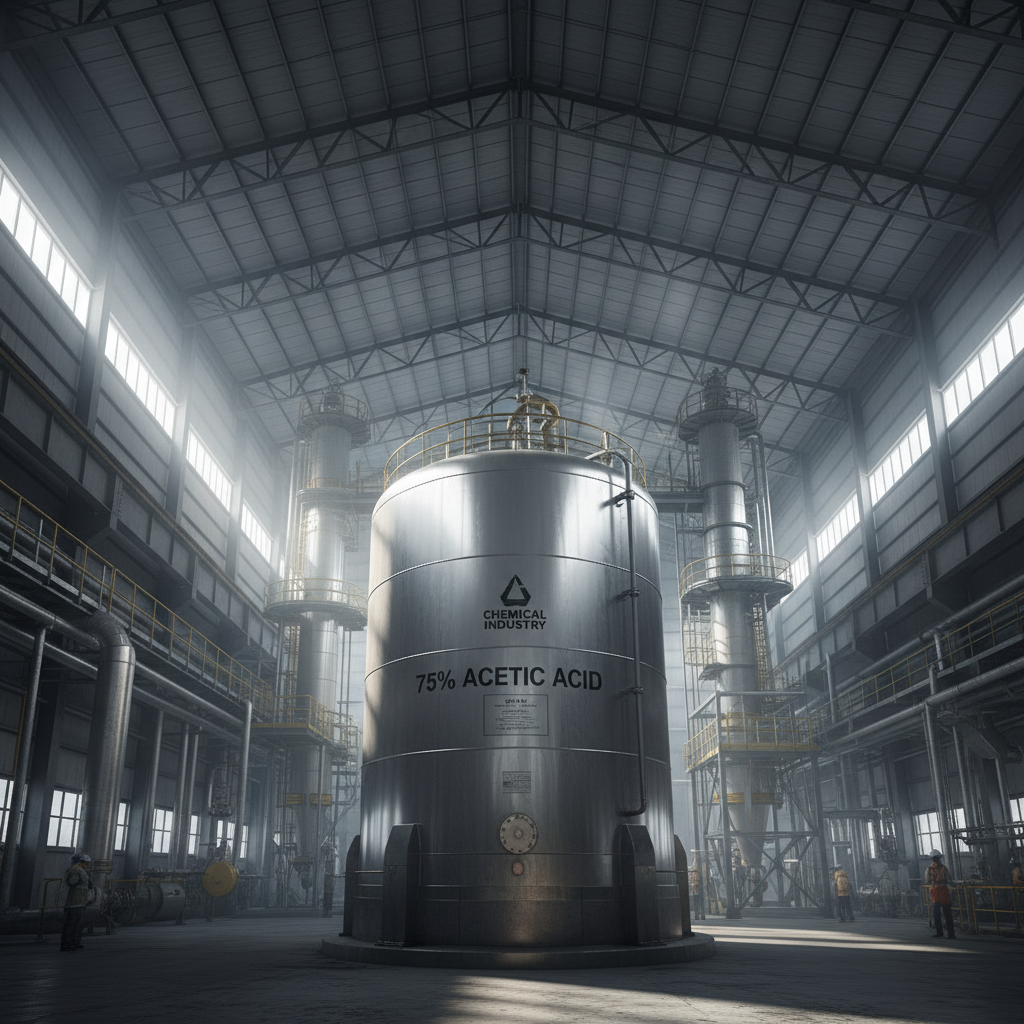
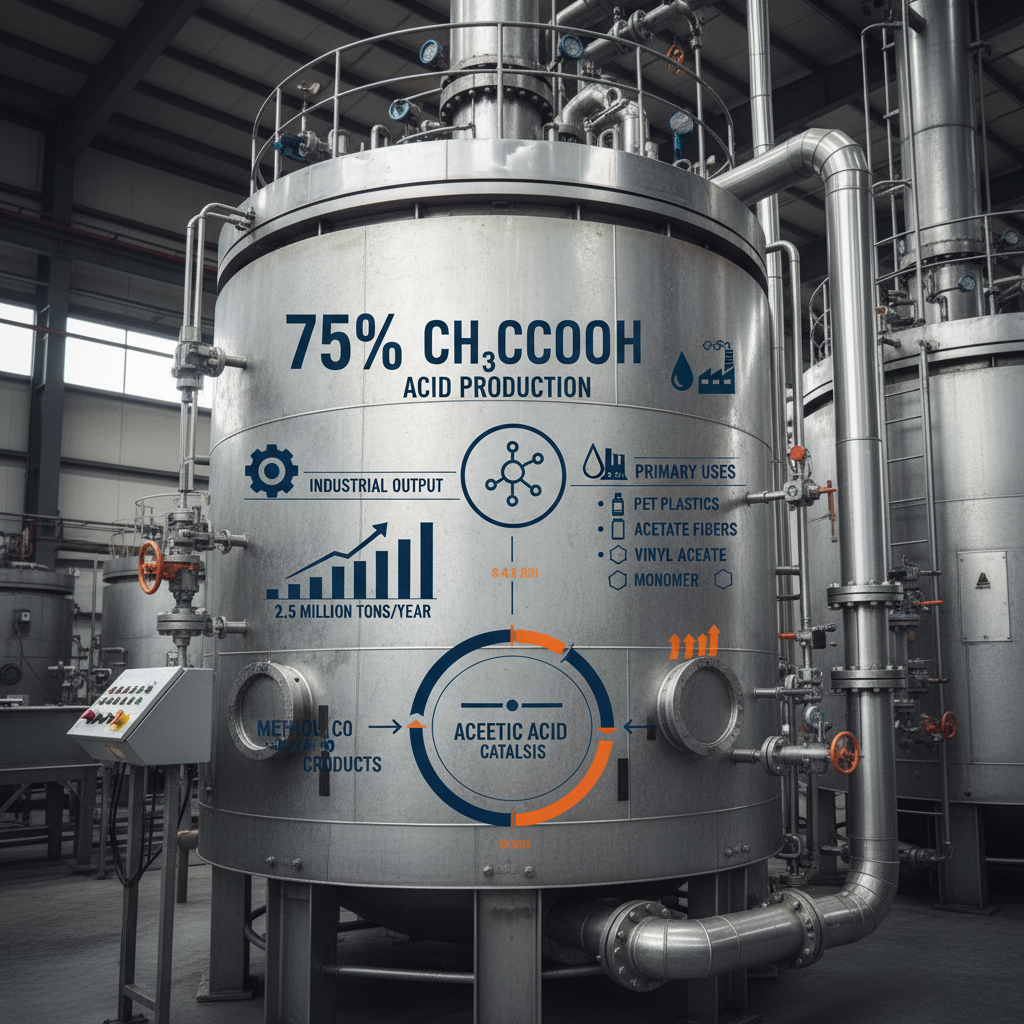
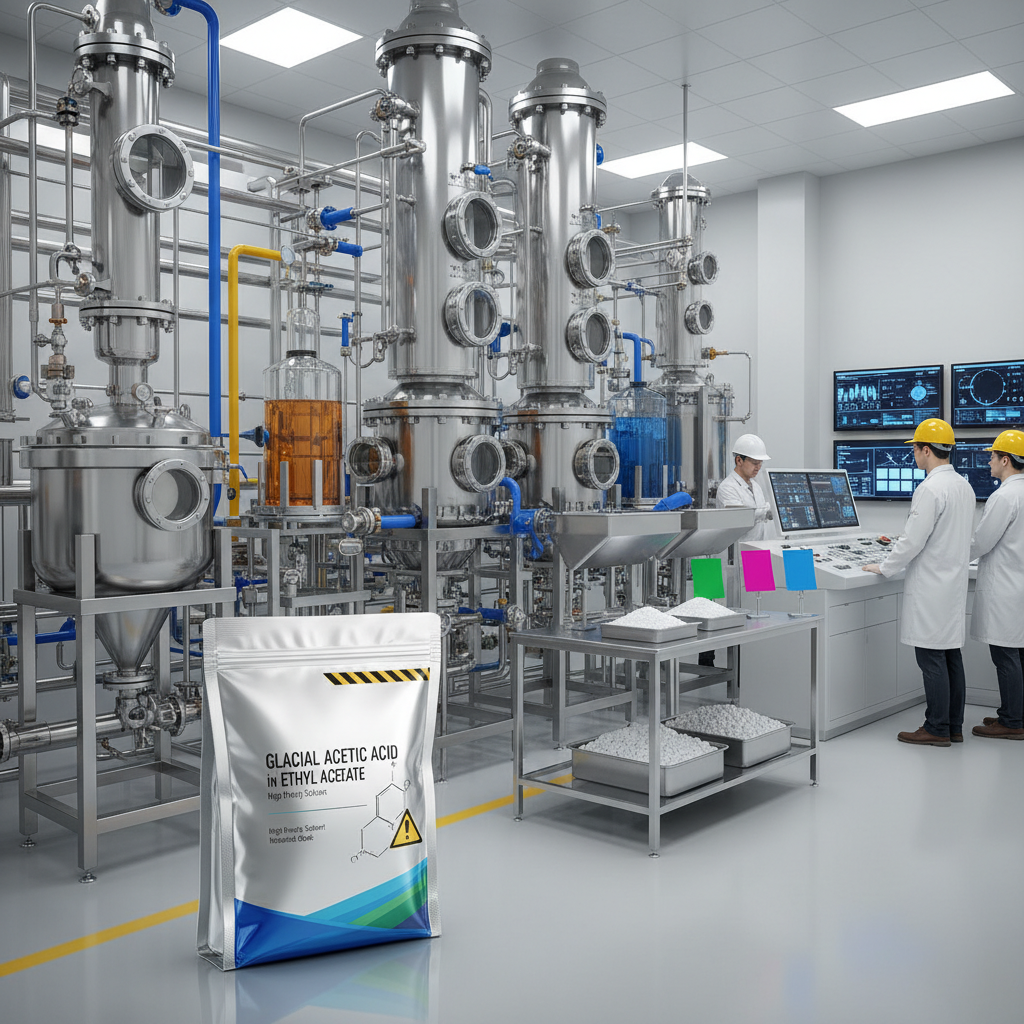
75 acetic acid, also known as glacial acetic acid, is a colorless liquid with a characteristic pungent odor. It's a crucial chemical compound used extensively across diverse industries, from the production of vinyl acetate monomer (VAM) – a key component in paints, adhesives, and textiles – to serving as a solvent in various chemical processes. The global demand for 75 acetic acid is steadily increasing, driven by economic growth in emerging markets and the expanding applications of its derivatives.
The significance of 75 acetic acid stems from its role as a fundamental building block in numerous chemical syntheses. Beyond VAM, it’s critical in the manufacture of cellulose acetate, used in cigarette filters and photographic film, and acetic anhydride, vital in pharmaceutical production and the creation of aspirin. Understanding the production, handling, and applications of 75 acetic acid is paramount for chemical engineers, industrial chemists, and professionals involved in supply chain management.
The benefits of understanding 75 acetic acid extend beyond its industrial importance. Its properties – high solvency, acidity, and reactivity – make it valuable in analytical chemistry, food preservation (as vinegar), and even medical applications. Responsible sourcing, efficient production processes, and adherence to safety regulations are key to maximizing the benefits and minimizing the potential risks associated with this versatile chemical.
Introduction to 75 Acetic Acid
75 acetic acid is a concentrated solution of acetic acid, typically containing 75% acetic acid by weight and the remaining 25% being water. This high concentration makes it particularly useful in industrial applications where a strong acidic environment is required. The production of 75 acetic acid is often tied to methanol carbonylation, a process pioneered by Monsanto and later refined by BP Chemicals.
Understanding the properties of 75 acetic acid, including its flash point, corrosivity, and reactivity, is essential for safe handling and storage. Proper personal protective equipment (PPE) and well-ventilated working environments are crucial to prevent exposure and ensure worker safety. The quality and purity of 75 acetic acid directly influence the efficiency and yield of subsequent chemical processes.
Global Relevance of 75 Acetic Acid
The global market for acetic acid, and consequently 75 acetic acid, is substantial and growing. According to recent market reports, the global acetic acid market was valued at over $16 billion in 2023 and is projected to reach over $20 billion by 2028, exhibiting a CAGR of approximately 4.5%. This growth is primarily driven by the rising demand from the VAM, purified terephthalic acid (PTA), and cellulose acetate industries.
Asia-Pacific is currently the largest consumer and producer of acetic acid, with China leading the way. Increasing industrialization and infrastructure development in countries like India, Vietnam, and Indonesia are further contributing to the region’s demand. North America and Europe represent significant markets as well, primarily driven by the pharmaceutical and food industries. The UN Comtrade database shows consistent trade flows of 75 acetic acid between major manufacturing hubs and consumer regions.
A challenge facing the industry is the volatility of raw material prices, particularly methanol. Fluctuations in crude oil prices directly impact methanol costs, influencing the overall production cost of 75 acetic acid. Furthermore, stringent environmental regulations regarding emissions and waste disposal are pushing manufacturers to adopt more sustainable production technologies.
Defining 75 Acetic Acid
75 acetic acid is an aqueous solution containing 75% acetic acid (CH3COOH) by weight. It’s referred to as 'glacial' due to its ability to freeze at relatively low temperatures. In its pure form, acetic acid is a crystalline solid with an intensely sour odor, but it’s typically handled as a liquid solution to simplify storage and handling. 75 acetic acid is not merely a laboratory reagent; it’s a foundational chemical impacting numerous consumer products.
The connection to modern industry is profound. As a precursor to VAM, it’s integral in the production of adhesives used in packaging, furniture, and construction. Its role in creating cellulose acetate makes it vital in the textile industry and the manufacture of cigarette filters. In pharmaceuticals, it acts as a solvent and reagent in the synthesis of various drugs, including aspirin and other common medications.
Beyond its industrial applications, 75 acetic acid’s diluted form (vinegar) has been used for centuries in food preservation and culinary practices, demonstrating its long-standing relevance to human needs. Today, its applications continue to evolve with ongoing research into its potential use in biodegradable plastics and sustainable materials.
Key Factors of 75 Acetic Acid Quality
The quality of 75 acetic acid is critical for ensuring the success of downstream chemical processes. Several key factors influence its suitability for various applications. Purity is paramount, with the absence of contaminants like formic acid, methanol, and heavy metals being essential.
Color is another crucial indicator of quality. High-quality 75 acetic acid should be colorless and clear. The presence of color can indicate degradation or contamination. Acidity, measured as a percentage of acetic acid, must meet specified standards to guarantee consistent reaction kinetics and yields.
75 Acetic Acid Quality Parameters
Applications of 75 Acetic Acid Worldwide
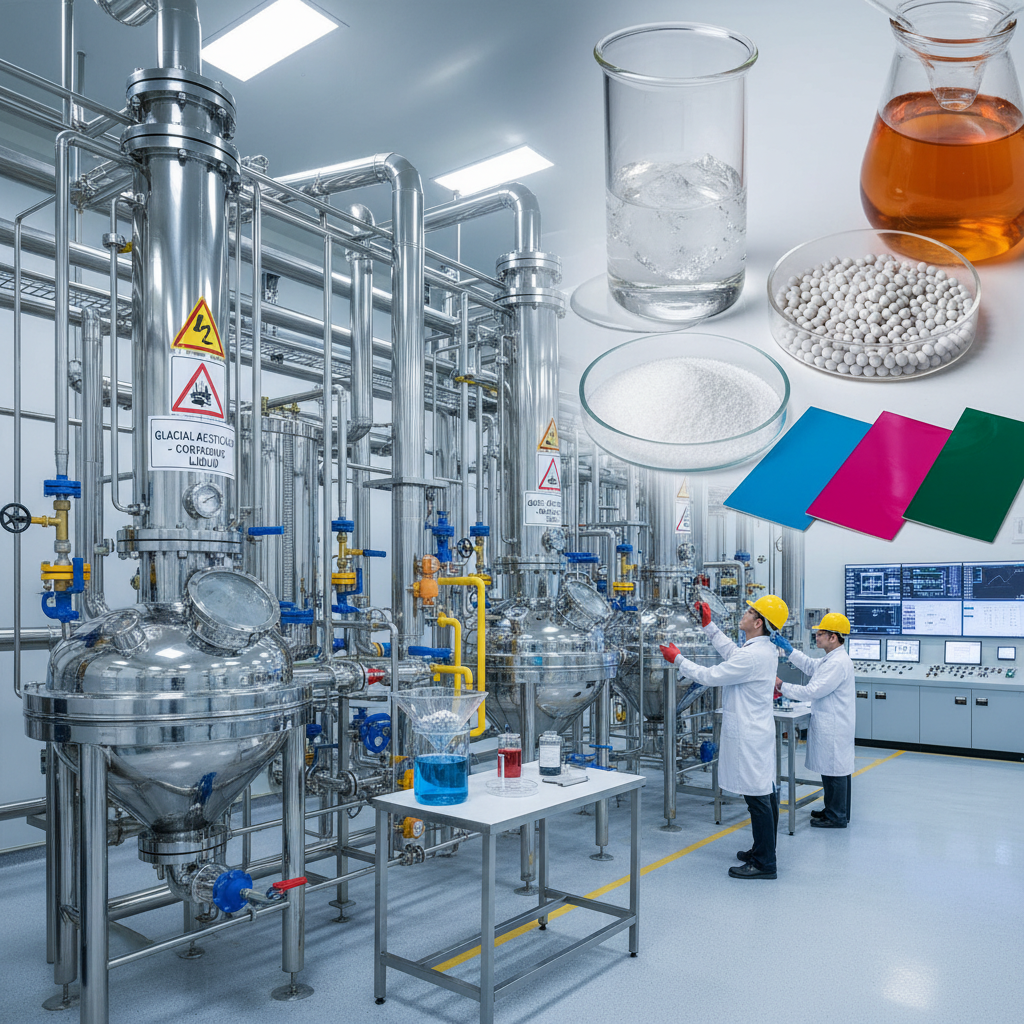
75 acetic acid finds extensive use in the production of vinyl acetate monomer (VAM), a vital ingredient in paints, adhesives, textiles, and coatings. The construction industry is a major consumer of VAM-based adhesives, making 75 acetic acid indirectly crucial to building and infrastructure projects globally.
In the pharmaceutical industry, 75 acetic acid serves as a solvent and reagent in the synthesis of various drugs, including aspirin, acetaminophen, and antibiotics. Strict quality control is paramount in this sector, demanding high-purity 75 acetic acid. The food and beverage industry utilizes diluted acetic acid (vinegar) for preservation, flavoring, and pickling, maintaining a consistent demand for the base chemical.
Advantages of Using 75 Acetic Acid
Employing 75 acetic acid over weaker concentrations or alternative chemicals offers several advantages. The higher concentration reduces transportation costs per unit of acetic acid, streamlining logistics and lowering overall expenses.
Its strong acidity enhances reaction rates in various chemical processes, leading to increased production efficiency and throughput. Furthermore, the reduced water content minimizes the formation of unwanted byproducts, resulting in higher product purity and yield. Compared to other strong acids, acetic acid presents a relatively lower corrosion risk to certain materials, reducing maintenance and equipment replacement costs.
Future Trends in 75 Acetic Acid Production
The future of 75 acetic acid production is heavily influenced by sustainability concerns and technological advancements. There is growing interest in bio-based acetic acid production, utilizing renewable feedstocks like biomass and agricultural waste instead of fossil fuels. This aligns with the global push towards a circular economy and reduced carbon footprint.
Catalyst innovation is also a key area of development. Researchers are actively exploring new catalysts that enhance reaction efficiency, reduce energy consumption, and minimize byproduct formation. Digitalization and automation are being implemented in production facilities to optimize process control, improve product quality, and reduce operational costs.
Overview of Key Factors Influencing 75 Acetic Acid Market Dynamics
| Feedstock Availability |
Technological Advancements |
Regulatory Landscape |
Demand from End-Use Industries |
| Methanol supply and pricing directly influence production costs. |
New catalysts enhance efficiency and reduce waste. |
Environmental regulations drive sustainable production practices. |
Growth in VAM, PTA, and pharmaceutical sectors boosts demand. |
| Bio-based methanol offers a sustainable alternative. |
Digitalization optimizes process control and quality. |
Stricter emission standards promote cleaner technologies. |
Expanding applications in emerging economies increase consumption. |
| Geopolitical factors can disrupt feedstock supply chains. |
Automation reduces operational costs and improves safety. |
Compliance with safety regulations is crucial for market access. |
Demand for biodegradable plastics creates new opportunities. |
| Long-term contracts secure feedstock supply and price stability. |
Process intensification improves efficiency and reduces footprint. |
Carbon pricing policies incentivize low-carbon production. |
Increasing demand for high-performance coatings drives VAM consumption. |
| Diversification of feedstock sources enhances supply resilience. |
Artificial intelligence optimizes reaction conditions and yields. |
International trade agreements influence market dynamics. |
Rising healthcare expenditure fuels pharmaceutical demand. |
| Government incentives support bio-based chemical production. |
Real-time monitoring systems enhance process control and safety. |
Waste management regulations promote circular economy principles. |
Growth in the automotive industry drives demand for adhesives and coatings. |
FAQS
Handling 75 acetic acid requires strict adherence to safety protocols due to its corrosive nature. Always wear appropriate personal protective equipment (PPE), including chemical-resistant gloves, safety goggles, and a lab coat. Work in a well-ventilated area to avoid inhaling vapors. In case of skin contact, immediately flush with copious amounts of water. Avoid contact with incompatible materials such as strong oxidizers and bases. Refer to the Safety Data Sheet (SDS) for detailed safety information.
The purity of 75 acetic acid is critical for numerous applications. Impurities can interfere with chemical reactions, reduce product yields, and compromise the quality of the final product. In pharmaceutical applications, even trace amounts of contaminants can render a batch unusable. High-purity 75 acetic acid ensures consistent and reliable results in sensitive processes like drug synthesis and analytical chemistry.
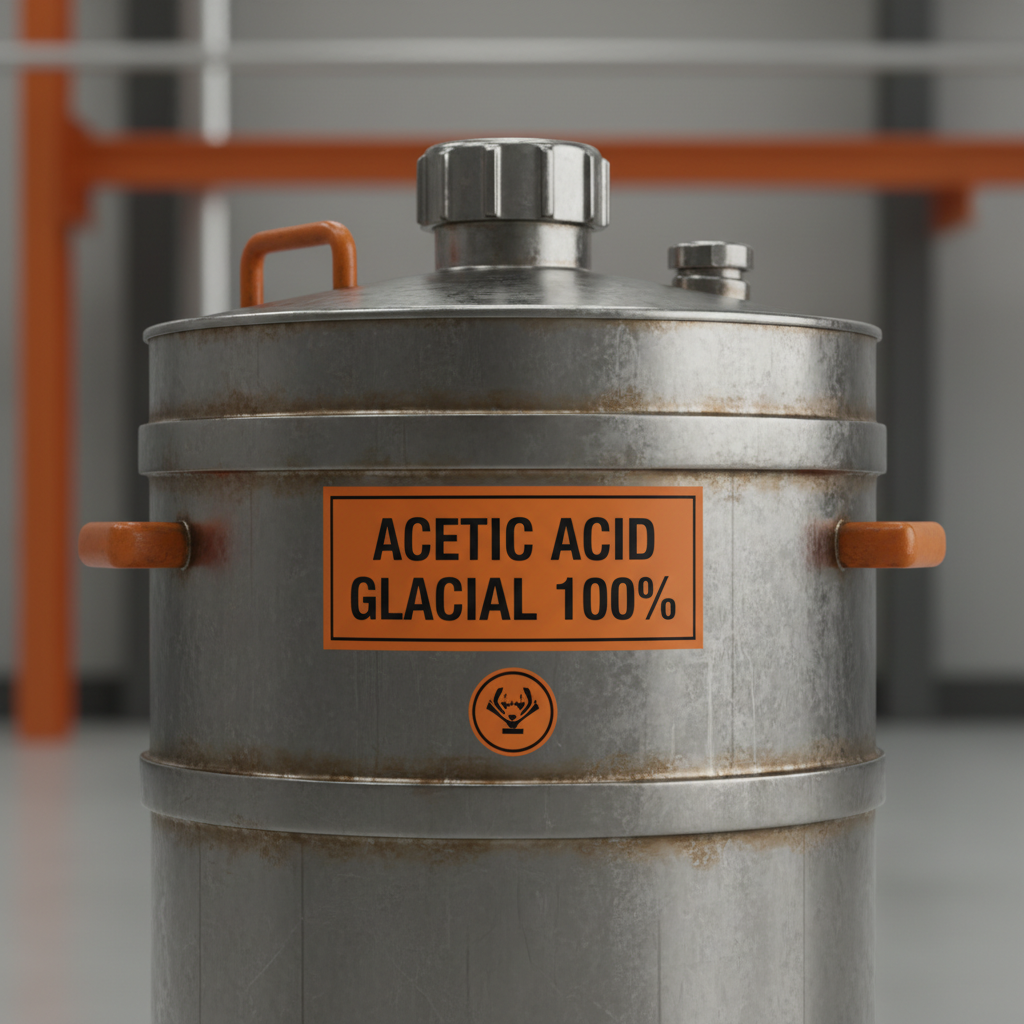
75 acetic acid has a relatively long shelf life if stored correctly. It’s hygroscopic, meaning it readily absorbs moisture from the air, which can dilute its concentration. Store it in tightly sealed containers, preferably glass or stainless steel, in a cool, dry, and well-ventilated area away from direct sunlight and incompatible materials. Proper storage helps maintain its purity and prevents degradation over time.
The production of 75 acetic acid can generate waste streams that require careful management. Effluent treatment is essential to remove residual acetic acid and other contaminants before discharge. The use of sustainable feedstocks and energy-efficient production processes can minimize the environmental impact. Proper disposal of waste 75 acetic acid should adhere to local regulations and may involve neutralization or incineration.
The cost of 75 acetic acid is competitive with other common industrial solvents. However, pricing is influenced by factors such as methanol prices, production capacity, and regional demand. While some alternative solvents might be cheaper upfront, 75 acetic acid’s versatility and effectiveness in a wide range of applications often make it a cost-effective choice in the long run, considering factors like reaction efficiency and product quality.
Several emerging technologies are focused on enhancing the sustainability of 75 acetic acid production. Bio-based production routes using renewable feedstocks like biomass are gaining traction. Researchers are also exploring novel catalytic systems that reduce energy consumption and minimize waste generation. Carbon capture and utilization (CCU) technologies are being investigated to convert CO2 into acetic acid, offering a potential pathway for carbon neutrality.
Conclusion
In conclusion, 75 acetic acid remains a critically important chemical compound underpinning a vast array of industrial processes and consumer products. From its role as a building block for VAM and cellulose acetate to its applications in pharmaceuticals and food preservation, its versatility and unique properties are indispensable. Understanding the key factors influencing its quality, the challenges in production, and the emerging trends driving sustainability are essential for professionals across various sectors.
Looking ahead, the focus on bio-based production, catalyst innovation, and digitalization will shape the future of 75 acetic acid. Continued research and development will unlock new applications and further enhance its sustainability profile. To learn more about 75 acetic acid, its applications, and our commitment to quality, visit our website at www.ysxlglacialaceticacid.com.


 English
  Belarusian
  Dutch
Dutch  French
  German
  Hindi
Hindi  Indonesian
  Japanese
  Korean
  Lao
Lao  Malay
Malay  Mongolian
  Myanmar
  Polish
  Portuguese
  Russian
  Spanish
  Tagalog
  Thai
Thai  Vietnamese