
Nov . 29, 2025 03:20 Back to list
Comprehensive Guide to 100 Acetic Acid – Properties, Uses & Vendors
Understanding 100 Acetic Acid: Why It Matters More Than You Think
Acetic acid, especially in its pure form often referred to as 100 acetic acid, plays a surprisingly pivotal role in many industries worldwide. You might have heard of vinegar, which contains acetic acid but at a diluted concentration. However, when concentrated to nearly 100%, acetic acid becomes a powerful chemical with numerous applications ranging from manufacturing to humanitarian aid. Understanding this substance unlocks the potential of sustainable industrial processes, food preservation, and even medical uses that affect billions globally.
The Global Context: Why 100 Acetic Acid Is a Game-Changer
Globally, demand for industrial-grade chemicals like 100 acetic acid is soaring — it’s estimated that over 6 million metric tons are produced annually worldwide (source: Wikipedia). As industries pivot towards greener alternatives, acetic acid, with its biodegradable nature, fits perfectly into this transition. It’s not just used in factories but also in emergency relief work where sterilization and food safety become crucial. Oddly enough, while the chemical looks simple on the surface, the challenge lies in safely producing, transporting, and storing something so corrosive yet so necessary.
One major hurdle has been how to maintain purity without huge energy costs, especially in developing regions where industries are scaling up. The rise of 100 acetic acid as a critical raw material promises to change this narrative — making advanced chemical processes more accessible worldwide.
What Exactly Is 100 Acetic Acid?
In layman's terms, 100 acetic acid is just acetic acid at or near 99.85% purity. It’s a colorless liquid with a distinctly pungent smell and high acidity, making it highly reactive and incredibly useful. Unlike the vinegar familiar to most kitchens, 100 acetic acid doesn't have water diluting it — this concentrated form is often called "glacial acetic acid" because it freezes just below room temperature, forming ice-like crystals.
Its pure form is invaluable in chemical synthesis, pharmaceuticals, and food additives, acting as a fundamental building block in modern manufacturing. From a humanitarian perspective, its antiseptic properties become a boon in post-disaster situations, helping sterilize equipment or purify water when nothing else is available.
Breaking Down the Core Aspects of 100 Acetic Acid
Purity and Concentration
The tight control of purity at 99.85% or higher is critical. Even slight contamination reduces its chemical reactivity, which in turn restricts industrial applications. The "glacial" nature demands precise temperature management — too warm, and it’s liquid; too cold, it crystallizes.
Storage and Safety
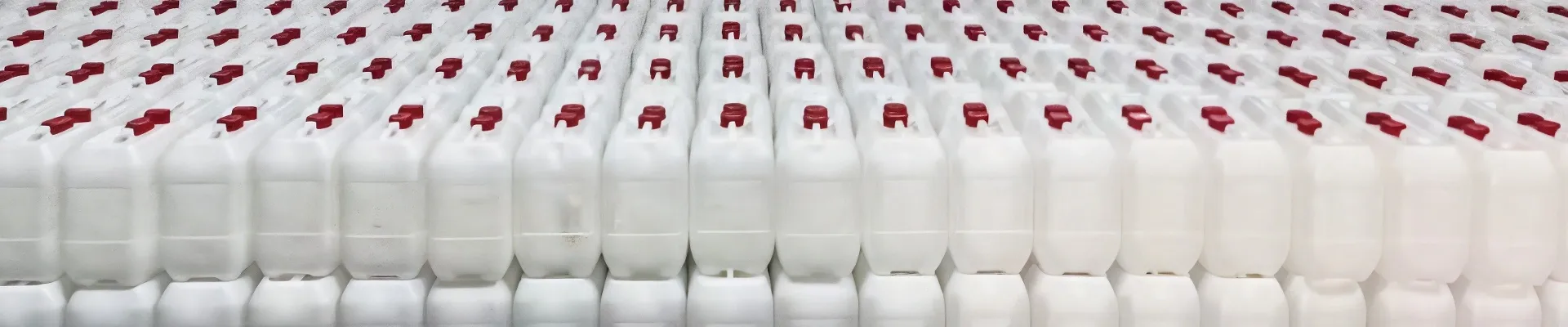
This is no beverage — 100 acetic acid is highly corrosive. Handling requires specialized containers like stainless steel or certain plastics resistant to acid erosion. Safety protocols for workers, including protective clothing and ventilation, can't be overstated here.
Cost Efficiency
Since it's energy-intensive to distil and purify, cost is a key factor. But as production methods get smarter and greener, many analysts expect prices to stabilize, making it more available for small and mid-sized enterprises.
Versatility in Industry
Because of its strong acidity and chemical properties, 100 acetic acid is used from producing synthetic fibers to manufacturing inks and dyes. This versatility positions it as a backbone chemical in the modern economy.
Environmental Impact
Unlike petrochemical derivatives, it biodegrades naturally, reducing long-term environmental hazards. Innovative projects are now using it in bio-based plastics, prompting sustainability fans to raise an eyebrow in approval.
Typical Specifications of 100 Acetic Acid
| Property | Specification |
|---|---|
| Purity | ≥ 99.85% |
| Appearance | Colorless liquid or ice-like crystals |
| Density (20°C) | 1.049 g/cm³ |
| Boiling Point | 118°C |
| Freezing Point | 16.7°C |
| Specific Gravity | 1.05 |
Mini takeaway: The physical and chemical specifications of 100 acetic acid dictate how it’s handled across industries, with safety and purity top concerns.
Global Applications and Use Cases
From the chemical manufacturing hubs of China and India to food preservation sectors in Europe and the Americas, 100 acetic acid is everywhere. In textile factories, it’s critical for dyeing and finishing fabrics to meet quality standards. In the pharmaceutical arena, it acts as a reagent in synthesizing aspirin and other medicines. Oddly enough, in disaster relief zones—think typhoons in Southeast Asia or earthquakes in South America—portable sterilization kits rely on acetic acid’s bactericidal qualities to help curb infection spread.
One recent case in the Philippines involved using 100 acetic acid in makeshift field hospitals to sanitize tools, offering a cost-effective alternative where electricity was erratic.
Vendor Comparison: Key Suppliers of 100 Acetic Acid
| Vendor | Purity (%) | Packaging | Lead Time | Typical Price (USD/ton) |
|---|---|---|---|---|
| Acme Chemicals Ltd. | 99.9 | IBC, Drums | 2 weeks | 1,200 |
| GlobalChem Supplies | 99.85 | Drums, Bulk Tankers | 3-4 weeks | 1,150 |
| EastCo Industrial Chemicals | >99.9 | IBC, Bulk | 1 week | 1,300 |
Mini takeaway: Choosing the right supplier depends on purity, delivery speed, and packaging preferences — factors that can affect production schedules.
The Advantages of Using 100 Acetic Acid
- Cost-effective raw material: Despite purification demands, it remains competitively priced versus alternatives.
- Environmental sustainability: It’s biodegradable, reducing industrial pollution risk.
- Safety and reliability: Properly handled, it enables safer manufacturing and sterilization processes.
- Multi-sector trust: From pharma to food, its consistency earns operator confidence.
What do all these add up to? A chemical whose impact isn’t just financial but also social — ensuring cleaner production, safer products, and a healthier planet in the long run.
Looking Ahead: Innovations Around 100 Acetic Acid
Future trends hint at greener producing techniques, like bio-fermentation approaches that reduce fossil fuel dependence. Automation in monitoring purity during transit is becoming standard to minimize quality loss — a breakthrough for remote industrial sites. Meanwhile, policy-driven pushes by organizations like ISO aim to standardize usage norms globally, making international trade and compliance simpler.
Challenges in Using 100 Acetic Acid and How to Overcome Them
Handling corrosive chemicals is never straightforward. One big issue is storage — improper containment can cause leaks or accidents. Then there’s the energy cost of distillation. But advances in membrane technology and energy recovery systems are helping reduce consumption. Training and awareness are key, so many vendors and buyers now invest in safety workshops and digital tracking systems to monitor shipments in real-time.
FAQ: Common Questions About 100 Acetic Acid
- Is 100 acetic acid safe to handle without special equipment?
- No, it’s a highly corrosive chemical that requires protective gear, including gloves, goggles, and proper ventilation to prevent harmful exposure.
- How long can 100 acetic acid be stored without degrading?
- If stored correctly in corrosion-resistant containers, it remains stable indefinitely — but exposure to moisture or contaminants can degrade purity over time.
- Can 100 acetic acid be used directly for food preservation?
- Only in diluted forms; pure acetic acid is too strong and corrosive for direct food use but is essential as an intermediate in food-grade acid production.
- Where can I buy quality 100 acetic acid for industrial use?
- Reputable chemical suppliers such as Acme Chemicals Ltd., GlobalChem Supplies, and EastCo Industrial Chemicals offer certified products. Visit their websites or contact sales representatives for bulk orders.
Wrapping It Up: Why 100 Acetic Acid Should Be On Your Radar
In the end, 100 acetic acid is more than a pure chemical — it’s a cornerstone of modern industry and public health. Its evolving role, especially amid environmental and economic pressures, underscores its long-term value. For businesses and humanitarian actors, having a reliable supply is a must. Curious to learn more or source premium 100 acetic acid? You can always browse reputable offerings here. It might just be the ingredient your projects need.
References
-
Industrial Applications and Properties of 75 acetic acid Solution
NewsApr.16,2026
-
Properties and Industrial Applications of 64 19 7 acetic acid
NewsApr.09,2026
-
Comprehensive Guide to 56 Acetic Acid Applications and Reliable Sourcing
NewsApr.07,2026
-
Comprehensive Guide to 5 Glacial Acetic Acid for International Trade and Industrial Applications
NewsApr.04,2026
-
Exploring 100 Acetic Acid Properties Applications and Reliable Sourcing
NewsMar.31,2026
-
Comprehensive Guide to 10 Glacial Acetic Acid Properties and Applications
NewsMar.28,2026
 English
  Belarusian
  Dutch
Dutch  French
  German
  Hindi
Hindi  Indonesian
  Japanese
  Korean
  Lao
Lao  Malay
Malay  Mongolian
  Myanmar
  Polish
  Portuguese
  Russian
  Spanish
  Tagalog
  Thai
Thai  Vietnamese