
Dec . 01, 2025 18:05 Back to list
Understanding Glacial Acetic Acid Vinegar: Industrial Uses & Global Impact
The Unseen Power of Glacial Acetic Acid Vinegar in Industry and Beyond
Glacial acetic acid vinegar might sound like just another chemical on the vast industrial shelf, but scratch beneath the surface and you find a compound that’s crucial globally—whether in food production, pharmaceuticals, or environmental tech. Understanding what this seemingly simple acid vinegar is all about doesn’t just satisfy curiosity; it unlocks insights into safer manufacturing, sustainability efforts, and even humanitarian aid. Frankly, it’s one of those underappreciated heroes quietly shaping everyday life worldwide.
Why Glacial Acetic Acid Vinegar Matters on a Global Scale
To put it into perspective, the global market for acetic acid is expected to exceed 15 million tons by 2026, driven by sectors from textile manufacturing to chemical intermediates (source: ISO standards). Glacial acetic acid vinegar, its purest, water-free form, addresses a core need: providing consistent, concentrated acidity for diverse processes. Yet, the challenge remains — handling and transporting this corrosive liquid safely and sustainably. Industries across Asia, Europe, and the Americas wrestle with storage costs and regulatory hurdles, highlighting why smart applications of glacial acetic acid vinegar are vital.
What Exactly Is Glacial Acetic Acid Vinegar?
At its simplest, glacial acetic acid vinegar is basically pure acetic acid (about 99.5%), minus the water content that traditional vinegar carries. It earned the nickname “glacial” because it solidifies just below room temperature — think of it almost like a waxy crystal in cold storage. This concentrated form is crucial for modern industry, acting as a building block for synthesizing chemicals, preservatives, and solvents. And yes, it even sees use in humanitarian aid packaging where stable, long-lasting preservatives are needed for rations and medicines.
Key Characteristics of Glacial Acetic Acid Vinegar
- Purity & Concentration: Nearly 100% acetic acid, unlike typical household vinegar with ~5% acidity.
- Corrosivity: Its intense acidity demands careful handling and special containers.
- Volatility: Evaporates readily if exposed — proper sealing is essential.
- Freezing Point: Solidifies just under 17°C (62°F), requiring temperature-controlled transport in some regions.
In practice, these factors shape everything from chemical plant design to global supply chain logistics.
Mini takeaway:
Glacial acetic acid vinegar is much more than "vinegar." Understanding its properties explains why it's so indispensable yet carefully regulated worldwide.
Core Aspects that Define Its Practical Use
1. Purity and Quality Control
In industries like pharmaceuticals or food preservation, impurities can ruin entire batches or even risk safety. Manufacturers follow strict ISO 9001-compliant processes to maintain glacial acetic acid’s purity, ensuring it performs predictably.
2. Packaging and Storage
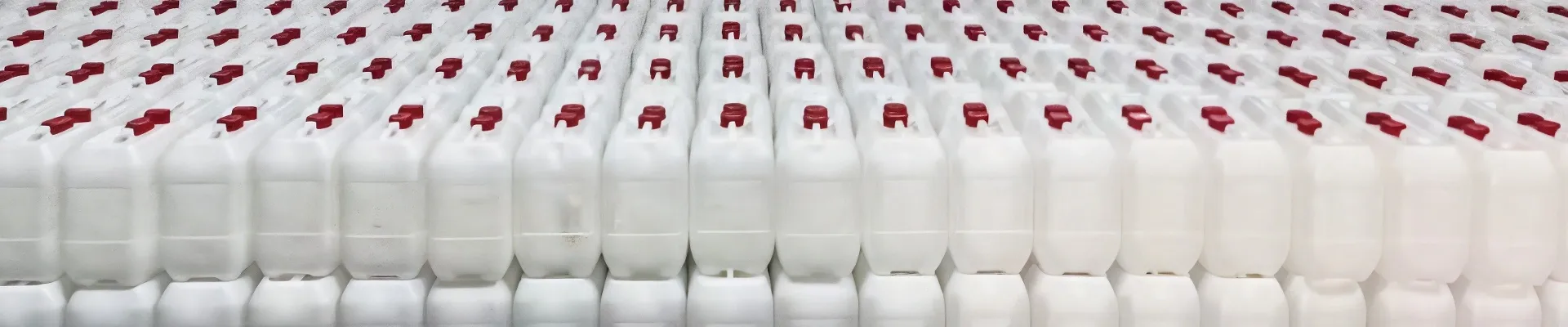
The corrosive nature means you can’t store this acid in just any container. High-density polyethylene (HDPE) and glass-lined steel tanks are common. Temperature control plays a part too, especially in colder climates where the acid will crystallize.
3. Environmental Considerations
Although biodegradable, spills require rapid containment. Advances in spill-proof packaging and safer transfer methods have helped reduce incidents, aligning with tighter global environmental policies.
4. Versatility in Manufacturing
From making solvents to producing acetate esters (key components for plastics and coatings), glacial acetic acid vinegar’s adaptability is unmatched.
5. Cost Efficiency and Supply Chain Considerations
Bulk suppliers focus on balancing transport efficiency with safety protocols—lighter packaging options and optimized shipment routes are a growing research area.
Mini takeaway:
The acid’s high purity and careful packaging contribute directly to its wide usage, but they also require investment and expertise from suppliers and users alike.
Global Applications & Real-World Use Cases
Oddly enough, glacial acetic acid vinegar isn't just a staple in big industrial plants. Look hard and you'll find its fingerprints in multiple sectors:
- Pharmaceuticals: Used as a reagent in mass production of medicines and antiseptics.
- Food Industry: As a preservative and flavoring agent in sauces and pickling solutions, especially where shelf life is critical.
- Textiles: Essential in dyeing and finishing processes.
- Environmental Tech: Applied in wastewater treatment to adjust pH levels precisely.
- Humanitarian Aid: In disaster zones, it preserves rationed foods and sterilizes medical equipment efficiently.
For example, in remote industrial zones of Southeast Asia, stable supplies of glacial acetic acid vinegar help ensure food safety during hot months, reducing spoilage losses drastically.
Mini takeaway:
This product touches many lives in ways you wouldn’t expect — from clean water efforts to the taste profiles of your favorite pickles.
Advantages & Long-Term Value of Glacial Acetic Acid Vinegar
So why has glacial acetic acid vinegar carved out such a niche? Aside from sheer functionality, several compelling benefits stand out:
- Cost-Effective Preservation: Extends shelf life without synthetic additives.
- Eco-Friendly: Biodegradable and breaks down naturally, causing less environmental harm.
- Reliability: Consistent purity guarantees predictable chemical reactions.
- Safety: While corrosive, modern packaging reduces worker exposure risk.
- Boosts Innovation: Enables advanced manufacturing methods particularly in green chemistry.
Product Specification Table
| Specification | Typical Value | Units |
|---|---|---|
| Purity (Acetic Acid) | ≥ 99.7 | % wt |
| Appearance | Colorless, clear liquid | - |
| Density at 20°C | 1.05 | g/cm³ |
| Melting Point | 16.6 | °C |
| Boiling Point | 118.1 | °C |
| Refractive Index | 1.371 | - |
| pH (1% solution) | 2.4 | - |
Comparing Global Suppliers of Glacial Acetic Acid Vinegar
Choosing the right vendor can be tricky. Here’s a rough comparison of three major suppliers based on product quality, safety record, and delivery scope.
| Supplier | Purity (%) | Global Reach | Sustainability Initiatives | Average Lead Time |
|---|---|---|---|---|
| Acme Chemicals | 99.7+ | North America, Europe | ISO 14001 certified; spill reduction tech | 7-10 days |
| EastAsia Acids | 99.5+ | Asia-Pacific | Biodegradable packaging R&D | 5-8 days |
| GlobalChem Corp | 99.8 | Worldwide | Carbon-neutral shipping trial | 10-14 days |
Emerging Trends and Innovations to Watch
Looking ahead, the glacial acetic acid vinegar landscape is shifting in exciting ways. Green manufacturing technologies are making it possible to produce this acid from bio-based feedstocks — reducing reliance on fossil fuels. Digital supply chains equipped with IoT sensors allow real-time monitoring of temperature and leak risks, improving storage safety. There’s also buzz about automated dispensing systems that could lower human exposure substantially.
Challenges and How Industry Is Navigating Them
Nonetheless, challenges linger. Corrosivity remains a chief concern, especially in developing markets where infrastructure may lag. Regulatory complexities can delay shipments, hurting just-in-time manufacturing. Raw material price volatility also influences cost predictability. In response, experts recommend investing in smarter packaging, training for safe handling, and flexible sourcing networks.
FAQ: Frequently Asked Questions About Glacial Acetic Acid Vinegar
Q1: What makes glacial acetic acid vinegar different from regular vinegar?
A: The key difference is concentration. While kitchen vinegar is about 5% acetic acid diluted with water, glacial acetic acid vinegar is almost pure (99.5%+), making it far more reactive and potent in industrial uses.
Q2: How should glacial acetic acid vinegar be stored safely?
A: Storage requires corrosion-resistant containers like HDPE or glass-lined steel. It should be kept away from heat, sealed tightly to prevent evaporation, and monitored for temperatures below 17°C to avoid solidification.
Q3: Is glacial acetic acid vinegar environmentally friendly?
A: Yes, it biodegrades naturally. However, accidental spills can harm ecosystems, so responsible handling and containment are critical.
Q4: Can NGOs import glacial acetic acid vinegar for humanitarian projects?
A: Absolutely, but due to its corrosive nature, strict import regulations apply. NGOs typically partner with certified suppliers to ensure compliance with transport and safety standards.
Q5: Are there cost-effective alternatives to glacial acetic acid vinegar?
A: For many industrial processes, less concentrated vinegar or other acids might suffice, but they rarely match the performance and consistency of glacial acetic acid vinegar, especially in high-precision applications.
Final Thoughts
In real terms, glacial acetic acid vinegar is far from mundane. It balances on the cutting edge of industry and sustainability, quietly enabling innovations that ripple out globally. For businesses or organizations interested in tapping its full potential, understanding its specs, challenges, and global trends is essential. Curious to learn more or explore supply options? Visit our website for detailed insights and contact info: glacial acetic acid vinegar.
References
-
Industrial Applications and Properties of 75 acetic acid Solution
NewsApr.16,2026
-
Properties and Industrial Applications of 64 19 7 acetic acid
NewsApr.09,2026
-
Comprehensive Guide to 56 Acetic Acid Applications and Reliable Sourcing
NewsApr.07,2026
-
Comprehensive Guide to 5 Glacial Acetic Acid for International Trade and Industrial Applications
NewsApr.04,2026
-
Exploring 100 Acetic Acid Properties Applications and Reliable Sourcing
NewsMar.31,2026
-
Comprehensive Guide to 10 Glacial Acetic Acid Properties and Applications
NewsMar.28,2026
 English
  Belarusian
  Dutch
Dutch  French
  German
  Hindi
Hindi  Indonesian
  Japanese
  Korean
  Lao
Lao  Malay
Malay  Mongolian
  Myanmar
  Polish
  Portuguese
  Russian
  Spanish
  Tagalog
  Thai
Thai  Vietnamese