
Dec . 31, 2025 00:50 Back to list
What is Acetic Acid Glacial? Industrial Guide & Specs
What is acetic acid glacial?
Having worked in the industrial equipment sector for years, I’ve had the chance to encounter plenty of chemicals with sometimes rather intimidating names. But acetic acid glacial stands out — not least because, frankly, it’s way more common than folks outside the industry realize. Maybe oddly enough, it’s not just the vinegar-maker’s friend; it’s a chemical cornerstone in manufacturing, pharmaceuticals, and beyond.
So, what exactly is this “glacial” acetic acid? Well, the term “glacial” isn’t about ice cream or frost but rather refers to the pure, concentrated form of acetic acid. When it cools near room temperature, it solidifies into crystals that resemble ice, hence the name. At its core, it's a clear, colorless liquid with a sharp, vinegar-like odor — but far stronger.
From my experience, many engineers and chemists appreciate it for its remarkably high purity — typically around 99-100% acetic acid — which makes it perfect for precise industrial applications. It’s a staple solvent, reagent, and raw material, used in everything from producing vinyl acetate monomer (a building block for adhesives and paints) to synthesizing pharmaceuticals.
Since you’ll likely want to know some key specs, here’s a quick rundown of standard properties I’ve come across in industry datasheets:
| Property | Typical Value |
|---|---|
| Purity | ≥ 99.7% |
| Appearance | Colorless liquid |
| Boiling Point | 118°C (244°F) |
| Melting Point | 16.6°C (61.9°F) |
| Density | 1.05 g/cm³ at 20°C |
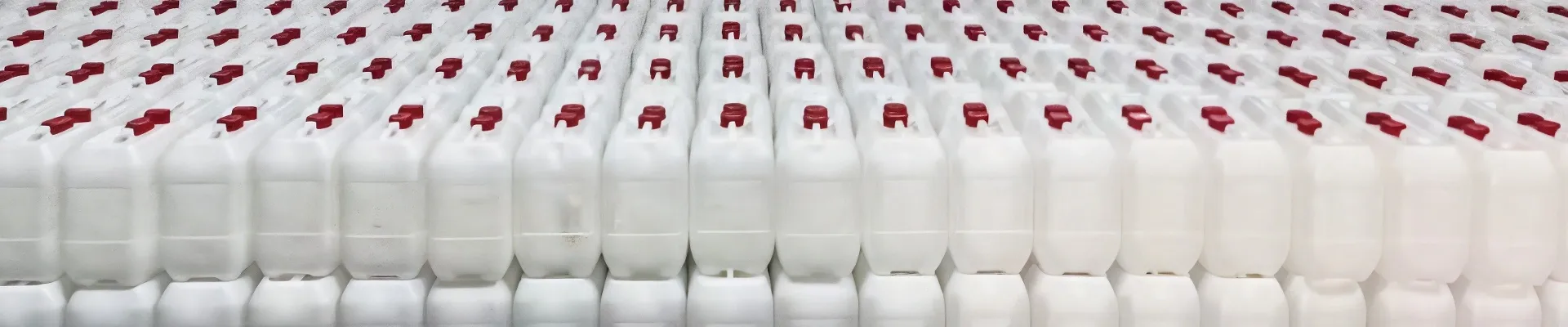
In real terms, this means that acetic acid glacial is highly corrosive and must be handled with care — protective gear is non-negotiable. That’s something I’ve learned firsthand during on-site manufacturing inspections. It’s also why storage and transportation demand dedicated acid-resistant containers, typically made of specialized plastics or coated steel. One recall to mind: a small supplier once underestimated the corrosivity factor, and their container leak caused quite a fuss, reminding me just how vital thorough quality checks are.
Speaking of suppliers, not all vendors are created equal — which matters, especially when you’re buying in volume for industrial-scale projects. Quality consistency, purity assurances, and pricing transparency can vary considerably. To help visualize this, here’s a comparison I often reference when selecting a glacial acetic acid partner:
| Vendor | Purity (%) | Packaging | Typical Price (per ton) | Lead Time |
|---|---|---|---|---|
| YSXL Chemical | ≥ 99.9 | IBC, Drum, Bulk | $1,200 - $1,400 | 1-2 weeks |
| GlobalChem Inc. | ≥ 99.5 | Drum only | $1,000 - $1,300 | 2-3 weeks |
| ChemPure Solutions | ≥ 99.7 | IBC, Drum, Tote | $1,100 - $1,350 | 1-3 weeks |
When I first started specifying acetic acid glacial for some dye synthesis equipment a few years ago, I was surprised by how crucial vendor support was — especially if you want transparent documentation like MSDS (Material Safety Data Sheets) and batch testing reports. Having those in hand isn’t just bureaucratic red tape; it can save massive headaches down the road.
Usage-wise, the product’s versatility truly shines. In industrial cleaning, it removes mineral deposits with ease. In laboratories, it’s a reagent for organic synthesis. And in food industries, diluted properly, it serves as a preservative and flavoring agent — though obviously, glacial acetic acid never goes straight into your salad!
One thing I noticed over time is that engineers often prefer suppliers who offer customizable packaging — sometimes, smaller drums for research labs or bulk tanker loads for large-scale manufacturing. Flexibility in delivery terms can be a game-changer.
To wrap up, acetic acid glacial is a deceptively simple substance with a wide industrial footprint. Handling it demands respect, but the purity and performance it offers are hard to beat. In your chemical toolkit, it’s sort of like a reliable workhorse: a bit sharp, but essential.
Thoughts or stories about industrial chemicals always remind me just how fascinating the unseen world of manufacturing really is — one where small distinctions like “glacial” matter a great deal.
References:
1. Industrial Acetic Acid Properties – Chemical Safety Board Report
2. Vendor Datasheets and Specifications, YSXL Chemical
3. Practical Guide to Chemical Handling, Industrial Writing Group
Thanks for reading — I suppose that’s enough about glacial acetic acid for today!
-
Industrial Applications and Properties of 75 acetic acid Solution
NewsApr.16,2026
-
Properties and Industrial Applications of 64 19 7 acetic acid
NewsApr.09,2026
-
Comprehensive Guide to 56 Acetic Acid Applications and Reliable Sourcing
NewsApr.07,2026
-
Comprehensive Guide to 5 Glacial Acetic Acid for International Trade and Industrial Applications
NewsApr.04,2026
-
Exploring 100 Acetic Acid Properties Applications and Reliable Sourcing
NewsMar.31,2026
-
Comprehensive Guide to 10 Glacial Acetic Acid Properties and Applications
NewsMar.28,2026
 English
  Belarusian
  Dutch
Dutch  French
  German
  Hindi
Hindi  Indonesian
  Japanese
  Korean
  Lao
Lao  Malay
Malay  Mongolian
  Myanmar
  Polish
  Portuguese
  Russian
  Spanish
  Tagalog
  Thai
Thai  Vietnamese