
Nov . 27, 2025 12:05 Back to list
Bulk Acetic Acid: Industrial Uses, Global Trends & Sustainable Solutions
Bulk Acetic Acid: Why It’s a Global Resource Worth Understanding
When you hear “bulk acetic acid,” you might picture a chemical tucked away in some obscure industrial corner. Yet, this seemingly simple compound quietly drives many sectors worldwide, from food production to pharmaceuticals, and even environmental management. Understanding its role is essential—not just for chemists or procurement managers—but for anyone interested in how raw materials shape the economy and sustainability strategies on a global scale.
Global Importance of Bulk Acetic Acid: A Quick Look
Acetic acid, the main component in vinegar, takes on a vastly different profile when produced in bulk quantities. According to the United Nations and industry watchdogs, global demand for chemical feedstocks like acetic acid has been steadily rising, with production expected to hit over 19 million metric tons annually by 2028 (source: Statista).
Why is this growth so critical? Well, many industries depend on it to manufacture polymers, solvents, and food preservatives. But the real challenge comes from balancing skyrocketing demand with sustainable production methods. Bulk acetic acid often demands significant energy and raw material inputs.
Mini takeaway:
Bulk acetic acid is a rapidly expanding cornerstone chemical, facing both rising global demand and sustainability challenges.
What Exactly Is Bulk Acetic Acid?
Simply put, bulk acetic acid refers to large-volume quantities of acetic acid typically traded and used by industries. It’s a colorless liquid with a sharp vinegar scent, chemically known as CH3COOH. Unlike the small kitchen bottles you buy, bulk acetic acid is often stored and transported in tanks or drums measured in tons rather than milliliters.
Its connection to industrial and humanitarian efforts is surprisingly broad. From producing biodegradable plastics helping reduce landfill waste to supplying sanitizers in times of health crises, its versatile role can’t be overstated.
Core Components & Key Aspects of Bulk Acetic Acid
1. Purity Levels and Grades
Depending on its intended use, acetic acid must meet various purity standards—ranging from industrial grade (~80-99%) for chemical manufacturing to reagent grade (>99.8%) for labs. Purity decides everything from performance in polymers to safety when used in food.
2. Production Methods
Most industrial acetic acid is made via methanol carbonylation. This catalytic process is pretty efficient but demands precise control. The choice of production method affects supply chain reliability and carbon footprint.
3. Storage and Transport
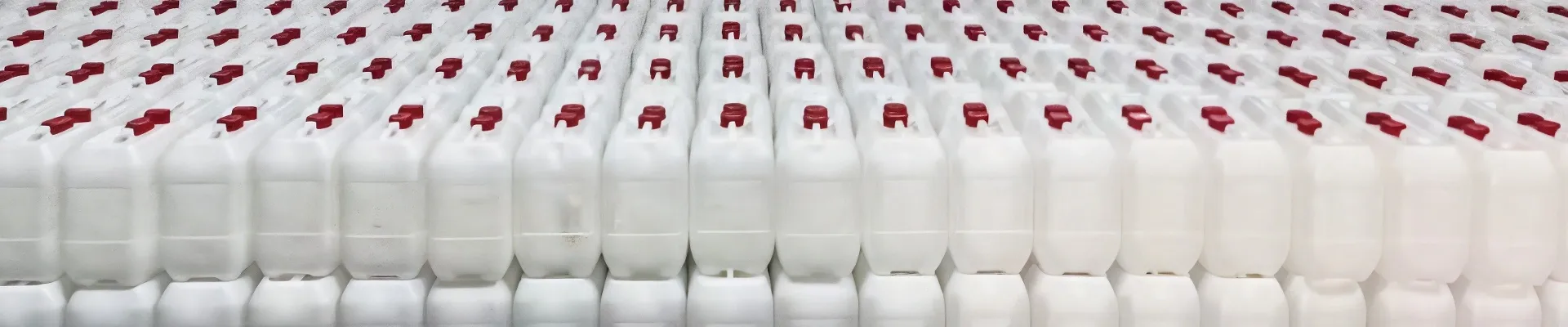
Being corrosive and volatile, bulk acetic acid requires specialized tanks (often stainless steel or polyethylene-lined) and careful handling protocols to avoid leaks or hazards.
4. Cost Efficiency
The economies of scale really kick in when acquiring acetic acid in bulk. Transport and handling savings reduce unit costs significantly—making it more attractive for large-scale applications.
5. Regulatory Compliance
International safety and environmental standards govern how bulk acetic acid is produced, stored, and used. ISO certifications and UN numbers ensure smooth trade and safety compliance.
Mini takeaway:
Understanding purity, production, and handling are key to leveraging bulk acetic acid efficiently and safely.
Global Applications & Practical Use Cases
Bulk acetic acid finds itself at the heart of numerous industries:
- Textiles: Used as a dyeing agent and to treat fabrics.
- Food Industry: As a preservative and acidity regulator.
- Pharmaceuticals: Base chemical for aspirin and other meds.
- Bioplastics: Key ingredient in producing biodegradable alternatives to traditional plastics.
- Wastewater Treatment: Helps neutralize contaminants and supports pollution control.
Regions like Asia-Pacific, driven by China and India’s expanding manufacturing, consume more than half of the world’s supply. Meanwhile, European firms emphasize greener production methods, aligning bulk acetic acid use with sustainability goals.
In humanitarian contexts, for instance, rapid deployment of sterilization products for disaster zones often incorporate acetic acid derivatives—showing how chemistry quietly supports urgent relief work.
Mini takeaway:
From everyday food safety to cutting-edge environmental tech, bulk acetic acid’s applications are impressively diverse and global.
Advantages and Long-Term Benefits of Bulk Acetic Acid
Choosing bulk acetic acid offers a blend of practical and ethical advantages:
- Cost Savings: Bulk buying usually lowers per-liter costs and reduces packaging waste.
- Sustainability: Many producers now use renewable feedstocks, decreasing carbon footprints.
- Reliability: Established global supply networks mean consistent availability.
- Social Impact: Supporting industries from health to agriculture adds to societal well-being.
On a more abstract note, relying on bulk chemical supplies reminds me that modern life is tied deeply to global trade systems—something that often feels invisible until disrupted.
Bulk Acetic Acid Specification Table
| Specification | Typical Range | Notes |
|---|---|---|
| Purity (%) | 99.5 - 99.9 | Food/Pharma grade |
| Density (g/cm³) | 1.05 - 1.06 | Varies with temperature |
| Boiling Point (°C) | 118 - 119 | Pure acetic acid |
| pH (1% solution) | 2.4 - 3.4 | Acidic nature |
| Storage Type | Steel tank, poly-lined | Corrosion resistant |
Vendor Comparison: Choosing Your Bulk Acetic Acid Supplier Wisely
| Vendor | Purity Offered | Sustainability Practices | Bulk Volume Range | Lead Time |
|---|---|---|---|---|
| Acme Chemicals | 99.7% | High (renewable feedstocks) | 1–20 tons | 2 weeks |
| GlobalChem | 99.5% | Medium (energy efficient plants) | 5–50 tons | 1 week |
| PureChem Supplies | 99.9% | Low (standard production) | 0.5–10 tons | 3 weeks |
Emerging Trends & Innovations in Bulk Acetic Acid
The chemical industry is slowly but surely embracing greener and smarter production techniques. Innovations such as carbon capture integration with acetic acid plants could reduce emissions drastically.
Oddly enough, bio-based acetic acid made from fermentation instead of petroleum stocks is gaining attention, especially in Europe and North America, pushing industries toward a circular economy mindset.
Also, automation and AI-driven supply chain management mean companies can optimize storage and delivery, reducing waste and ensuring freshness.
Common Challenges and Practical Solutions
Handling bulk acetic acid isn’t without hurdles. Its corrosiveness means infrastructure must be top-quality; any lapses risk environmental or worker safety incidents. Supplier reliability can be strained by geopolitical factors or raw material shortages.
Solutions include investing in advanced tank coatings, thorough training for handlers, and diversifying supply chains. Some firms also invest in onsite small-scale production to manage risks.
Frequently Asked Questions About Bulk Acetic Acid
Q: How is bulk acetic acid safely transported internationally?
A: Bulk acetic acid is shipped in specialized containers designed to withstand corrosion and prevent leaks, often stainless steel tanks with liners. Strict adherence to international regulations such as the UN number 2789 and IMDG code ensures safe handling throughout transport.
Q: Can bulk acetic acid be used directly in food production?
A: Only food-grade acetic acid with very high purity and proper certifications is suitable. Industrial grades typically need further purification to meet safety standards before food use.
Q: What determines the price variability of bulk acetic acid?
A: Factors include raw material costs, production method efficiency, purity grade, transportation expenses, and regional demand fluctuations. Sustainability efforts can add or reduce costs depending on the technology used.
Q: Is bio-based acetic acid truly a sustainable alternative?
A: When produced from renewable sources such as biomass or fermentation, bio-based acetic acid offers a smaller carbon footprint compared to petroleum-derived versions, aligning with many companies’ green goals.
Wrapping Up: Why Bulk Acetic Acid Matters, Long Term
Bulk acetic acid is more than a simple industrial chemical—it’s a foundation for innovation, sustainability, and global trade. Its utility spans from protecting our food to enabling green plastics and beyond. Understanding its specifications, applications, and trends is crucial for industries aiming to stay competitive and responsible. If you want to dive deeper or source quality bulk acetic acid, visit our website for reliable info and tailored solutions.
References
-
Industrial Applications and Properties of 75 acetic acid Solution
NewsApr.16,2026
-
Properties and Industrial Applications of 64 19 7 acetic acid
NewsApr.09,2026
-
Comprehensive Guide to 56 Acetic Acid Applications and Reliable Sourcing
NewsApr.07,2026
-
Comprehensive Guide to 5 Glacial Acetic Acid for International Trade and Industrial Applications
NewsApr.04,2026
-
Exploring 100 Acetic Acid Properties Applications and Reliable Sourcing
NewsMar.31,2026
-
Comprehensive Guide to 10 Glacial Acetic Acid Properties and Applications
NewsMar.28,2026
 English
  Belarusian
  Dutch
Dutch  French
  German
  Hindi
Hindi  Indonesian
  Japanese
  Korean
  Lao
Lao  Malay
Malay  Mongolian
  Myanmar
  Polish
  Portuguese
  Russian
  Spanish
  Tagalog
  Thai
Thai  Vietnamese