
Mar . 07, 2026 02:05 Back to list
Comprehensive Guide to Glacial Acetic Acid from Sigma Aldrich and YSXL
Understanding Glacial Acetic Acid: A Comprehensive Guide from Sigma Aldrich
Glacial acetic acid is a crucial chemical compound used across a vast spectrum of industries, from pharmaceuticals and food processing to textiles and polymer production. Sourced from reputable suppliers like YSXL Glacial Acetic Acid and Sigma Aldrich, its purity and consistent quality are paramount. This article provides a deep dive into the properties, applications, safety considerations, and sourcing of glacial acetic acid, with a particular focus on offerings from leading manufacturers. Understanding the nuances of this chemical is vital for professionals across many fields.
What is Glacial Acetic Acid?
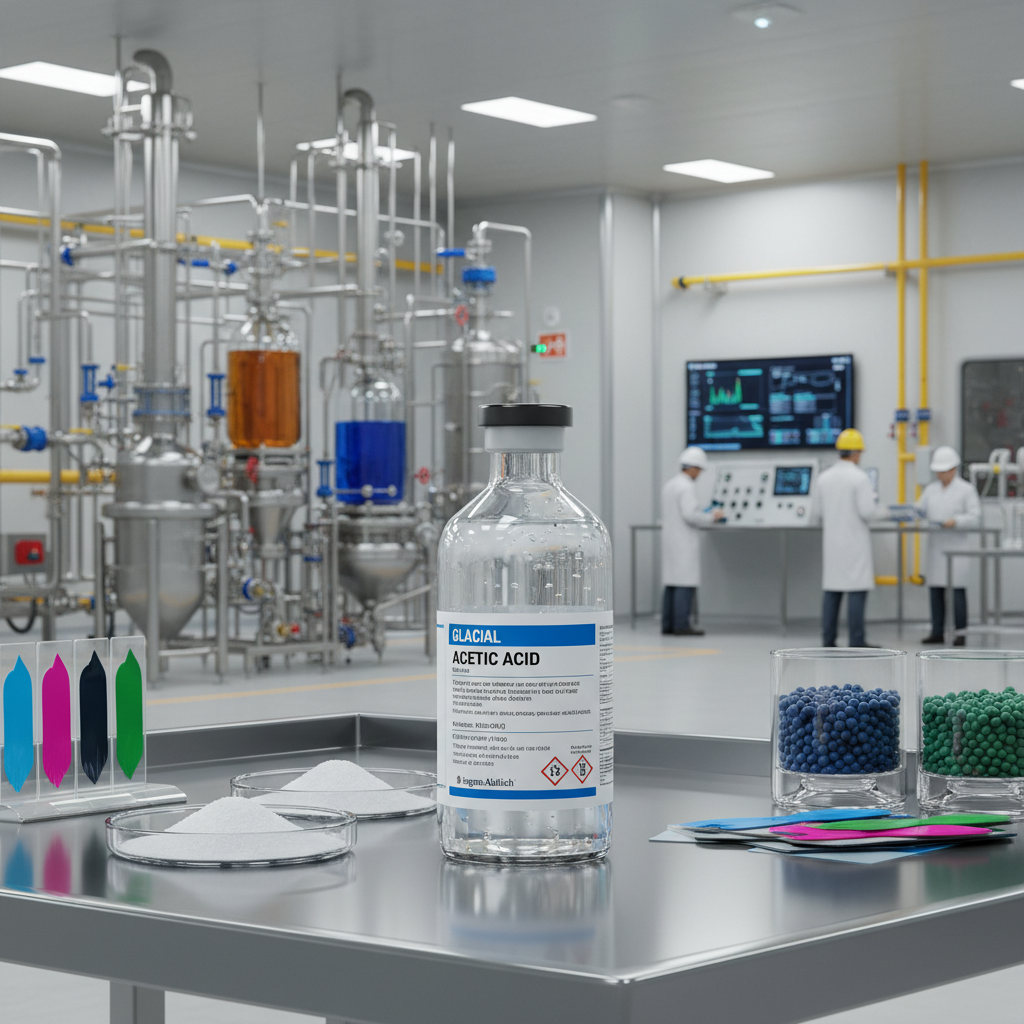
Glacial acetic acid (CH₃COOH) is the concentrated solution of acetic acid, containing approximately 99.8% acetic acid by mass. The term “glacial” originates from its historical purification method involving slow cooling ("glaciation") to remove water. It’s a colorless liquid with a pungent, vinegar-like odor. Unlike dilute acetic acid (vinegar), glacial acetic acid is highly corrosive and requires careful handling. Its high concentration makes it an exceptionally versatile reagent in numerous chemical processes.
Key Properties: Colorless liquid, pungent odor, highly corrosive, 99.8% acetic acid concentration, miscible with water, alcohol, and ether.
Applications Across Industries
The versatility of glacial acetic acid makes it indispensable across numerous industries. In the chemical industry, it serves as a key reagent in the production of vinyl acetate monomer (VAM), cellulose acetate, and various acetate esters. The pharmaceutical sector utilizes it in the synthesis of drug intermediates and as a solvent. The food industry employs it as a preservative and acidulant. Textile manufacturers use it in dyeing and finishing processes. Furthermore, it plays a role in the production of photographic chemicals and as a laboratory reagent. Obtaining high-quality glacial acetic acid from a trusted supplier like YSXL ensures optimal results in these critical applications.
Key Applications:
• Chemical synthesis (VAM, cellulose acetate)
• Pharmaceutical manufacturing
• Food preservation & acidulant
• Textile dyeing & finishing
Glacial Acetic Acid Sigma Aldrich vs. YSXL: A Comparative Overview
Both Sigma Aldrich and YSXL Glacial Acetic Acid are recognized suppliers, but they cater to different needs and offer varying strengths. Sigma Aldrich is often favored for research and development due to its extensive catalog and smaller packaging options. YSXL, on the other hand, excels in large-scale industrial supply, offering competitive pricing and consistent quality for bulk purchases. The choice depends heavily on the volume required and the specific application.
Safety Considerations and Handling
Glacial acetic acid is highly corrosive and poses significant health risks. Always wear appropriate personal protective equipment (PPE), including gloves, safety goggles, and a lab coat, when handling it. Avoid contact with skin and eyes. Ensure adequate ventilation in the work area. In case of skin contact, immediately flush the affected area with copious amounts of water. Seek medical attention if irritation persists. Proper storage in a cool, dry, and well-ventilated area, away from incompatible materials (e.g., bases, oxidizers), is crucial. Refer to the Safety Data Sheet (SDS) for comprehensive safety information.
Product Specifications: YSXL Glacial Acetic Acid
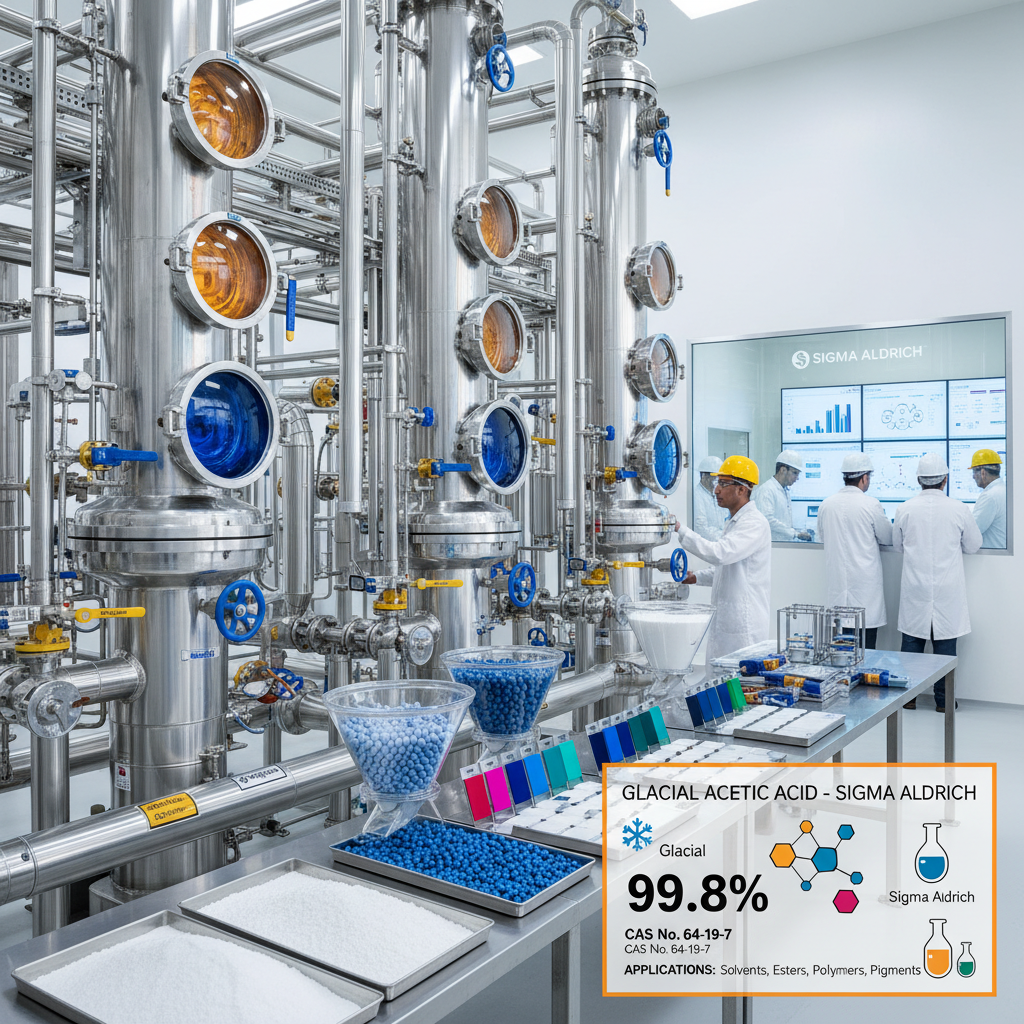
YSXL Glacial Acetic Acid consistently meets stringent quality standards. Here's a summary of key specifications:
Conclusion: Choosing the Right Glacial Acetic Acid Supplier
Selecting the appropriate supplier for glacial acetic acid is crucial for maintaining product quality and operational efficiency. Whether you require the precision of YSXL Glacial Acetic Acid for large-scale industrial applications or the versatility offered by Sigma Aldrich for research endeavors, understanding your specific needs is paramount. Prioritizing purity, consistent quality, and safe handling practices will ensure optimal results and a safe working environment.
Frequently Asked Questions (FAQs)
What are the primary uses of glacial acetic acid?
Glacial acetic acid is a highly versatile chemical with widespread applications. It's a crucial reagent in the production of various chemicals like vinyl acetate monomer, cellulose acetate, and acetate esters. It’s also used in the pharmaceutical industry for synthesizing drug intermediates, as a preservative in the food industry, in textile dyeing and finishing, and as a laboratory reagent. Its high concentration and purity make it ideal for these applications.
How should glacial acetic acid be stored?
Glacial acetic acid should be stored in a cool, dry, and well-ventilated area away from incompatible materials such as strong bases and oxidizing agents. Containers should be tightly closed to prevent the absorption of moisture and contamination. It’s important to store it in corrosion-resistant containers, typically made of glass or specific plastics. Avoid exposure to direct sunlight and heat sources.
What safety measures are essential when handling glacial acetic acid?
Due to its corrosive nature, always wear appropriate personal protective equipment (PPE) including chemical-resistant gloves, safety goggles, and a lab coat. Ensure adequate ventilation in the work area. Avoid inhaling vapors and prevent contact with skin and eyes. In case of contact, immediately flush with copious amounts of water and seek medical attention. Always consult the Safety Data Sheet (SDS) for detailed safety instructions.
-
Industrial Applications and Properties of 75 acetic acid Solution
NewsApr.16,2026
-
Properties and Industrial Applications of 64 19 7 acetic acid
NewsApr.09,2026
-
Comprehensive Guide to 56 Acetic Acid Applications and Reliable Sourcing
NewsApr.07,2026
-
Comprehensive Guide to 5 Glacial Acetic Acid for International Trade and Industrial Applications
NewsApr.04,2026
-
Exploring 100 Acetic Acid Properties Applications and Reliable Sourcing
NewsMar.31,2026
-
Comprehensive Guide to 10 Glacial Acetic Acid Properties and Applications
NewsMar.28,2026
 English
  Belarusian
  Dutch
Dutch  French
  German
  Hindi
Hindi  Indonesian
  Japanese
  Korean
  Lao
Lao  Malay
Malay  Mongolian
  Myanmar
  Polish
  Portuguese
  Russian
  Spanish
  Tagalog
  Thai
Thai  Vietnamese