
Feb . 25, 2026 02:05 Back to list
Exploring the Diverse Industrial Applications and Use of Glacial Acetic Acid
The Versatile Use of Glacial Acetic Acid in Industrial Applications
Glacial acetic acid, a highly concentrated form of acetic acid, is a crucial chemical compound with a vast range of applications across numerous industries. Renowned for its purity and strength, it serves as a key component in various manufacturing processes, laboratory procedures, and even the food industry. Understanding the properties and applications of glacial acetic acid is essential for professionals seeking optimized solutions in their respective fields. This article delves into the multifaceted uses of glacial acetic acid, highlighting its importance and providing insights into its diverse functionalities.

Chemical Synthesis and Manufacturing
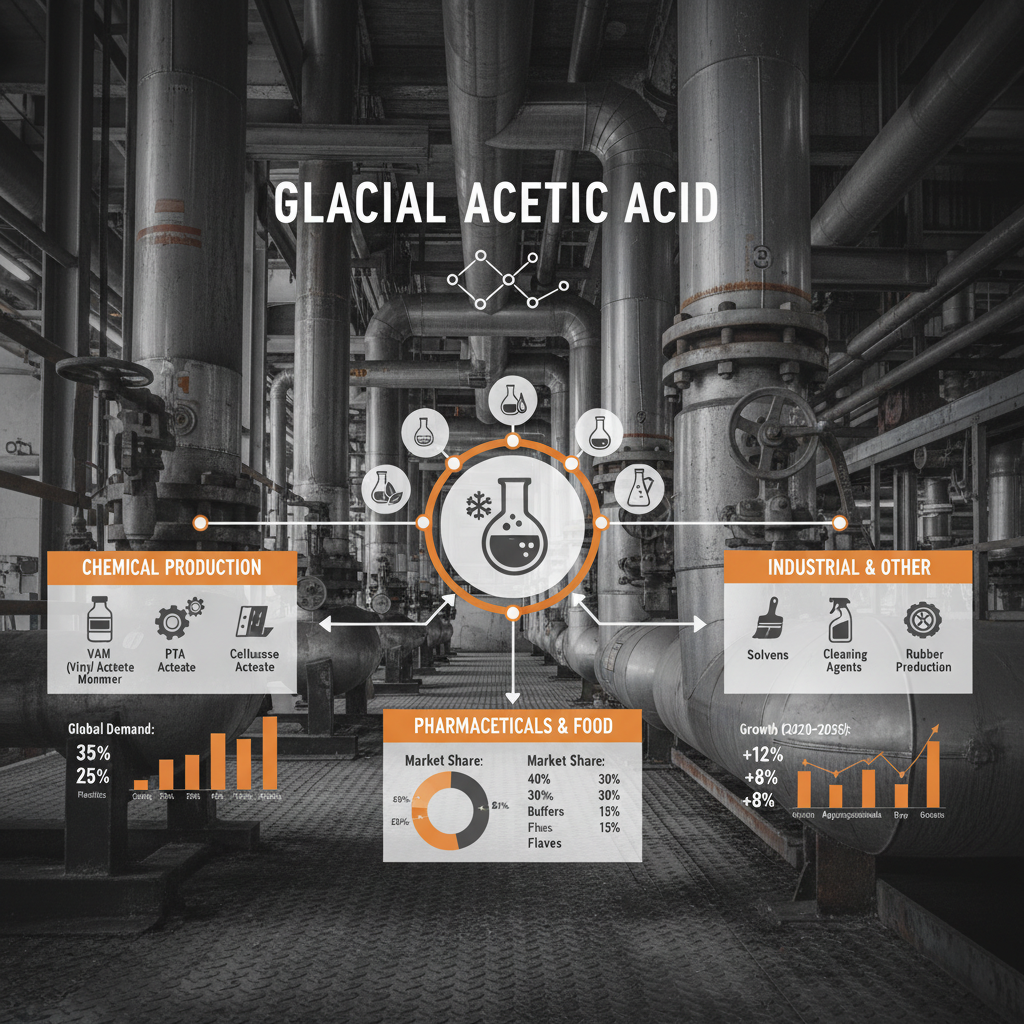
Glacial acetic acid is a cornerstone in the chemical industry, serving as a vital reagent in the synthesis of numerous compounds. It's widely employed in the production of vinyl acetate monomer (VAM), a crucial building block for polymers used in paints, adhesives, and textiles. Furthermore, it’s integral to the manufacture of cellulose acetate, used in photographic film, cigarette filters, and textile fibers. The acid's strong acidic properties and solvent capabilities make it indispensable in various esterification, acetylation, and other chemical reactions. Its role extends to the production of pharmaceuticals, dyes, and fragrances, showcasing its widespread utility in creating complex chemical structures.
Textile Industry Applications
The textile industry heavily relies on glacial acetic acid for several critical processes. It's used extensively in dyeing and finishing textiles, acting as a neutralizing agent and helping to set dyes. Its acidic nature aids in pH control, ensuring optimal conditions for dye uptake and colorfastness. Moreover, it’s crucial in the production of cellulose acetate fibers, contributing to the creation of lustrous and durable fabrics. Glacial acetic acid also plays a role in mercerization, a treatment that enhances the strength and luster of cotton fabrics.
Food and Beverage Industry: A Controlled Application
While used cautiously and under strict regulatory control, glacial acetic acid finds application in the food and beverage industry. Its primary role is as a preservative, preventing spoilage and extending the shelf life of products. It’s often employed in pickling, where it imparts a characteristic tangy flavor and inhibits microbial growth. It also contributes to the production of vinegar, albeit diluted to a safe and palatable concentration. It's crucial to note that the concentration of acetic acid in food products is carefully monitored to ensure consumer safety.
Pharmaceuticals and Laboratory Research: Glacial Acetic Acid's Role
In the pharmaceutical sector, glacial acetic acid serves as a solvent, reagent, and intermediate in the synthesis of various drugs and pharmaceutical compounds. It’s vital in the purification and crystallization processes, ensuring the high purity required for medicinal applications. In laboratory settings, glacial acetic acid is a fundamental reagent used in numerous analytical techniques, including titrations and chromatography. Its high purity and consistent quality make it a trusted choice for research and development purposes.
Comparing Glacial Acetic Acid with Other Acetic Acid Solutions
While various acetic acid solutions exist, glacial acetic acid distinguishes itself through its exceptionally high concentration (typically 99.5-100%). This makes it significantly stronger and more versatile than diluted forms like household vinegar (typically 5% acetic acid). Here’s a comparative overview:
Conclusion: The Indispensable Role of Glacial Acetic Acid
Glacial acetic acid remains an essential chemical compound with far-reaching applications across diverse industries. From its vital role in chemical synthesis and pharmaceutical production to its specialized uses in textiles and food preservation, its versatility is undeniable. For high-quality glacial acetic acid supply, reliable sourcing and adherence to stringent quality standards are paramount. Choosing a trusted supplier like YSXL ensures optimal performance and consistent results for your specific industrial needs.
Frequently Asked Questions (FAQs)
What safety precautions should be taken when handling glacial acetic acid?
Glacial acetic acid is highly corrosive and can cause severe burns upon contact with skin or eyes. Always wear appropriate personal protective equipment (PPE) including gloves, safety goggles, and a lab coat when handling it. Work in a well-ventilated area to avoid inhaling vapors. In case of contact, immediately flush the affected area with copious amounts of water for at least 15 minutes and seek medical attention. Always handle glacial acetic acid with extreme caution and follow established safety protocols. Proper training on handling hazardous chemicals is crucial.
How should glacial acetic acid be stored?
Glacial acetic acid should be stored in tightly closed, corrosion-resistant containers, preferably made of glass or specific plastics compatible with the acid. Keep the containers in a cool, dry, and well-ventilated area, away from direct sunlight, heat sources, and incompatible materials like strong bases or oxidizing agents. Ensure the storage area is adequately labeled with hazard warnings and safety information. Regularly inspect containers for leaks or damage.
What are the environmental considerations when using glacial acetic acid?
While biodegradable, glacial acetic acid can lower the pH of water bodies if released in significant quantities, potentially harming aquatic life. Proper waste disposal practices are essential. Neutralize acidic waste before discharging it into wastewater systems, following local regulations. Implement spill containment measures to prevent accidental releases into the environment. Consider utilizing closed-loop systems to minimize waste generation and maximize resource efficiency.
-
Industrial Applications and Properties of 75 acetic acid Solution
NewsApr.16,2026
-
Properties and Industrial Applications of 64 19 7 acetic acid
NewsApr.09,2026
-
Comprehensive Guide to 56 Acetic Acid Applications and Reliable Sourcing
NewsApr.07,2026
-
Comprehensive Guide to 5 Glacial Acetic Acid for International Trade and Industrial Applications
NewsApr.04,2026
-
Exploring 100 Acetic Acid Properties Applications and Reliable Sourcing
NewsMar.31,2026
-
Comprehensive Guide to 10 Glacial Acetic Acid Properties and Applications
NewsMar.28,2026
 English
  Belarusian
  Dutch
Dutch  French
  German
  Hindi
Hindi  Indonesian
  Japanese
  Korean
  Lao
Lao  Malay
Malay  Mongolian
  Myanmar
  Polish
  Portuguese
  Russian
  Spanish
  Tagalog
  Thai
Thai  Vietnamese