
Oct . 22, 2025 15:25 Back to list
Glacial Acetic Acid for Sale - 99.8% Pure, NFPA, Bulk
Food Grade Glacial Acetic Acid For Sale: Insider Notes, Specs, and Buying Tips
If you work in beverages, pickling, or ingredients QA, you already know acetic acid is the quiet backbone of flavor control and micro-stability. The plant I toured outside Shijiazhuang—200 meters northeast of the intersection of East Airport Road and Airport North Street in Yangma Village, Zengcun Town, Gaocheng District—runs it with a refreshingly disciplined food-safety mindset. Below is what buyers keep asking me, and what actually matters.
Industry trends (quick take)
- Demand rises in RTD beverages, fermented foods, and clean-label acidification where E260 is accepted globally.
- More buyers request dual-route traceability (carbonylation vs. fermentation) and COAs aligned to FCC.
- Sustainability pressure: lighter drums/IBCs, reduced aldehydes, better odor profile.
Product snapshot and specs
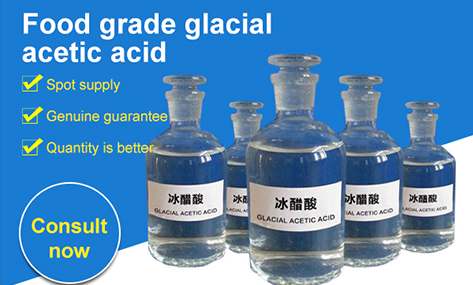
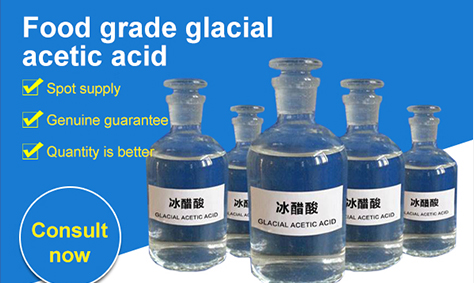
Food grade glacial acetic acid (a typical fatty acid, yes, the “sour” in vinegar) is used as E260 acidity regulator. Many customers say they choose it for predictable titratable acidity and tight color limits.
| Parameter | Typical spec (≈) | Test method |
|---|---|---|
| Acetic acid content | ≥ 99.5–99.8% w/w | FCC / GB/T 1628 titration |
| Water | ≤ 0.5% (Karl Fischer) | ISO 760 |
| Aldehydes (as acetaldehyde) | ≤ 0.05% | FCC colorimetric |
| Color | ≤ 10 APHA | ASTM D1209 |
| Heavy metals (as Pb) | ≤ 1 mg/kg | FCC / ICP-MS |
Process flow (high level)
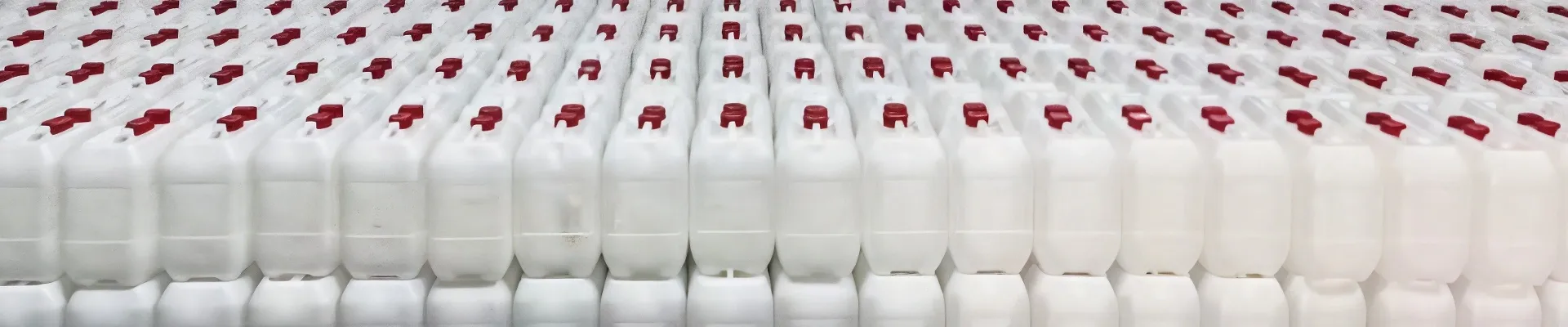
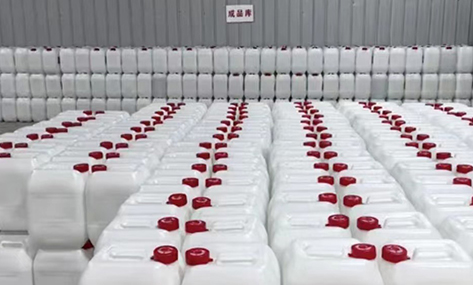
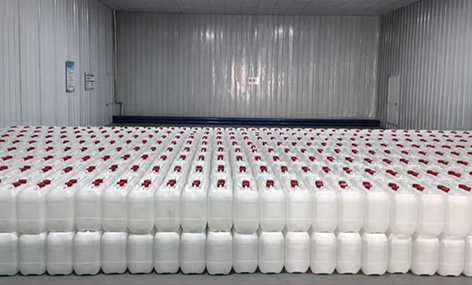
Materials: carbonylation-grade methanol and CO; or fermented ethanol route (selected lots). Methods: catalytic carbonylation, followed by multi-stage distillation and dehydration to “glacial” strength. Polishing: low-odor handling to keep aldehydes down. Testing: FCC/GB compliance, APHA color, KF moisture, aldehydes, metals. Service life: ≈ 24 months sealed, cool, and dry. Packaging: 25 kg cans, 200 L drums, 1000 L IBCs.
Applications and advantages
- Beverages: pH tuning with consistent titratable acidity; many QC teams like the batch-to-batch stability.
- Pickles/sauces: clean sourness vs. lactic blends; fast microbial knockdown when used correctly.
- Bakery: dough conditioning; flavor modulation in concentrated systems.
- Pharma/excipients: solvent and pH adjuster where monographs allow.
Advantages: strong acidity per kg, low color, compact storage versus weaker acids. And, surprisingly, less flavor “drag” than some acidulants at micro-doses.
Vendor comparison (real-world buyer notes)
| Vendor | Purity consistency | Docs & certifications | MOQ / lead time |
|---|---|---|---|
| YSXL (Shijiazhuang) | Tight APHA; low aldehydes (reported) | COA, MSDS; ISO/HACCP on request | Flexible; drums/IBCs, usually fast |
| Generic Trader A | Varies by lot origin | Basic COA; certifications mixed | Higher MOQs; longer consolidation |
| Bulk Marketplace B | Inconsistent color/odor | Limited traceability | Spot availability, variable |
Customization
Common requests: tighter aldehydes, low-odor spec, tailored COA layout, private-label drums, and dual-language labels for export. Real-world use may vary, so pilot tests in your matrix are wise.
Case studies (brief)
- National soda brand trimmed pH drift by 18% after switching, thanks to lower aldehydes and color ≤10 APHA.
- Pickling line cut dosage by ≈7% versus a weaker lot, keeping sensory the same—nice cost win.
- Bakery syrup room reported cleaner top-notes after moving to a low-odor batch.
Compliance touchpoints: FCC monograph, EU E260 (EC 1333/2008), and US 21 CFR 184.1005 GRAS. Ask for the latest COA and food-grade declaration before final approval. And yes, label storage: cool, ventilated, away from oxidizers; PPE for operators. For repeat orders, I guess you’ll appreciate the steady batching.
Looking for Glacial Acetic Acid For Sale in drums or IBCs? Confirm batch COA, aldehydes, and APHA. Need fermentation-origin documentation? Just specify during RFQ. If you require Glacial Acetic Acid For Sale with specific moisture or odor limits, customization is generally workable.
Authoritative citations
- Food Chemicals Codex (FCC) Monograph: Acetic Acid. USP. https://www.usp.org/fcc
- EU Regulation (EC) No 1333/2008 on Food Additives – E260. https://eur-lex.europa.eu/
- 21 CFR 184.1005 – Acetic acid (GRAS). U.S. FDA. https://www.ecfr.gov/
- Codex GSFA (E260). Codex Alimentarius. https://www.fao.org/gsfaonline/
-
Industrial Applications and Properties of 75 acetic acid Solution
NewsApr.16,2026
-
Properties and Industrial Applications of 64 19 7 acetic acid
NewsApr.09,2026
-
Comprehensive Guide to 56 Acetic Acid Applications and Reliable Sourcing
NewsApr.07,2026
-
Comprehensive Guide to 5 Glacial Acetic Acid for International Trade and Industrial Applications
NewsApr.04,2026
-
Exploring 100 Acetic Acid Properties Applications and Reliable Sourcing
NewsMar.31,2026
-
Comprehensive Guide to 10 Glacial Acetic Acid Properties and Applications
NewsMar.28,2026
 English
  Belarusian
  Dutch
Dutch  French
  German
  Hindi
Hindi  Indonesian
  Japanese
  Korean
  Lao
Lao  Malay
Malay  Mongolian
  Myanmar
  Polish
  Portuguese
  Russian
  Spanish
  Tagalog
  Thai
Thai  Vietnamese