

Oct . 21, 2025 12:35 Back to list
Glacial Acetic Acid for Sale – 99.8% Purity, Bulk, Fast Ship
Looking for Glacial Acetic Acid For Sale? Here’s what industry buyers actually care about
To be honest, the market for food-grade glacial acetic acid is steadier than headlines suggest. Demand from condiments, pickled foods, beverage acidification, and ready-to-eat lines has stayed strong—partly because E260 is a dependable pH workhorse with clean-label familiarity. I’ve walked plants that swear by it; others keep it as a strategic backup when citric costs swing. Trends this year: tighter traceability, lower aldehyde specs, and more third‑party verification (HACCP, Kosher/Halal, and sometimes FSSC 22000).
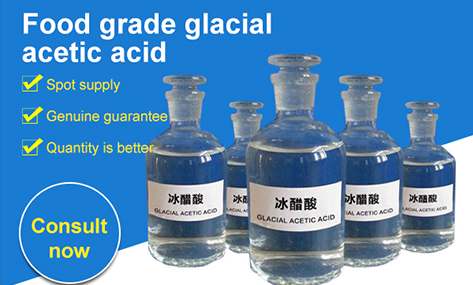
Product snapshot: Food grade glacial acetic acid (E260)
Origin: 200 meters northeast of the intersection of East Airport Road and Airport North Street in Yangma Village, Zengcun Town, Gaocheng District, Shijiazhuang City, Hebei Province. In short: a modern site with serious distillation capacity and consistent outbound QC.
| Parameter | Spec (typical) | Method/Note |
|---|---|---|
| Assay (CH3COOH) | ≥ 99.8% | FCC/GC; real‑world use may vary slightly |
| Water | ≤ 0.20% | Karl Fischer |
| Color (APHA) | ≤ 10 | ASTM D1209 |
| Aldehydes | ≤ 0.05% | FCC |
| Heavy metals (as Pb) | ≤ 1 mg/kg | ICP‑MS |
| Non‑volatile residue | ≤ 0.005% | Evaporation test |
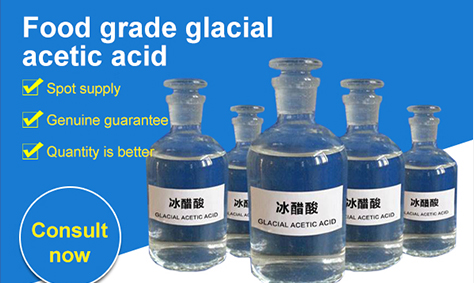
How it’s made and verified (short version)
Materials: food‑grade acetic acid produced via large‑scale synthesis, then deep‑distilled to glacial grade. Methods: fractional distillation, dehydration, polishing (e.g., activated carbon), and 0.2 μm filtration. Testing: GC for assay/impurities, Karl Fischer for water, APHA color, ICP‑MS for metals. Standards referenced: FCC Acetic Acid monograph, Codex INS 260, and ISO 17025 accredited lab methods where applicable. Shelf life: ≈ 24 months unopened, stored cool and ventilated, away from reactive bases. Packaging: 25 kg cans, 200 kg drums, and 1000 L IBCs—food‑contact compliant liners available.
Where it’s used (and why buyers pick it)
- Pickles, sauces, dressings: pH control with familiar “vinegar‑type” flavor.
- Beverages and RTD: fine‑tuning tartness; many customers say it’s easier to hit target acid curves than with blends.
- Bakery and fillings: water activity support; mild antimicrobial effect when formulated correctly.
- Plant sanitation adjuncts: acid rinse steps in food plants (follow local regulations and safety protocols).
Certifications typically available: ISO 9001, HACCP; Kosher and Halal upon request. Documentation pack: COA per lot, SDS, allergen/GMO/food‑fraud statements, and—surprisingly thorough—full traceability back to the named site above.
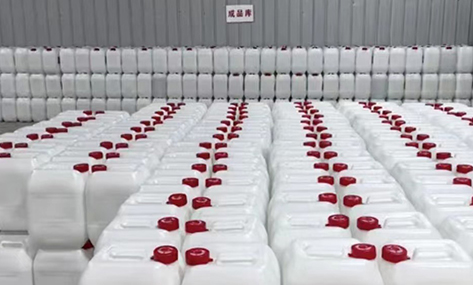
Vendor comparison (what to check before you buy)
| Criteria | YSXL Food‑Grade | General Trader | Commodity Brand |
|---|---|---|---|
| Purity stability | 99.8% ± small drift | Varies by lot | Stable |
| Aldehyde control | Tight spec, recent GC data | May lack recent data | Good |
| Certifications | ISO, HACCP; Kosher/Halal options | Mixed | Strong |
| Traceability | Full to plant of origin | Partial | Full |
| Customization | Dilutions (10–80%), private label | Limited | Some |
Customization and service life
Options include food‑grade dilutions to spec Brix/pH targets, palletization by region, drum liners, and third‑party testing (SGS/Intertek) on request. Service life is ≈24 months sealed; after opening, many QA teams recommend using within 6 months, depending on GMP and storage.
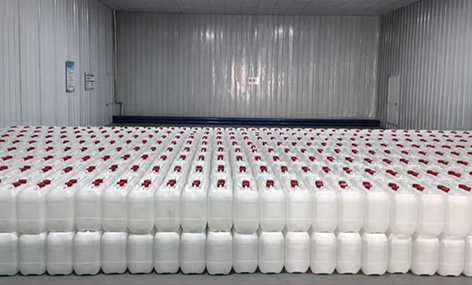
Mini case notes
Glacial Acetic Acid For Sale isn’t just a keyword—two quick real‑world snapshots: (1) A mid‑size pickle processor switched to a tighter aldehyde spec and shaved rework by ≈8% Q/Q; (2) An RTD beverage line used a 30% dilution pack to improve dosing control, and internal QA logged more consistent pH (±0.03) over three months. Not flashy, but it matters.
Customer feedback? It seems that buyers like the paperwork as much as the product—clean COAs, quick sample turnaround, and predictable lead times. Actually, that’s what keeps repeat orders coming.
Need a current COA or a pilot lot? Ask for the latest FCC alignment, recent GC/KF data, and packaging fit for your line. Also, if you’re evaluating multiple sources of Glacial Acetic Acid For Sale, compare aldehydes and color spec first—they’re the quiet difference‑makers.
Authoritative references
- Food Chemicals Codex (FCC), Acetic Acid Monograph, latest edition.
- U.S. FDA, 21 CFR §184.1005 – Acetic acid (GRAS conditions of use).
- Codex Alimentarius GSFA, INS 260 – Acetic acid (acidity regulator).
- ISO/IEC 17025 – General requirements for the competence of testing and calibration laboratories.
-
Industrial Applications and Properties of 75 acetic acid Solution
NewsApr.16,2026
-
Properties and Industrial Applications of 64 19 7 acetic acid
NewsApr.09,2026
-
Comprehensive Guide to 56 Acetic Acid Applications and Reliable Sourcing
NewsApr.07,2026
-
Comprehensive Guide to 5 Glacial Acetic Acid for International Trade and Industrial Applications
NewsApr.04,2026
-
Exploring 100 Acetic Acid Properties Applications and Reliable Sourcing
NewsMar.31,2026
-
Comprehensive Guide to 10 Glacial Acetic Acid Properties and Applications
NewsMar.28,2026
 English
  Belarusian
  Dutch
Dutch  French
  German
  Hindi
Hindi  Indonesian
  Japanese
  Korean
  Lao
Lao  Malay
Malay  Mongolian
  Myanmar
  Polish
  Portuguese
  Russian
  Spanish
  Tagalog
  Thai
Thai  Vietnamese