
Dec . 01, 2025 19:55 Back to list
Glacial CH3COOH – Industry Insights, Applications & Sustainable Innovations
Glacial CH3COOH: The Essential Backbone of Modern Chemical and Industrial Solutions
At first glance, glacial CH3COOH might sound like a chilly chemical compound, but in reality, it's one of the most pivotal substances quietly underpinning countless industries worldwide. Known commonly as glacial acetic acid, this concentrated form of acetic acid is fundamental not only to industrial chemistry but also to sectors ranging from pharmaceuticals to food preservation. Understanding its properties and applications is crucial, especially as the world leans more into sustainable manufacturing and innovative solutions.
Why does it matter globally? Because glacial acetic acid sits at the crossroads of modern industry and environmental responsibility — offering a versatile, efficient, and relatively eco-friendly alternative in many chemical processes. Its high purity and concentrated state make it indispensable, but also demanding careful handling, which brings its own set of challenges worth addressing.
Setting the Stage: The Global Context of Glacial CH3COOH
To frame it simply, glacial CH3COOH is not just another acid on the shelf. According to the United Nations’ statistics on global chemical production, acetic acid ranks among the top globally produced organic acids, with millions of tons manufactured annually. It’s notable that the push towards bio-based acetic acid, derived from renewable sources, is part of a broader shift driven by climate goals and tightening environmental regulations (ISO 14040, 2020).
However, challenges remain — such as the demand for ultra-pure glacial acetic acid in specialized electronics manufacturing or pharmaceutical applications. Achieving this purity at scale without skyrocketing costs is a game for only the most advanced producers.
And it’s in that tension between industrial demand and sustainable supply where glacial CH3COOH becomes an intriguing study.
Defining Glacial CH3COOH: What Is It, Really?
Simply put, glacial CH3COOH is an anhydrous (water-free) form of acetic acid with approximately 99-100% purity. Its name "glacial" comes from its tendency to solidify just below room temperature (approximately 16.7°C or 62°F), forming ice-like crystals. This concentrated acid is far stronger and more reactive than standard vinegar, which contains only about 5-8% acetic acid.
Industrially, it serves as a fundamental building block — from synthesizing vinyl acetate monomers for adhesives and paints to producing purified terephthalic acid essential for PET plastics. On a humanitarian or food industry level, glacial CH3COOH's antimicrobial properties extend shelf life and ensure safety.
Oddly enough, it even plays a subtle role in climate-friendly biofuel production — being part of the chemical steps that convert biomass to usable energy.
Core Components & Factors Shaping the Efficacy of Glacial CH3COOH
Purity and Concentration
The hallmark of glacial CH3COOH is its purity — raw acetic acid at this level enables reliable chemical reactions without unwanted side-products. Achieving this purity involves rigorous distillation and purification protocols.
Storage & Handling Requirements
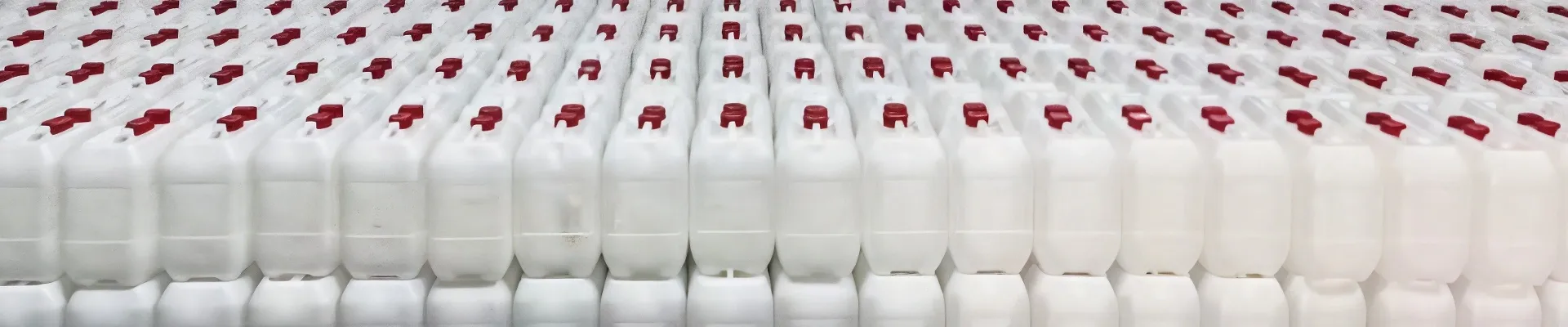
Since it crystallizes near room temperature, storing glacial acetic acid takes some care. It’s highly corrosive, requiring specialized containers resistant to chemical attack. Think glass-lined steel tanks or high-density polyethylene drums.
Reactivity & Compatibility
Its strong acidity allows it to act as a versatile solvent and reactant. Experienced chemists often describe it as “a backbone reagent” — reliably reactive with bases, alcohols, and other organics under controlled conditions.
Sustainability & Production Methods
Increasingly, producers are exploring bio-based fermentation routes using waste biomass to make eco-friendly glacial CH3COOH variants, a key development amid rising pressure for greener supply chains.
Safety Protocols
Because glacial CH3COOH is corrosive and volatile, industry best practices enforce stringent handling guidelines — personal protective equipment (PPE), proper ventilation, and emergency spill containment.
Mini takeaway: Glacial CH3COOH is a uniquely potent chemical with stringent purity needs, demanding special care in handling and storage, yet its versatile reactivity unlocks vast industrial potential.
Global Applications and Real-World Use Cases
From Shenzhen to São Paulo, glacial CH3COOH fuels diverse industrial journeys. For example:
- In electronics manufacturing hubs (especially East Asia), its purity is crucial for producing circuit board solvents.
- Pharmaceutical companies worldwide use it as a precursor in synthesizing antibiotics and vitamins.
- Food processing plants in Europe and North America rely on it as a preservative and acidity regulator, enhancing product safety.
- In developing regions, glacial ch3cooh supports water treatment technologies by aiding flocculation processes.
In essence, wherever there's a need to transform raw materials into high-value finished goods efficiently and safely, glacial acetic acid often lurks behind the scenes.
Product Specification Table: Common Properties of Glacial CH3COOH
| Property | Value | Notes |
|---|---|---|
| Purity | ≥ 99.8% | Ensures near anhydrous quality |
| Density | 1.05 g/cm³ at 25°C | Heavier than water |
| Boiling point | 118 °C | Requires controlled distillation |
| Melting point | 16.7 °C | Forms ice-like crystals (“glacial”) |
| pH (undiluted) | ~2.4 | Strongly acidic medium |
Comparing Leading Glacial CH3COOH Vendors
| Vendor | Purity Range | Sustainability Practices | Global Reach | Typical End-Use |
|---|---|---|---|---|
| Acme Chemicals | 99.95% - 100% | Bio-based production pilot programs | Asia, Europe, North America | Pharmaceuticals, electronics |
| Global Acid Corp. | ≥ 99.7% | Traditional petrochemical sourcing | North & South America | Food additive, industrial |
| GreenTech Acids | 99.8%+ | Fully bio-based, zero-waste | Europe, Asia | Eco-friendly consumer products |
Benefits That Go Beyond the Lab: Long-Term Value of Glacial CH3COOH
Beyond its palpable chemical properties, glacial CH3COOH delivers significant real-world advantages. Cost-wise, it functions as a synthesis shortcut, reducing the number of reaction steps and materials required. From a sustainability angle, switching to bio-based glacial acetic acid cuts down fossil fuel dependency and associated greenhouse emissions.
Socially, products built on its backbone — think safer pharmaceuticals or fresher foods — increase consumer trust and elevate living standards. Many industry experts highlight its reliability, pointing out how it “just works” consistently when handled with care, making it something of a quietly dependable unsung hero.
The Road Ahead: Future Trends and Innovations
If the present is glacial CH3COOH’s refinery, the future is bio-integration and smart manufacture. Green chemistry principles are steering research to develop novel catalysts that operate under milder conditions, reducing energy intensity and impurities.
Digital transformation is also influencing quality control; AI-powered sensors can now monitor the purity and storage conditions in real-time, preventing waste or accidents. Meanwhile, automation in packaging ensures safer handling for workers, crucial when working with such corrosive substances.
Oddly enough, a few startups even envision using glacial CH3COOH derivatives in carbon capture technologies, leveraging its ability to interact with CO2 under certain conditions — the science is young, but promising.
Challenges & How Industry Is Tackling Them
Handling glacial CH3COOH comes with inherent risks — corrosivity, volatility, and crystallization during transport can stall production or cause accidents if mishandled. Yet, warehouses and plants are evolving by adopting safer materials, advanced insulation, and training programs.
Supply chain inconsistencies, especially with growing demand and sustainability requirements, present hurdles. Firms addressing this are increasingly investing in renewable raw material sourcing and regional production hubs to buffer against transport delays and carbon footprint spikes.
Frequently Asked Questions About Glacial CH3COOH
- What makes glacial CH3COOH different from regular acetic acid?
- Glacial acetic acid is essentially pure (99% or more) acetic acid without water, whereas regular acetic acid, like vinegar, is highly diluted. This purity gives glacial CH3COOH different physical properties and makes it suitable for industrial applications requiring precise chemical reactions.
- How should glacial CH3COOH be stored to prevent crystallization?
- It needs to be stored above 16.7°C (about 62°F) to avoid solidifying into ice-like crystals. Storage containers must be corrosion-resistant, sealed properly, and ideally temperature-controlled, with ventilation for vapors.
- Is glacial acetic acid environmentally safe?
- While corrosive and hazardous in concentrated form, glacial CH3COOH breaks down naturally and is biodegradable. However, minimizing spills and exposure is key. Bio-based versions present lower environmental footprints during production.
- Can NGOs import glacial CH3COOH for humanitarian projects?
- Yes, but they must comply with international chemical transport regulations (ADR, IMDG) and ensure proper handling training. Because of its corrosive nature, shipments involve certifications and approvals to prevent accidents during relief operations.
Wrapping It Up: Why Glacial CH3COOH Deserves Your Attention
Glacial CH3COOH is more than just a chemical; it’s a vital enabler of innovation, safety, and sustainability across industries and borders. Its properties, when understood and respected, unlock considerable efficiencies and open doors to greener production methods. The world’s pivot toward sustainability might redefine how we source and use it, but the essential role of this crystalline acid is certain to endure.
To explore more about quality sources and the latest innovations in glacial ch3cooh, feel free to visit our website for detailed product information and expert guidance.
Stay curious and safe — chemistry shapes the world, one molecule at a time.
References
-
Industrial Applications and Properties of 75 acetic acid Solution
NewsApr.16,2026
-
Properties and Industrial Applications of 64 19 7 acetic acid
NewsApr.09,2026
-
Comprehensive Guide to 56 Acetic Acid Applications and Reliable Sourcing
NewsApr.07,2026
-
Comprehensive Guide to 5 Glacial Acetic Acid for International Trade and Industrial Applications
NewsApr.04,2026
-
Exploring 100 Acetic Acid Properties Applications and Reliable Sourcing
NewsMar.31,2026
-
Comprehensive Guide to 10 Glacial Acetic Acid Properties and Applications
NewsMar.28,2026
 English
  Belarusian
  Dutch
Dutch  French
  German
  Hindi
Hindi  Indonesian
  Japanese
  Korean
  Lao
Lao  Malay
Malay  Mongolian
  Myanmar
  Polish
  Portuguese
  Russian
  Spanish
  Tagalog
  Thai
Thai  Vietnamese