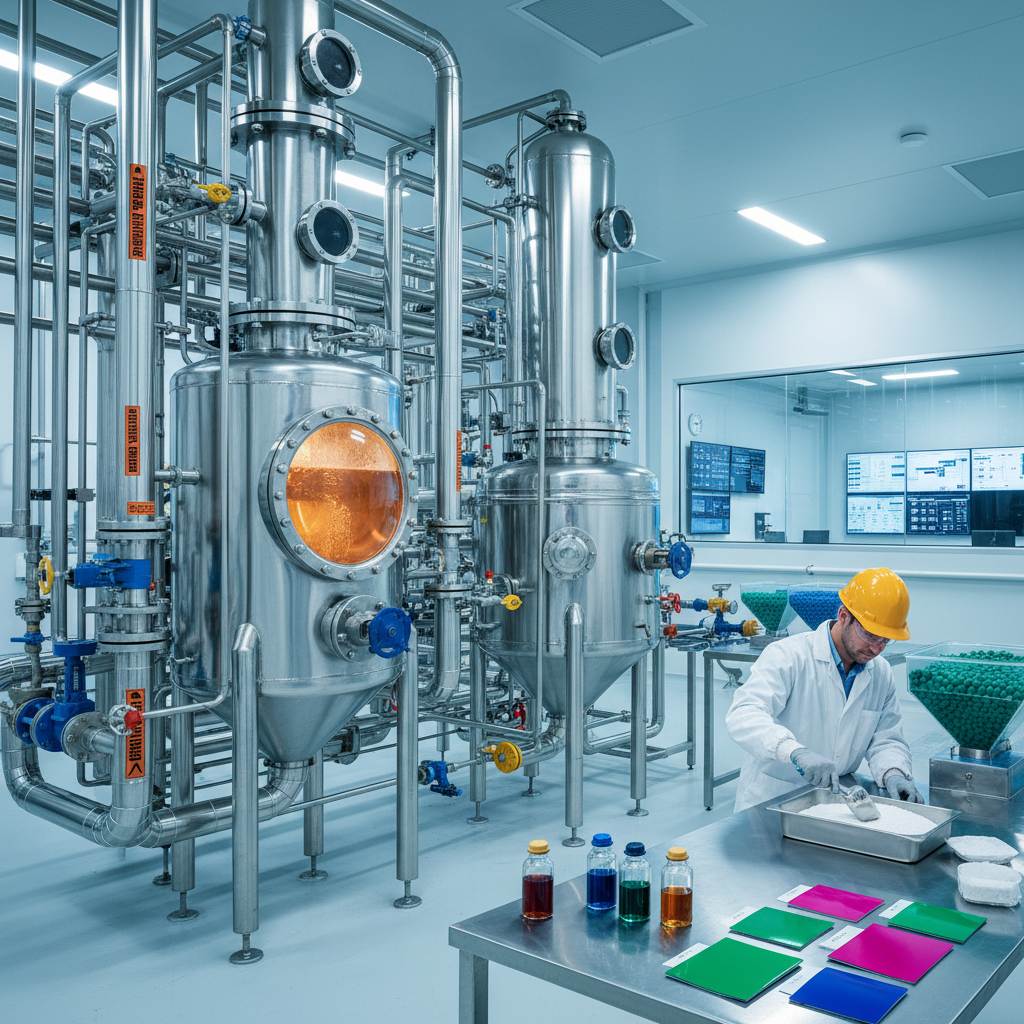
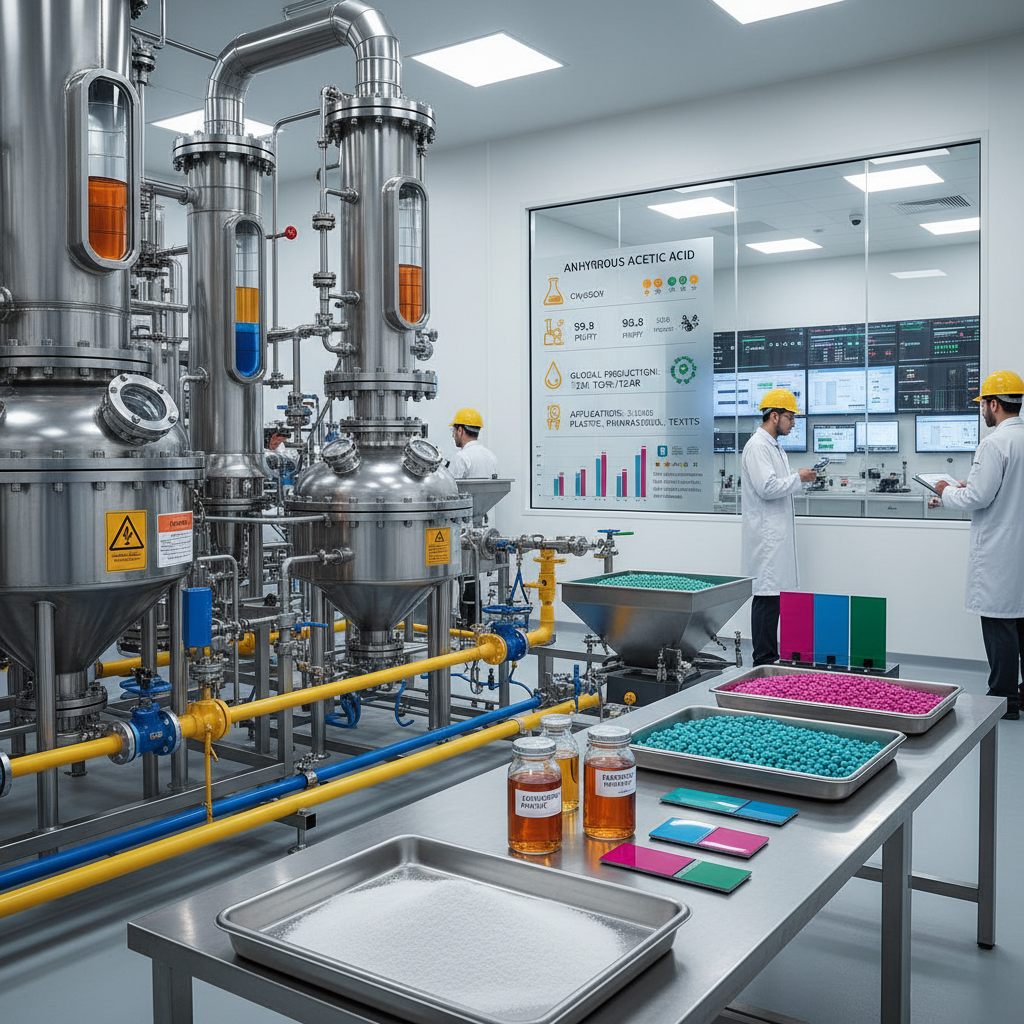
Anhydrous acetic acid, a cornerstone of modern chemical industry, plays a pivotal role in the production of a vast array of products, from pharmaceuticals and plastics to food preservatives and textiles. Its unique properties – notably its lack of water content – make it indispensable in chemical reactions where water would be detrimental. Understanding its production, applications, and handling is crucial for chemists, engineers, and professionals across diverse sectors globally.
The global market for anhydrous acetic acid is substantial and continuously growing, driven by increasing demand from end-use industries, particularly in developing economies. According to recent reports, the global acetic acid market was valued at over $17 billion in 2023 and is projected to reach over $22 billion by 2030. This growth is fueled by the rising demand for vinyl acetate monomer (VAM), purified terephthalic acid (PTA), and cellulose acetate, all of which rely heavily on anhydrous acetic acid as a key raw material.
Addressing challenges related to the safe and efficient handling and transportation of this vital chemical is paramount. Ensuring a stable supply chain and sustainable production methods are equally important, as the environmental impact of chemical manufacturing processes comes under increasing scrutiny. Proficiency in anhydrous acetic is thus essential for innovation and responsible industrial practice.
Introduction to Anhydrous Acetic Acid
Anhydrous acetic acid isn't just a chemical compound; it's a fundamental building block for numerous industries. Its unique characteristic—the complete absence of water—is what sets it apart, enabling reactions that would be impossible with hydrated acetic acid. This purity is critical in processes demanding precise chemical control.
The demand for anhydrous acetic acid continues to surge across the globe. The expansion of downstream industries, such as pharmaceuticals, textiles, and plastics, are directly driving the need for high-quality, water-free acetic acid. Understanding its production methods and safe handling procedures is therefore paramount for maintaining efficiency and ensuring sustainable practices within these vital sectors.
Defining Anhydrous Acetic Acid
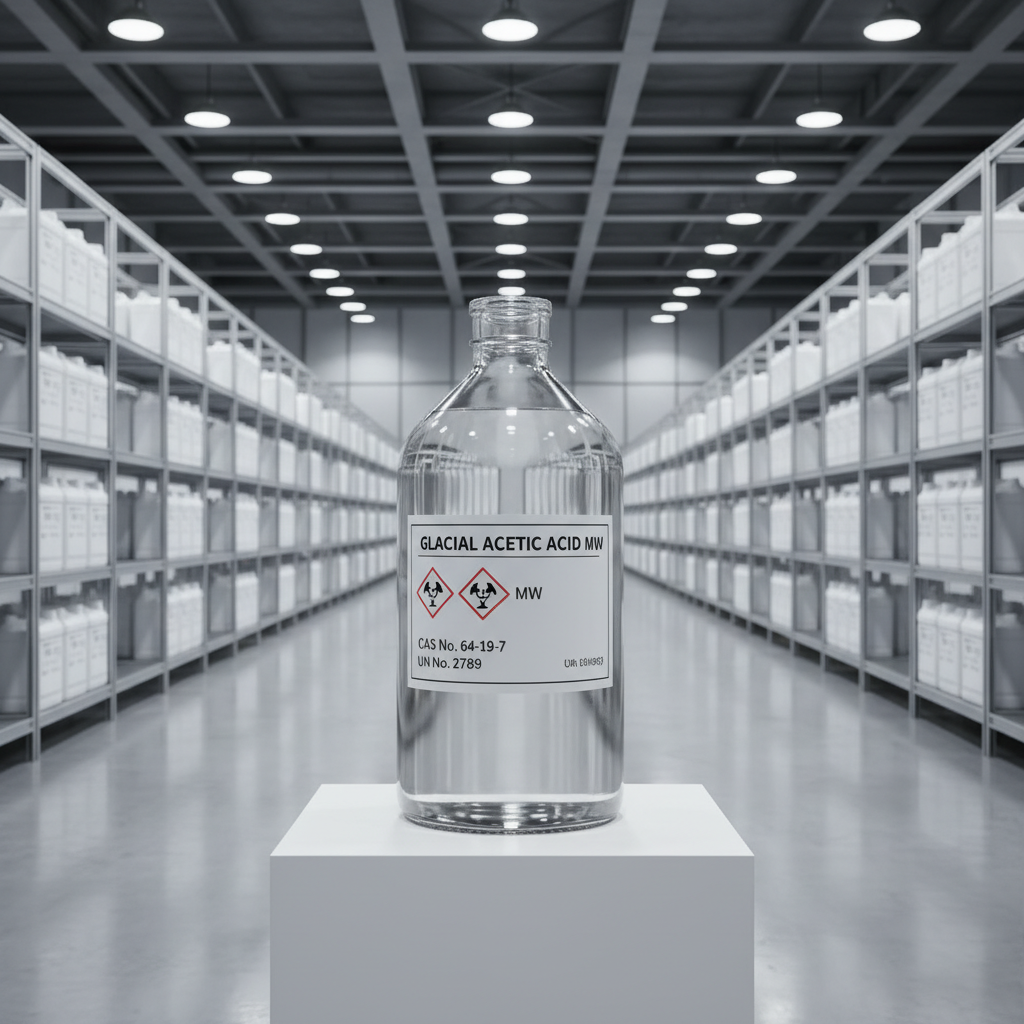
Anhydrous acetic acid (CH₃COOH) is a colorless liquid with a pungent, vinegar-like odor. The term “anhydrous” signifies the complete absence of water—typically exceeding 99.8% purity. Unlike acetic acid solutions commonly found in household vinegar, anhydrous acetic acid is a concentrated form used primarily in industrial chemical processes.
Its connection to modern industry stems from its exceptional solvent properties and its reactivity as an acylating agent. This reactivity makes it a key component in synthesizing numerous compounds, including esters, anhydrides, and acetyl halides. Anhydrous acetic acid directly contributes to the production of essential materials that impact daily life, from clothing and packaging to pharmaceuticals and medical devices.
Furthermore, the role of anhydrous acetic in the production of polymers and resins is crucial. Its properties allow for precise control over polymerization reactions, resulting in materials with tailored characteristics for specific applications. This makes it a versatile and irreplaceable compound in various chemical manufacturing contexts.
Key Characteristics of Anhydrous Acetic
One of the most defining characteristics of anhydrous acetic acid is its exceptional solvency. It readily dissolves a wide range of organic compounds, making it an ideal solvent for various chemical reactions and processes. This capacity for dissolving different substances ensures efficient reactions and contributes to higher product yields.
Another crucial aspect is its high boiling point (118°C). This allows for reactions to be carried out at elevated temperatures without significant loss of solvent, facilitating faster reaction rates. The high boiling point also minimizes evaporation losses, contributing to process safety and efficiency.
Corrosivity is a significant characteristic to consider. Anhydrous acetic acid is corrosive to many metals and can cause burns on contact with skin. Therefore, appropriate safety precautions and specialized equipment are necessary when handling it. This characteristic underscores the importance of proper storage and handling procedures.
Applications & Industrial Use Cases
Anhydrous acetic acid finds widespread application in the production of vinyl acetate monomer (VAM), a crucial building block for polymers used in adhesives, paints, textiles, and packaging. The purity of the acetic acid directly influences the quality of the resulting VAM and downstream products.
The pharmaceutical industry relies heavily on anhydrous acetic acid for synthesizing various drug intermediates and active pharmaceutical ingredients (APIs). The stringent purity requirements of pharmaceutical manufacturing demand the use of high-quality anhydrous acetic acid to ensure product safety and efficacy.
anhydrous acetic Application Breakdown
Benefits & Long-Term Value of Anhydrous Acetic
The use of anhydrous acetic acid leads to enhanced process efficiency and higher product yields due to its superior reactivity and solvency. This translates to cost savings and increased productivity for manufacturers. The reduction of unwanted by-products also minimizes waste generation, contributing to sustainability.
From a long-term perspective, investing in high-quality anhydrous acetic acid contributes to the production of more durable and reliable end products. This reduces the need for frequent replacements and repairs, lowering overall lifecycle costs. The quality and consistency afforded by the use of this precise reagent builds trust with consumers and reinforces brand reputation.
Future Trends in Anhydrous Acetic Production
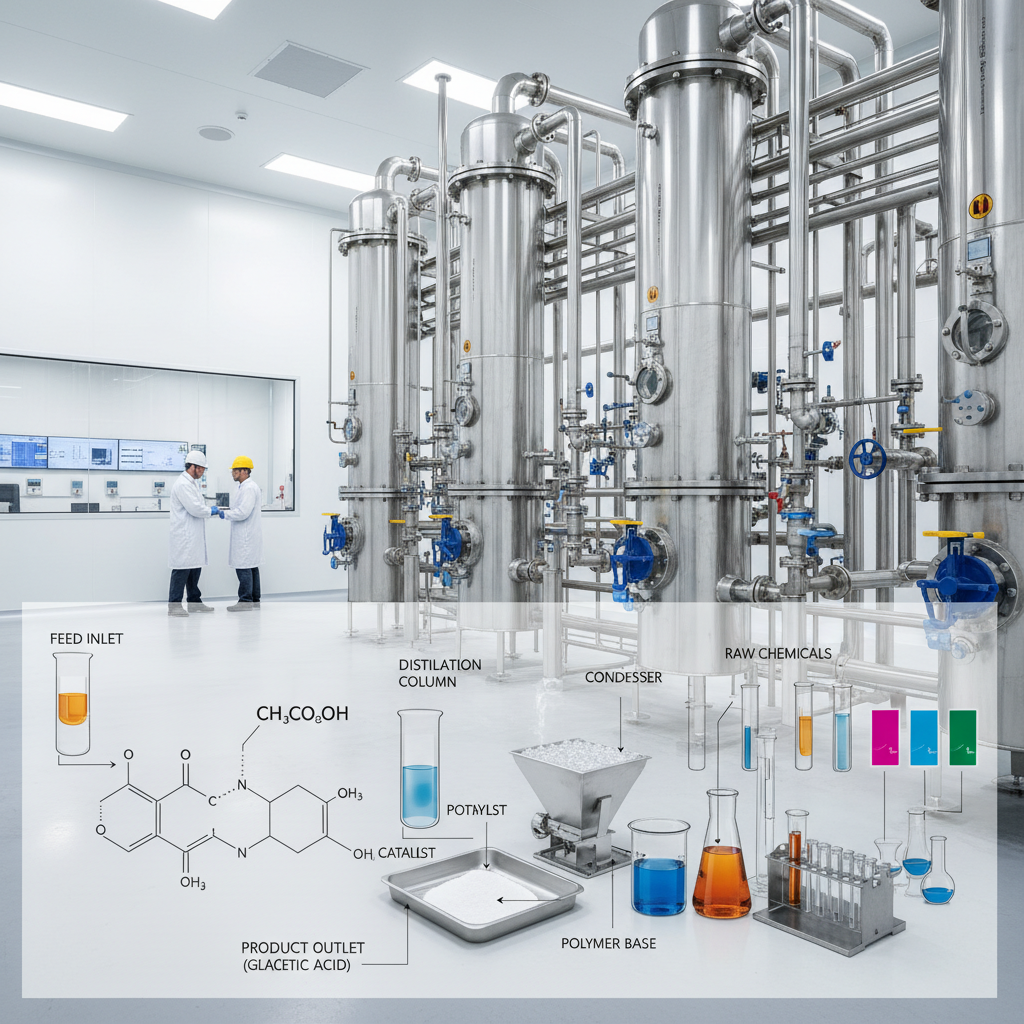
Sustainable production methods for anhydrous acetic acid are gaining prominence. Research is focused on developing processes that utilize renewable feedstocks and minimize environmental impact, such as carbonylation of methanol with bio-based carbon monoxide. These innovations aim to reduce reliance on fossil fuels.
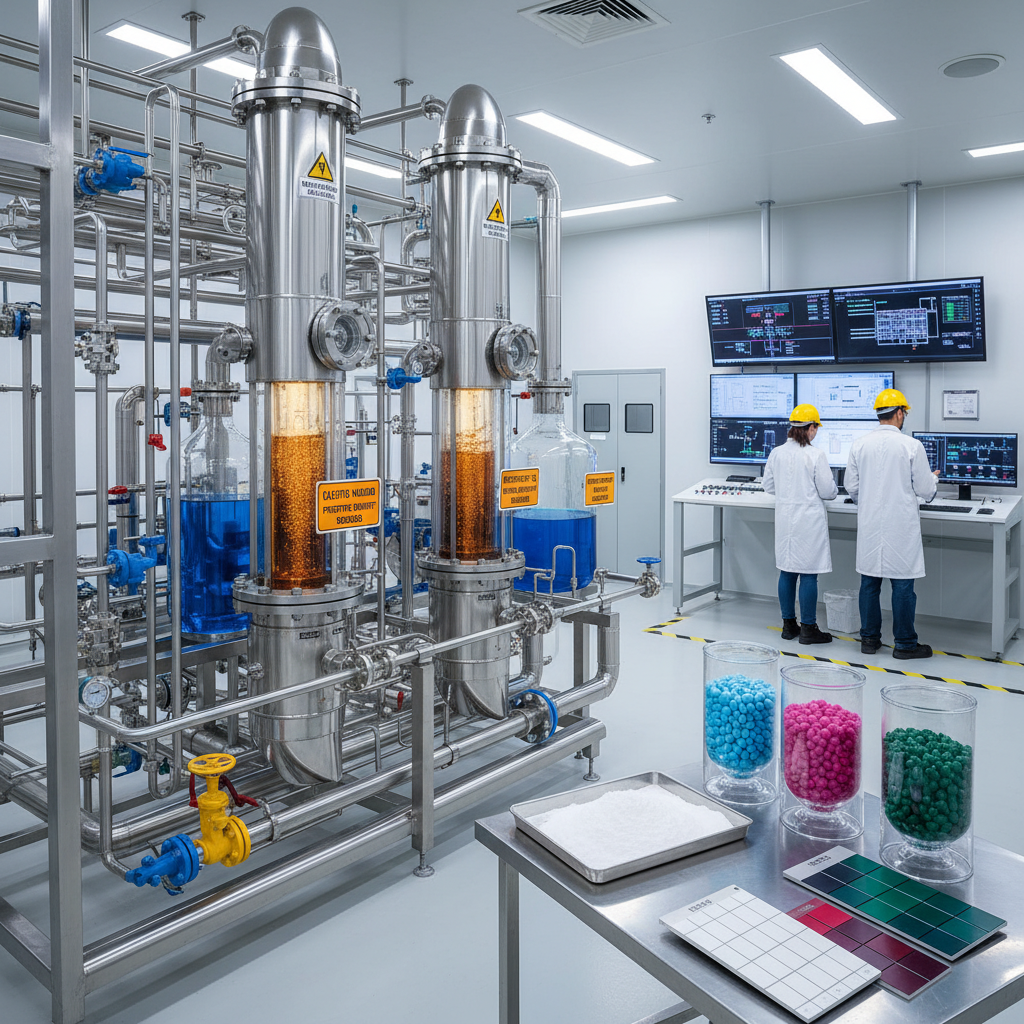
Digitalization and process automation are being implemented to optimize anhydrous acetic acid production. Real-time monitoring, advanced control systems, and predictive maintenance improve efficiency, reduce downtime, and ensure consistent product quality. These technological advancements are driving down production costs and enhancing sustainability.
Challenges and Solutions in Handling Anhydrous Acetic
A significant challenge lies in the corrosive nature of anhydrous acetic acid, which necessitates the use of specialized equipment and materials. Employing corrosion-resistant alloys, such as stainless steel and Hastelloy, for storage tanks, pipelines, and reaction vessels is essential.
Maintaining anhydrous conditions throughout the production and storage process is critical. Stringent quality control measures, including regular moisture analysis and inert gas blanketing, are required to prevent water contamination. Proper training for personnel handling the chemical is also vital for ensuring safety and preventing accidents.
Optimizing logistics and transportation of anhydrous acetic acid presents another challenge. Implementing robust packaging, secure transportation procedures, and compliance with stringent safety regulations are crucial for minimizing the risk of spills and leaks. Developing closed-loop supply chains and localized production facilities can further mitigate these risks.
Summary of Anhydrous Acetic Acid Handling Challenges and Solutions
| Challenge |
Severity (1-10) |
Mitigation Strategy |
Implementation Cost (USD) |
| Corrosion of Equipment |
8 |
Use Corrosion-Resistant Alloys |
50,000 – 200,000 |
| Moisture Contamination |
7 |
Inert Gas Blanketing & Quality Control |
10,000 – 50,000 |
| Personnel Safety |
9 |
Comprehensive Training Programs |
5,000 – 20,000 |
| Transportation Risks |
6 |
Secure Packaging & Regulatory Compliance |
15,000 – 75,000 |
| Supply Chain Disruptions |
5 |
Diversified Sourcing & Local Production |
100,000 – 500,000 |
| Waste Management |
4 |
Recycling and Responsible Disposal |
2,000 – 10,000 |
FAQS
Anhydrous acetic acid is highly corrosive and can cause severe burns upon contact with skin and eyes. Inhalation of its vapors can irritate the respiratory system. Safety concerns include the need for appropriate personal protective equipment (PPE), such as gloves, goggles, and respirators. Proper ventilation and spill containment procedures are also essential. Regular training for personnel handling the chemical is crucial, focusing on emergency response protocols and hazard awareness.
The purity of anhydrous acetic acid is paramount, especially in sensitive applications like pharmaceutical synthesis and polymer production. Even trace amounts of water can disrupt reactions, lead to unwanted byproducts, and compromise product quality. High-purity anhydrous acetic acid ensures optimal reaction rates, yields, and the desired characteristics of the final product. Maintaining stringent quality control during production and storage is therefore critical.
Anhydrous acetic acid should be stored in tightly sealed containers made of compatible materials, such as stainless steel or specialized plastics. Containers should be stored in a cool, dry, well-ventilated area, away from direct sunlight and sources of ignition. It's crucial to prevent moisture contamination, often achieved through inert gas blanketing (e.g., nitrogen). Regular inspection of containers for leaks or corrosion is also essential.
The primary difference lies in the water content. Acetic acid is typically available as a solution in water (e.g., vinegar is around 5% acetic acid), while anhydrous acetic acid contains less than 0.2% water. This water content significantly impacts its reactivity and suitability for specific applications. Anhydrous acetic acid is preferred when water would interfere with the desired chemical reaction, providing greater control and higher yields.
Traditional methods for producing anhydrous acetic acid can have environmental impacts related to energy consumption and waste generation. However, advancements are being made to mitigate these impacts, including the use of renewable feedstocks and more efficient production processes. Companies are increasingly focused on implementing sustainable practices, such as carbon capture and utilization, to reduce their carbon footprint.
Anhydrous acetic acid is classified as a corrosive liquid and is transported under strict regulations. It requires specialized packaging designed to prevent leaks and withstand handling during transit. Transportation typically involves approved tankers or containers, labeled according to international hazard communication standards. Emergency response plans must be in place to address potential spills or accidents during transportation.
Conclusion
Anhydrous acetic acid stands as a vital, yet often unseen, cornerstone of modern industry. Its unique properties, high reactivity, and wide-ranging applications across pharmaceuticals, polymers, textiles, and more, underscore its irreplaceable role in countless manufacturing processes. From facilitating the creation of essential materials to driving innovation in various sectors, understanding and optimizing its use is paramount.
Looking ahead, the future of anhydrous acetic acid lies in sustainable production methods, digitalization, and a commitment to safety and responsible handling. Continued research and development focused on renewable feedstocks and efficient processes will be essential for minimizing environmental impact and ensuring a stable supply for generations to come. For more information and to explore our comprehensive range of high-quality anhydrous acetic acid products, visit our website: www.ysxlglacialaceticacid.com.


 English
  Belarusian
  Dutch
Dutch  French
  German
  Hindi
Hindi  Indonesian
  Japanese
  Korean
  Lao
Lao  Malay
Malay  Mongolian
  Myanmar
  Polish
  Portuguese
  Russian
  Spanish
  Tagalog
  Thai
Thai  Vietnamese