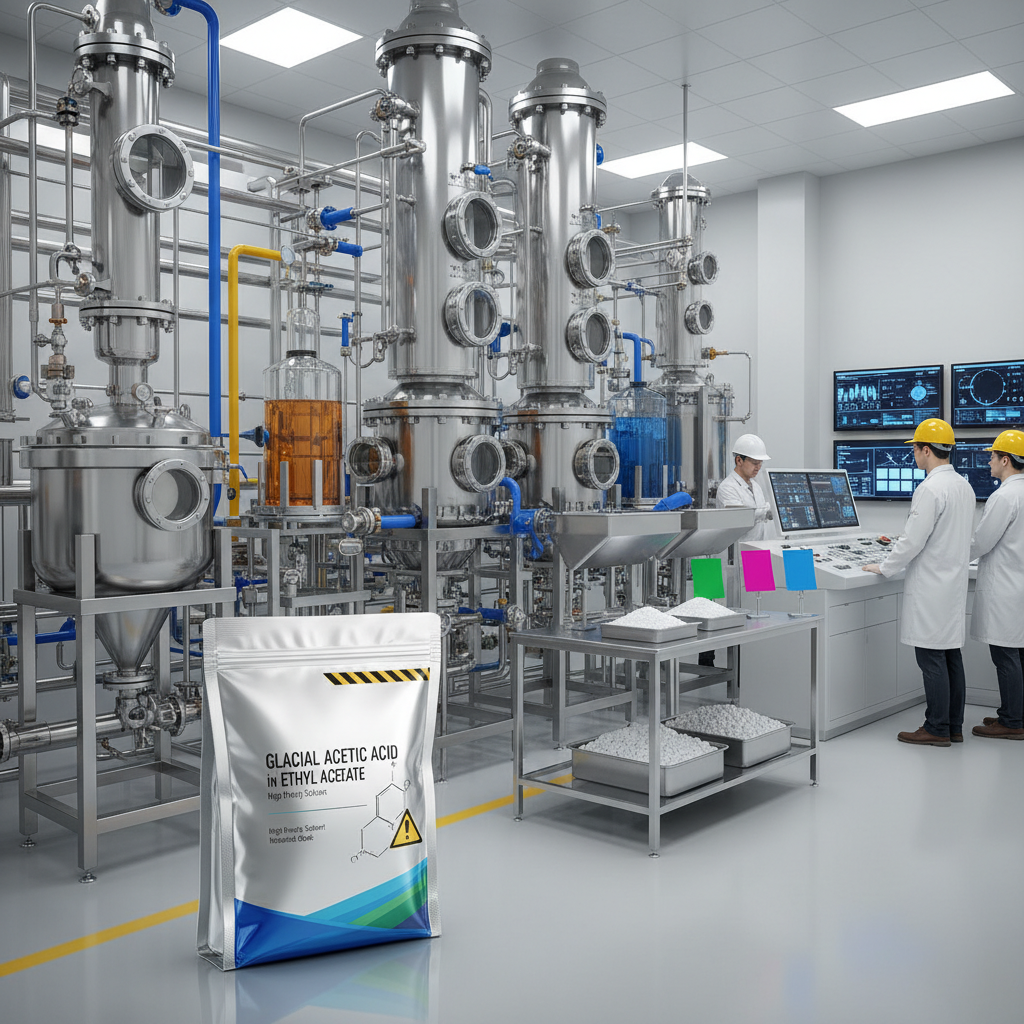
glacial acetic acid in ethyl acetate – it’s not a glamorous topic, I get it. But after 20 years of wrestling with concrete, steel, and frankly, everything in between on construction sites, I’ve learned to appreciate the unsung heroes. This isn’t about flashy new tech; it’s about reliable, effective chemistry that keeps things running smoothly. We're talking about a solvent blend that, when you understand its properties, solves a ton of headaches in coatings, cleaning, and even some niche applications I’ve seen down in the petrochemical plants. It’s the kind of thing you don’t notice when it’s working right, but you definitely notice when it’s not.
You see a lot of “innovation” out there, a lot of folks chasing the next big thing. But most of the time, we’re still battling the same old problems: getting surfaces properly prepped, ensuring coatings adhere, dealing with residue. glacial acetic acid in ethyl acetate is a workhorse for tackling these issues, a dependable tool in a toolbox full of increasingly complicated gadgets. I’ve seen it used to strip old paint off bridge supports, as a component in high-performance cleaning solutions for sensitive equipment, and even as a pH adjuster in some specialized concrete mixes. It’s a versatile player, and that’s why it's still around.
My team and I are constantly evaluating materials on-site, looking for cost-effectiveness and reliability. Frankly, that's where glacial acetic acid in ethyl acetate consistently delivers. It's not always the cheapest option upfront, but when you factor in labor savings, reduced rework, and consistent performance, it makes a compelling case. It’s about getting the job done right the first time, minimizing delays, and keeping projects on schedule. That’s what truly matters out here.
The Role of glacial acetic acid in ethyl acetate in Modern Industry
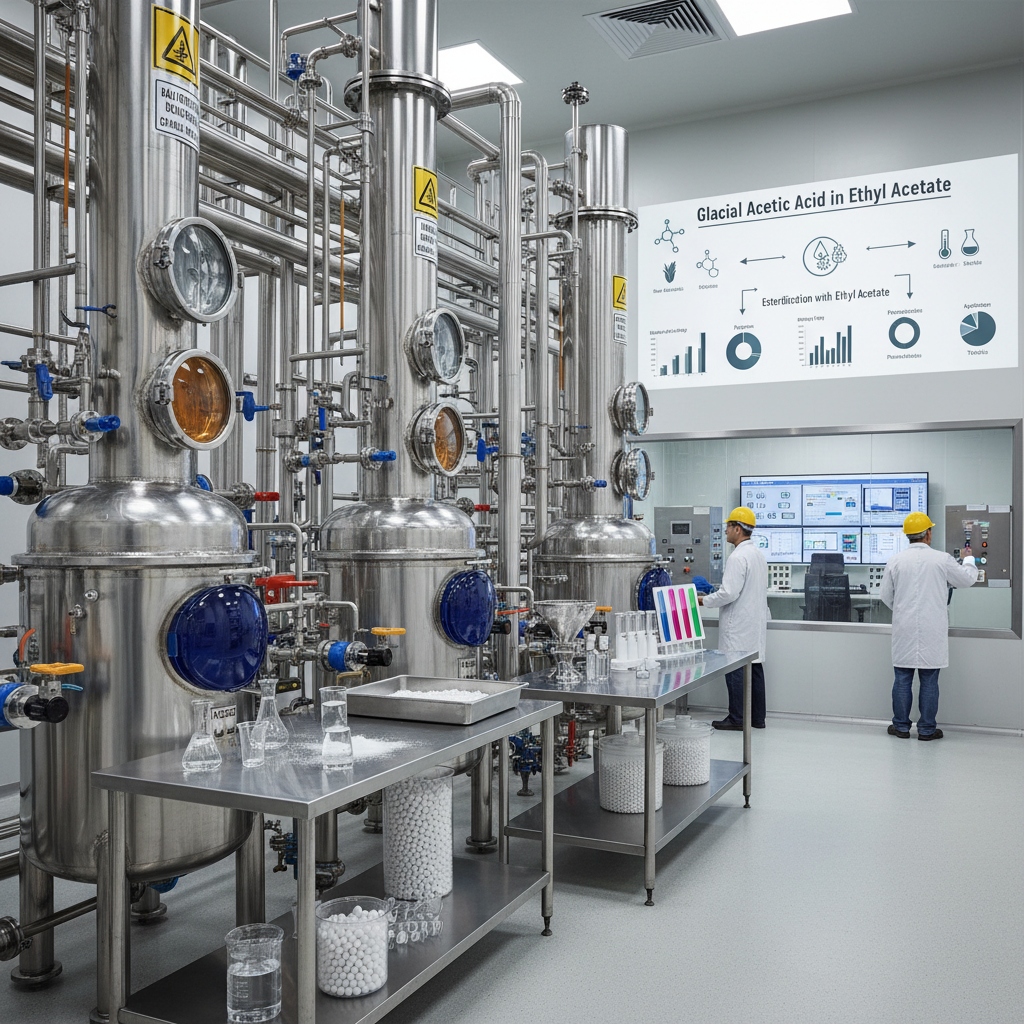
glacial acetic acid in ethyl acetate is a critical, though often unseen, component in a huge range of industrial processes. It's not a flashy material, but it’s a foundational solvent blend, and its consistent performance is what makes it so valuable. The demand globally is surprisingly stable, driven by sectors like coatings, pharmaceuticals, and electronics manufacturing – all needing precise and reliable chemical solutions. You see a lot of volume coming out of Asia, particularly China, but there’s a growing need for higher-purity grades in North America and Europe as well, particularly for specialized applications.
The core problem it solves is simple: it provides a powerful, yet controlled, solvency. It can cut through tough residues, facilitate chemical reactions, and ensure even distribution of coatings – all things that dramatically impact the quality and lifespan of finished products. We’re seeing increased scrutiny on VOC (Volatile Organic Compound) regulations, and glacial acetic acid in ethyl acetate often presents a better environmental profile compared to some alternatives, which is driving further adoption.
Understanding the Chemical Properties of glacial acetic acid in ethyl acetate
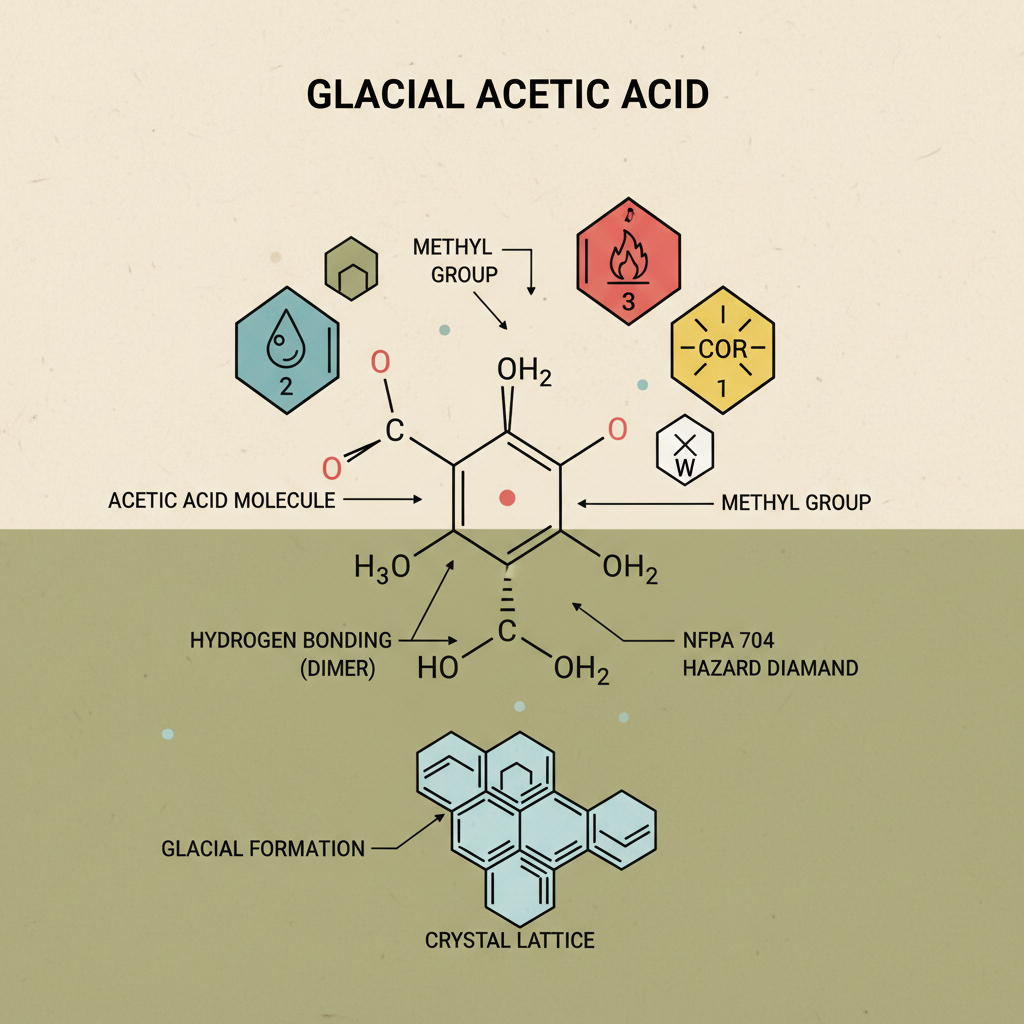
This isn't just about mixing two chemicals; it's about the synergy. glacial acetic acid provides the strong solvency and pH adjustment capabilities, while the ethyl acetate acts as a carrier and moderates the overall volatility. The resulting blend has a sweet, fruity odor (though you never want to rely on smell for safety!) and a relatively low toxicity compared to some other solvent options. That lower toxicity is a big deal on job sites, because it means fewer PPE requirements and less risk of exposure for our crews.
It's important to understand its miscibility – it mixes well with a wide range of organic solvents and even water to a certain extent. This versatility is key to its applications. Its flammability is moderate, so proper handling and storage are absolutely critical, and that’s something we drill into every worker on my team. We're constantly checking SDS (Safety Data Sheets) and making sure everyone understands the risks and precautions.
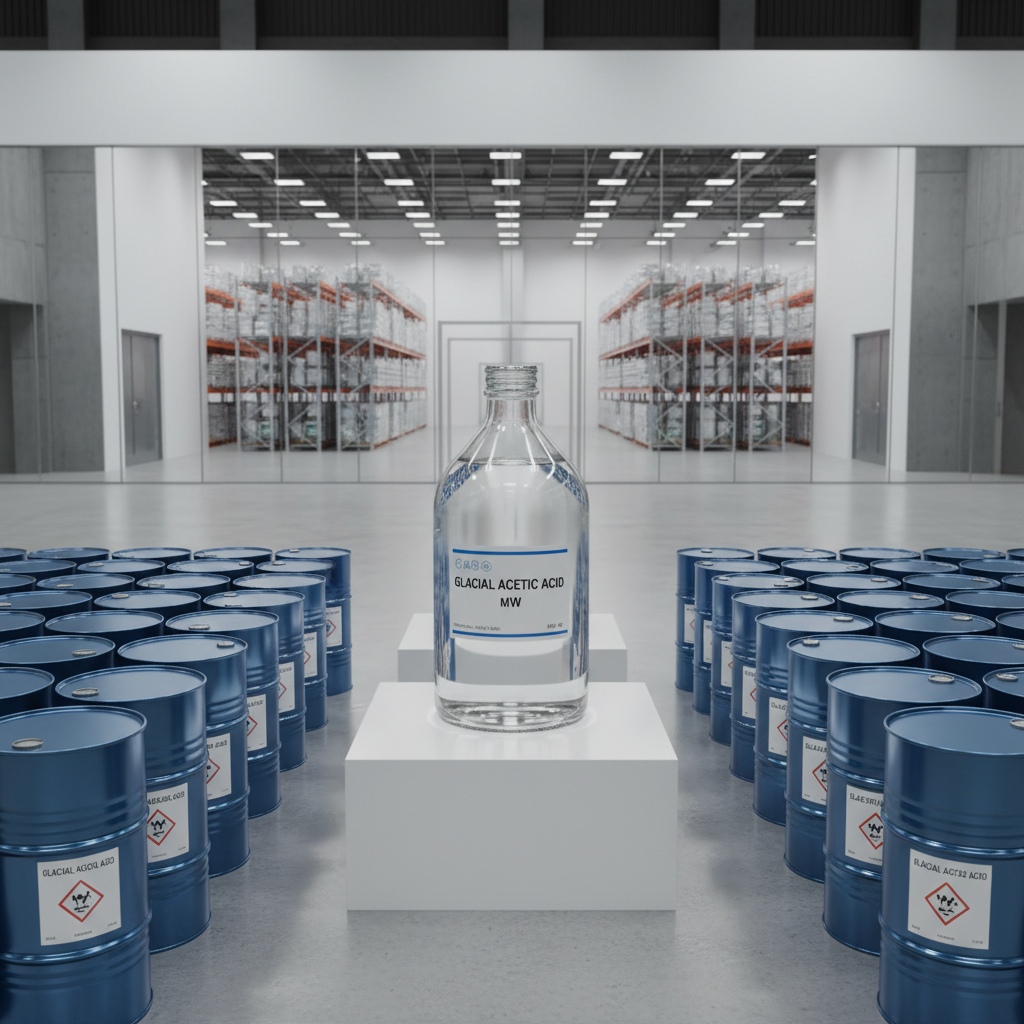
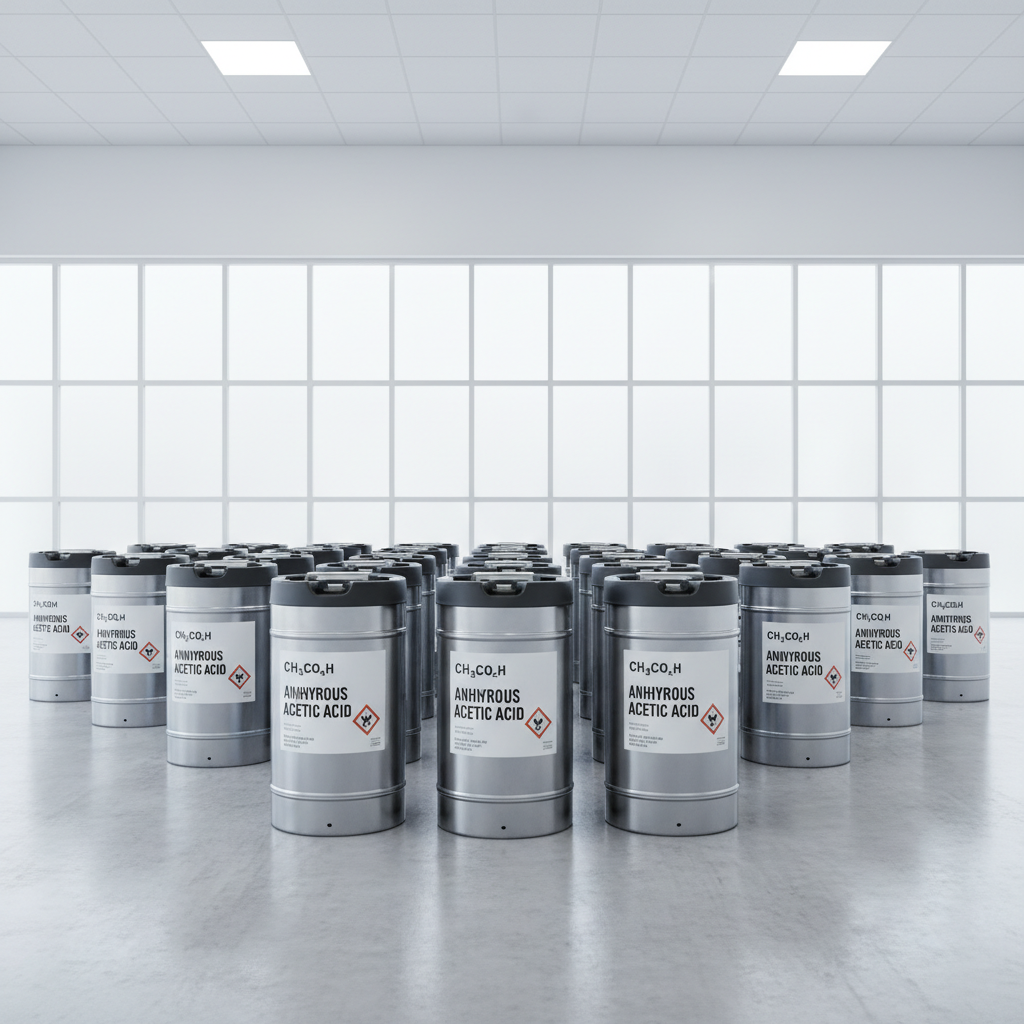
The stability of the blend itself is also important. Exposure to moisture and elevated temperatures can cause it to break down over time, impacting its performance. Proper storage in sealed containers, away from direct sunlight and heat sources, is essential to maintain its quality and effectiveness. That's a lesson I've learned the hard way more than once on remote project sites.
Key Factors Affecting the Performance of glacial acetic acid in ethyl acetate
Purity is paramount. Impurities can affect the solvency, stability, and even the color of the finished product. We always specify a minimum purity level in our material requisitions, and we conduct spot checks on deliveries to ensure compliance. You'll find different grades available - technical grade, reagent grade, and so on - and the choice depends entirely on the intended application. For critical coatings, we're always going with the highest purity possible.
Water content is another huge factor. Even a small amount of water can significantly reduce its effectiveness, particularly in applications where it's used to remove moisture or prevent corrosion. We use moisture meters to verify the dryness of the solvent before use, and we often store it with desiccant packs to absorb any residual moisture. I've seen jobs delayed for days because of contaminated solvent - it's a costly mistake to make.
Temperature plays a role as well. Lower temperatures can increase viscosity and reduce solvency, while higher temperatures can accelerate evaporation. We adjust application methods and ventilation accordingly to account for temperature variations. And don’t underestimate the impact of proper mixing; ensuring thorough blending of the glacial acetic acid and ethyl acetate is essential to achieve optimal performance.
Applications of glacial acetic acid in ethyl acetate Across Sectors
In the coatings industry, it's a workhorse for thinning paints, varnishes, and lacquers, ensuring smooth application and consistent film formation. I’ve seen it used extensively in automotive refinishing, industrial coatings for machinery, and even architectural paints. It helps achieve that perfect finish, and it speeds up drying times.
We use it a lot in cleaning and degreasing operations, especially in electronics manufacturing and precision engineering. It effectively removes oils, greases, and other contaminants without damaging sensitive components. It's a go-to for prepping surfaces before applying adhesives or coatings.
glacial acetic acid in ethyl acetate Application Breakdown by Sector
Advantages and Long-Term Value Proposition of glacial acetic acid in ethyl acetate
The initial cost is competitive, but the real value lies in its efficiency. It reduces the need for multiple cleaning agents or solvents, simplifying inventory management and reducing waste. It also contributes to a more consistent and reliable process, minimizing rework and delays. That translates directly to cost savings on the job.
From a sustainability perspective, while not a "green" solvent, it often allows us to reduce the overall amount of solvent used compared to alternatives, lessening environmental impact. We're also seeing suppliers offer more sustainable sourcing options for both glacial acetic acid and ethyl acetate, which is a trend I expect to continue.
Future Trends and Innovations in glacial acetic acid in ethyl acetate Applications
We’re seeing a push for bio-based ethyl acetate, produced from renewable sources like ethanol derived from corn or sugarcane. If that becomes widely available and cost-competitive, it could significantly improve the sustainability profile of glacial acetic acid in ethyl acetate blends.
There’s also research into using it as a solvent in advanced battery technologies, particularly for lithium-ion battery electrolytes. That’s a long-term prospect, but it could open up a whole new market for this versatile blend. And with the increasing focus on circular economy principles, we’re likely to see more investment in solvent recovery and recycling technologies to minimize waste and reduce reliance on virgin materials.
Finally, I anticipate more tailored formulations of glacial acetic acid in ethyl acetate blends optimized for specific applications. We're moving beyond one-size-fits-all solutions and towards customized chemistry that delivers maximum performance and efficiency.
Challenges and Solutions in Using glacial acetic acid in ethyl acetate
The biggest challenge, frankly, is the safety aspect. It’s flammable, and prolonged exposure can cause irritation. That requires diligent training, proper ventilation, and the use of appropriate PPE. We've implemented a comprehensive safety program that covers all of these aspects.
Another hurdle is ensuring consistent quality from different suppliers. Variations in purity or water content can impact performance, so we've established strict quality control procedures and maintain close relationships with our key vendors.
Finally, disposal can be an issue. We work with licensed waste management companies to ensure proper handling and disposal of used solvent, complying with all relevant environmental regulations. It's an added cost, but it's a non-negotiable part of responsible operations.
Summary of Key Challenges and Solutions for glacial acetic acid in ethyl acetate Utilization
| Challenge |
Risk Level (1-5) |
Mitigation Strategy |
Implementation Cost (1-5) |
| Flammability |
4 |
Comprehensive Safety Training, Ventilation Systems, PPE |
3 |
| Exposure Irritation |
3 |
PPE, Controlled Ventilation, Regular Health Checks |
2 |
| Quality Consistency |
3 |
Supplier Qualification, Rigorous QC Testing |
2 |
| Water Contamination |
2 |
Moisture Monitoring, Sealed Storage, Desiccant Packs |
1 |
| Disposal Regulations |
2 |
Licensed Waste Management Partners, Compliance Audits |
3 |
| Supply Chain Disruptions |
3 |
Diversified Supplier Network, Strategic Inventory Management |
2 |
FAQS
The primary concerns are flammability and potential skin/eye irritation. It’s crucial to use adequate ventilation, wear appropriate PPE like gloves and safety glasses, and avoid contact with open flames or ignition sources. Proper training for all personnel handling the material is also paramount. We emphasize understanding the SDS and following established safety protocols on every site.
Compared to some chlorinated solvents, glacial acetic acid in ethyl acetate generally has a lower environmental impact, particularly regarding ozone depletion. However, it's still a VOC, so emissions need to be managed responsibly. The growing availability of bio-based ethyl acetate is further improving its sustainability profile. We’re always evaluating options to minimize our environmental footprint.
Typically, glacial acetic acid in ethyl acetate has a shelf life of at least two years if stored properly. It should be kept in tightly sealed containers, away from direct sunlight, heat sources, and moisture. Regularly inspect containers for leaks or signs of degradation. Proper storage is crucial for maintaining its effectiveness and safety.
Yes, absolutely. Solvent recovery and recycling are becoming increasingly common and are a responsible way to reduce waste and lower costs. Distillation is a common method for purifying used glacial acetic acid in ethyl acetate for reuse. We partner with specialized waste management companies that offer these services.
It excels in applications requiring a balance of strong solvency and moderate evaporation rate, like certain coatings and cleaning processes. It's also well-suited for applications where lower toxicity is a concern. For instance, in electronics manufacturing, its ability to remove flux residue without damaging sensitive components makes it a preferred choice.
First, ensure the area is well-ventilated and eliminate all ignition sources. Wear appropriate PPE, including gloves and eye protection. Contain the spill with absorbent materials, and dispose of the contaminated materials properly according to local regulations. Never flush it down the drain. And of course, report the spill to the appropriate authorities.
Conclusion
glacial acetic acid in ethyl acetate isn’t a headline-grabbing innovation, but it’s a foundational component in countless industries. Its reliable solvency, versatility, and relatively favorable safety profile make it a valuable tool for everything from coatings and cleaning to specialized chemical processes. Understanding its properties and proper handling procedures is crucial for maximizing its benefits and minimizing risks.
Looking ahead, the focus will be on sustainable sourcing, solvent recovery, and tailored formulations. By embracing these advancements, we can continue to leverage the power of glacial acetic acid in ethyl acetate while minimizing its environmental impact and maximizing its long-term value. For reliable supply and expert technical support, visit our website: www.ysxlglacialaceticacid.com.


 English
  Belarusian
  Dutch
Dutch  French
  German
  Hindi
Hindi  Indonesian
  Japanese
  Korean
  Lao
Lao  Malay
Malay  Mongolian
  Myanmar
  Polish
  Portuguese
  Russian
  Spanish
  Tagalog
  Thai
Thai  Vietnamese