
Oct . 18, 2025 13:30 Back to list
Glacial Acetic Acid for Sale – 99.8% Pure, Bulk, Fast Ship
Food Grade Glacial Acetic Acid: Buyer’s Field Notes, Specs, and Real-World Use
If you’ve been scouting glacial acetic acid for sale lately, you’ve probably noticed two things: lead times are tighter than last year, and documentation matters more than ever. As someone who visits factories and chats with QC teams more than is healthy, here’s a practical snapshot of what’s worth your attention—without the brochure fluff.
Product at a Glance
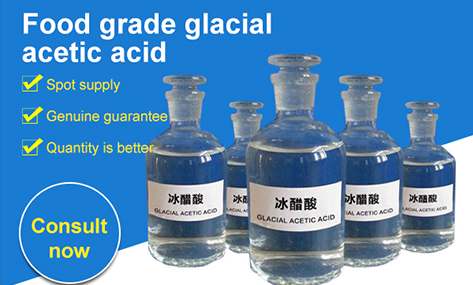
Product name: Food grade glacial acetic acid (E260). It’s an organic acid—the same sour backbone you know from vinegar, just at high purity, carefully controlled. Origin: 200 meters northeast of the intersection of East Airport Road and Airport North Street in Yangma Village, Zengcun Town, Gaocheng District, Shijiazhuang City, Hebei Province. Many buyers tell me the traceability is a plus, especially for audits.
Why demand is rising
- Clean-label and controlled-acidity foods—beverages, pickled veg, condiments.
- Cross-over uses in pharma excipients, solvent cleaning, and flavor standardization.
- Stronger paper/plastics supply chains pulling on upstream acetic acid capacity (yes, it spills into food-grade availability).
Specifications that usually decide the PO
| Parameter | Typical Value (≈) | Method/Note |
|---|---|---|
| Assay (CH3COOH) | ≥ 99.8% | GC or acid-base titration (FCC) |
| Water | ≤ 0.15% | Karl Fischer |
| Aldehydes (as acetaldehyde) | ≤ 50 mg/kg | FCC |
| Heavy metals (as Pb) | ≤ 2 mg/kg | ICP-MS |
| Arsenic | ≤ 1 mg/kg | ICP-MS |
| Permanganate test time | ≥ 30 min | Oxidizable impurities |
| Shelf life | 24 months (sealed) | Real-world use may vary |
Certifications buyers often request: ISO 22000/HACCP, FCC compliance, EU E260 alignment, Halal/Kosher on request, and REACH prereg where applicable.
From feedstock to drum: process flow (short version)
- Materials: methanol + CO (carbonylation route) or bio-based acetic sources (availability varies by season).
- Methods: catalytic synthesis → fractionation → polishing → final dehydration to glacial grade.
- Testing standards: FCC monograph, EU E-number E260 spec checks, in-house SOPs to ISO 17025-accredited methods.
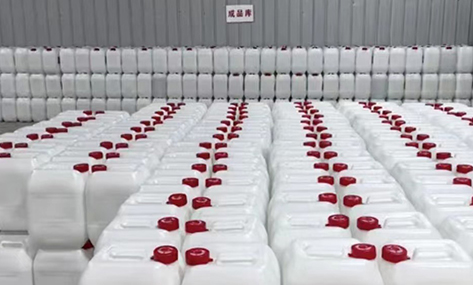
- Packaging: 25 kg/30 kg carboys, 200 kg HDPE-lined drums, 1,050 kg IBCs; lot traceability printed.
- Service life: 24 months unopened; store cool, away from oxidizers; food-contact compliant closures.
- Industries: food & beverage, flavoring, pickling, dairy pH control, brewery CIP acidification, and occasional pharma-adjacent uses.
Application snapshots
In sauces and pickles, it stabilizes pH and flavor (some chefs prefer the cleaner profile vs. vinegar). Breweries use it—diluted—for CIP acid rinses. I’ve seen confectionery teams use microliter doses in high-Brix syrups to tweak tartness. And yes, it’s strong; handle with standard food chemical safety protocols.
Vendor comparison (indicative)
| Criteria | This supplier | Vendor A (generic) | Vendor B (generic) |
|---|---|---|---|
| Purity | ≥99.8% (typ.) | ≥99.5% | ≥99.7% |
| Certs | ISO 22000, FCC, Halal/Kosher (opt.) | ISO 9001 | HACCP |
| MOQ | 1 drum or 1 IBC | 2 IBCs | 1 pallet mixed |
| Lead time | 7–12 days (≈) | 10–15 days | 7–14 days |
Customization and packaging
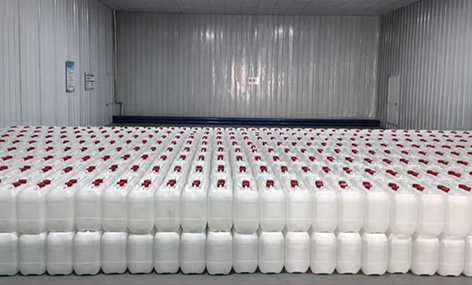
Palette of options: food-contact carboys, HDPE-lined drums, IBCs; private labeling; COA + MSDS; dilution services (e.g., 5–20% food-acid solutions) on request. Many customers say the clean sensory profile is consistent batch to batch—surprisingly steady even across seasons.
Case notes and feedback
- Pickling brand in Eastern Europe reported a 0.1–0.2 pH unit tighter control window vs. previous supplier.
- Beverage startup liked the rapid COA turnaround and sample retain policy (90 days).
- QA audit comment: “Docs were complete, particularly allergen and contaminant statements.”
If you’re comparing glacial acetic acid for sale options, check three things: assay and water by recent methods, impurity profile vs. FCC/E260, and storage/closure specs. To be honest, those details save headaches later.
Standards and references
- FAO/WHO Codex Alimentarius, Food Additive E260 (Acetic Acid): General specs and identity.
- Food Chemicals Codex (FCC) Monograph: Acetic Acid—purity tests and methods.
- EU Regulations on Food Additives (E-number system) and labeling practices.
Citations: [1] https://www.fao.org/food/food-safety-quality/scientific-advice/codex/en/ [2] https://www.foodchemicals.codex.com/ (subscription) [3] https://food.ec.europa.eu/safety/food-improvement-agents/additives_en
-
Industrial Applications and Properties of 75 acetic acid Solution
NewsApr.16,2026
-
Properties and Industrial Applications of 64 19 7 acetic acid
NewsApr.09,2026
-
Comprehensive Guide to 56 Acetic Acid Applications and Reliable Sourcing
NewsApr.07,2026
-
Comprehensive Guide to 5 Glacial Acetic Acid for International Trade and Industrial Applications
NewsApr.04,2026
-
Exploring 100 Acetic Acid Properties Applications and Reliable Sourcing
NewsMar.31,2026
-
Comprehensive Guide to 10 Glacial Acetic Acid Properties and Applications
NewsMar.28,2026
 English
  Belarusian
  Dutch
Dutch  French
  German
  Hindi
Hindi  Indonesian
  Japanese
  Korean
  Lao
Lao  Malay
Malay  Mongolian
  Myanmar
  Polish
  Portuguese
  Russian
  Spanish
  Tagalog
  Thai
Thai  Vietnamese